Does Inito Confirm Ovulation?
Published on Apr 7, 2026


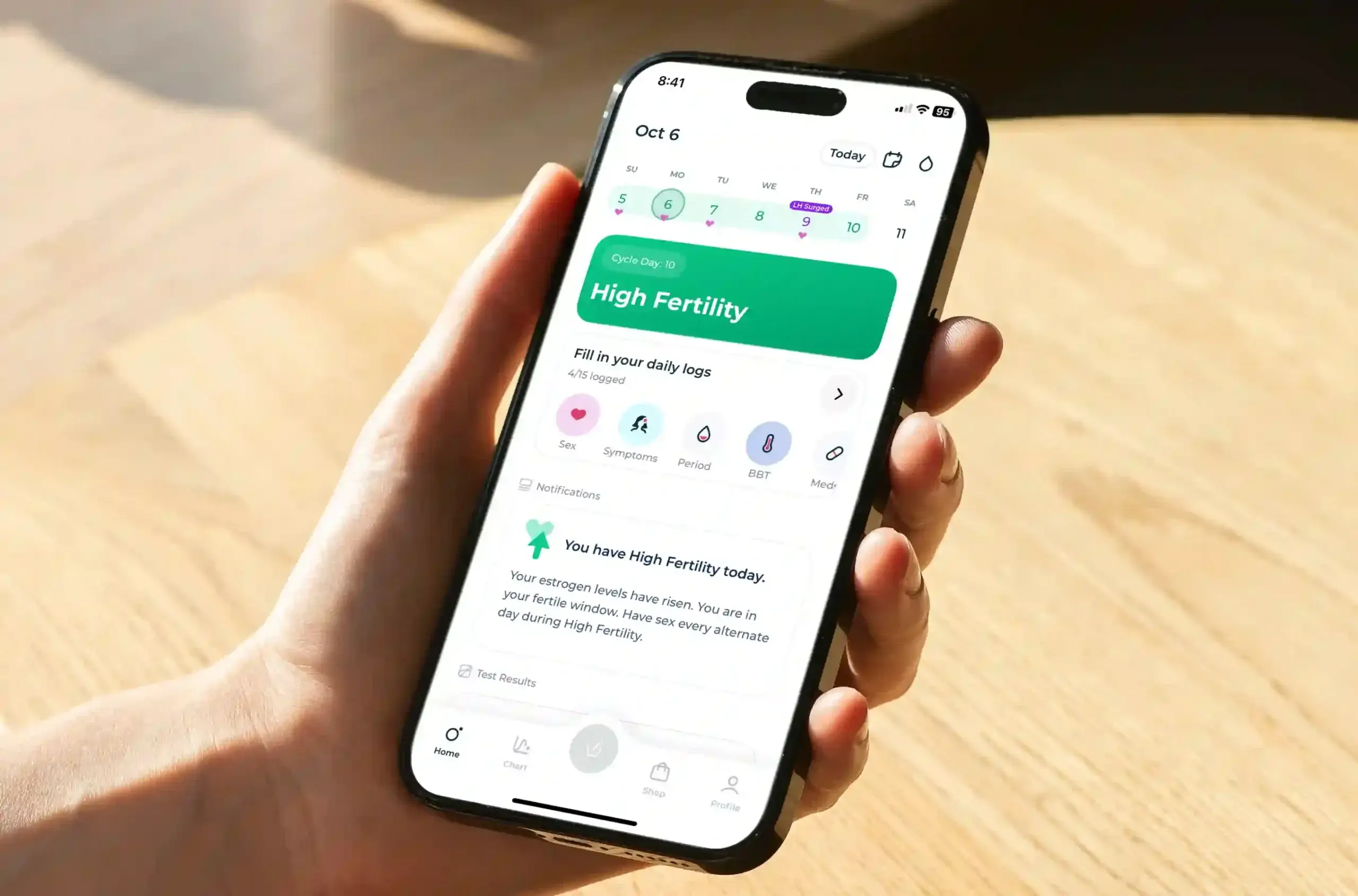
Predicting ovulation is not the same as confirming it.
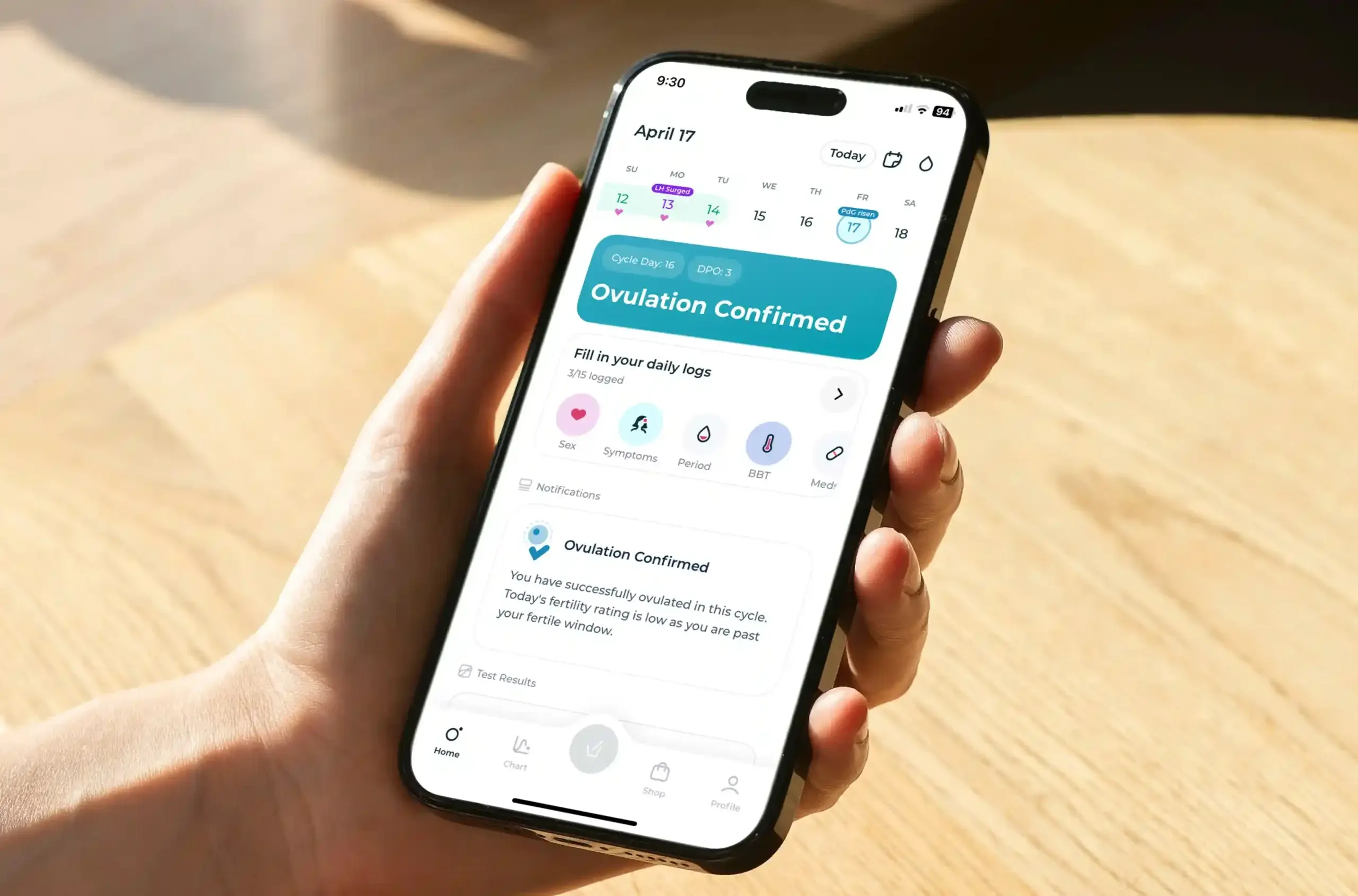
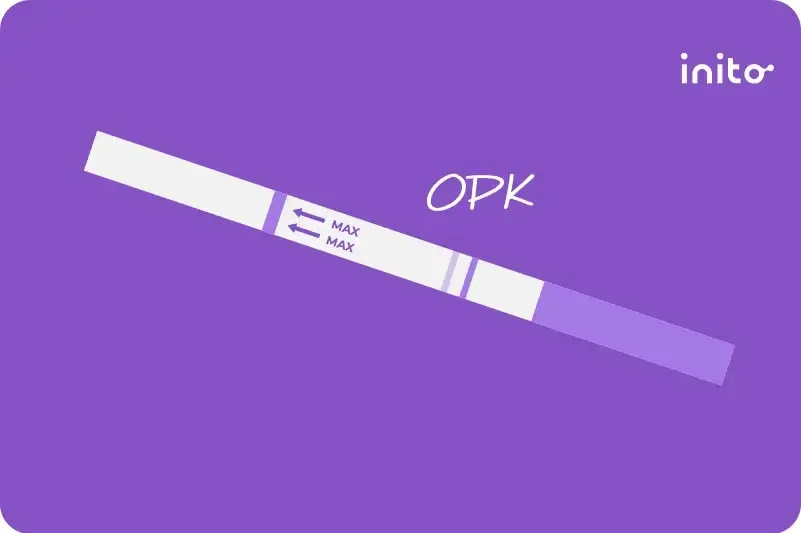
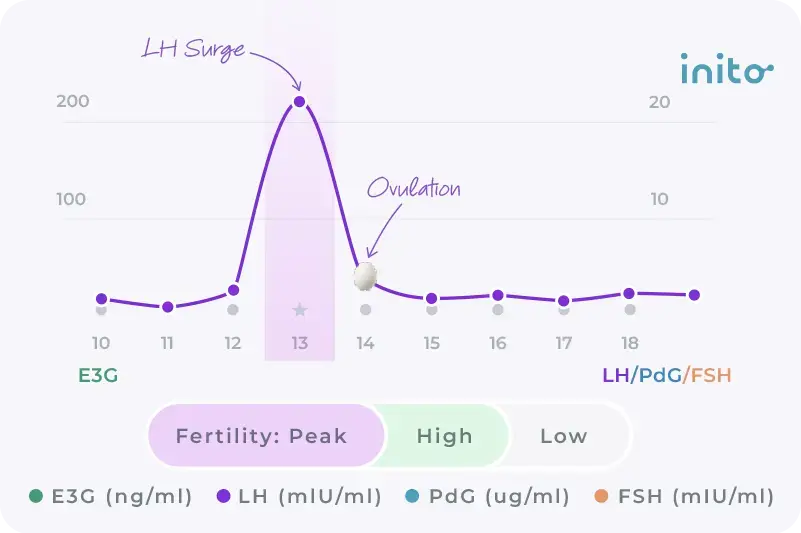
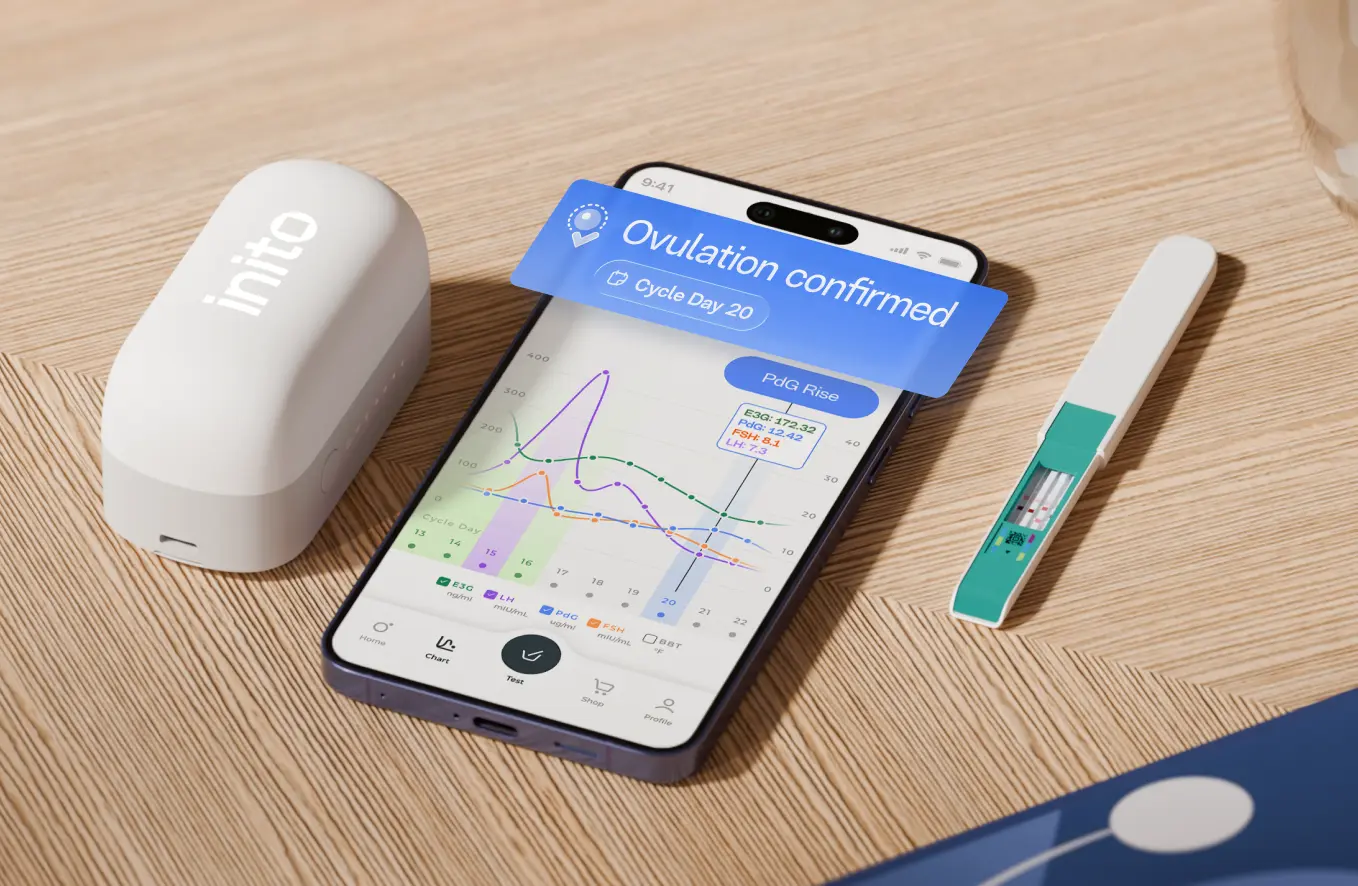
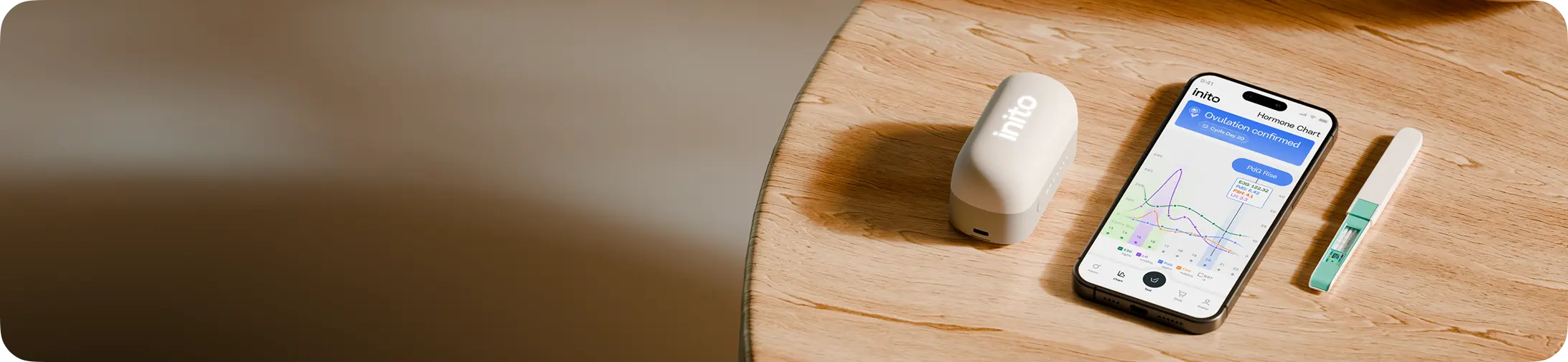
Many ovulation tests look for an LH surge, which suggest that ovulation may be approaching. But that alone does not confirm that ovulation actually happened. That is why PdG matters. Inito tracks PdG after the LH surge to help identify the hormone pattern linked to ovulation confirmation.
What Our Published Research Found
A published study in Nature’s Scientific Reports Journal evaluated Inito in two groups: 100 women in a validation study and 52 women testing at home. Women in the study were between 21 and 45 years old, had cycle lengths between 21 and 42 days, and had cycles that did not vary by more than ± 3 days from one cycle to the next. In the validation study, participants provided daily first-morning urine samples across one cycle. Researchers used those samples to study how PdG changed after the LH peak and whether that pattern could help confirm ovulation earlier.
They found that a 2.75× rise in urinary PdG within 3 days after the LH peak differentiated ovulatory from anovulatory cycles. In the clinical dataset, this PdG-based method showed 100% specificity. When the same method was applied in a home-use setting, it differentiated 38 ovulatory cycles from 14 anovulatory cycles with 92.2% precision.
The authors concluded that the Inito Fertility Monitor can be used to measure urinary E3G, PdG, and LH, provide fertility scores, and confirm ovulation.
Why PdG matters
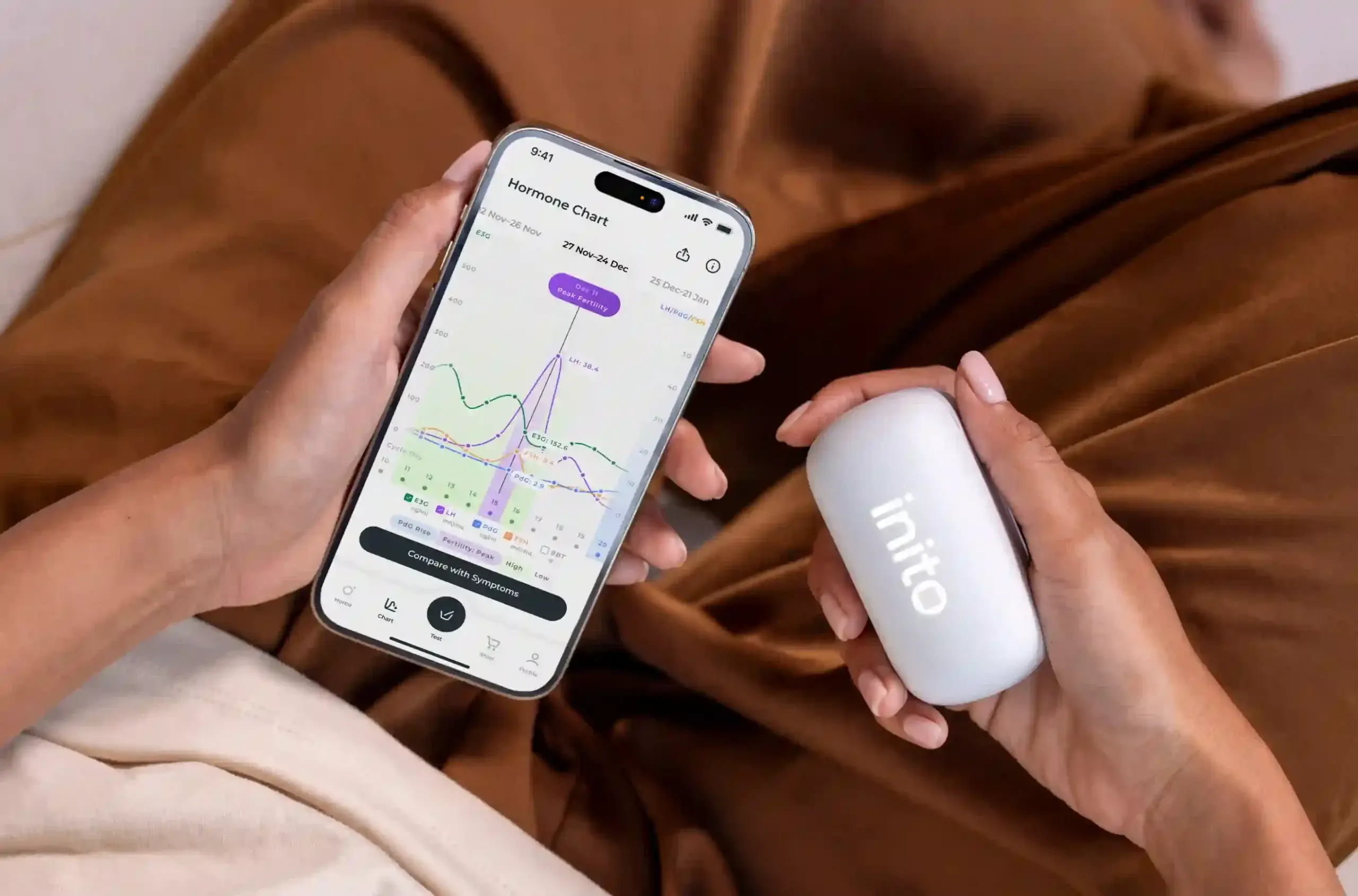
LH is useful because it helps show when ovulation may be approaching. But PdG matters because it reflects the progesterone rise that follows ovulation, which is why it is used as a confirmation signal. The Scientific Reports paper notes that traditional confirmation methods often require waiting about 7 days after the LH peak. The PdG pattern proposed in the study was designed to confirm ovulation earlier, by looking at the rise within the first 3 days after the LH peak.
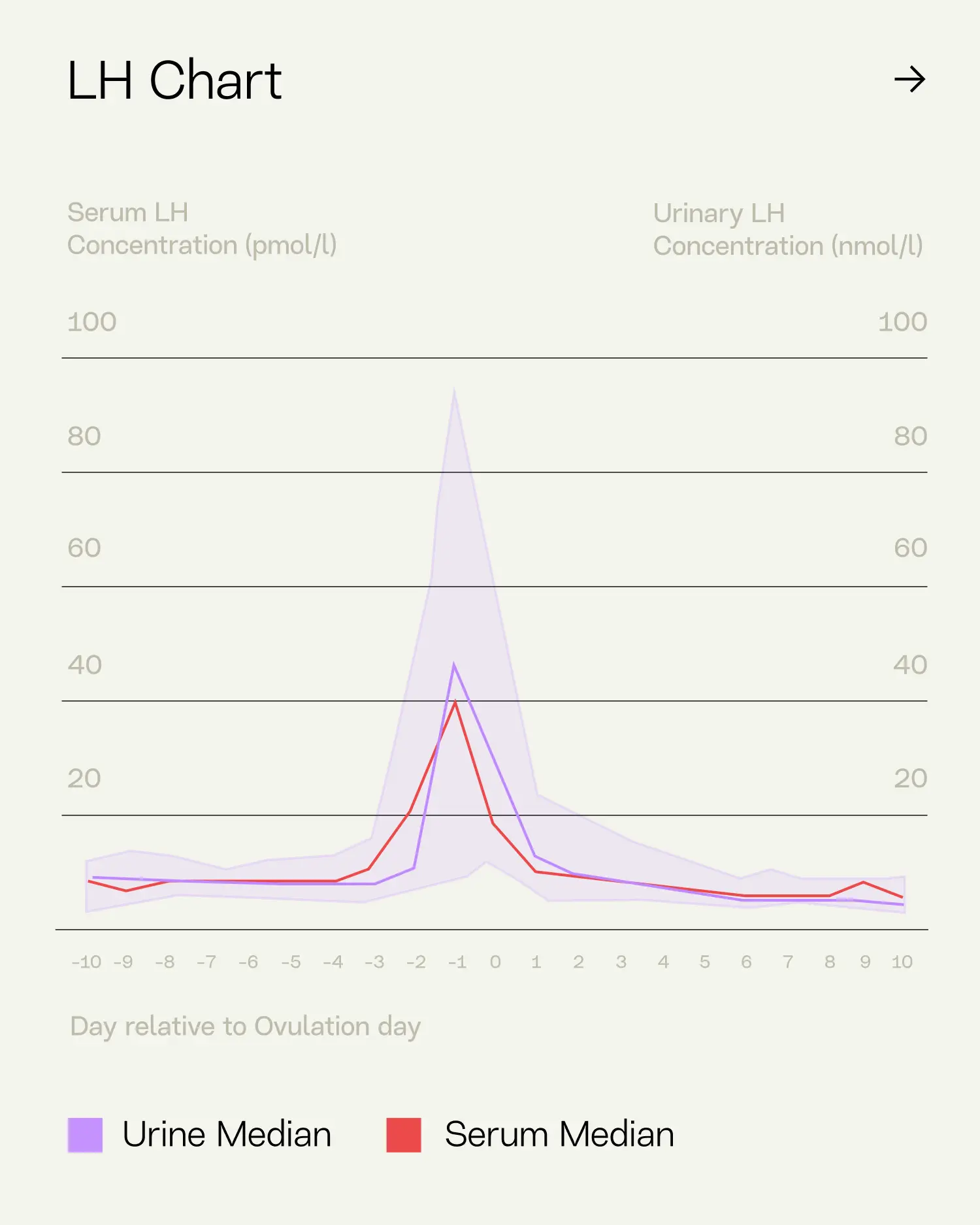
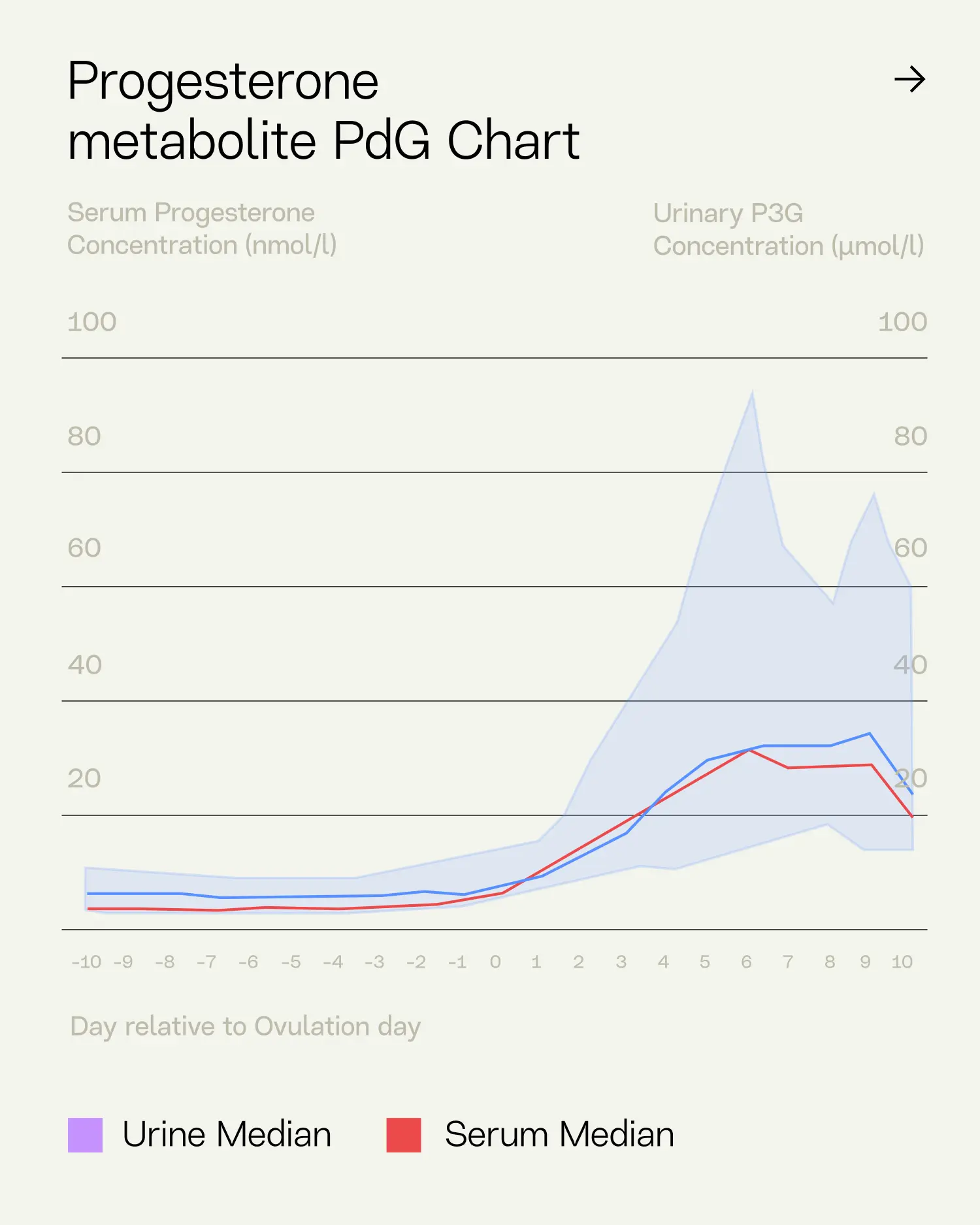
That is an important shift. Instead of relying only on a prediction before ovulation, hormone tracking can also look at what happens after the LH peak and help confirm whether ovulation actually occurred.
Ready to start your fertility journey?
Get Inito Fertility MonitorHow Inito’s urine trends compare with serum
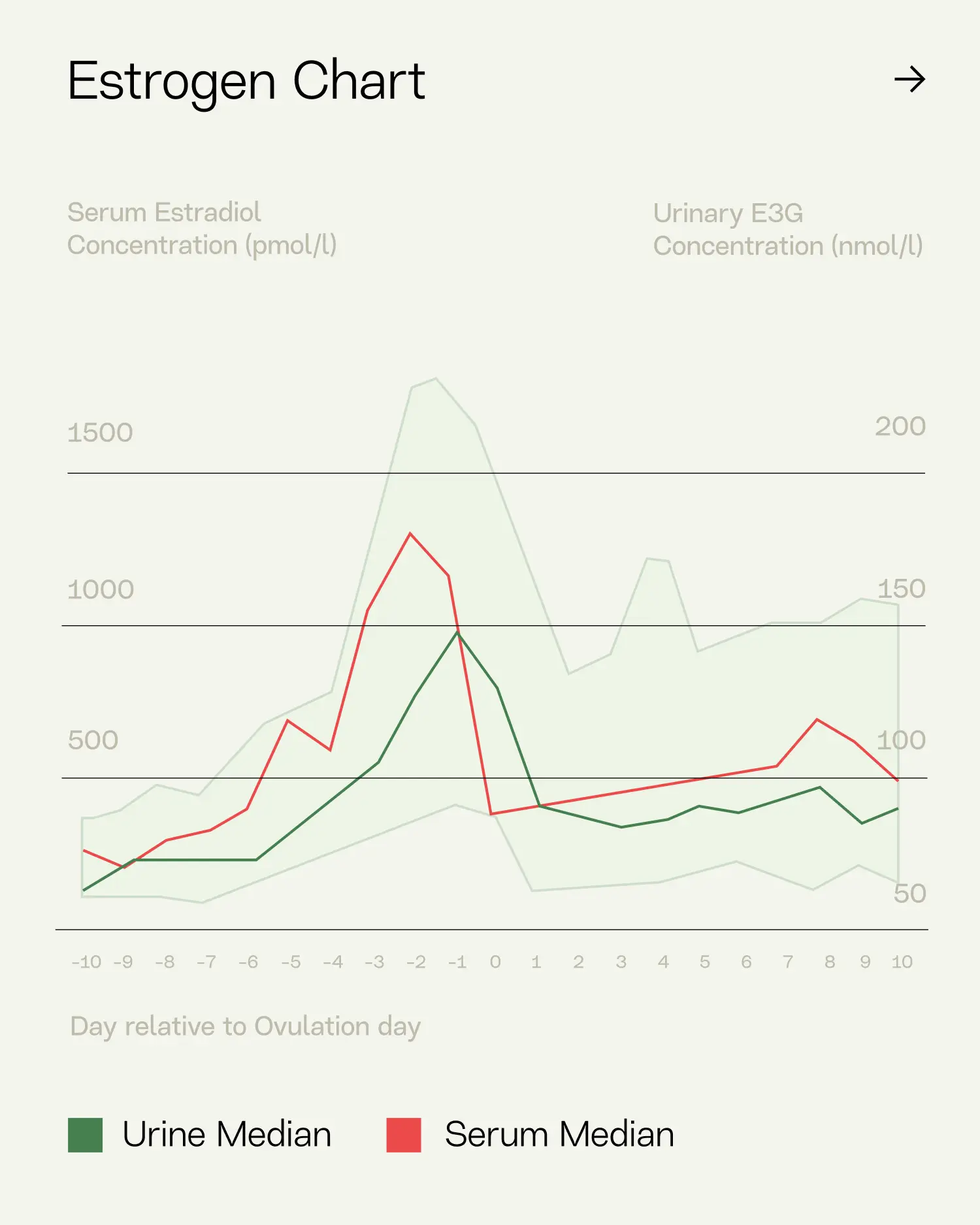
A second published study in Oxford Academic’s Human Reproduction Open helps explain why this matters biologically. The study used 73 data points from 20 participants across different phases of the menstrual cycle and found that Inito’s urinary hormone measurements closely tracked the corresponding serum hormone trends with 95% accuracy1.
The same study found that in all 11 data points where serum progesterone levels confirmed ovulation, urinary PdG measured by Inito also confirmed ovulation.
That finding matters because it shows the hormone pattern Inito sees in urine aligns closely (95% accuracy1) with the serum-based pattern commonly used to understand ovulation.

See how Inito will fit into your unique fertility journey
Take 5 min free fertility assessment and get a personalised hormone report
So, does Inito confirm ovulation?
Published evidence supports: Inito confirms ovulation by tracking PdG rise after the LH peak. One study showed that this pattern differentiated ovulatory from anovulatory cycles among users testing at home. The second showed that Inito’s urinary hormone patterns closely matched the underlying serum hormone trends including the progesterone-linked pattern used for ovulation confirmation.
That is what makes this different from an LH-only ovulation test. Instead of only telling you that ovulation may be approaching, Inito is designed to help show whether ovulation actually happened.
Disclaimer 1 - Accuracy may be reduced in irregular cycles, anovulatory cycles, or when hormone levels are affected by medical conditions, medications, or inconsistent testing. “95% accuracy to corresponding blood hormone trends” refers to published findings showing that Inito’s urinary hormone measurements closely matched the direction and pattern of corresponding serum hormone changes over time. It does not mean urine values are identical to blood values or that absolute urine and blood hormone numbers will match exactly.
Urinary measurements predicted serum values with 95% accuracy within a ±10% margin of error.
What this means for you
If you are trying to understand your cycle, the difference between prediction and confirmation matters.
An LH rise can tell you that ovulation may be near. A PdG rise after that LH surge can help tell you whether ovulation actually happened. By measuring FSH, LH, E3G, and PdG together, Inito gives a fuller view of your cycle, not just a single moment in it.
That can mean more confidence in what your body did this cycle, more clarity when looking at hormone trends over time, and better information to bring into conversations with your doctor. This is also why the serum-correlation study matters: it supports that the hormone trends seen in urine are meaningfully aligned with the hormone trends seen in blood.
Reach your fertility goals with full confidence
FAQs
Contributor

Team Inito
Health Researchers and Writers
Was this article helpful?
Share it on

Get a free guide Luteinizing Hormone (LH) by Inito