Is Inito Better Than Other Fertility Trackers?
Published on Apr 30, 2026


Summary
Most fertility monitors predict when ovulation might happen, based on cycle history, national averages, or a single hormone signal. Inito measures the hormones that drive ovulation and confirms whether it actually happened.
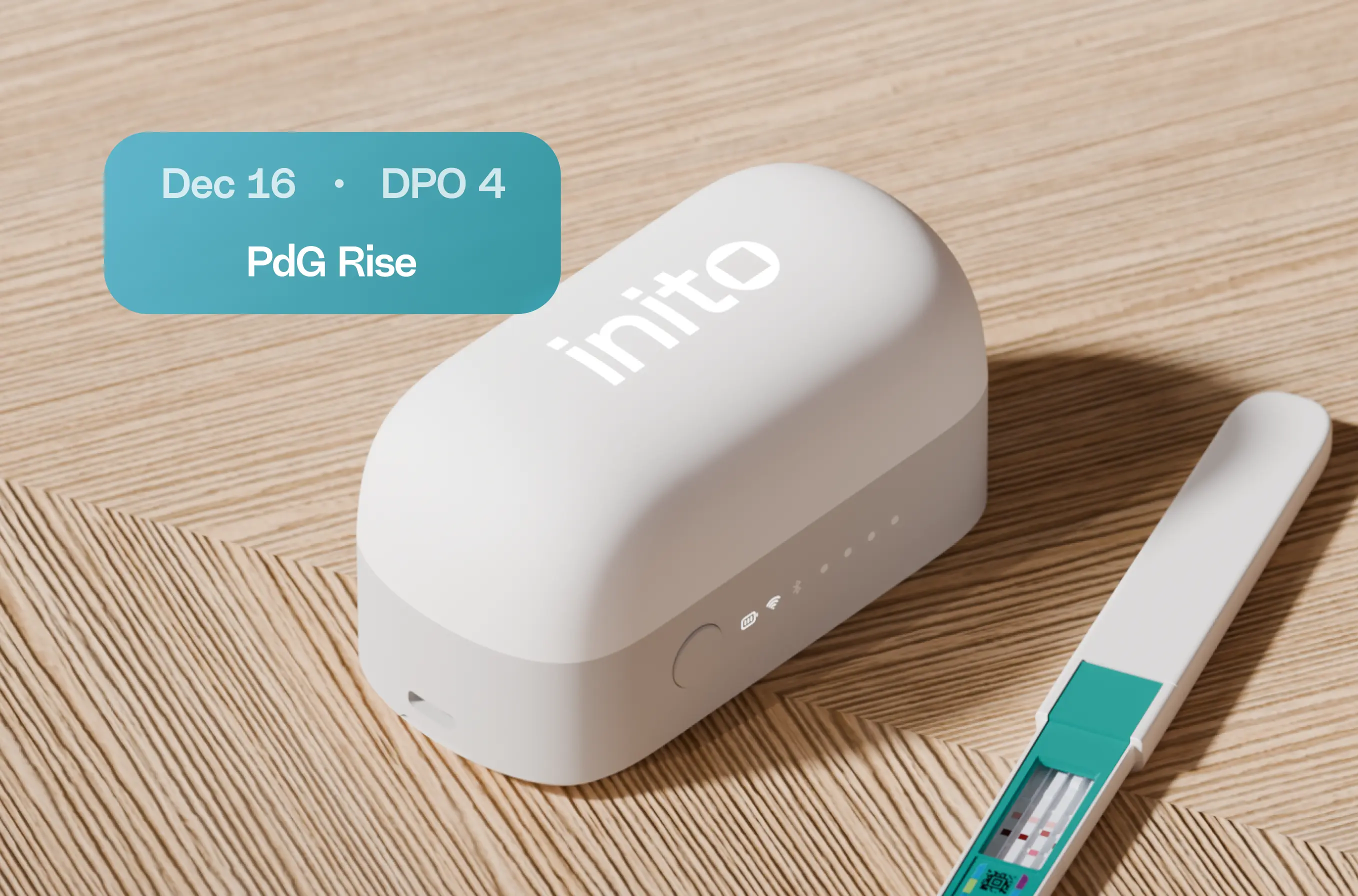
The Inito Fertility Monitor tracks the four key hormones that actually drive ovulation: E3G (estrogen), LH (luteinizing hormone), PdG (urine metabolite of progesterone), and FSH (follicle-stimulating hormone).
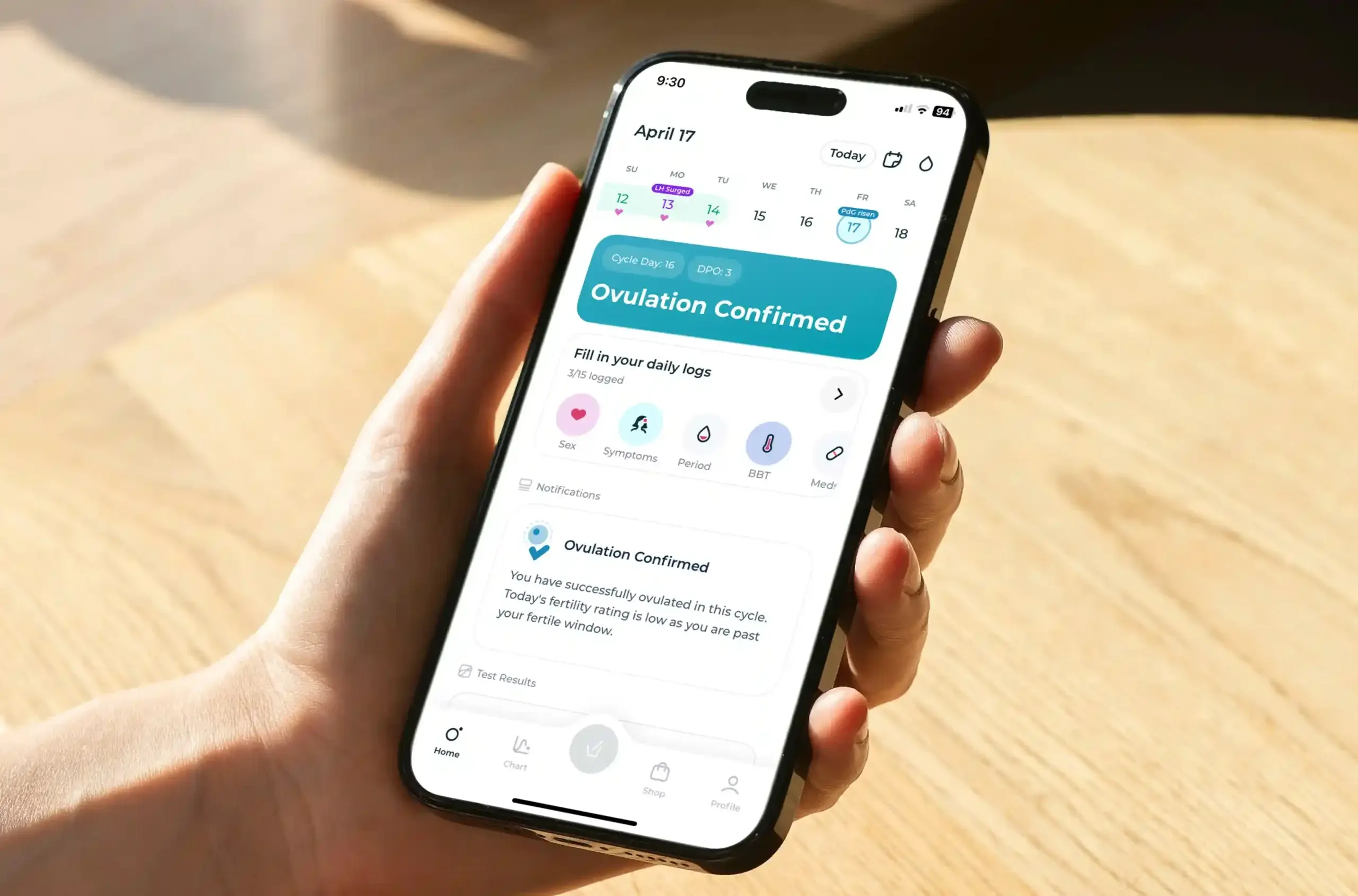
Unlike standard OPKs or period apps, Inito confirms ovulation occurred through a sustained PdG rise. Published studies in Nature’s Scientific Reports Journal show that this is done with more than 99% specificity.
For anyone actively trying to conceive, that difference between prediction and confirmation is the difference between uncertainty and clarity.
What Most Fertility Trackers Are Built to Do
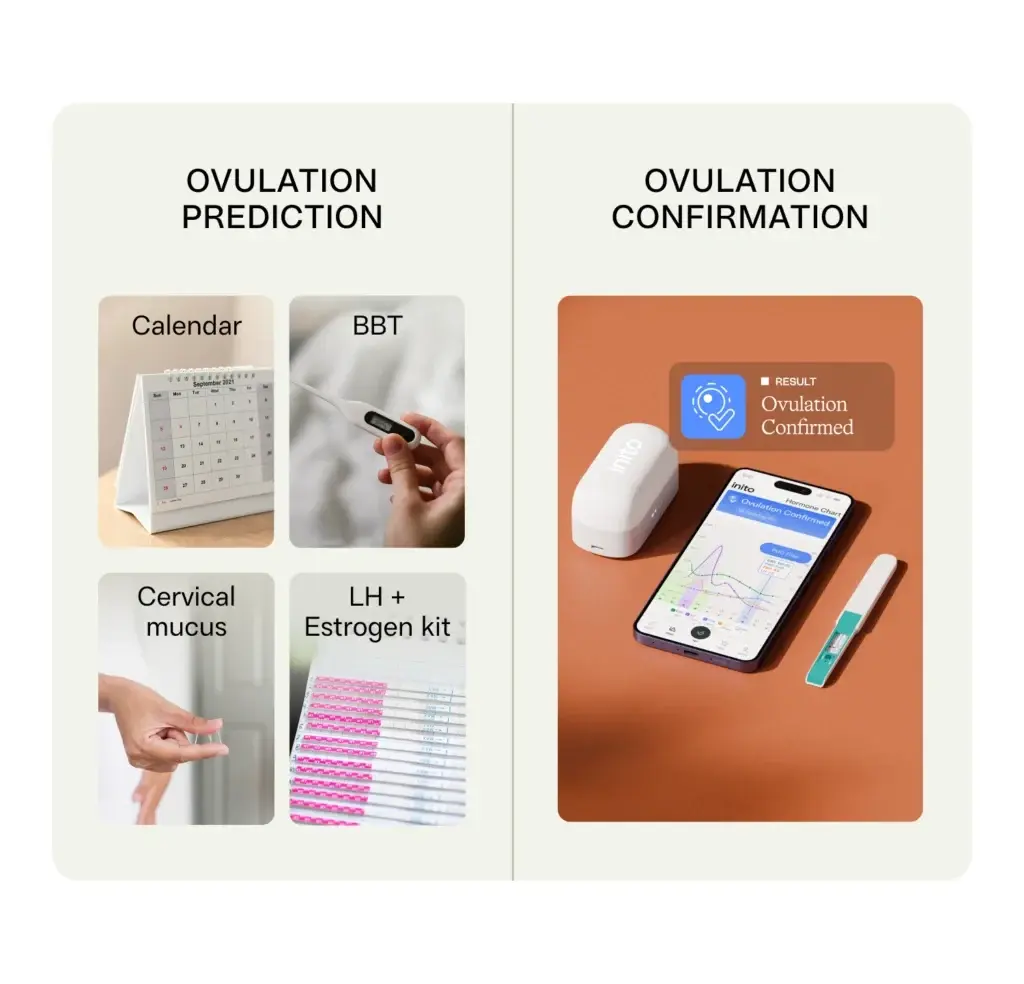
The term “fertility tracker” covers a wide range of tools, from calendar methods to wearables to digital OPK monitors. Most are built to predict ovulation, not confirm it.
These predict when ovulation is likely to happen. The prediction methods vary from cycle history, detecting sustained temperature rises relative to your personal baseline, population averages, or a single hormone signal.
Calendar Methods
Calendar apps estimate your fertile window using your past cycle lengths and statistical models of when ovulation typically occurs relative to your period.
They can be helpful for building cycle awareness and predicting your period, but the fertile window they show is a statistical estimate and not a measurement of what is happening in your body this cycle.
They reflect probability, not your current biology.
Know more: How Accurate Are Ovulation Calculators?
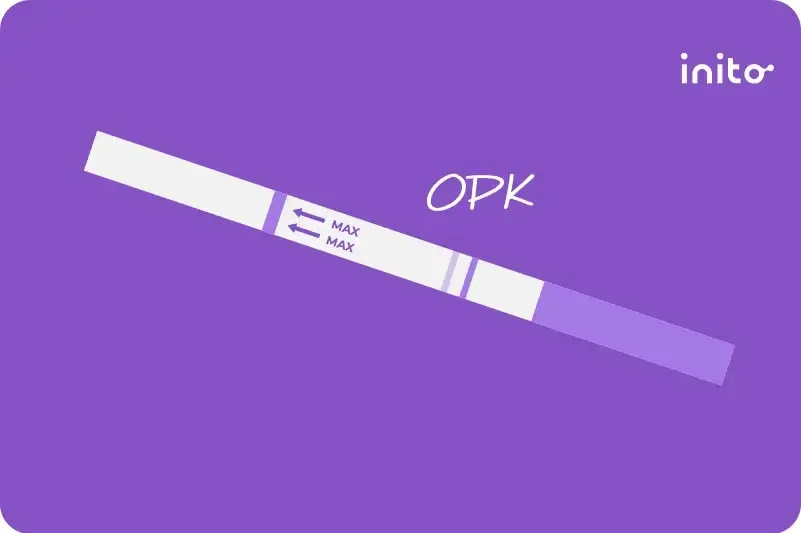
OPKs (Ovulation Predictor Kits)
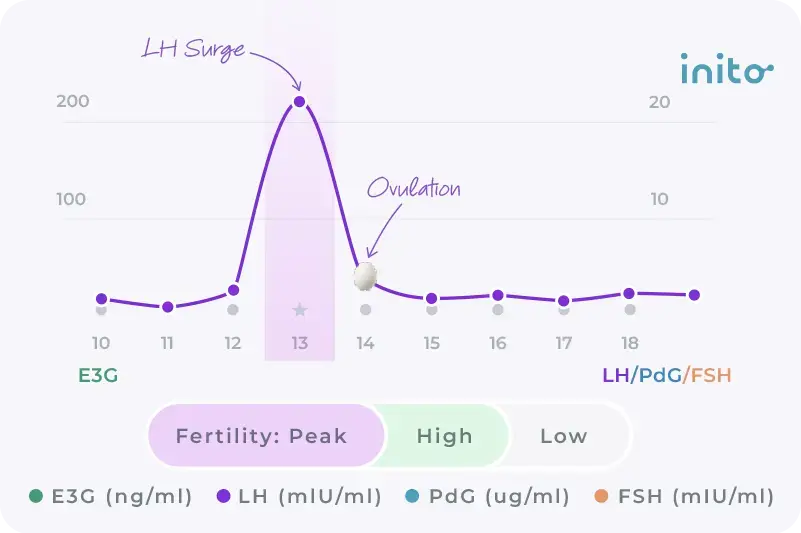
OPKs detect an LH surge in urine, signaling that ovulation may be approaching within 24–36 hours. But LH alone cannot confirm ovulation. A surge can happen without egg release.
They are a meaningful step up from calendar-only tracking because they respond to a biological signal. However, LH is only one hormone, and LH patterns vary widely between individuals and cycles.
A positive OPK tells you your body is attempting to ovulate, not that ovulation actually happened.
Know more: How Accurate Are Ovulation Tests?
Wearables (BBT-Based Trackers)
Devices that track basal body temperature (BBT) detect a small rise in temperature that occurs after ovulation.
This means the signal arrives after the fertile window has already closed. It can confirm a cycle retrospectively, but it cannot help with timing intercourse.
BBT is also sensitive to sleep quality, illness, alcohol, and room temperature, which means it’s best used alongside other tracking methods rather than on its own.
Know more: Basal Body Temperature for Fertility Tracking: Reliable or Not?
Single-Hormone Digital Monitors
Devices like digital OPKs show LH as peak/high/low indicators, rather than quantitative hormone values.
While this improves on basic OPK strips, they still do not measure all four key fertility hormones or confirm ovulation through a sustained progesterone rise.
What These Tools Have in Common
- They are prediction-based, estimating when ovulation might occur
- They rely on single signals or cycle averages, not the full hormonal picture
Ready to start your fertility journey?
Get Inito Fertility MonitorWhere the Limitations Show Up for Users
- A positive OPK does not guarantee that ovulation occurred
- Cycle predictions often break down for irregular cycles, PCOS, post-pill cycles, or cycle variability
- Multiple LH surges (seen in ~25.5% of Inito users, as per internal data) can create confusion
- Wearables detect BBT 1 - 2 days after ovulation, often too late to act
- Without PdG confirmation, each cycle ends with the same question: did ovulation actually happen at the right time?
How Precise Hormone Data Changes the Quality of Insights
There is a clear difference between predicting ovulation based on averages and measuring the hormones that drive ovulation directly.
Precise hormone data doesn’t just give you more numbers. It changes what you can understand and act on at every stage of the cycle.
What Changes When You Have Actual Hormone Values
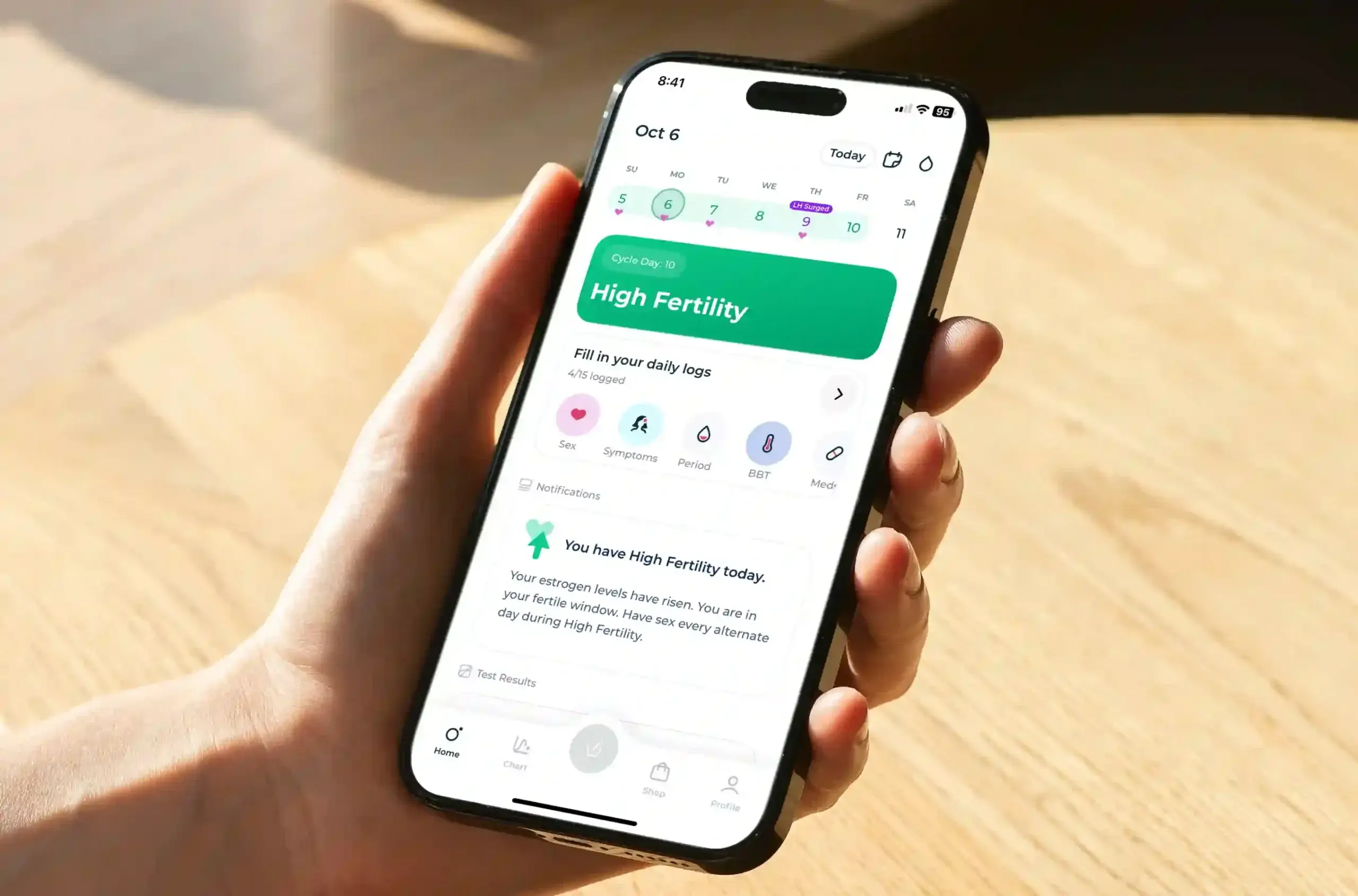
E3G (Estrogen): Shows when the fertile window actually opens — not when an algorithm predicts it should based on last month. E3G typically rises 3–4 days before ovulation, giving early visibility into the fertile window.
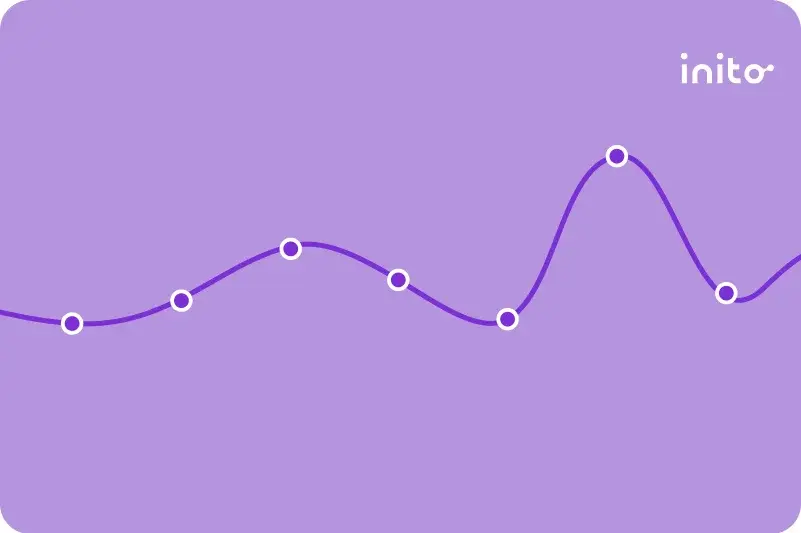
LH (Luteinizing Hormone): Reveals the pattern of the surge — whether it’s sharp, gradual, or occurs multiple times. LH patterns can vary widely across cycles, which is why a single threshold often misses important context. Fixed-threshold OPKs often misread these surges. Inito tracks your personal LH pattern instead of comparing it to a population cutoff.
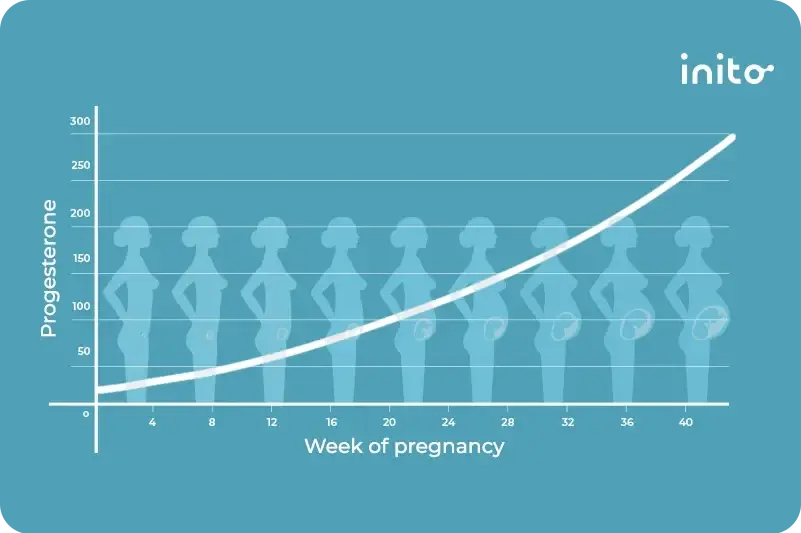
PdG (Urine Metabolite of Progesterone): PdG rises after ovulation and confirms the egg was actually released. A sustained PdG rise across several days following the LH surge confirms ovulation.
FSH (Follicle Stimulating Hormone): FSH adds context on follicle development which can be useful when discussing your cycle with a doctor.
How Inito Captures Hormone Data
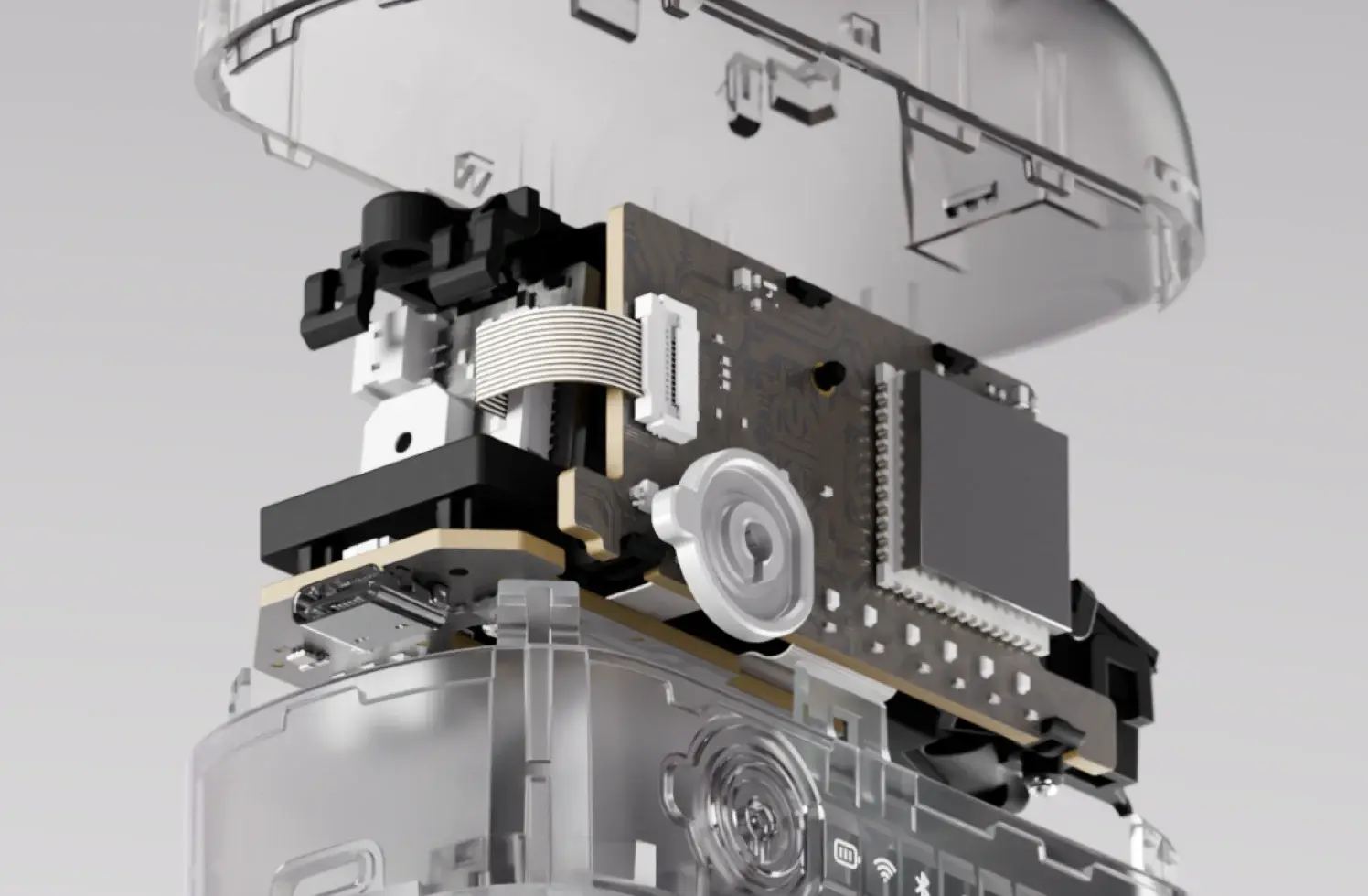
Inito uses patented Spectral Mapping technology to measure hormone values precisely at home. This precision in measurement is made possible by:
1. Independent hormone measurement
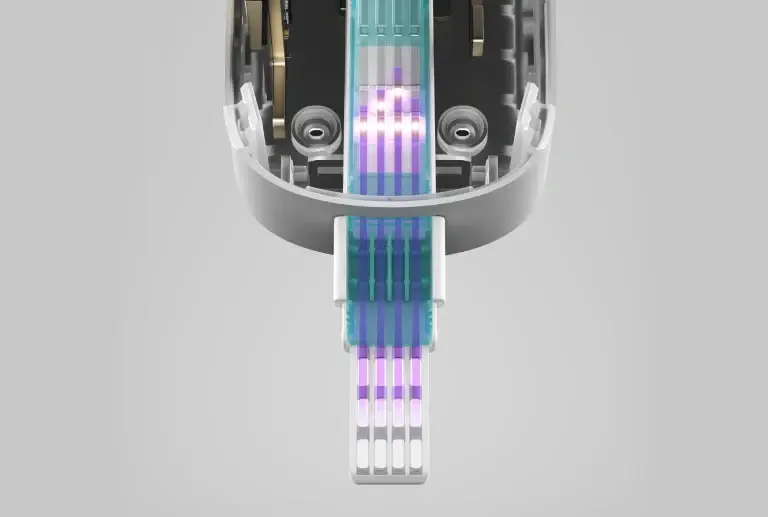
Hormones are measured separately on a single test strip, preventing cross-reactivity and cross-signal interference, so you can see multiple hormone shifts clearly and track your pattern with clean, readable data.
2. Dual-signal verification
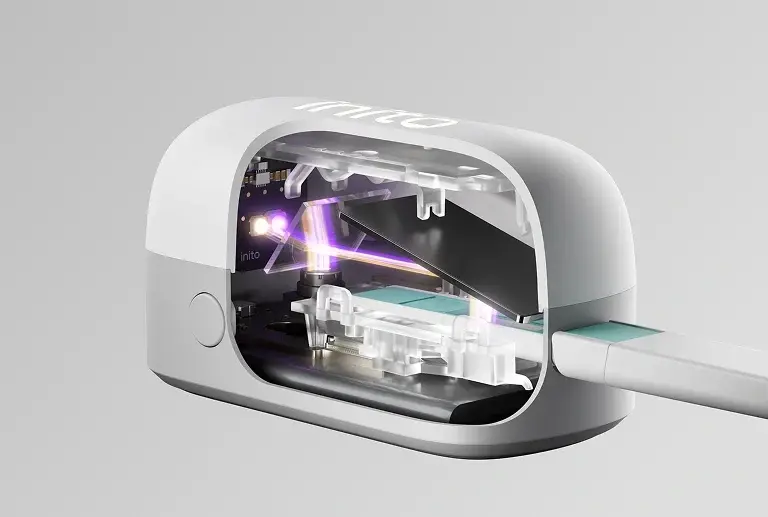
Every test is confirmed using two sensing methods: fluorescence technology and visual colorimetric imaging, so it can capture faint hormone changes in your cycle, pinpoint the full six-day fertile window, and never leave you guessing.
3. Full-strip data capture
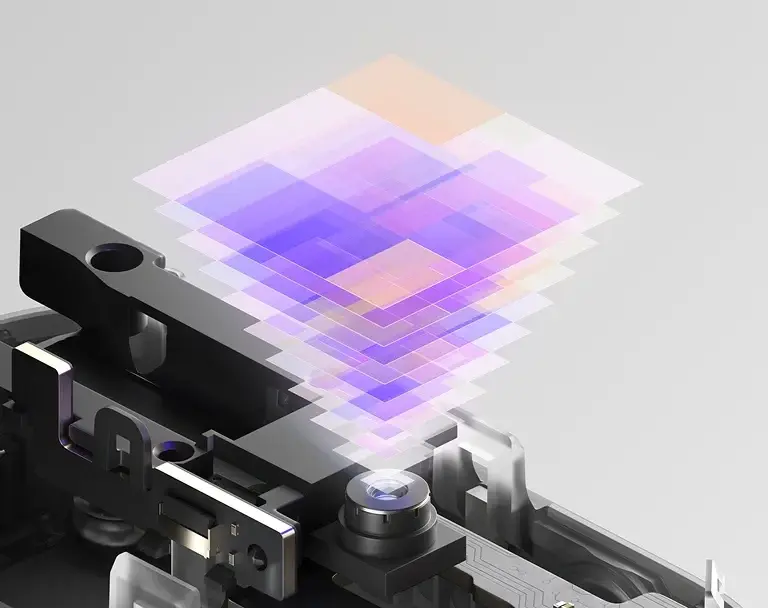
Rather than reading a narrow line, Inito captures and analyzes the entire surface of the strip to collect a 100x richer signal.
Why Pattern Matters More Than a Single Reading
Fertility isn’t a one-day event. It’s a sequence that unfolds over several days through a series of hormone changes.
Many trackers compress this complex process into a symbol or a predicted day. Inito shows your actual hormone patterns, and how E3G rises, when LH surges, and whether PdG rises afterward.
This turns raw data into cycle understanding.
Cycle patterns vary more than most trackers account for, which is why looking at hormone trends over time is more useful than relying on a single reading.
Inito’s AI has been trained on 40MN+ hormone data points, interpreting your hormone changes relative to your own baseline, not just population averages.
What Confirmation Adds
Most fertility trackers stop at prediction. Inito goes one step further by confirming whether ovulation actually happened.
This means each cycle ends with a clear answer — not a guess — helping you decide what to do next.
How a Fertility Monitor Can Aid Your TTC Journey
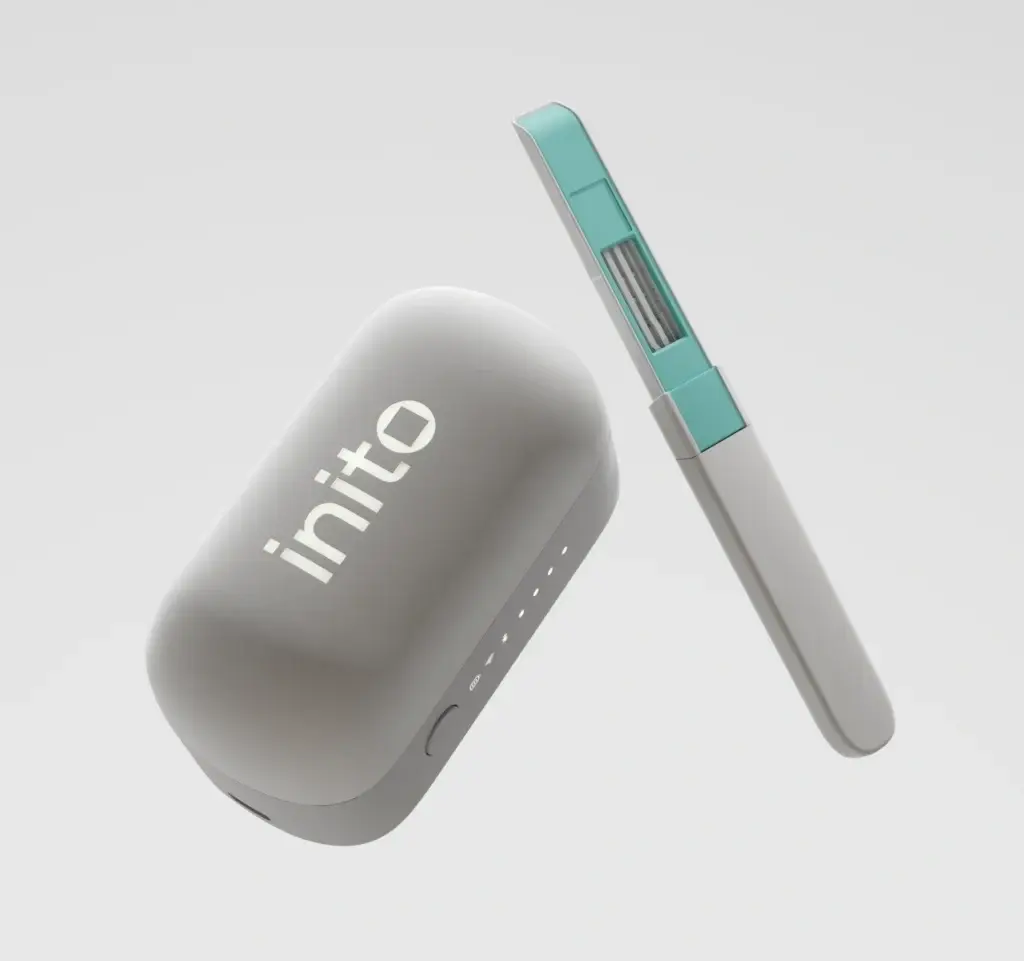
Trying to conceive isn’t just about identifying a window. It’s about knowing whether your approach is working.
The Gap Prediction-Only Tracking Leaves
- A fertile window estimate only
- A positive OPK, but no confirmation of ovulation
- Each cycle ends with uncertainty rather than insight
- Repeated cycles with no answers
What Changes With Hormone-Level Tracking
- Your fertile window opens when E3G rises, not when cycle averages suggest it should
- You can time intercourse across the full 6-day fertile window, not just 1–2 predicted days
- You know whether ovulation actually happened
- You have hormone data to discuss with a healthcare provider
For users with irregular cycles, PCOS, post-pill recovery, or post-miscarriage cycles, this visibility is especially meaningful.
Want to understand how fertility monitors actually support your TTC journey in detail? → Read our complete guide on how a fertility monitor can aid your TTC journey

See how Inito will fit into your unique fertility journey
Take 5 min free fertility assessment and get a personalised hormone report
Stories From Inito Users
"Prior to Inito, I had a hard time pinpointing my actual fertile window. Using regular OPK strips, I would get a week of high readings, leaving me confused about when my actual peak day and ovulation were occurring. Once I started using Inito, I could clearly see my high fertility days and a definite peak day before ovulation."
— Andjela Dragojevic
"Before using Inito, I was tracking my BBT and using cheap ovulation strips. It worked to an extent, but it often left me second-guessing whether I was timing things right. It helped me detect my peak fertility window — something I would've completely missed otherwise."
— Sri Lekha E
"After having two children, ages 7 and 9, I never imagined trying for my third would be so difficult. Before Inito, I had tried it all — multiple apps, LH strips, Kegg, Preseed, two different Clearblue monitors, supplements, seed cycling. Nothing worked until Inito. It helped me understand my hormones in a way nothing else could. I got my BFP in January 2025 and I'm now 13 weeks pregnant with our baby girl. I 10/10 recommend Inito to anyone TTC — it's more than a monitor; it's a game-changer."
— Nicole Hunt
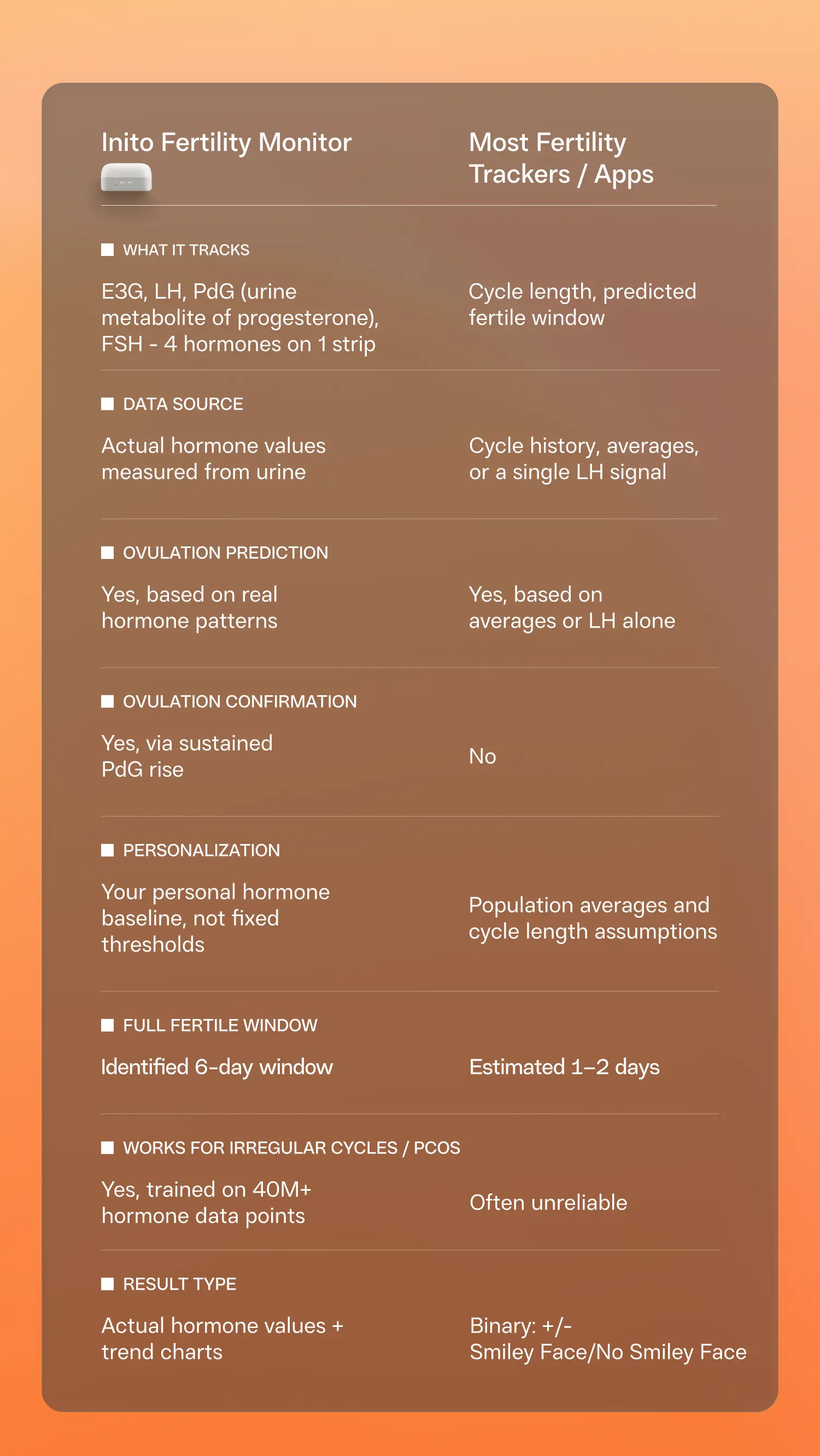
Inito vs others - at a glance
Here’s how Inito compares to other fertility trackers at a glance:
Reach your fertility goals with full confidence
FAQs
Contributor

Team Inito
Health Researchers and Writers
Was this article helpful?
Share it on

Get a free guide Luteinizing Hormone (LH) by Inito