


Content table
You may have heard about intermittent fasting (IF) for weight loss and other health benefits. But what about women and intermittent fasting, and its effects on fertility?
If you’ve got PCOS, IF may be incredibly helpful. Studies show a 9% reduction in testosterone levels and more regular periods.
However, other studies show that intermittent fasting can cause your period to be irregular or go MIA.
The reviews on IF and fertility are mixed. But one thing is for sure: it’s important to approach this type of fasting safely.
Read on to learn more about how intermittent fasting can affect your hormones. We’ll give you the details on how to practice it safely, too.
Key Takeaways
- Intermittent fasting is an eating plan that uses cycles of eating and fasting periods.
- Women must use caution with intermittent fasting. Extreme calorie restriction may suppress reproductive hormones.
- IF may be beneficial for women with PCOS.
- IF also shows health benefits in obese women, such as improved insulin sensitivity and reduced inflammation.
- Other intermittent fasting studies show it may actually suppress reproductive function in menstruating women.
- To practice intermittent fasting safely, use a moderate intermittent fasting schedule for women. The 12:12 method is a great place to start.
- Avoid extreme caloric restriction to protect your hormone health and cycles.
What Is Intermittent Fasting?
Intermittent fasting is more about when you eat rather than what you choose to eat.
It’s an eating pattern that sets specific times for eating and fasting periods.
This eating plan includes several popular methods:
- Time-restricted eating (TRE): Limits food intake to a specific daily eating window (example: 8 hours).
- Alternate day fasting (ADF): Alternating between days of normal eating and days of calorie restriction.
- The 5:2 diet: This involves two days of low-calorie intake each week.
- 16/8 fasting format: You fast for 16 hours and eat all your food intake within an eight-hour window.
Each method balances calorie restriction with flexibility. This makes the eating plan more sustainable.
How Does Intermittent Fasting Work?
Intermittent fasting works by triggering metabolic switching. This is when your body changes its primary energy source.
Normally, your body burns glucose (sugar) first. After about 12 hours of fasting, your glucose stores run out.
Your body then switches modes. It begins to burn fat for energy, producing ketones.
This is the main goal of intermittent fasting. This process promotes fat loss and preserves muscle mass.
What Are the Effects of Intermittent Fasting on Hormones and Fertility?
The female reproductive system is very sensitive to any kind of drastic changes. So, intermittent fasting must be approached carefully.
Here are the effects it can have:
1. Suppress reproductive hormones
If you are following IF and your brain senses severe calorie restriction, it conserves energy. It does this by prioritizing survival over your reproductive function.
Studies show that prolonged fasting can impair reproductive functions and affect your fertility hormones, like FSH and LH, which are crucial for ovulation.
Studies also found that fasting for too long can lead to deficiencies in nutritional requirements, which can further make things worse.
So, in general, intermittent fasting is not recommended if you’re trying to conceive (TTC).
2. Nutritional deficiency if you’re pregnant
It is not advised to do intermittent fasting during pregnancy
You need more nutrition during this time for a healthy pregnancy. And fasting carries the risk of a lack of nutrients for both the mother and the fetus.
3. Improve fertility in women with PCOS
In contrast to healthy women, intermittent fasting may improve reproductive and metabolic outcomes in women with PCOS.
It addresses core health issues, like high insulin levels and androgen production.
A recent study showed strong results in women with PCOS. They saw a 9% reduction in testosterone levels as well as a 26% reduction in the free androgen index (FAI).
Menstrual regularity also improved significantly (33-40%).
4. Improve metabolic markers in obese pre-menopausal women
Studies show that IF can improve metabolic markers in pre-menopausal women with obesity.
- Hormonal changes: IF decreases androgen markers while increasing sex hormone-binding globulin (SHBG) levels. This effect is more likely to happen when all food consumption happens before 4 pm.
- Neutral findings: In contrast, fasting did not have any effect on estrogen, gonadotropins, or prolactin levels in obese women.
- Fertility implications: These hormonal changes could have mixed effects on fertility. For example, reducing androgen levels might benefit women with PCOS. That’s because it can improve menstruation and fertility.
5. Mixed reviews for male fertility
Intermittent fasting appears to have a major impact on male reproductive hormones.
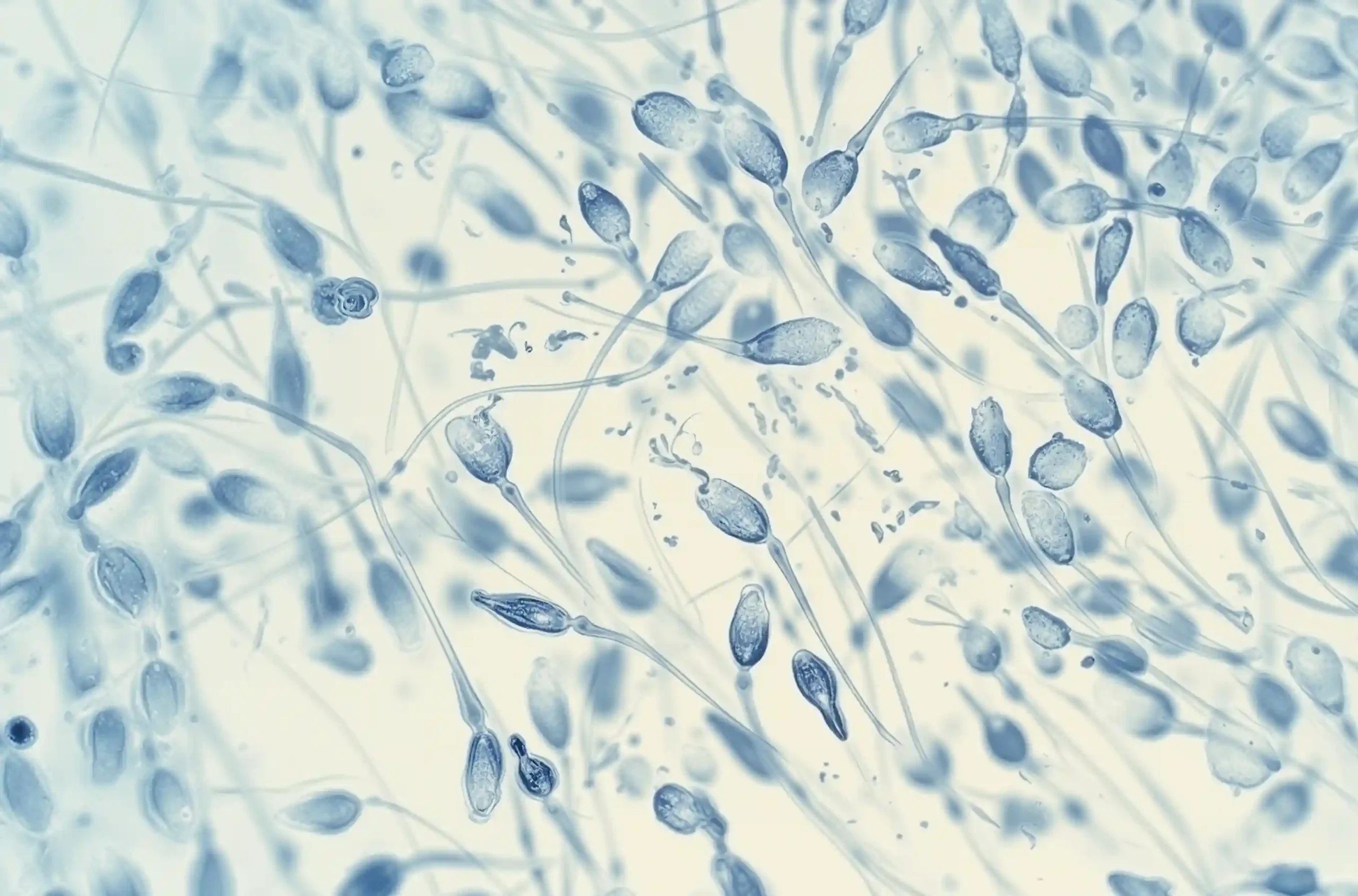
- Positive findings: Some studies show improvement in sperm parameters. These include increased sperm motility, viability, and concentration.
- Negative findings: Other studies in obese men saw lower testosterone levels along with changes in LH and FSH.
These mixed reviews are evidence that intermittent fasting for men should be done cautiously. Nutritional adequacies and hormone balance need to be considered.
What Are the Best IF Schedules for Women?
The most common IF methods studied are time-restricted eating (TRE) and modified alternate-day fasting (ADF) or 5:2 diets.
To practice intermittent fasting safely, moderation is key. Women may need a more gradual approach than men. This is to avoid potential side effects like:
- Headaches
- Mood swings
- Disruptions to your menstrual cycle
Time-restricted eating (TRE)
- 14/10 method: Adhere to fasting for 14 hours and eat within a 10-hour window. This is considered a gentle starting point for women. You can even try 12/12 at first if that works better for your body.
- 16/8 method: Adhere to fasting for 16 hours and eat within an 8-hour window.
Modified alternate-day fasting (ADF) and the 5:2 diet
- Modified alternate-day fasting: Fast every other day, but eat about 20-25% of your normal caloric intake on the fasting day.
On non-fasting days, women eat a normal, healthy diet. - 5:2 diet: Eat a regular diet for 5 days of the week, and on two non-consecutive days, restrict calorie intake to 500-800 calories.
Do I Need To Consult a Doctor for Intermittent Fasting?
It’s best to consult a doctor before starting an IF plan if you are:
- Pregnant
- Breastfeeding
- Have a history of eating disorders
- Have diabetes
- Have other medical conditions
Additionally, if you are following IF but start experiencing:
- Irregular periods
- Hair loss
- Significant stress
- Sleep problems
It’s a good sign that this may not be suitable for you.
In short: listen to your body as you start intermittent fasting. It will give you signals if it’s unhappy with this way of eating.
In Conclusion
Intermittent fasting can be a promising strategy if applied correctly and in the right circumstances.
IF can benefit women with PCOS by lowering androgen levels. It can also improve menstrual regularity for these women.
However, caution is warranted in women due to the sensitivity of the reproductive hormones and energy restriction.
Avoid intermittent fasting if you’re TTC or pregnant, breastfeeding, or TTC.
It’s important to consider tailored IF schedules and professional guidance to optimize your health benefits and minimize risks.

FAQs
Most women should aim for a moderate intermittent fasting schedule. That looks like between 12 and 14 hours of fasting.
Fasting longer than 16 hours may cause issues with reproductive hormones.
The effects of IF on female hormones are complex.
For obese women with insulin resistance, IF can have positive effects by lowering insulin levels.
However, if too severe, the body might suppress LH. This can lead to missed periods and disrupt the menstrual cycle.
You should not do intermittent fasting if you are pregnant, breastfeeding, or trying to conceive.
You should also avoid IF if you have a history of eating disorders, are underweight, or if you notice negative side effects like missed periods, severe mood swings, or extreme fatigue.
The golden rule is that you must maintain high nutritional quality during your eating window.
IF is not an excuse to eat poorly!
For women who are on intermittent fasting, this rule is key to avoiding nutritional deficiencies.
Many doctors are cautious about fasting because of the risk of people taking it to extremes.
This can lead to eating habit disorders and adverse effects on women’s health.
The “dark side” involves the risks associated with pushing the practice too far.
This includes: missed periods, loss of menstrual cycle, increased stress and mood swings, potential for disordered eating, and nutritional deficiencies.
This rule is related to resistance training. It advises consuming 30 grams of protein, 30 grams of fat, with 30 grams of fiber during a meal to get better body composition.
Yes, there are dangers if not done properly.
Dangers include: missed periods and hormonal disruption, increased anxiety, and a risk of developing disordered eating habits.
People commonly quit IF because they feel hungry too often. They might also experience negative side effects like headaches or mood swings.
Do not intermittent fast if you are pregnant, breastfeeding, or TTC. Also, steer clear if you’re underweight or have a history of eating disorders.
Yes, it can shorten or weaken the luteal phase.
This phase is the time after ovulation when progesterone levels should be high. If severe fasting or calorie restriction causes stress, the brain can suppress the hormones needed for a strong luteal phase.
And this can disrupt the entire menstrual cycle and affect your ability to conceive.
Yes, for women with PCOS, IF can help with more than weight loss.
It has been shown to improve insulin sensitivity, which is a core issue in PCOS.
It also helps to lower androgen markers (male hormones), which can reduce symptoms like excess hair growth and acne. It can also improve menstrual cycle regularity.
This is one of the most promising health benefits of IF!