
Content table
Can you get pregnant on birth control?
If you’re trying to understand fertility, this is an important question.
Here’s the truth: Yes, you can get pregnant on birth control (BC).
No birth control method works 100% of the time. And understanding why can help you make better choices about your health. This is true whether you’re using birth control now or planning to stop it soon.
A study shows that almost half of surprise pregnancies happen to women who were using birth control that month. Another study found that 4-7% of women using birth control pills get pregnant each year, which helps answer the question: What are the chances of getting pregnant on birth control?
Let’s take a deeper look.
Key Takeaways
- You can get pregnant while on birth control. No BC works 100% of the time.
- Birth control fails most often when you forget pills, use it wrong, or take medications that interfere with its efficacy.
- Birth control pills work by stopping your body from releasing an egg, making cervical mucus thicker, and thinning your uterine lining.
- Highly effective birth control methods include IUDs and implants. They work over 99% of the time.
- Most women can get pregnant within 3-12 months after stopping their birth control method.
What Is Birth Control? How Does It Work?
Birth control (also called contraception) is any method that helps prevent pregnancy. Different types of birth control include:
- Hormonal methods: Pills, vaginal ring, patch, implant (goes in your upper arm), and hormonal IUDS.
- Barrier methods: Condoms, diaphragm, and spermicides
- Non-hormonal IUDs: Copper IUD
- Natural methods: Tracking your cycle, rhythm method, withdrawal
- Emergency contraception: Plan B and other emergency pills
- Permanent methods: Getting your tubes tied, vasectomy
Can You Get Pregnant on Birth Control?
Yes, you can get pregnant while on BC. Research shows that 1 in 2 pregnancies in the U.S. is unplanned. And 1 in 3 pregnancies in the U.K. and France are unplanned.
Most of these happen because BC failed, was used incorrectly, or didn’t use any pregnancy prevention method at all.
Let’s look at how this happens with different methods.
Birth control pills
Birth control pills come in two types:
- Combined contraceptive pills (combination pill): Has both estrogen and progestin
- Progestin-only pills (the mini pill): Has only progestin
Both work by stopping your body from releasing an egg and making your cervical mucus thicker. But you have to take the pill every single day.
Here’s where the problems happen.
Missing pills is the biggest reason the pill fails. Missing birth control pills right before or after your week of placebo pills (the inactive pills) is extra risky.
Why?
Because during that placebo week, you’re not getting any hormones. So, if you miss pills around this time, your ovaries might release an egg.
This is also when women may start noticing getting pregnant on birth control pills symptoms, especially if ovulation occurred after missed doses.
Another situation to be aware of is chances of getting pregnant when switching birth control pills. If you delay starting a new pack, overlap incorrectly, or switch without backup contraception during the transition window, your protection may temporarily decrease.
You might also wonder: what happens if you take birth control while pregnant? Research shows that accidentally continuing birth control pills in early pregnancy does not usually cause birth defects.However, once pregnancy is confirmed, you should stop taking them and reach out to your healthcare provider.
Copper IUD
Copper IUDs work by creating an unfavorable environment for the sperm. But they can fail if:
- They fall out: Either all the way or partway
- They are not in the right spot: The device isn’t where it should be
- There’s insertion-related issues right after putting them in
Here’s something to know: The copper IUD doesn’t stop you from releasing an egg. Your cycle keeps going normally. So if the IUD fails or moves, you can get pregnant.
Other hormonal birth control
- Vaginal ring: Can fail if it falls out, stays out too long, or you forget to change it
- Patch: Can fail if it falls off or if you don’t change it at regular intervals
- Implant: Works really well, but can fail if it’s not put in right or you’re taking certain medicines that interfere with its efficacy
- Shot (Depo-Provera): Can fail if you don’t get your shot on time (you need one every 12-13 weeks)
What Are the Chances of Getting Pregnant on Birth Control?
Doctors measure how well a birth control method works by using something called the Pearl Index. It tells us how many women out of 100 will get pregnant in one year using that method.
Here’s how the different methods compare:
Birth Control Method | Perfect Use | Typical Use |
Implant | Over 99% | Over 99% |
IUD (hormonal or copper) | Over 99% | Over 99% |
Sterilization (tubes tied, vasectomy) | Over 99% | Over 99% |
Shot (Depo-Provera) | 99% | 94% |
Vaginal ring | 99% | 91% |
Birth control pills (combination pills) | 99% | 91% |
Birth control pills (progestin-only pills/mini pill) | 99% | 91% |
Patch | 99% | 91% |
Diaphragm | 94% | 88% |
Condoms | 98% | 85% |
Tracking your cycle | 95-99% | 76-88% |
Withdrawal | 96% | 78% |
Spermicides | 82% | 72% |
For those wondering about chances of getting pregnant with condom, condoms are 98% effective with perfect use — but about 85% effective with typical use due to breakage, slippage, or inconsistent use.
Notice the difference between “perfect use” and “typical use.” Most pregnancies happen in that gap.
Can You Ovulate While on Birth Control?
Whether you ovulate on BC depends on which kind you’re using.
Methods that usually STOP ovulation:
- Combined pill (has estrogen and progestin)
- Patch
- Vaginal ring
- Implant
- The shot
Methods that MIGHT let you ovulate SOMETIMES:
- Progestin-only pills (mini pill) — you might ovulate some months
- Some hormonal IUDS — ovulation might happen
Methods that DON’T stop ovulation AT ALL:
- Copper IUD
- Condoms
- Diaphragm
- Spermicides
What are the signs you might be ovulating on birth control?
If you’re ovulating while on BC, you might see:
- Changes in your cervical mucus (thinner, watery, stretchy)
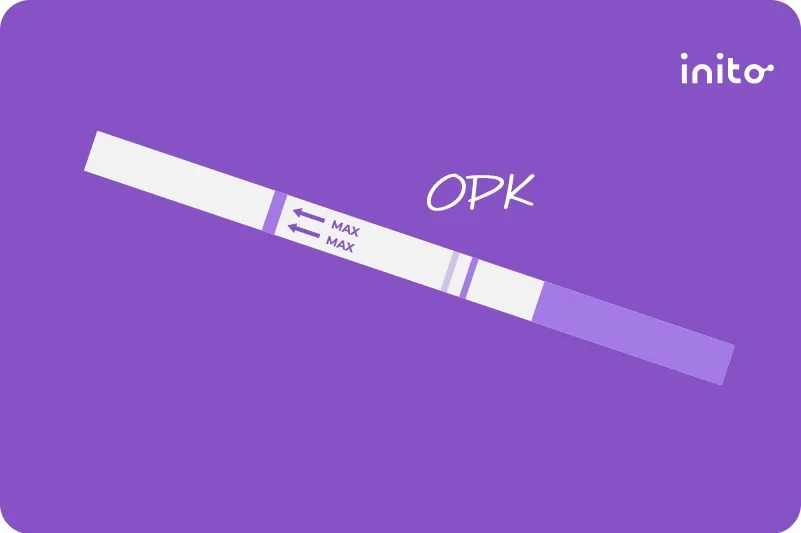
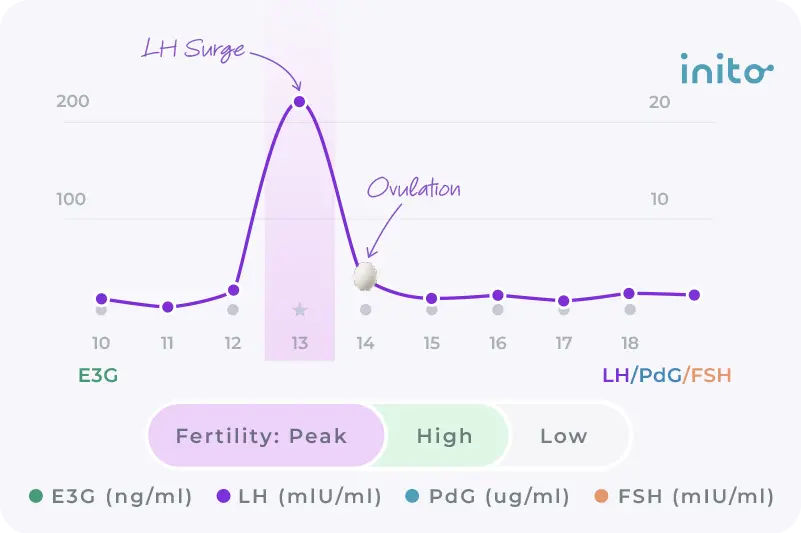
- An LH surge (if you use ovulation tests)
- Small temperature changes
Learn more: Birth Control and Ovulation: Do You Ovulate on Birth Control?
What Are the Early Signs of Pregnancy on Birth Control?
Early pregnancy symptoms can sometimes resemble birth control side effects, since both involve changes in hormone levels. Common signs of early pregnancy include:
- Missed period (but some birth control makes your periods irregular anyway)
- Sore breasts or tender breasts
- Feeling sick (especially in the morning)
- Being really tired
- More vaginal discharge
- Mood swings
- Feeling bloated
These are often confused with normal side effects, which is why getting pregnant on birth control pills symptoms can be easy to miss early on.
Know more: DPO Symptoms: Tracking Days 1 – 12 Past Ovulation
How Soon Can You Get Pregnant After Stopping Birth Control?
If you’re planning to start trying for a baby, you’re probably wondering how quickly you can get pregnant after stopping birth control.
Good news: Most women’s bodies go back to normal pretty fast.
Studies show that 83 out of 100 women got pregnant within the first year after stopping BC.
Another study found that 57% of women got pregnant within 3 months, 81% within 12 months, and 86% within 13 months after stopping the pill.
Learn more: Chances of Getting Pregnant After Stopping Birth Control
Summary
Yes, pregnancy is possible while on birth control. Most failures happen due to missed pills, incorrect use, switching methods improperly, or inconsistent timing. Understanding what are the chances of getting pregnant on birth control, the chances of getting pregnant with condom, and even the chances of getting pregnant when switching birth control pills can help you make informed decisions.
Early pregnancy symptoms may overlap with pill side effects, which is why recognizing getting pregnant on birth control pills symptoms matters. Most women regain fertility within 3–12 months after stopping birth control. Knowing how your method works empowers you to plan your pregnancy with confidence.

FAQs
Even with perfect use, about 1 out of 100 women gets pregnant each year on the pill. With typical use (real life), about 9 in 100 women get pregnant every year.
Early pregnancy signs include missed period, sore breasts, feeling sick, being tired, and more discharge. But these look just like birth control side effects. The only way to know for sure is to take a pregnancy test.
Birth control most commonly fails due to missed pills, taking pills at inconsistent times, incorrect use, or delays in starting a new pack.
Pregnancy can happen if pills were missed, taken late (especially progestin-only pills), or if another medication reduced the pill’s effectiveness. No method (except abstinence) is 100% effective, so there is always a small failure rate even with perfect use.
It depends on the method and how consistently it’s used. With typical use, birth control pills fail in about 9 out of 100 women per year. Long-acting methods like IUDs and implants fail in fewer than 1 out of 100 women per year.
Most combination birth control pills prevent ovulation. However, if pills are missed or taken incorrectly, ovulation can occur. Some progestin-only methods may suppress ovulation inconsistently, depending on the type. Ovulation happens as usual with copper IUDs, condoms, diaphragms, and spermicides.
Avoid missing doses or taking pills at irregular times. Certain medications like rifampin, some anti-seizure drugs, and herbal supplements like St. John’s Wort can reduce effectiveness. Always inform your doctor about any new medications or supplements.
Missed or late pills, vomiting within a few hours of taking a pill, severe diarrhea, drug interactions, and not starting your next pack on time can all lower protection.
If you start combination pills within the first 5 days of your period, they work right away. If started at another time, it’s recommended to use backup protection (like condoms) for the first 7 days. Progestin-only pills typically require 48 hours of backup protection.
No specific food cancels out birth control pills. However, certain medications and supplements (not regular foods) can interfere with effectiveness.
Was this article helpful?
Understanding Contraceptive Failure: An Analysis of Qualitative Narratives
Contraception Selection, Effectiveness, and Adverse Effects
An Overview of Current Contraceptive Modalities and Historical Perspectives: A Review
Why do women experience untimed pregnancies? A review of contraceptive failure rates
U.S. Medical Eligibility Criteria for Contraceptive Use, 2024
An Evidence-Based Update on Contraception
Copper T IUD use and ectopic pregnancy rates in the United States
Return of fertility after discontinuation of contraception: a systematic review and meta-analysis
Return to fertility following discontinuation of oral contraceptives
Pregravid contraceptive use and fecundability: prospective cohort study