

Content table
If you’ve ever had an ultrasound and heard the word ‘polycystic’, you might have felt a rush of worry. It sounds like a scary medical term. Many people think that it always means they have a condition.
But in the world of medicine, PCO and PCOS are two very different things.
One is a way to describe how your ovaries look on a screen. The other is a complex health issue that affects your whole body.
Misunderstanding the difference between PCO and PCOS can cause a lot of unnecessary stress. So we’re here to break down the science for you. We’ll explain what each one means, how doctors check for them, and why the difference matters for your future.
Key Takeaways
- PCO (polycystic ovaries) is a physical description of the ovary. It is not a condition.
- PCOS (polycystic ovary syndrome) is a hormonal disorder that affects your metabolism and periods.
- Studies show that polycystic-appearing ovaries are common in otherwise healthy women, many of whom have no symptoms.
- PCOS is a leading cause of female anovulatory infertility. Research suggests that isolated polycystic ovarian morphology (PCO), in the absence of the hormonal and metabolic features of PCOS, does not necessarily impair natural fertility and is a common finding in the general population.
- Doctors use blood tests, physical exams, and ultrasounds to tell them apart.
What Does PCO Really Mean?
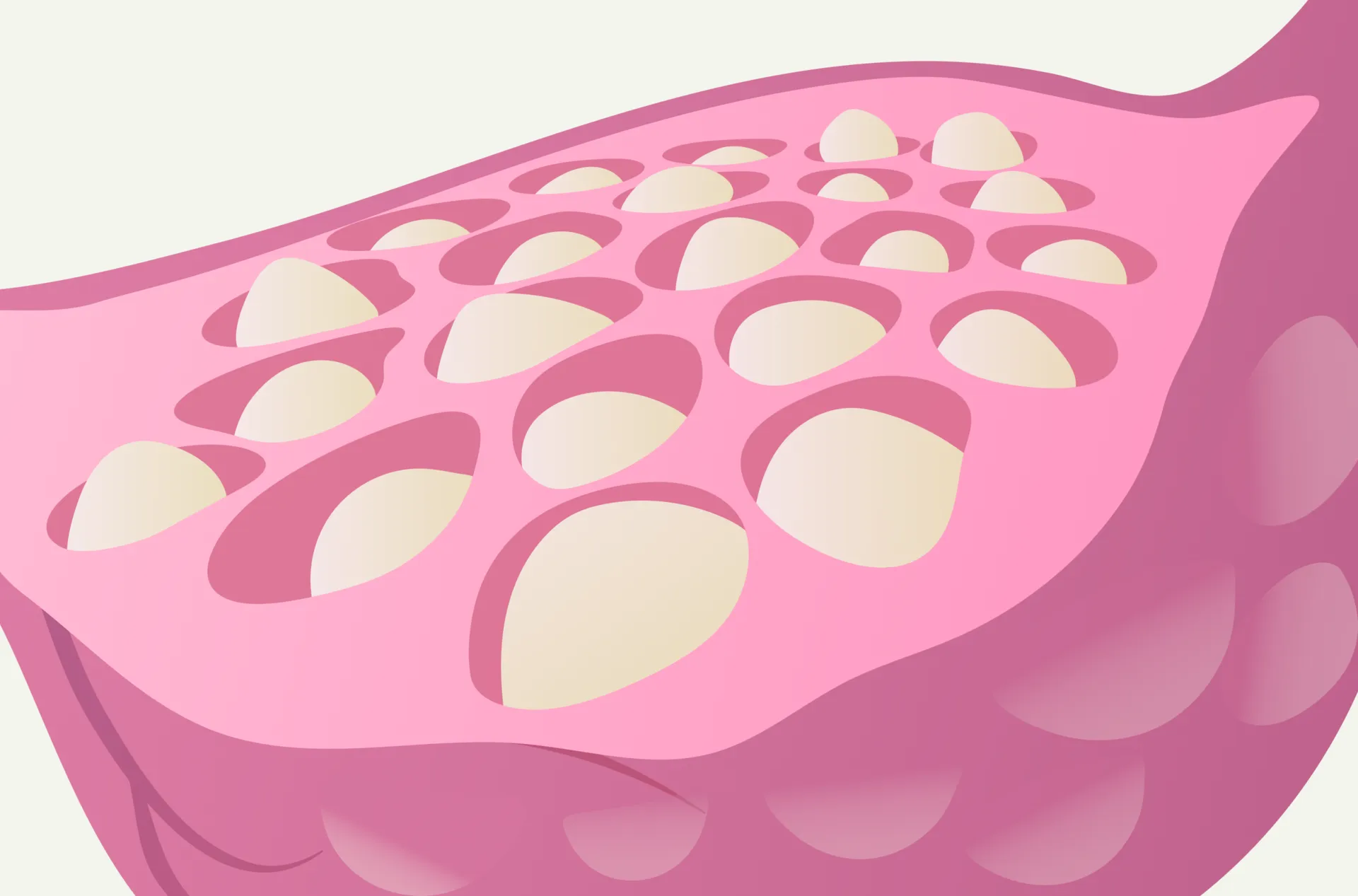
PCO stands for polycystic ovaries. It is a term used to describe polycystic ovarian anatomy.
When a doctor looks at your ovaries with an ultrasound, they might see many small, fluid-filled sacs. These are called ovarian follicles. Research shows that about 22% of healthy women in the reproductive age group have ovaries that look this way. It’s especially common in younger women.
Many women with PCO have no noticeable symptoms:
- They usually have regular menstrual cycles
- They ovulate regularly.
- They often conceive naturally without help.
In fact, many women only discover they have polycystic ovaries by chance during a routine ultrasound!
However, further research found that there may be a mild increase in androgen levels (even if you have no symptoms). However, these levels are typically too low to be officially diagnosed with hyperandrogenism (excessive male hormones).
How doctors diagnose PCO
A doctor will only use the term PCO if they see specific things on an ultrasound.
- Follicle count: They see 20 or more ovarian follicles in each ovary. These follicles are tiny, usually 2-9 mm in size.
- Ovarian volume: One or both ovaries look slightly larger (enlarged ovaries), measuring more than 10 mL in size.
Because modern ultrasound machines are so good, they can see more than they used to. This means many healthy young women meet the criteria for PCO even though their hormone levels are perfect.
However, research shows that up to half of healthy young adults meet PCOS criteria based on follicle count alone. This is partly because normal ovaries can contain up to 25 antral follicles when assessed using modern high-resolution ultrasound technology. Also, because both follicle number and ovarian volume naturally decline with age. Ultrasound can identify polycystic ovarian morphology, but this finding alone is not enough to diagnose a syndrome.
What Is Polycystic Ovary Syndrome (PCOS)?
Unlike PCO, polycystic ovary syndrome is a syndrome. A syndrome is a group of symptoms that happen together. It is a metabolic condition and a hormonal imbalance that affects your entire body.
PCOS affects up to 10% of women of childbearing age.
Polycystic ovary syndrome is mainly driven by having too many androgen hormones (male hormones). This is called androgen excess.
When these male sex hormones are too high, it disrupts your menstrual cycle and stops you from ovulating.
We don’t know the exact cause of PCOS yet. However, we do know it involves a mix of your genes, your family history, and environmental factors.
Signs and symptoms of PCOS
Women with polycystic ovary syndrome often deal with severe symptoms that affect their daily lives:
- Irregular periods: Having irregular or missed periods, or having no periods at all (absent ovulation).
- Infertility: The most frequent cause of anovulatory infertility is PCOS. PCOS affects 90–95% of women who have anovulatory periods.
- Excess hair growth: Dark, thick hair growing on the face, chest, or back. This is called hirsutism. Studies show it happens in 70% of women with polycystic ovary syndrome.
- Weight gain: Having trouble losing weight, especially around the belly.
- Persistent acne: Skin issues that don’t go away after puberty.
- Thinning hair: Losing hair on the head in a male-pattern way.
- Insulin resistance: This means your body has trouble managing blood sugar. It can lead to feeling very tired or having dark patches of skin (acanthosis nigricans).
- Sleep issues: Trouble sleeping is common with PCOS. It may result in an increased risk of obesity, type 2 diabetes and insulin resistance for women with PCOS.
How doctors diagnose PCOS
Doctors use the Rotterdam criteria to diagnose polycystic ovary syndrome.
To diagnose the syndrome, an adult usually needs to have two out of these three things:
- Irregular ovulation: Your periods are unpredictable because you don’t ovulate regularly.
- High male hormones: Your blood tests show elevated androgen levels, or you have clear signs like excess hair growth.
- Polycystic ovaries: Your ultrasound shows more ovarian follicles than normal.
You can have PCOS even if your ovaries look totally normal. And you can have polycystic ovaries without having the syndrome. This is why the PCO vs PCOS symptoms and diagnosis process can be confusing.
What’s the Difference Between PCO vs. PCOS?
Here is a side-by-side look at the difference between the two.
Feature | PCO (Polycystic ovaries) | PCOS (polycystic ovary syndrome) |
What is it? | A physical finding seen on an ultrasound. | A complex hormonal disorder. |
How common is it? | About 22-30% of women. | Up to 10% of women. |
Is it a disease? | May be normal, especially in young or ovulatory women with no symptoms. | Yes, it is a clinical diagnosis. |
Hormone levels | Usually normal. | High male hormones (androgens). |
Menstrual cycle | Usually regular. | Irregular menstrual cycles or missed periods. |
Ovulation | You usually ovulate regularly. | Irregular or absent ovulation. |
Insulin issues | Usually none. | Common insulin resistance. |
Fertility | Often conceive naturally. | Leading cause of anovulatory infertility. |
Health risks | No proven increased risk of diabetes or heart disease in the absence of PCOS features. | Risk of diabetes and heart disease. |
How Do PCO and PCOS Affect Hormones?
To understand these conditions, we have to look at three important hormones: luteinizing hormone (LH), follicle-stimulating hormone (FSH), and androgens.
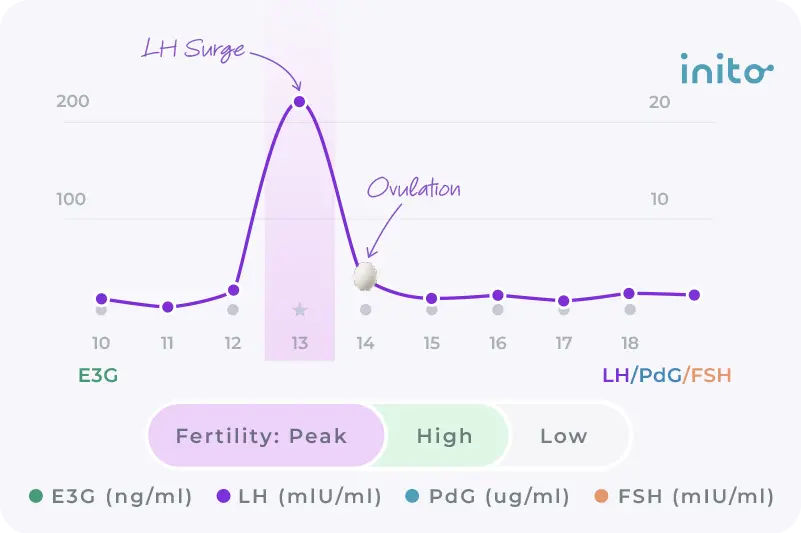
In a normal cycle, FSH helps a follicle grow, and LH triggers it to release an egg.
- In PCO, these hormones usually work perfectly.
- In PCOS, the balance is off. Many women show an increased LH-to-FSH ratio.
Androgen (male hormone) levels are also elevated in PCOS. High androgen levels play a key role here. They interfere with normal follicle maturation and prevent them from responding properly to FSH. As a result, follicles begin to grow but can’t fully mature or release the egg.
Can I Get Pregnant With PCO? Can I Get Pregnant With PCOS?
One of the biggest worries women have is about PCO vs. PCOS fertility.
Fertility and PCO
If you have PCO but your hormones are normal, your natural conception chances are usually very good.
Since ovulation is usually regular, many women with PCO can track their cycle and conceive naturally.
In most cases, PCO does not affect ovarian function.
Fertility and PCOS
One of the most cause of female anovulatory infertility is Polycystic ovary syndrome.
Because of irregular ovulation, it is hard to know when you are fertile. If you don’t release an egg, you can’t get pregnant.
However, there is good news! Many women with PCOS can still have babies. They might need:
- Lifestyle changes: Losing a small amount of body weight can help your hormones balance out.
- Fertility treatment: Medicines like Clomid can help your ovaries release eggs.
- Assisted reproductive technologies: If medicine doesn’t work, in vitro fertilization (IVF) is a very successful option.
How Do You Treat PCO vs. PCOS?
The way doctors approach treating PCO vs. PCOS depends on which one you have.
Managing PCO
Since PCO isn’t a condition by itself, it usually does not need any medical treatments.
If your periods are regular and you have no symptoms (such as excess hair growth, persistent acne, or signs of hormonal imbalance), your doctor will usually just monitor things during routine check-ups. As long as you maintain a healthy lifestyle, hormone therapy or special diets are typically not needed for PCO.
Managing PCOS
Managing polycystic ovary syndrome is a lifelong journey. The goal is to protect your health and balance your hormone levels.
- Lifestyle changes: Eating lean proteins and staying active helps improve insulin sensitivity. This makes it easy to manage insulin levels.
- Weight management: For some women, keeping a healthy weight can help lower male hormones.
- Hormonal birth control: This can help make your periods regular and reduce acne.
- Medication: Doctors might prescribe Metformin to help with blood sugar or insulin resistance.
- Ovulation induction: In women with PCOS who are trying to conceive, doctors may use medications to trigger ovulation and improve the chances of pregnancy.
How Do I Track Ovulation With PCO vs. PCOS?
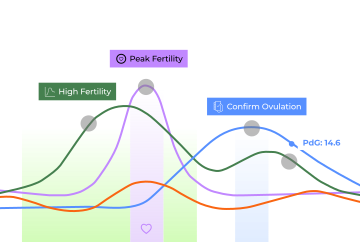
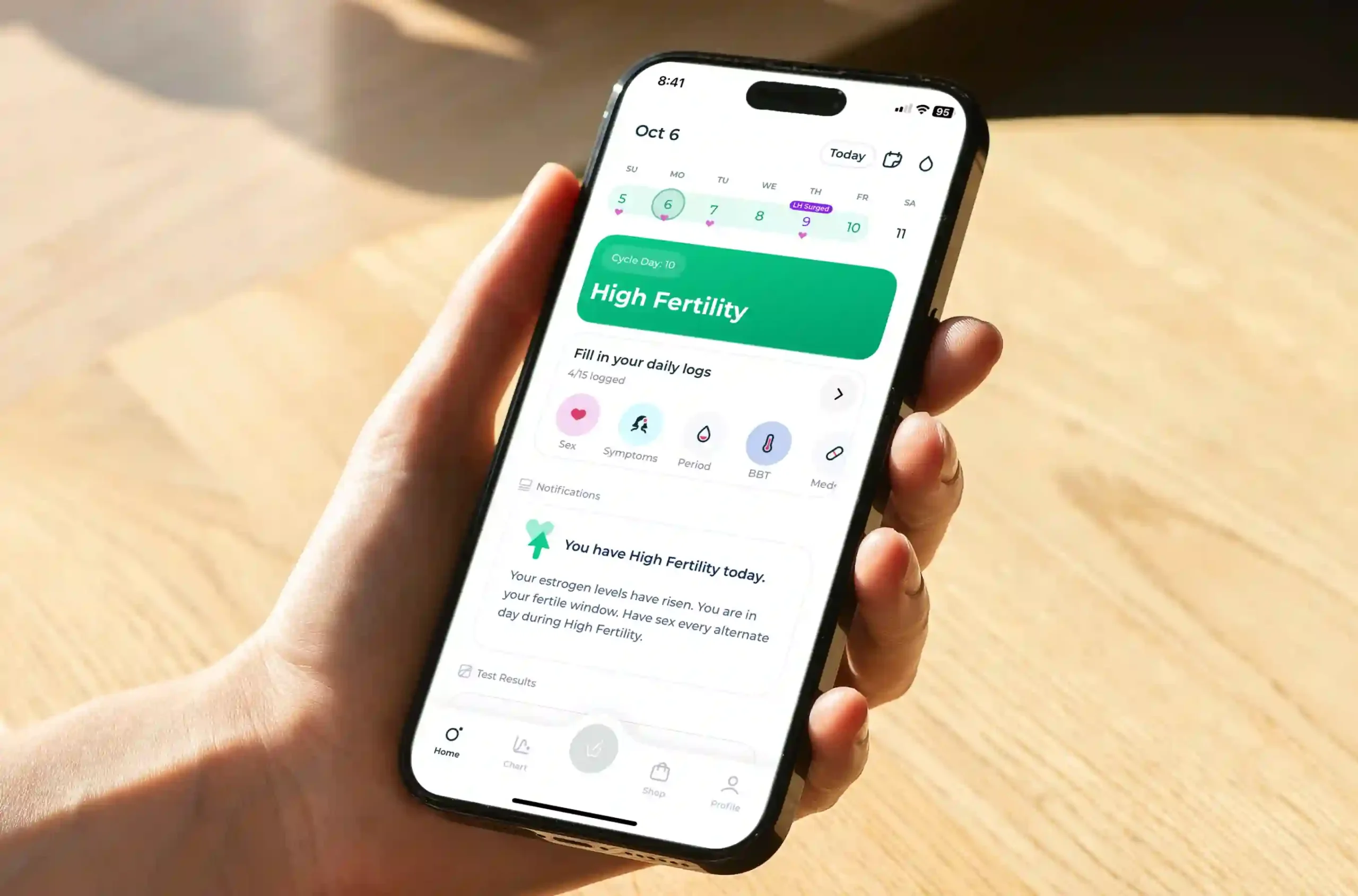
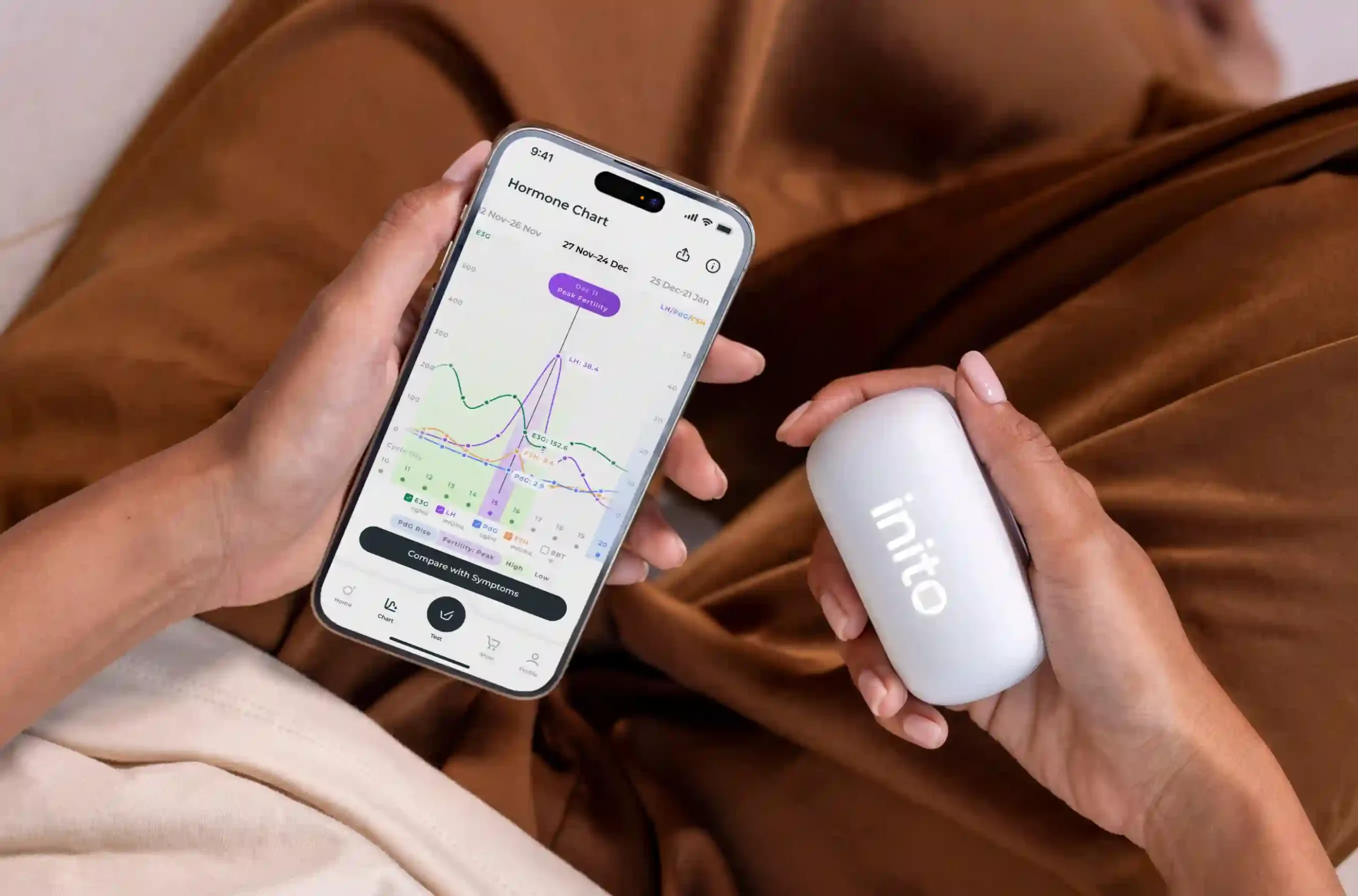
If you are TTC, the biggest question is usually: “Am I even releasing an egg?” And that’s where the Inito Fertility Tracker comes in. Inito tracks four key hormones on a single strip:
- Estrogen
- LH
- PdG (Urine metabolite of progesterone)
- FSH
This gives you a complete picture of your hormone levels on a single test strip, right from the comfort of your home.
- For PCO: Inito helps you pinpoint your fertile window. It also tracks PdG to confirm that an egg was actually released.
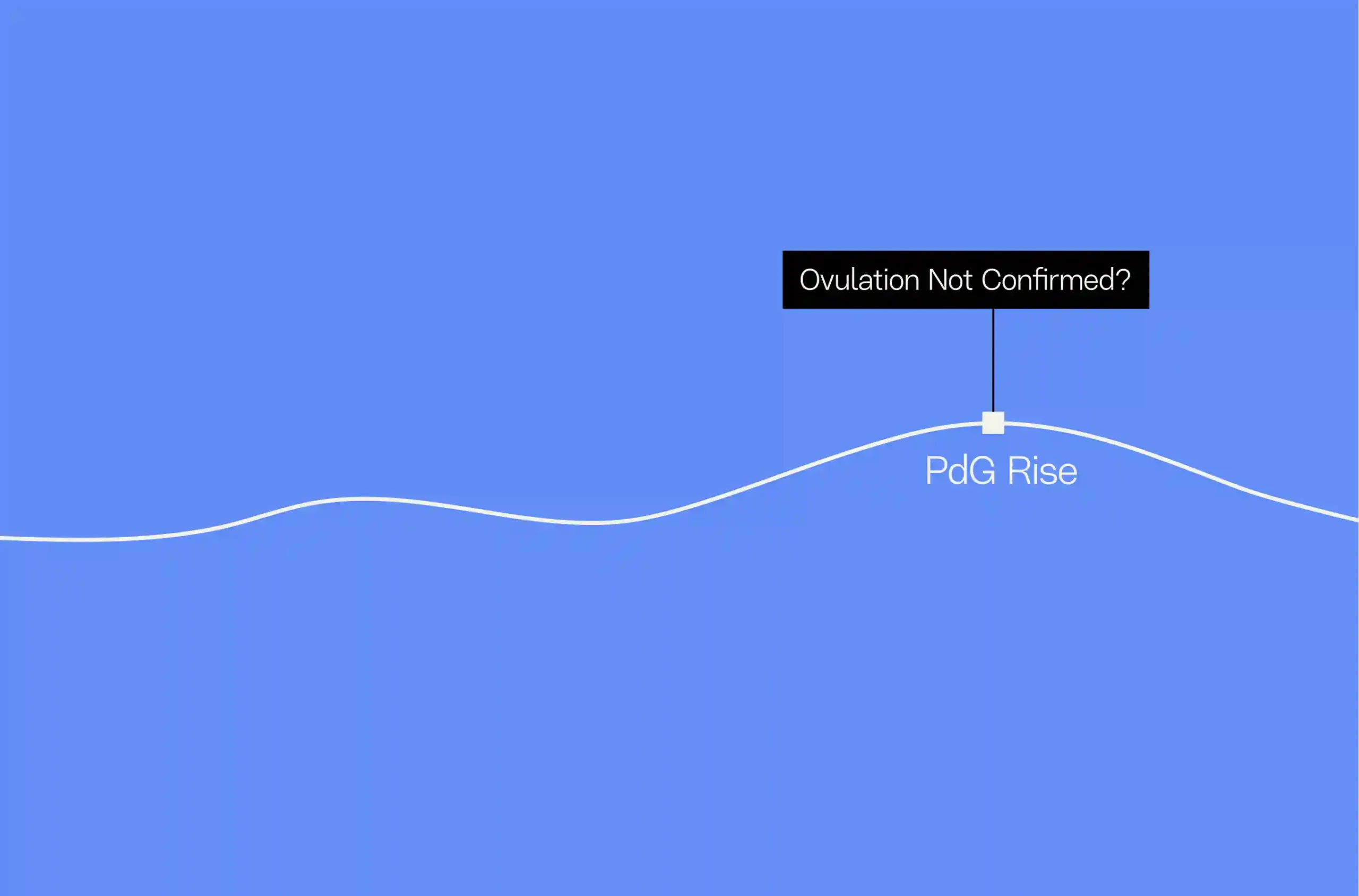
- For PCOS: Tracking is often tricky because LH is often elevated in PCOS and frequently causes false positives on ovulation tests. Inito is different because it tracks your actual hormone trends over time and gives you results based on your unique baseline levels, not arbitrary thresholds. It can tell the difference between a random spike and a true surge. Most importantly, it confirms ovulation by tracking your PdG rise, which is the most vital step for natural conception with PCOS.
When Should I See a Doctor?
If you are confused about your ultrasound results or your symptoms, you should always talk to a professional. Consider making an appointment if you notice:
- Irregular or missed periods that last for more than a few months
- Excess of hair growth on your face or chin
- Moderate to severe acne that won’t go away
- You have been trying to get pregnant for a year (or 6 months if you’re over 35) without success
- You feel extreme fatigue or have trouble losing weight
A full assessment usually involves:
- Medical history
- Physical exam
- Blood tests to check your hormone levels
In Conclusion
Polycystic ovaries (PCO) and polycystic ovary syndrome (PCOS) might sound the same, but they are very different.
PCO is a finding on sonography. It describes how your ovaries look on an ultrasound. It is a common finding in many healthy, ovulatory women and often doesn’t need any treatment. It is a physical trait, not a disease.
On the other hand, PCOS is a clinical syndrome. It involves a hormonal imbalance, metabolic issues, and a higher risk for long-term health problems. It affects your periods, your skin, and your fertility. You can’t diagnose PCOS by an ultrasound alone. A PCOS diagnosis requires a deeper look at your hormones and symptoms.
Distinguishing between PCO and PCOS is the best way to avoid overdiagnosis and unnecessary anxiety. If you’ve been told you have polycystic ovaries, take a deep breath. Unless you have other symptoms like irregular menstrual cycle or high male hormones, you likely have a normal variant of a healthy body.
Always work closely with healthcare providers to get the right diagnosis and a plan that keeps you feeling your best.

FAQs
No. PCO is a physical description of the ovaries seen on an ultrasound. PCOS is a syndrome that involves hormonal imbalance and metabolic issues.
Yes. About 20-30% of women have polycystic ovaries on an ultrasound, but have perfectly normal hormones and regular periods.
Most women with PCO have no symptoms at all. They have regular periods and can get pregnant easily
PCO is not a disease, so it doesn’t carry the health risks that PCOS does. On its own, PCO can be a normal variation of the ovaries, and is typically viewed as part of the natural range of healthy cycles.
Yes. You only have PCOS if you meet at least two of the Rotterdam criteria, which include irregular periods and high male hormones.
While not a primary symptom, PCOS can lead to insulin resistance. When your blood sugar drops or spikes, you might feel dizzy or lightheaded.
Usually no. If you ovulate regularly, PCO does not lower your chances of getting pregnant.
There is no evidence that have polycystic ovaries automatically leads to developing the syndrome. However, some women with PCO may have very mild hormone shifts.
PCOS can affect egg quality, especially in women with irregular cycles. That’s because hormone and metabolic imbalances can interfere with proper egg maturation and embryo development. When PCOS is combined with obesity, these problems can get worse, leading to smaller, less mature eggs and a lower chance of successful fertilization — even if the chromosomes are normal.
It varies. With lifestyle changes and fertility treatment, many women can conceive within a few months of starting a plan.
Yes, but the symptoms can be managed well so that they don’t affect your daily life. Healthy weight and diet are key.
No, there is no cure. Birth control can help manage the symptoms by stabilizing hormone levels.
Was this article helpful?
Definitions, prevalence and symptoms of polycystic ovaries and polycystic ovary syndrome
IVF outcome in women with PCOS, PCO and normal ovarian morphology
The Polycystic Ovary Morphology-Polycystic Ovary Syndrome Spectrum
Hirsutism in Polycystic Ovary Syndrome: Pathophysiology and Management
Physiopathology of polycystic ovary syndrome in endocrinology, metabolism and inflammation
The Clinical Manifestations of Polycystic Ovary Syndrome (PCOS) and The Treatment Options
Polycystic Ovary Syndrome: Assessment and Management Guidelines