


Content table
Vaginal dryness can feel awkward to talk about, even with people you trust. You might wonder if something’s wrong with you. Maybe it burns “down there,” tight jeans feel uncomfortable, or sex feels sore in a way it didn’t before. But many women deal with it.
Vaginal dryness is a common condition that affects 13-31% of reproductive-aged women, about 50% after menopause, and up to 65% of women treated for breast cancer.
It happens when vaginal tissues produce less natural lubrication, which can lead to discomfort, irritation, or pain during sex. This can occur due to stress, hormonal fluctuations, medical conditions, or small daily habits.
Experiencing vaginal dryness is a minor irritation for some women. For others, it affects confidence, intimacy, and how safe they feel in their body. The good news is that vaginal dryness is often manageable. Once you understand what’s going on, it’s easier to know what your body may need next and how to support your overall vaginal health.
Key Takeaways
- Low estrogen is one of the most common causes of vaginal dryness.
- It can also be linked to stress, medications, breastfeeding, medical conditions, or irritating products.
- Vaginal dryness occurs when the vaginal tissues produce less natural lubrication, leading to discomfort, irritation, or pain during sexual activity.
- Lubricants help during sex, while vaginal moisturizers support longer-term comfort.
Fertility-friendly lubricants are better when trying to conceive. - Ongoing pain, bleeding, unusual discharge, or urinary symptoms should be checked.
What Is Vaginal Dryness?
Vaginal dryness means the vaginal tissues, including the vaginal walls, aren’t producing enough natural lubrication. That can make the area feel dry, irritated, sore, or sensitive. It can also make sex feel uncomfortable or painful.
It’s often linked with menopause, especially when estrogen levels decline, but it can happen at any age. One study found that it affects about 15% of women before menopause and up to 57% after menopause.
Clinically, vaginal dryness can be part of genitourinary syndrome of menopause, or GSM. This includes vaginal, urinary, and sexual symptoms that happen when estrogen levels decrease.
Vaginal dryness can be simple or complex. Simple dryness means the vaginal area is otherwise healthy, and treating the dryness often helps.
Complex dryness means other issues may be involved, like diabetes, high blood pressure, vaginal thinning, or tight pelvic floor muscles. Sometimes, stiffness or narrowing of the vagina also needs treatment before the dryness can improve.
Most women expect some natural lubrication during sex. It helps sex feel more comfortable, enjoyable, and connected. So when lubrication is low, it can feel uncomfortable and frustrating.
What Is Natural Vaginal Moisture?
Female natural lubrication is the moisture your body makes to keep the vagina healthy, soft, and comfortable.
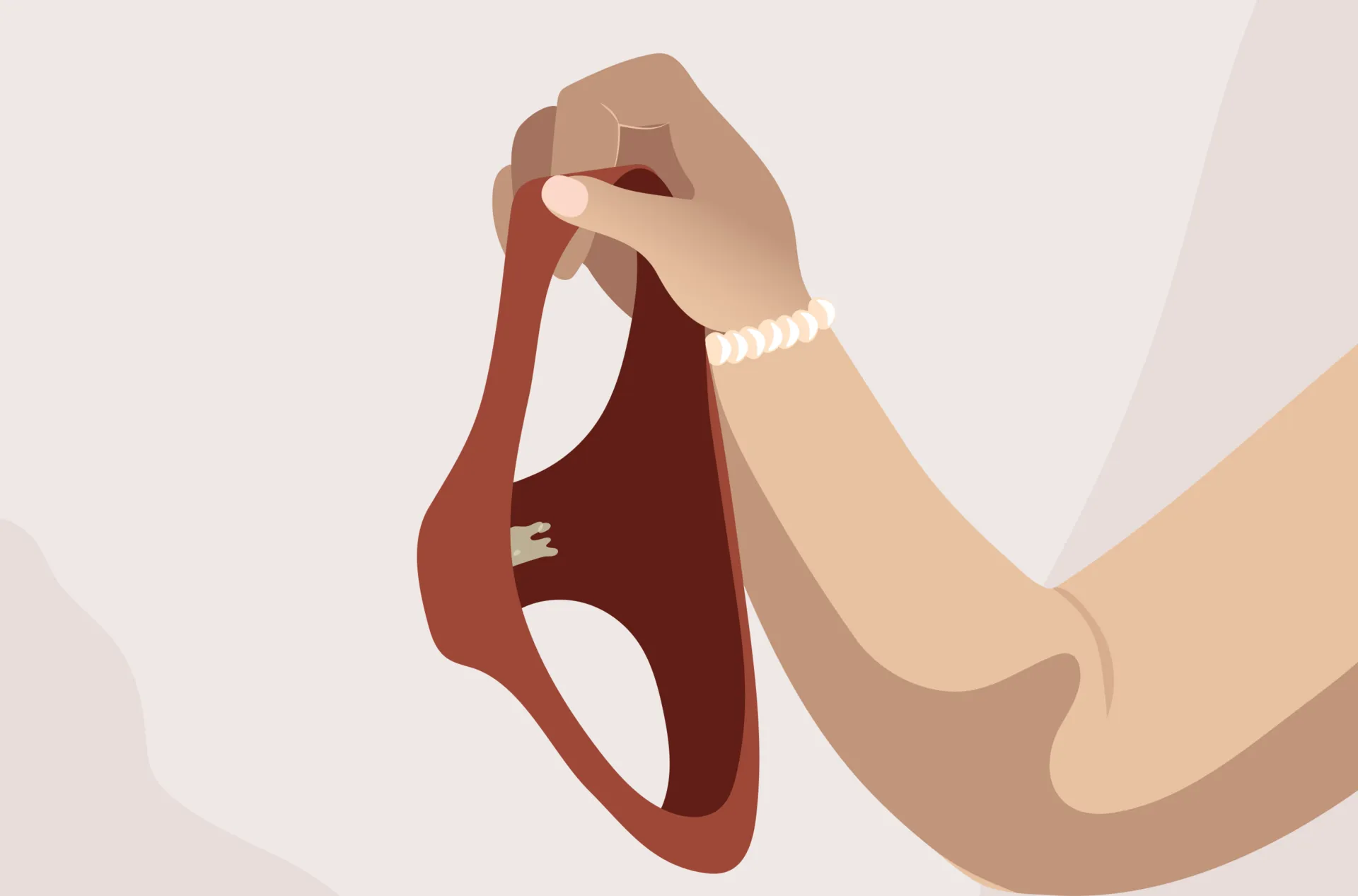
Some of this moisture comes from glands in the cervix and moves through the vagina during the day. It helps keep the tissues moist and clean by flushing away dead cells. The moisture is also slightly acidic, which helps protect against infections like thrush. A mild white discharge can be completely normal.
During sexual arousal, lubrication usually increases. The Bartholin’s glands near the vaginal opening produce extra moisture, while blood flow to the pelvic area increases and so does sensitivity. These changes help sex feel more comfortable, support sexual health and sperm movement when you’re trying to conceive.
Stress, not enough foreplay, hormonal changes, and other physical factors can all affect how much lubrication your body makes. You may feel close to your partner and still feel dry if your body needs more time, comfort, or support.
Around 17% of women in the age group of 18-50 experience vaginal dryness during sex before menopause. About one in four women aged 50-59 report dryness during sex, and some also have pain.
What Causes Vaginal Dryness?
There isn’t always one clear reason for vaginal dryness. Most of the time, it comes from a mix of factors.
Hormones
The commonest cause of vaginal dryness is a drop in the hormone estrogen. Estrogen helps keep vaginal tissues healthy by:
- Keeping the vaginal lining healthy and elastic
- Promoting blood flow
- Maintaining natural moisture and lubrication
- Supporting a healthy balance of good vaginal bacteria
When estrogen levels fall, the vaginal lining can become thinner, less stretchy, and less able to produce moisture. This is often called vaginal atrophy.
This commonly happens during menopause and perimenopause, sometimes with other symptoms like hot flashes, but it can also happen at other times.
Know more: Perimenopause Symptoms: When they Start and What to Expect
Low estrogen outside menopause
Vaginal dryness can happen during breastfeeding because prolactin can suppress estrogen. Some people may notice dryness while taking hormonal contraceptives. It can also happen with hypothalamic amenorrhea, which is often linked to stress, weight loss, or intense exercise.
Know more: Low Estrogen: What it Means and Why it Matters
Stress and arousal
Maybe you had a long day, answered messages nonstop, cooked dinner, handled family responsibilities, and finally crawled into bed. Your partner reaches for you, but your mind is still stuck on tomorrow’s to-do list.
Your body may not feel ready, even if you care about your partner. Not enough foreplay, anxiety, pain, or feeling rushed can all reduce arousal and lubrication.
Health conditions
Some conditions also contribute to vaginal dryness, including:
- Diabetes: less blood flow, nerve changes, and infections can all make dryness worse.
- Inflammatory bowel disease: inflammation, poor nutrition, and medications may play a role.
- Chronic heart failure: low blood flow, medications, and low energy can affect lubrication.
- Multiple sclerosis: nerve problems and reduced sensation can make lubrication harder.
Medications and medical treatments
Certain medications and over-the-counter treatments can reduce vaginal moisture too:
- Anti-estrogen therapies, including some breast cancer treatments
- Antidepressants
- Antihistamines
- Chemotherapy and radiation
It’s similar to how allergy medicine can cause a dry mouth or nose.
Daily habits and lifestyle factors
Harsh soaps, douches, perfumed soaps, baby wipes, bath salts, and scented wipes can irritate vaginal tissues.
Smoking may affect blood flow and estrogen levels. A long break from sexual activity may also reduce blood flow over time. Some women notice vulvar dryness with irritating products or frequent washing with hot water.
What Are the Symptoms of Vaginal Dryness?
It doesn’t always feel “dry.” Sometimes vaginal dryness can affect your daily life, and a common symptom is discomfort that keeps coming back.
Vaginal symptoms
You may notice dryness, burning, itching, irritation, tightness, or general discomfort. Some women notice that the vulva or vagina looks a little different, like thinner-looking vaginal lips.
Discharge may become more watery, discolored, or slightly smelly. This can come with irritation or a burning feeling.
Sexual symptoms
Sex might feel painful, tight, or uncomfortable. Some women notice less lubrication during arousal, lower desire, or less sexual satisfaction.
A common sign is when sex starts feeling like friction instead of closeness. This doesn’t mean you’re failing. Your body is trying to get your attention.
Urinary symptoms
Because the vaginal and urinary systems are affected by similar hormones, vaginal dryness can also come with urinary symptoms.
This may include needing to pee more often, sudden urgency, burning during urination, or frequent urinary tract infections.
When vaginal, sexual, and urinary symptoms happen together, it may be described as part of GSM, or genitourinary syndrome of menopause.
How Does Vaginal Dryness Impact Fertility?
Vaginal dryness doesn’t directly affect ovulation or egg quality. But it can make trying to conceive harder in other ways.
Healthy lubrication and cervical mucus help sperm travel through the reproductive tract. When lubrication is low, sex might feel painful, and sperm movement may be less supported.
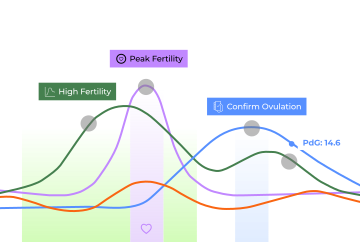
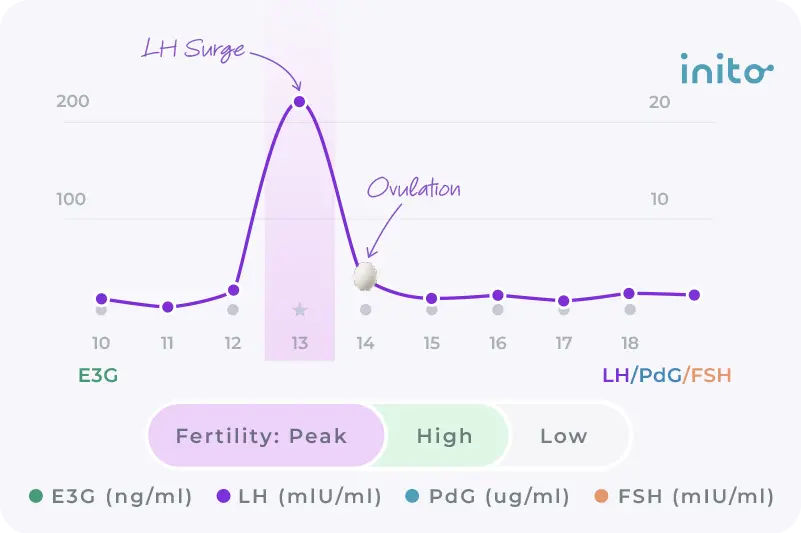
Painful sex, or dyspareunia, can also make couples have sex less often or miss the fertile window. And this is exactly where the Inito Fertility Monitor can help. By tracking four key fertility hormones, Inito helps identify your most fertile days more accurately, so you can better time intercourse. It also confirms whether ovulation has occurred afterward, giving you a clearer picture of your cycle overall.
Dryness can sometimes point to low estrogen or hormonal imbalance, which can affect ovulation or cervical mucus quality. Some vaginal lubricants can also reduce sperm movement, so fertility-friendly lubricants are a better choice when trying to conceive.
How To Diagnose Vaginal Dryness?
Most of the time, vaginal dryness diagnosis is based on symptoms, supported by an exam or tests only when needed.
A healthcare provider or OB/GYN may ask about your vaginal health, dryness, itching, irritation, pain during sex, periods, breastfeeding, menopause symptoms, medications, infections, and urinary issues. Sometimes, a pelvic exam is done to check for dryness, thinning, irritation, infection, or skin conditions.
In some cases, your provider may suggest additional testing:
- Vaginal pH test: A simple strip test that checks vaginal acidity. A higher pH can point to low estrogen.
- Vaginal maturation index (VMI): A lab test that looks at vaginal lining cells to understand estrogen levels and tissue health.
- Tests for other causes: These may help rule out vaginal infections, skin conditions, or UTIs.
How To Manage Vaginal Dryness?
Treatment usually depends on what’s causing vaginal dryness and how severe it feels.
Non-hormonal options
For many women, first-line treatment is simple:
Vaginal moisturizers to maintain hydration and support tissue health over time.
Water-based lubricants to reduce friction and make sex more comfortable in the moment.
Think of it like skincare. Moisturizers are ongoing support. Lubricants are for quick relief.
Know more: Fertility Lubricant: Safe Use When Trying to Conceive
Hormonal treatment
If dryness is linked to low estrogen and ongoing symptoms, local vaginal estrogen may help. It comes as creams, tablets, or vaginal rings and can help restore moisture, elasticity, and comfort.
Some women may benefit from hormone therapy, depending on symptoms and medical history. Talk to your OB/GYN about treatment options that make sense for you.
Lifestyle support
Some natural habits may support lubrication too:
- Regular sexual activity
- More arousal time
- Avoiding irritants like scented products or douching
- Eating phytoestrogen-rich foods, like soy or flax
Avoid using petroleum jelly inside the vagina, and ask about silicone-based products if you need longer-lasting lubrication.
Know more: Foods High in Dietary Estrogen: Balancing Your Levels
Treat underlying causes
It’s important to address anything contributing to dryness, like hormones, medications, stress, or an underlying medical condition.
The best treatment is usually a mix of approaches, not just one fix.
When To Seek Medical Help?
Sometimes vaginal dryness needs more than at-home care, especially if symptoms are ongoing, painful, or unusual.
Talk to your OB/GYN if you have:
- Persistent dryness or irritation
- Painful sex
- Urinary symptoms, like burning or frequent urination
- Vaginal bleeding
- Unusual discharge or odor
Vaginal dryness is common, but you don’t have to push through pain or discomfort. Getting help early can make treatment easier.

FAQs
Start with a vaginal moisturizer for regular dryness and water-based lubricants during sex. If symptoms continue, ask an ob-gyn about treatment options, including hormone therapy.
Slow things down, allow more arousal time, reduce pressure, stay hydrated, and manage stress. Having sex a few times a week may help.
Vaginal dryness is often best treated with a mix of approaches. Moisturizers, lubricants, and sometimes vaginal rings or other hormone therapy can help.
It doesn’t automatically mean she isn’t attracted to you. Stress, hormones, medications, pain, or not enough foreplay can all affect lubrication.
Yes. More arousal time, less stress, hydration, and avoiding irritating products can help. But if lower estrogen levels are the cause, medical support may be needed.
Avoid perfumed soaps, baby wipes, douching, and irritating products. Using water-based lubricants and supporting overall vaginal health can help too.
There’s no set age. Lubrication can decrease when estrogen levels decline around menopause, but many women continue to lubricate later in life.
It’s the moisture your body makes to keep the vaginal canal healthy and make sex more comfortable. It can change with hormones, arousal, stress, and health.
Burning, itching, tightness, pain during sex, or recurring vaginal dryness symptoms can all be signs.
Use a vaginal moisturizer made for intimate use, not petroleum jelly. If you’re unsure what to use, ask an ob-gyn or check with a local pharmacy.
Was this article helpful?
Vaginal Dryness – ScienceDirect
Vaginal dryness | Women’s Health Concern
Genitourinary Syndrome of Menopause: Management Strategies for the Clinician – ScienceDirect
Genitourinary Syndrome of Menopause: A Systematic Review – NCBI Bookshelf
Experiencing Vaginal Dryness? Here’s What You Need to Know. | ACOG