Catamenial Epilepsy and Your Menstrual Cycle

Published on Sep 30, 2026


Catamenial epilepsy describes a pattern where seizures get worse at certain times in the menstrual cycle. It’s driven by the same hormone shifts that move through the cycle each month. And research shows it can affect about 40% of women with epilepsy. The word “Catamenial” comes from a Greek term “katamenios,” meaning “monthly.” As estrogen and progesterone rise and fall, the brain responds to those shifts, creating the pattern.
If you’ve noticed your seizures spike around your period or ovulation, you’re not imagining it. This is a real, studied pattern in women with epilepsy. So, understanding it is important.
Key Takeaways
- Catamenial epilepsy means seizures get more frequent or severe at certain points in the cycle.
- Seizures tend to peak on the first day of a period. They drop to their lowest point about a week before the next period.
- There are three main patterns, called C1, C2, and C3, based on when seizures increase.
- Falling progesterone and rising estrogen both seem to play a role in seizure exacerbation. Whether ovulation happens that month matters too.
- Tracking your seizures alongside your cycle can reveal a pattern. This gives your doctor useful information for treatment.
What Is Catamenial Epilepsy?
Catamenial epilepsy is a pattern where seizures are related to the natural fluctuations of hormones each month. These seizures happen more frequently at specific times of the menstrual cycle.
Epilepsy itself is a condition of the brain and nervous system that doesn’t look the same for every person, and seizures can follow patterns over time. Some happen daily. Others happen monthly, tied to the menstrual cycle. This is called an infradian rhythm, meaning a body process that repeats over a period of more than 24 hours.
As hormone levels shift through the cycle, seizure activity can shift too in some women with epilepsy. Research has found seizure frequency may increase around their period, right when hormone levels are changing fast. And this is exactly the pattern that catamenial epilepsy describes.
Are Seizures More Common During Certain Days of the Menstrual Cycle?
Yes—research shows seizure frequency changes across specific phases of the menstrual cycle. Some women have more seizures around their period, in the perimenstrual phase. Others notice more during the ovulatory phase, right around ovulation.
The NIH Progesterone Trial followed women aged 13 to 45 whose seizures continued despite treatment. It found a clear pattern in seizure activity by cycle day. Here are the results:
- Seizures were most common on Day 1 of the cycle, the first day of a period.
- They were least common around Day -8, which corresponds to about eight days before the next menstrual period and falls around the mid-luteal phase.
- On Day 1, women had about twice as many seizures as they did on Day -8. Their odds of having any seizure at all were also about twice as high on Day 1.
Earlier research found similar results — more seizures around the period and fewer during the mid-luteal phase. Researchers have grouped these seizure patterns into three types:
- C1: More seizures happen right around the period, in the perimenstrual window spanning roughly three days before and three days after it starts.
- C2: More seizures happen during the periovulatory window, around ovulation.
- C3: More seizures happen during the luteal phase, especially in cycles without ovulation.
In the NIH trial, 44.2% of the 294 women studied met the criteria for catamenial epilepsy. Among them:
A person can have more than one pattern, so these numbers add up to more than 100%. These findings matter for both epileptic women and their doctors, since spotting a phase-specific pattern can help determine the best route for treatment.
What Causes Catamenial Epilepsy?
Scientists believe that catamenial epilepsy comes from two things working together:
- Hormonal fluctuations across the menstrual cycle
- The brain’s own sensitivity to those changes
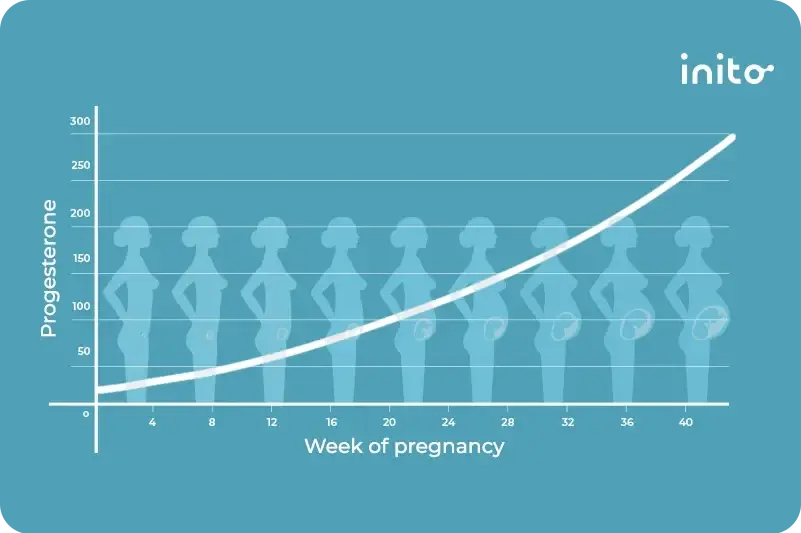
Interestingly, progesterone might help protect against seizures. That’s because it breaks down into a substance called allopregnanolone, which boosts a calming brain chemical called GABA. This is one of the clearer anti-seizure effects tied to a single hormone. But when progesterone levels fall before a period, this protective effect can fade away too. That might explain why seizures are more likely to happen right around day one of the cycle.
Estrogen, one of the two main steroid hormones involved here, works differently. It rises around ovulation and can raise brain excitability, meaning it may make brain cells fire more easily.
More estrogen relative to progesterone at certain times in the cycle might raise seizure risk in some women. Whether ovulation happens also affects hormonal status. In cycles without ovulation, progesterone doesn’t rise the usual way after ovulation. This changes the normal balance between estrogen and progesterone. Research found that generalized tonic-clonic seizures — the kind that involves loss of consciousness and full-body jerking — happened 29.5% more often during cycles without ovulation than during ovulatory ones.
But that’s not all. Every brain also has its own hormonal sensitivity. This is part of why catamenial epilepsy looks different for each person. No single hormone causes it alone. The timing of hormonal changes, whether ovulation happens, and a person’s individual sensitivity to these shifts can all influence seizure activity.
Can Tracking Seizures and Cycle Changes Help Identify a Pattern?
Yes — catamenial epilepsy is defined by a repeating link between seizures and specific phases of the menstrual cycle. Tracking both over time can help reveal that link. If you’re noticing seizure changes and wondering whether your cycle is connected, tracking your cycle is a helpful first step. It can also give your doctor a fuller medical history to work from.
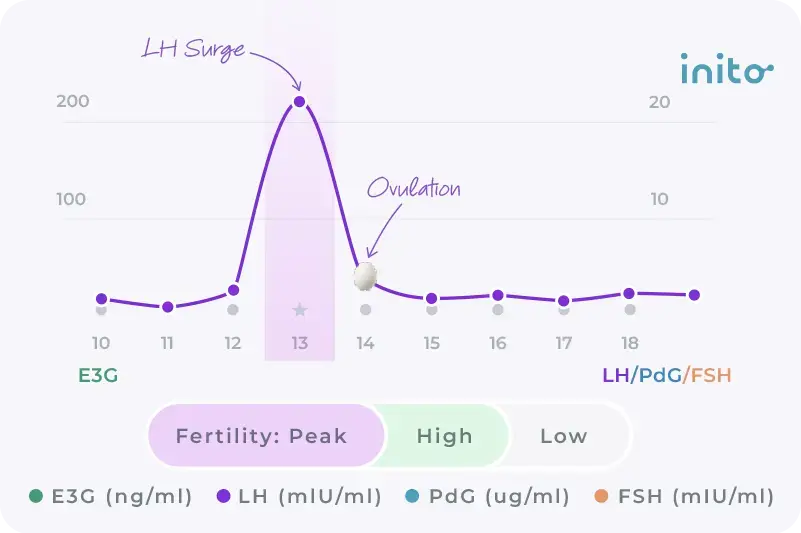
The Inito Fertility Monitor can help you better understand your menstrual cycle by tracking four key fertility hormones:
- LH (Luteinizing hormone)
- E3G (Estrogen)
- PdG (Urine metabolite of progesterone)
- FSH (Follicle-stimulating hormone)
This helps predict and confirm ovulation and shows you exactly where you are in your cycle, so you can start to see your hormone trends over time.
Keep in mind that Inito is a fertility tracking tool, not a diagnostic one. It isn’t built to diagnose epilepsy, predict seizures, or determine whether hormonal changes are causing your seizures. Always discuss any change in your seizure pattern with your healthcare provider.

See how Inito will fit into your unique fertility journey
Take 5 min free fertility assessment and get a personalised hormone report
How Is Catamenial Epilepsy Diagnosed and Managed?
There’s no single diagnostic test or fixed criteria for catamenial epilepsy, so diagnosis usually starts with tracking. Recording when your seizures happen alongside your period can help you see a pattern over time.
An EEG can also help. This measures the brain’s electrical activity and can help confirm epilepsy in general. But note that it can’t confirm catamenial epilepsy on its own. To do this, doctors look for a clear, repeating pattern — seizures that consistently rise around the period, ovulation, or another specific phase of the menstrual cycle.
Treatment varies by person, and it usually starts with the medicines already used for seizure control. Your doctor might need to adjust the standard anti-seizure drugs, or their timing, around the days your seizures seem to happen more frequently.
Non-hormonal anti-seizure medications like clobazam or acetazolamide are sometimes used for a short period of time during your higher-risk days to help reduce seizures without a daily hormonal treatment.
Hormonal therapy may be another option worth exploring with your doctor. Cyclic (natural) progesterone might help some women with a strong C1 pattern, but clinical trials haven’t shown a clear benefit for women with catamenial epilepsy as a whole. For women with irregular cycles, or seizures that aren’t responding to intermittent treatment, a specialist might consider menstrual suppression. This can involve hormonal treatments like a sustained oral contraceptive, depending on the person’s goals and health history.
In short, there’s no single treatment that works for every woman, and research in this area is still limited. The right approach to managing catamenial epilepsy depends on:
- Your seizure pattern
- Your current medicines
- Your cycle
- Your reproductive plans
The best plan of action for you is something to be determined via a conversation with your neurologist.
Conclusion
Catamenial epilepsy is a pattern where seizures happen more often at specific points in the menstrual cycle. It’s shaped by hormonal changes, ovulation, and each person’s individual sensitivity. Since that pattern matters so much for diagnosis and management, tracking your seizures alongside your cycle can give you and your doctor information to work with. If you notice a change in your seizure pattern, especially when TTC, bring it up with your healthcare provider. Your neurologist and your fertility care team can work together to help you plan treatment safely, with pregnancy goals in mind.
FAQs
Contributor

Leslie Hughes
Health Researcher and Writer
Was this article helpful?
Share it on

Get a free guide Luteinizing Hormone (LH) by Inito