

PCOS: From symptoms to self-advocacy. Get the handbook

Identifying Infertility: Common Signs, Symptoms, and Causes in Men and Women

“Our content is medically reviewed by experts and adheres to the highest standards of accuracy.”
signs of infertility

Inito Content Quality Standards
“Our content is medically reviewed by experts and adheres to the highest standards of accuracy.”

Have you been trying to start a family but facing some unexpected challenges? If so, you’re not alone.
Infertility is a common issue that affects many couples. In fact, around 15% of couples globally—about 48.5 million—struggle to conceive each year. In the United States, around 9% of men and 11% of women of reproductive age have experienced fertility problems.
In this blog, we’ll dive into the signs and symptoms of infertility in both men and women that can help you take the first steps toward this journey.

Are You Noticing These Signs of Infertility?

Signs of infertility in women

Understanding your body is essential, especially when it comes to something as important as starting a family.

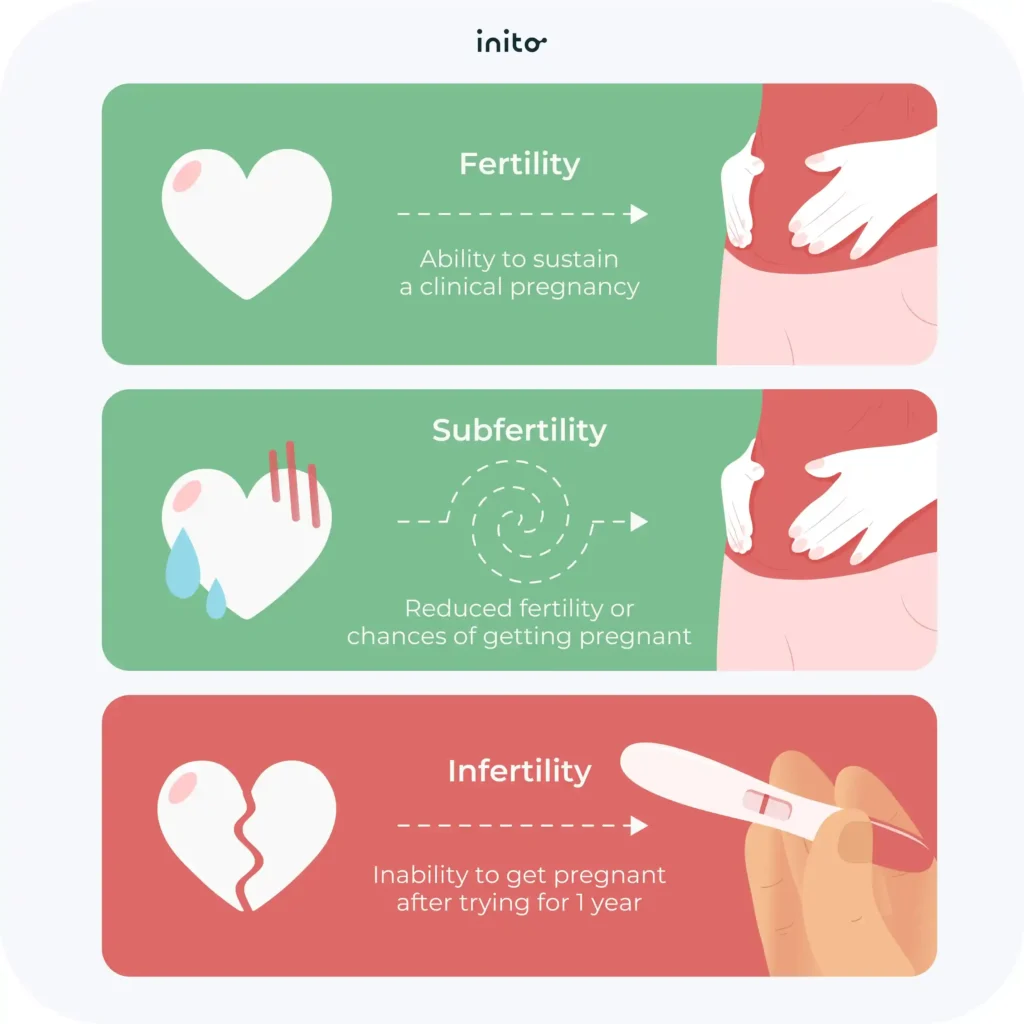
Fertility, subfertility, and infertility

But what exactly is infertility?

Infertility is generally defined as the inability to achieve pregnancy after a year of regular, unprotected sexual intercourse for couples under the age of 30.

For those over 35, infertility is defined as not being able to conceive after six months of trying.

The predominant causes? A variety of medical, hormonal, or lifestyle factors.

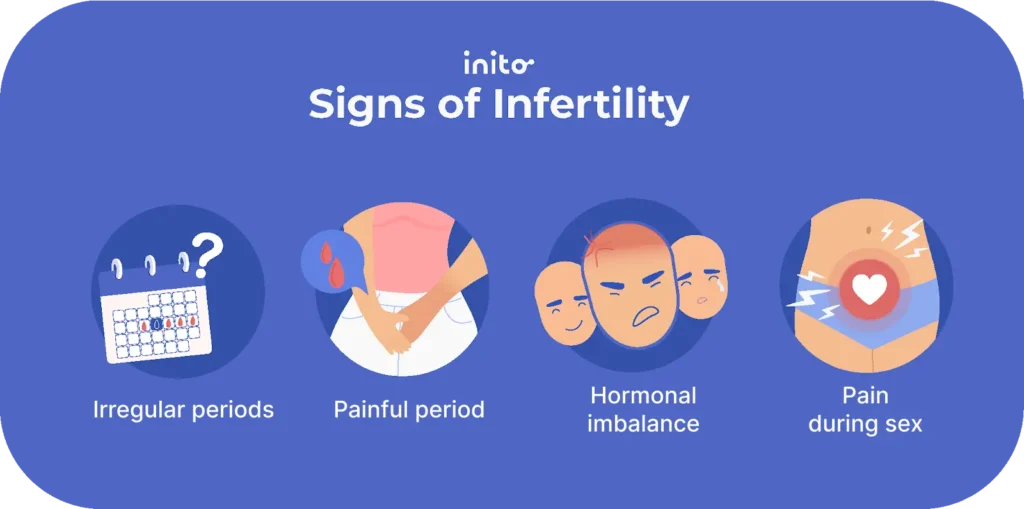
Here are some common signs of infertility in women that might be worth paying attention to.

Irregular periods

Have you noticed your menstrual cycle isn’t as regular as it should be?

Before diving into it, know exactly what a ‘typical’ menstrual cycle looks like:

  • Cycle Length: Anywhere between 21 to 35 days is considered normal.
  • Duration: Bleeding usually lasts 2-8 days.
  • Blood Loss: The average amount of blood lost is around 30 ml per cycle; losing more than 80 ml is considered abnormal.
  • Symptoms: Minimal pain, discomfort, or other disruptive symptoms are standard for a regular cycle.

Anything significantly outside these ranges could be a sign that something isn’t quite right and may require attention. Whether your periods are too long, too short, or just plain unpredictable, this variability can indicate hormonal imbalances or other reproductive health concerns.

Painful periods
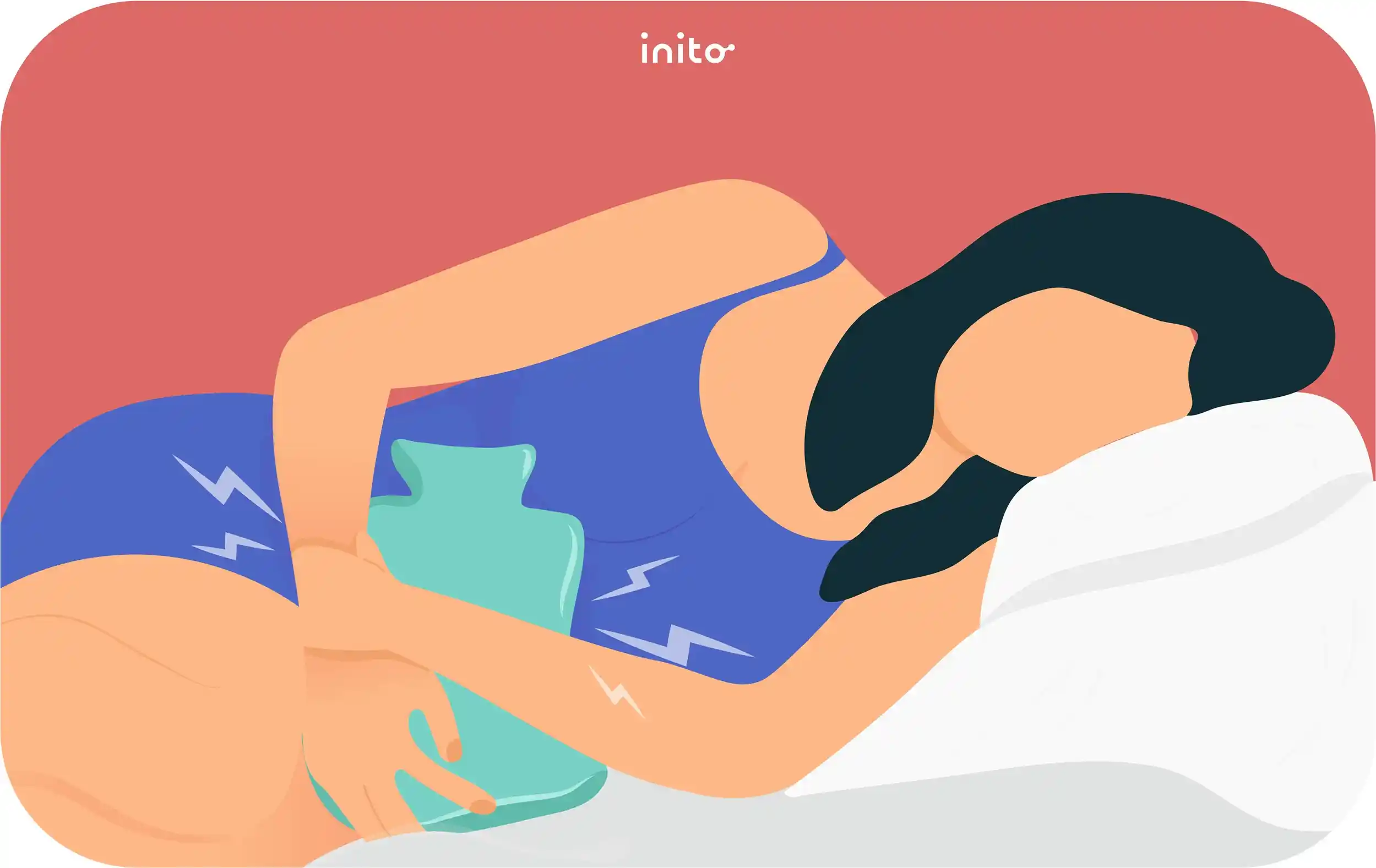
Painful periods

Does your monthly visitor bring more discomfort than usual?

Experiencing intense cramping or pain during your period could signal something more serious than a nuisance.

Painful periods, also known as dysmenorrhea, can be linked to conditions like endometriosis, which can affect your fertility. If your cramps feel more like a battle than a normal period, it’s definitely worth chatting with your doctor.

Know more: Your Guide to Getting Pregnant With Endometriosis

Hormonal imbalance

Changes in your hormones can manifest in multiple ways, including:

  • Acne
  • Unexpected hair growth
  • Weight fluctuations
  • Irregular periods
  • Mood swings or increased anxiety
  • Low energy or fatigue
  • Changes in libido

These symptoms can stem from various conditions like PCOS, thyroid disorders, or other hormonal imbalances.

Painful intercourse

If sex is often uncomfortable or painful, it may be more than just a passing issue.

Painful intercourse can point to conditions like endometriosis or pelvic disorders. This discomfort can affect your intimacy and may also be a signal that something isn’t quite right with your reproductive health.

Let’s cover it up for men in the next section!

Tell-Tale Signs of Infertility Every Man Should Know

Pain or swelling of the testicles

If you’re experiencing any discomfort, pain, or swelling in your testicles, it’s not something to ignore.

Sometimes, this can be caused by even seemingly minor conditions, such as testicular torsion—a medical emergency where the spermatic cord twists and cuts off blood flow to the testicle. Left untreated, it can lead to long-term problems, including fertility issues, so it’s always best to get it checked out.

Changes in sex drive

Have you noticed fluctuations in your libido?

A decrease in sex drive can be linked to hormonal imbalances that may affect your fertility. Stress, lifestyle factors, and underlying health conditions can all contribute to these changes.

Erectile dysfunction

Struggling with erectile dysfunction (ED)?

ED is the inability to achieve or maintain an erection firm enough for sexual activity. It can be a temporary or ongoing issue caused by physical, psychological, or lifestyle factors.

Other Warning Signs?

Understanding your health history and making informed choices can help you on your journey to starting a family! Certain shared warning signs can give you a clue that it might be time to take a closer look at your reproductive health.

Let’s break down a few of these!

  • Chronic illnesses. If you have a history of chronic diseases like diabetes or hypertension, it could impact your fertility.
  • Autoimmune disorders Diseases such as lupus, endometriosis, type 1 diabetes, rheumatoid arthritis, etc., may disrupt the normal functioning of your body and affect your ability to conceive.
  • Chemotherapy. If you’ve had cancer or undergone treatments like chemotherapy or radiation, it’s important to know how this can affect your fertility.
  • Exposure to toxins. Have you been exposed to toxins, such as heavy metals or pesticides? These are known sperm killers and can seriously impact reproductive health by reducing sperm count and quality.
  • Poor lifestyle habits. Certain lifestyle factors such as smoking, excessive drinking, or a diet low in nutrients, can also take a toll on your fertility.

Making healthier choices can help improve your overall health and boost your chances of conception.

Now that we’ve talked about the signs of infertility, you might be wondering what could be causing these issues. Let’s take a closer look!diseases

What Could be Causing Infertility in Women?

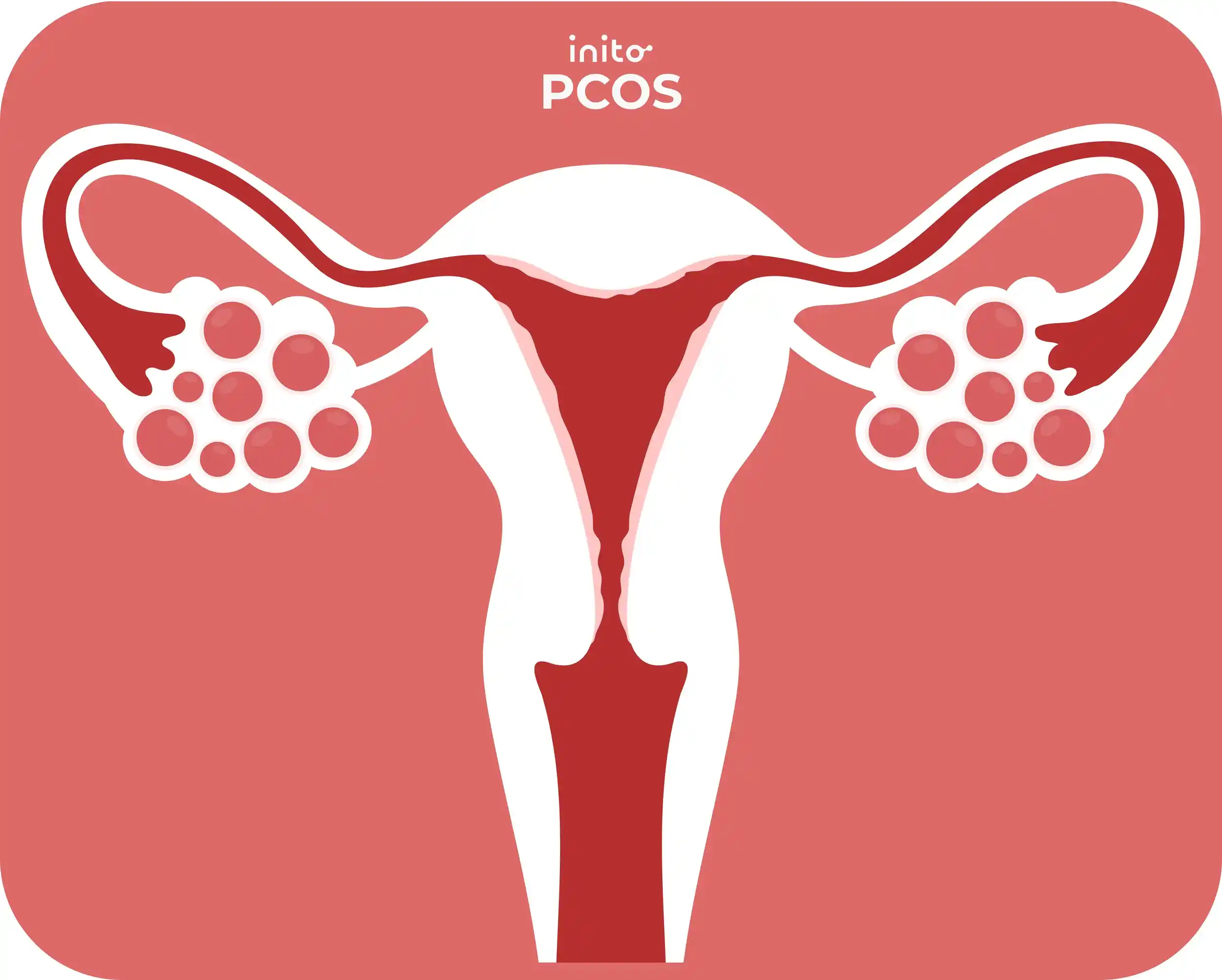
Polycystic ovary syndrome (PCOS)

PCOS

Have you heard of PCOS?

PCOS is a common hormonal disorder that can mess with ovulation and your menstrual cycle. Women with PCOS often have elevated levels of androgens, which can interfere with regular ovulation. This condition can lead to irregular periods and can make it tougher to conceive.

Know more: Get Pregnant with PCOS: Your Complete Guide

Thyroid disorders

Your thyroid plays a crucial role in regulating hormones, so if it’s out of whack, it can impact your fertility.

Conditions like hypothyroidism or hyperthyroidism can disrupt your menstrual cycles and make it harder to get pregnant.

Endometriosis
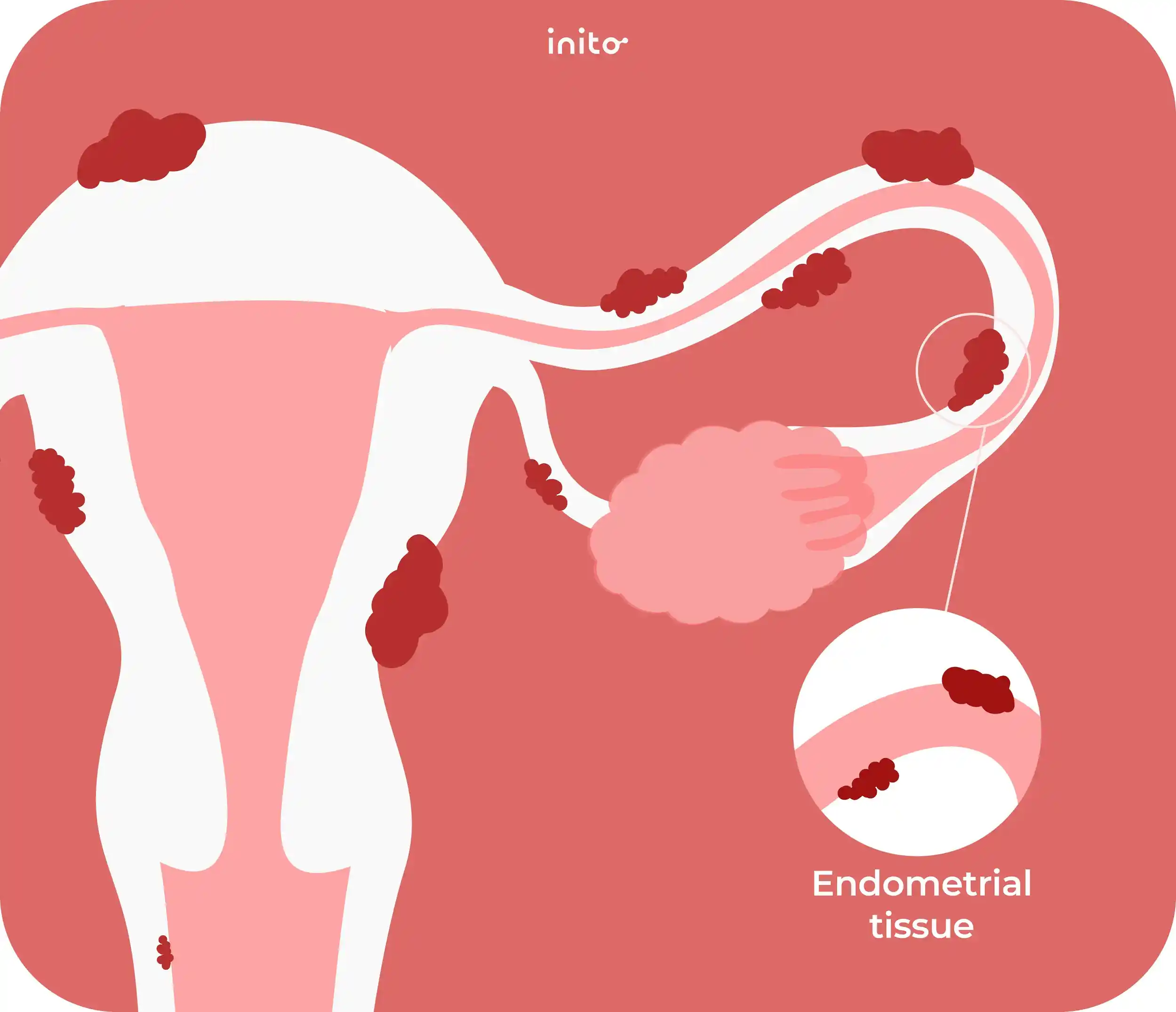
Endometriosis

Endometriosis happens when tissue similar to the lining inside your uterus starts growing outside it. This can lead to pelvic pain, heavy periods, and even scarring, which can all affect your ability to conceive.

Know more: Your Guide to Getting Pregnant With Endometriosis

Besides the above causes, there are a few anatomical causes of infertility in women. These include:

Blocked fallopian tubes

Your fallopian tubes are crucial for transporting eggs from the ovaries to the uterus. If they’re blocked, it can prevent sperm from reaching the egg or stop the fertilized egg from implanting in the uterus.

But what results in such blockages? It could be Pelvic Inflammatory Disease (PID), endometriosis, or previous surgeries.

Know more: 7 Steps to Getting Pregnant With Blocked Fallopian Tubes

Pelvic inflammatory disease (PID)

PID is an infection of the female reproductive organs, often caused by Sexually Transmitted Infections (STIs). It can result in scarring and damage to the fallopian tubes, uterus, and surrounding tissues. Ultimately, it impacts fertility. Early treatment is crucial to prevent long-term complications.

Premature ovarian insufficiency (POI)

This condition occurs when the ovaries stop functioning properly before the age of 40, leading to decreased hormone production and a reduced number of eggs.

Causes of POI:

  • Genetic factors
  • Autoimmune diseases
  • Certain medical treatments.

Women with POI may experience irregular periods or menopause-like symptoms.

Cervical issues

If there are problems with the cervix (which connects the uterus to the vagina), it can hinder sperm from entering the uterus. Cervical insufficiency or previous surgeries on the cervix can also pose challenges.

What Are the Causes of Infertility in Men?

Hormonal imbalance

Just like in women, hormonal imbalances can also impact men’s fertility. When testosterone levels are off, it can affect sperm production and function, making it more difficult to conceive.

Know more Semen Health: How To Produce More Sperm?

Genetic disorders

Some men may face infertility due to genetic disorders that impact reproductive health. Conditions like Klinefelter syndrome, where males are born with an extra X chromosome, can affect sperm production.

Note: If there’s a family history of fertility issues, it might be worth exploring genetic testing.

Testicular abnormalities

These are structural issues with the testicles, infections, or developmental conditions that affect their function.

Common examples include:

  • Undescended testicles

This occurs when one or both testicles fail to descend into the scrotum during fetal development or infancy. If untreated, it can lead to infertility because the temperature in the abdomen is too high for sperm production.

  • Testicular infections

Infections like orchitis (inflammation of the testicles), which can be caused by viruses such as mumps or sexually transmitted infections (STIs), can have a severe impact on fertility.

Sexually transmitted infections (STIs)

Certain STIs, like chlamydia and gonorrhea, can damage the reproductive organs over time, leading to infertility in men.

These infections can cause epididymitis (inflammation of the epididymis, a tube that carries sperm) and urethritis (inflammation of the urethra), which can interfere with sperm transport and quality.

So, detecting them early is critical to prevent long-term damage.

Know more: Tips for Getting Pregnant with Low Sperm Count

When to Act On Your Fertility Concerns?

Wondering if it’s time to get some expert advice about your fertility? Let’s be aware when it might be a good idea to make that call:

Noticed anything unusual with your cycle or how you feel?

Irregular periods, unexpected pains, or other shifts in your sexual health aren’t just annoying—they could be clues from your body that something needs attention.

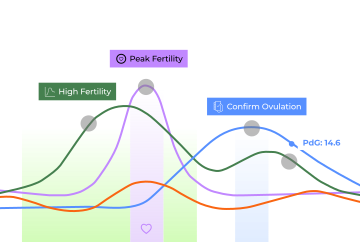
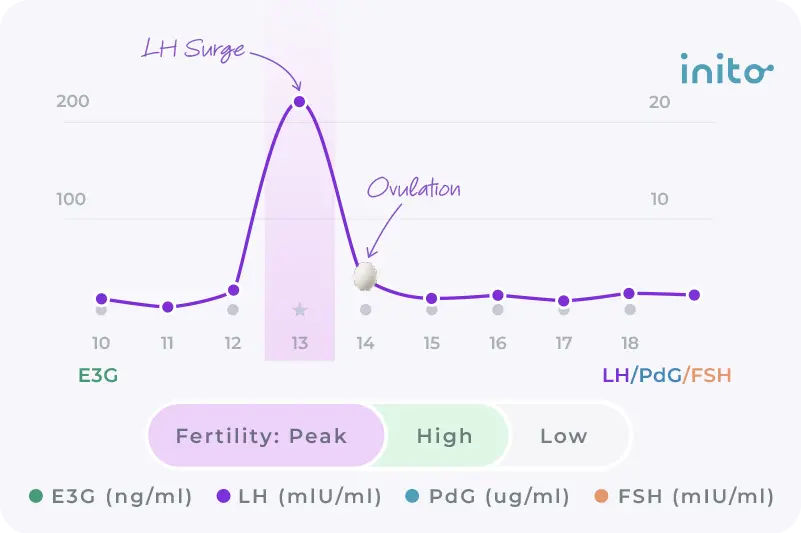
Tracking your cycle is a great first step for women. Tools like the Inito fertility monitor can help you understand your ovulation and hormone levels at home. Inito tracks four key fertility hormones – LH, estrogen, PdG (urine metabolite of progesterone), and FSH on a single test strip. It’s designed to give you accurate insights in just 10 minutes, making it easier to stay proactive about your health and fertility.

Sometimes, nature needs a nudge.

If you’ve been trying to conceive and it’s just not happening, there are plenty of advanced treatment options out there. Whether it’s IVF, hormone therapies, or something else, there’s hope and help available.

Final Word

Deciding to see a doctor about fertility can feel big, but remember, you’re not alone in this. Infertility affects many couples, and understanding the common signs, symptoms, and causes can be your first step toward finding solutions.

The takeaway here is that your body is always trying to communicate with you, so listen closely!

Gain invaluable insights into your reproductive health and take informed steps on your path to conception. Your health matters, so don’t hesitate to take that first step! Your future self might thank you for it!

faq img

FAQs

Yes, there are a few warning signs of infertility. One major sign is the inability to naturally conceive after 12 months of regular unprotected intercourse. Other symptoms that could point to infertility in women include: irregular or absent periods, anovulation, hormonal imbalances, and abnormal uterine bleeding. For men, warning signs of infertility include painful ejaculation, watery semen, or abnormal sperm parameters.

Three main ways you can tell if you are infertile are by:

  • Tracking your cycle to see if you are ovulating regularly (the Inito monitor can help with this).
  • Seeing if you are able to conceive naturally within 12 months of regular intercourse (or 6 months if you’re over age 35).
  • Doing a preconception checkup with your doctor to review your medical history and overall health for fertility purposes.

A great way to check your fertility is by tracking your menstrual cycle and understanding your unique patterns. If you are ovulating regularly, that is a good sign that you are fertile.

If you want to be even more thorough with understanding your fertility, you can schedule a preconception checkup with your doctor or see a fertility specialist. They can run certain diagnostic tests like blood tests and ultrasounds to check on fertility indicators like your ovarian reserve and hormone levels.

Infertility doesn’t necessarily begin at a certain age because it all depends on a woman’s unique health. However, fertility tends to decline more rapidly for women after age 35, although some women may experience infertility before that due to other reasons besides age.

Two helpful ways you may be able to tell if you’re fertile are:

  • Being able to conceive without any sort of intervention within 12 months of consistent intercourse (assuming you are having sex around ovulation)
  • Ovulating regularly (Inito can help you confirm ovulation)

If you want to know even more about your fertility and ability to conceive, you may even ask your doctor to schedule you for a preconception checkup. Inside this checkup, they can go over your medical history and order fertility diagnostic testing.

There are a few signs that could point to not being able to get pregnant. One sign is not getting pregnant within a year of actively trying around ovulation. Another sign is having recurrent miscarriages or early pregnancy losses. On top of that, having hormonal imbalances, irregular menstrual cycles, and anovulation are obstacles to getting pregnant.

Infertility can make you feel a range of physical and emotional symptoms. Physically, it depends on the reason for infertility, but it could involve feeling discomfort, pain, or fatigue. Emotionally, infertility can cause feelings of isolation, anger, disappointment, sadness, jealousy, and so much more. If you are struggling with infertility, it’s a good idea to take care of your physical and mental health by checking in with your healthcare provider and possibly a licensed therapist.

One common symbol for infertility is a pineapple. This likely came about from the thought that consuming pineapple prior to ovulation or an embryo transfer can support with implantation. While there’s no true scientific evidence that the bromelain of the pineapple core actually improves fertility chances, it’s still a common infertility symbol.

Was this article helpful?

Subscribe for more articles like this!

Doctor-approved information

    Get a free, easy-to-understand guide on anovulation by Inito

    Up to 37% of cycles don't result in Ovulation

      Your guide to anovulation

      Get a free, easy-to-understand guide on anovulation by Inito

      Up to 37% of cycles don't result in Ovulation

      Was this article helpful?

      Share

      Your own fertility lab at your fingertips

      Easy-to-read fertility results directly on your iPhone, in just 10 minutes.

      Hormone chart

      Take fertility quiz

      See how your hormone
      chart might look like!

      Answer some questions to help us
      provide you a free personalized
      hormone chart customized to your
      hormonal health and conditions

      Inito personalized hormone chart

      See how your hormone chart might look like!

      Answer some questions to help us provide you a free personalized hormone chart customized to your hormonal health and conditions