Luteal Phase Calculator: Why Does Your Luteal Phase Matter?
Published on Apr 26, 2026


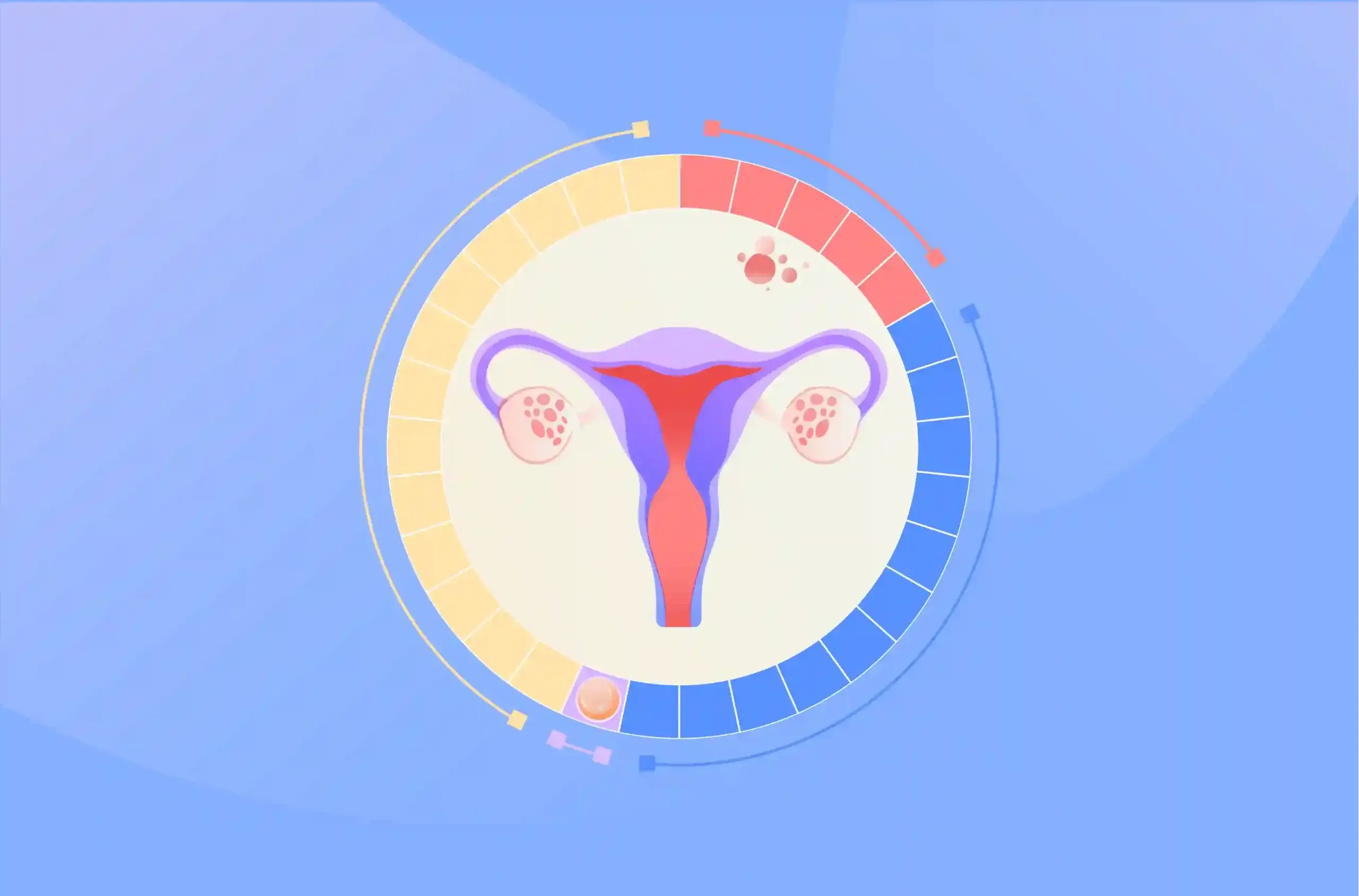
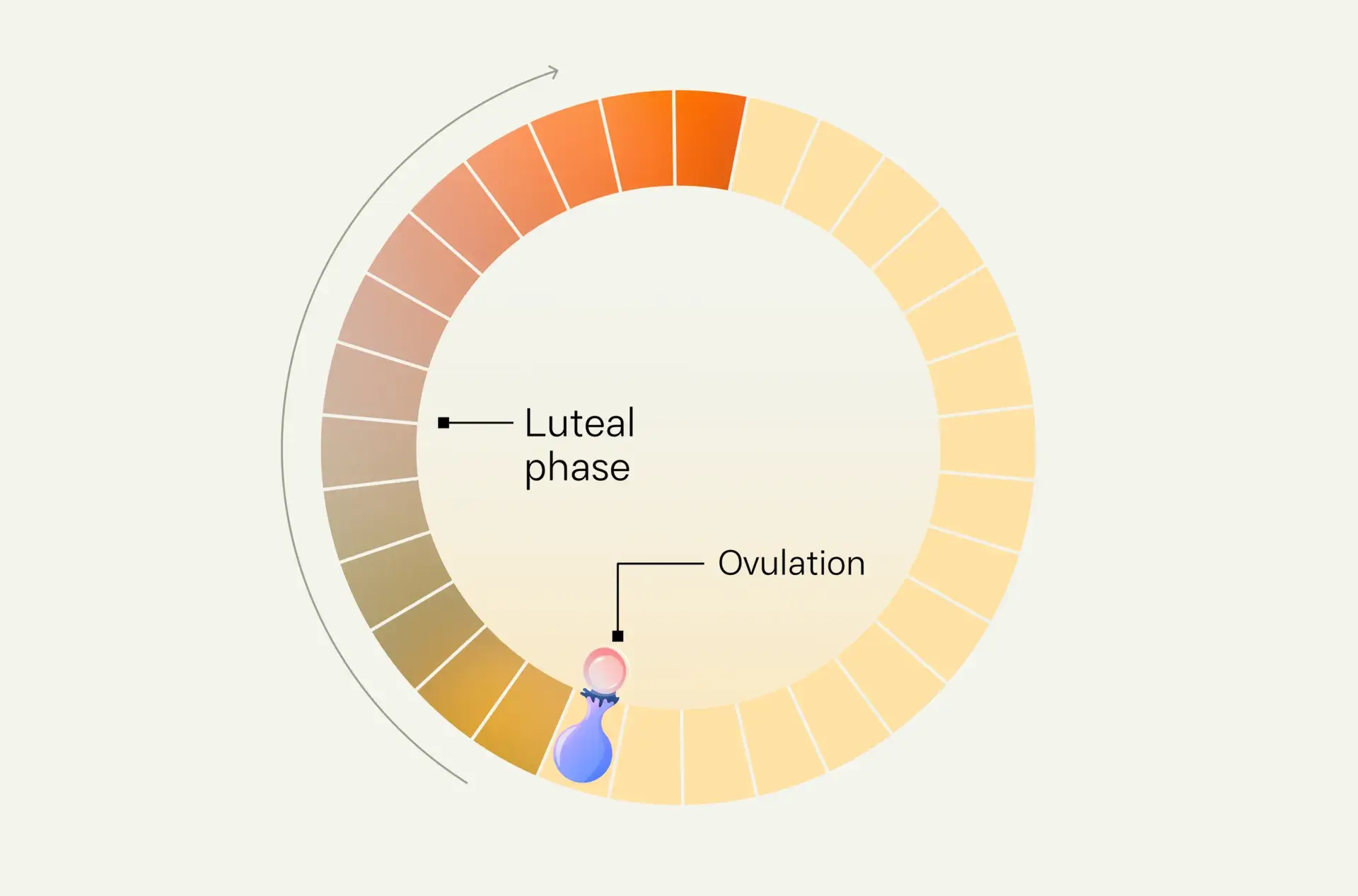
A luteal phase calculator helps estimate the length of the luteal phase. This phase is the time between ovulation and the start of your next period. Changes in the luteal phase prepare the uterus for implantation and early pregnancy. Understanding its length can help you track your cycles for fertility.
Women’s overall menstrual cycle length may vary from month to month. But the luteal phase tends to stay pretty consistent. Here’s how luteal phase calculators work and how you can benefit from using one.
Key Takeaways
- A luteal phase calculator estimates the length of the luteal phase (the time between ovulation and your next period).
- This phase prepares the uterus for implantation and supports early pregnancy through progesterone production.
- While overall cycle length can vary, the luteal phase is usually consistent, typically lasting 11–17 days (average 12–14 days).
- Accurate luteal phase calculation depends on knowing your exact ovulation day.
- Ovulation timing varies widely between individuals and cycles, making calendar-based estimates unreliable.
- A short luteal phase (<11 days) may signal potential issues and might require medical evaluation.
- Hormone tracking can confirm ovulation and improve calculation accuracy.
- Tracking your luteal phase over time helps identify patterns and better understand your hormonal rhythm.
What Is a Luteal Phase Calculator?
A luteal phase calculator helps to calculate the length of the luteal phase. It tells you the duration between ovulation and the start of your next period.
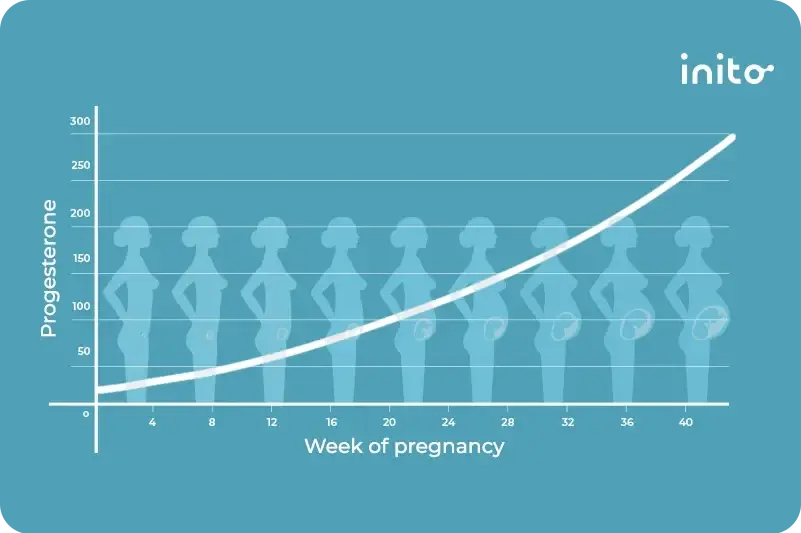
During the luteal phase, a hormone-producing structure in the ovary, called the corpus luteum, makes progesterone. Progesterone is the hormone that preps the uterine lining for implantation and pregnancy.
Ovulation generally occurs about 12–14 days before the next period. While it’s normal for the overall cycle length to vary from month to month, the luteal phase tends to be more stable than other parts of the cycle. For most women, the luteal phase ranges from 11 to 17 days (the average being 12–14 days).
Ready to start your fertility journey?
Get Inito Fertility MonitorWhy Should You Calculate the Luteal Phase?
Understanding this phase can provide useful insights into your cycle and fertility. Since this phase occurs after ovulation and before your next period, it reflects how long the body produces progesterone. It gives you insight into how much support the uterine lining has while preparing for implantation.
Tracking this phase over several cycles can help you identify patterns. It’s a good way to better understand your hormonal rhythm. However, luteal phase length alone can’t diagnose anything. This information should be combined with other tests and measurements before drawing conclusions about your health and fertility.
How Do You Calculate Your Luteal Phase Length?
You need to know two important days to calculate the length of the luteal phase. These include:
- Your ovulation day
- Next period date
In simple terms: Luteal phase length = Next period date - Ovulation date
For example, say ovulation happens on April 15th. And your period starts on April 28th. The length of your luteal phase is 28-15 = 13 days.
The accuracy of this calculation relies on knowing your ovulation date for sure, rather than guessing.
What’s Wrong With Most Luteal Phase Calculators?
Unfortunately, many traditional luteal phase calculators rely on estimated ovulation dates. They often assume that ovulation occurs around cycle day 14 or on a fixed number of days before the next period. But that’s not true for every woman.
In reality, ovulation timing can vary significantly from person to person. Even in the same person, it can vary from one cycle to the next.
Research on menstrual cycle variability has shown that ovulation doesn’t always occur on the same day each cycle. Relying solely on calendar predictions can lead to inaccurate estimates of the luteal phase.
For example, a study showed that only 14% of women with a 28-day cycle actually ovulated on cycle day 14. The most common ovulation day turned out to be day 16 (21%). There was also a wide range of ovulation days, ranging from cycle day 11 to 20.
Another study found a 10-day spread of observed ovulation days in a 28-day cycle. In this study, the most common day of ovulation was day 15.
Given the possible variations in ovulation, it’s easy to make mistakes when calculating the luteal phase based on standards rather than your personal data.
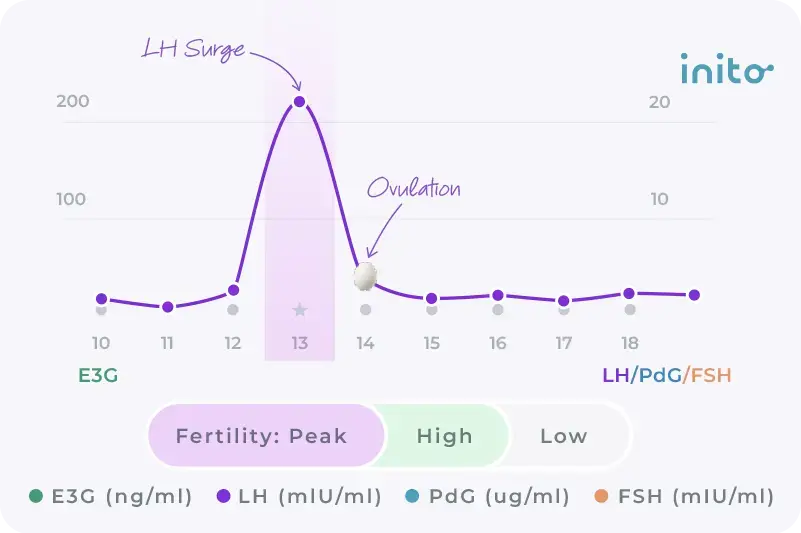
This is where the Inito Fertility Monitor can help. Unlike basic prediction methods, Inito Fertility Monitor tracks four key fertility hormones, including:
- Luteinizing hormone (LH)
- Estrogen
- PdG (the urine metabolite of progesterone)
- Follicle-stimulating hormone (FSH)
Inito gives you your full fertile window by tracking estrogen and LH. It also confirms ovulation with a steady and consistent rise in your PdG levels afterwards. By tracking hormone patterns, Inito provides a more accurate way to determine your ovulation date and calculate luteal phase length.
What Does a Short vs. Long Luteal Phase Mean?
The length of the luteal phase is different for different women. Here’s what’s considered “short luteal phase” versus “long luteal phase” and what that means for you.
A short luteal phase lasts less than 11 days.
In some cases, this may be associated with Luteal Phase Defect (LPD). LPD is a condition where the body doesn’t make enough progesterone. Or, the body doesn’t respond well to the progesterone it produces.
Progesterone is essential to get the lining of the uterus ready for implantation. LPD may affect the uterus’s ability to support early pregnancy.
A long luteal phase lasts for more than 17 days. Long luteal phases are less common and may mean a few different things, such as:
- Mistakes in calculating your ovulation date
- An early, unrecognized pregnancy
- Hormonal imbalances that cause irregular cycles, such as polycystic ovary syndrome (PCOS)
If it seems like your luteal phase is longer than 17 days, it’s advisable to take a pregnancy test and follow up it with your doctor. Hormonal imbalances can affect your fertility and general health.

See how Inito will fit into your unique fertility journey
Take 5 min free fertility assessment and get a personalised hormone report
What Are the Advantages and Drawbacks of a Luteal Phase Calculator?
A luteal phase calculator (powered by hormone data) can help you:
- Know your typical luteal length
- Monitor your patterns over several cycles
- Notice changes to discuss with your doctor
But it’s not enough to:
- Diagnose fertility disorders
- Predict pregnancy or miscarriage risk
- Replace medical evaluation
If you’re concerned about your luteal phase length, it’s best to consult your healthcare provider.
Summary
A luteal phase calculator helps you estimate the length of the phase between ovulation and your next period. This phase is driven by progesterone and is crucial in preparing the body for pregnancy. Tracking it can help you understand cycle patterns, identify potential irregularities, and have more informed decisions with your doctor.


Reach your fertility goals with full confidence
FAQs
Contributor

Anastasia Climan
RDN, CD-N
Was this article helpful?
Share it on

Get a free guide Luteinizing Hormone (LH) by Inito