



Content table
The winter season can affect your menstrual cycle—so if your period feels different when the weather changes, you’re not imagining it.
Changing seasons, especially the shift into winter, can influence women’s menstrual cycles by affecting mood, overall health, and the regularity of ovulation.
Your hormones don’t operate in isolation. They respond to light, sleep, stress, dietary habits, movement, and even temperature. When those shift, your cycle may shift too.
Research shows ovulation happens more consistently in summer (around 97%) compared to winter (around 71%). With increased sunlight and longer daylight hours in summer, hormone secretion tends to be stronger. If ovulation is delayed in winter, your period comes later. That’s why cycles often feel longer during colder months.
This doesn’t automatically mean something is wrong. It’s usually a sign that your body is adapting. Let’s break it down.
Key Takeaways
- Seasonal shifts in menstrual cycles are normal for many women.
- The winter season can influence your menstrual cycle by altering hormone signals.
- Some studies show that ovulation tends to be more frequent in summer.
- Reduced sunlight exposure may delay ovulation.
- Melatonin rises more during shorter days and can slow reproductive signals.
- Vitamin D drops in winter and may worsen premenstrual symptoms.
- Regular physical activity and staying active support hormone balance year-round.
- Tracking hormones helps you see real patterns.
- If cycles stay irregular for months, talk to your doctor.
What Influences Your Menstrual Cycle?
Women’s menstrual cycles are influenced by a wide range of internal and external factors.
Your body responds to light exposure, sleep patterns, dietary habits, physical activity, stress, and overall health. When the seasons change, all of these factors can shift—sometimes all at once.
Ovulation is what sets the clock. Your period usually arrives about 12-14 days after ovulation. So if ovulation gets pushed to later, your menstrual cycle gets longer.
That’s why delayed periods are more common in the winter season than in the summer.
Seasonal changes can also influence premenstrual symptoms like mood swings, bloating, breast pain, headaches, menstrual pain, and fatigue. Women tend to notice stronger symptoms when stress levels rise or when their routine shifts dramatically.
Regular physical activity can reduce period pain, improve blood flow, support metabolism, and help stabilize mood. These lifestyle factors play an important role in menstrual health throughout the year.
Even your immune system and temperature regulation can contribute to cycle changes. Seasonal allergies, for example, can increase stress on the body. Extreme cold or even hot weather in summer can influence comfort and symptom intensity.
Your body is constantly adjusting to its environment.
How Does Winter Affect Menstrual Health?
Your body runs on a rhythm.
It depends on predictable signals to regulate sleep, mood, metabolism, and reproductive hormones. The winter season disrupts those signals more dramatically than other seasons.
Shorter days mean reduced sunlight exposure. And that shift plays a significant role in hormone production.
Sunlight, vitamin D, and hormonal fluctuations
Your internal clock depends heavily on light. Increased sunlight during summer is linked to shorter cycles and more frequent ovulation.
Less sunlight in winter means less vitamin D production. Reduced vitamin D levels have been connected to longer menstrual cycles, mood changes, and stronger premenstrual symptoms.
Colder temperatures may also affect blood flow and muscle tension, potentially contributing to stronger period pain or menstrual discomfort.
Sleep, melatonin, and ovulation
When daylight drops, your sleep-wake rhythm shifts too.
Melatonin—your sleep hormone—responds directly to light and darkness. During winter, when nights are longer, melatonin stays elevated longer.
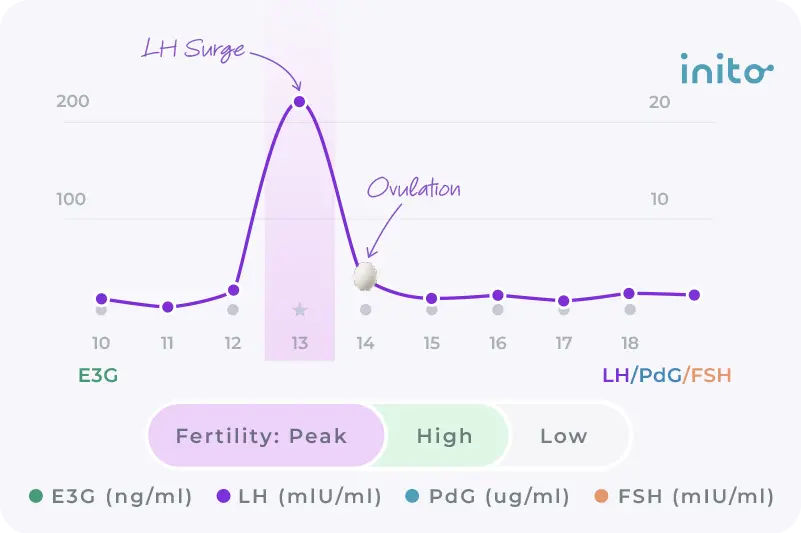
Higher melatonin levels have been linked to lower luteinizing hormone (LH). LH is the hormone that triggers ovulation. If LH signals are delayed, ovulation can happen later.
For example, if you usually ovulate on day 14, winter might shift it to day 19 or 20. Your menstrual cycle just became longer. That’s why later periods are common in winter.
It doesn’t mean your body is failing. It means it’s adapting.
Diet and nutrition
Colder weather often changes dietary habits. You might crave comfort foods. Warmer meals. Heavier carbs. Fewer fresh fruits and vegetables.
This isn’t about willpower. It’s about survival instincts.
Know more: 11 Natural Ways and Diet Tips to Balance Your Hormones
But large shifts in diet can influence hormonal balance. Your cycle depends on steady communication between your brain and ovaries. That communication requires nutrients.
Vitamin D plays a significant role here too. When sunlight drops, vitamin D levels drop—unless you’re intentionally supporting it in other ways.
Vitamin D helps regulate calcium. Calcium affects muscle contraction. Your uterus is a muscle. When calcium balance shifts, period pain and cramps can feel stronger.
Physical activity
In winter, you move less. You spend more time indoors. You sit more. You might exercise less frequently.
Regular physical activity supports hormonal balance because it stimulates the hypothalamic-pituitary-adrenal (HPA) axis, responsible for managing stress. When movement decreases significantly, hormone regulation can shift—potentially leading to delayed ovulation.
Stress and mood
Let’s be honest. Winter feels heavier.
Shorter days. Dark mornings. Cold evenings. Less social activity.
Your routine shifts quietly. And your body feels it.
Stress levels can rise during winter, from things like disrupted sleep, work pressure, or even seasonal affective disorder (SAD). Chronic stress increases cortisol, which directly communicates with reproductive hormones.
Elevated stress can interfere with the signal that triggers ovulation. If ovulation is delayed, your period is delayed.
Know more: Stress and Fertility: Is It Actually Hurting Your Chances?
Lower sunlight can also reduce serotonin, the brain chemical that regulates mood, digestion, sleep, and thinking. That’s why PMS can feel more intense in the winter months.
When serotonin dips, you might notice more fatigue, lower motivation, sharper mood swings, PMS symptoms that feel stronger, or cramps that feel more intense. Add everyday stressors on top of seasonal changes, and that can make your cycle longer.
Not because something is wrong. Because your body prioritizes stability and survival signals when needed.
How Can Hormone Tracking Help You Understand Seasonal Shifts?
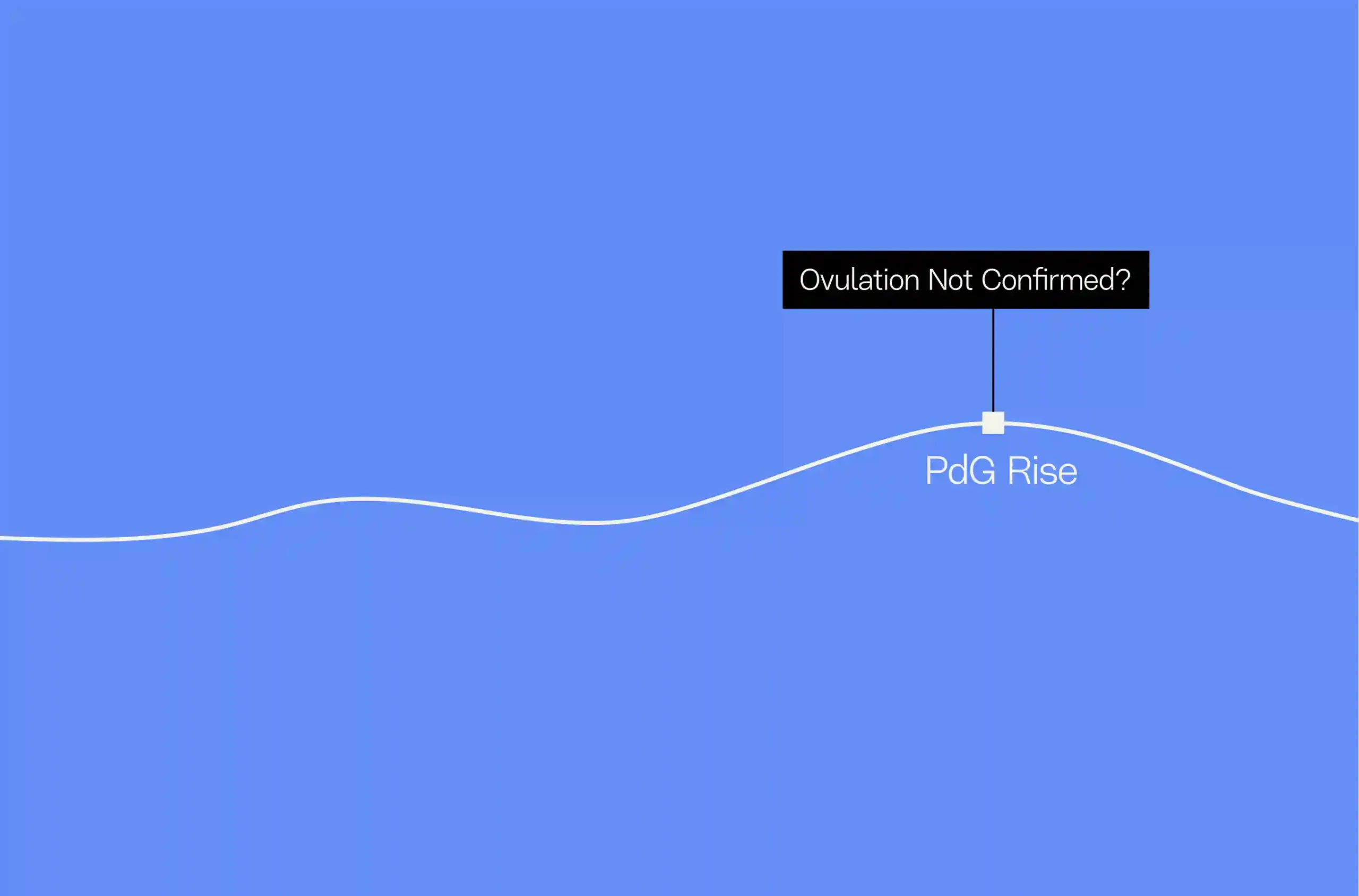
If ovulation shifts later in winter, a calendar app may label you as “late.” But calendar tracking doesn’t show what your hormones are doing.
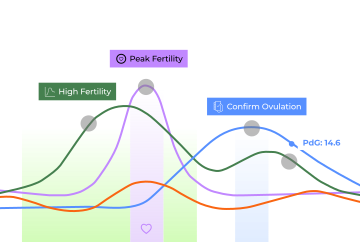
Tracking hormone levels can give insight into ovulation timing. This is especially important if you’re trying to conceive (TTC). If ovulation shifts, your fertile window shifts too.
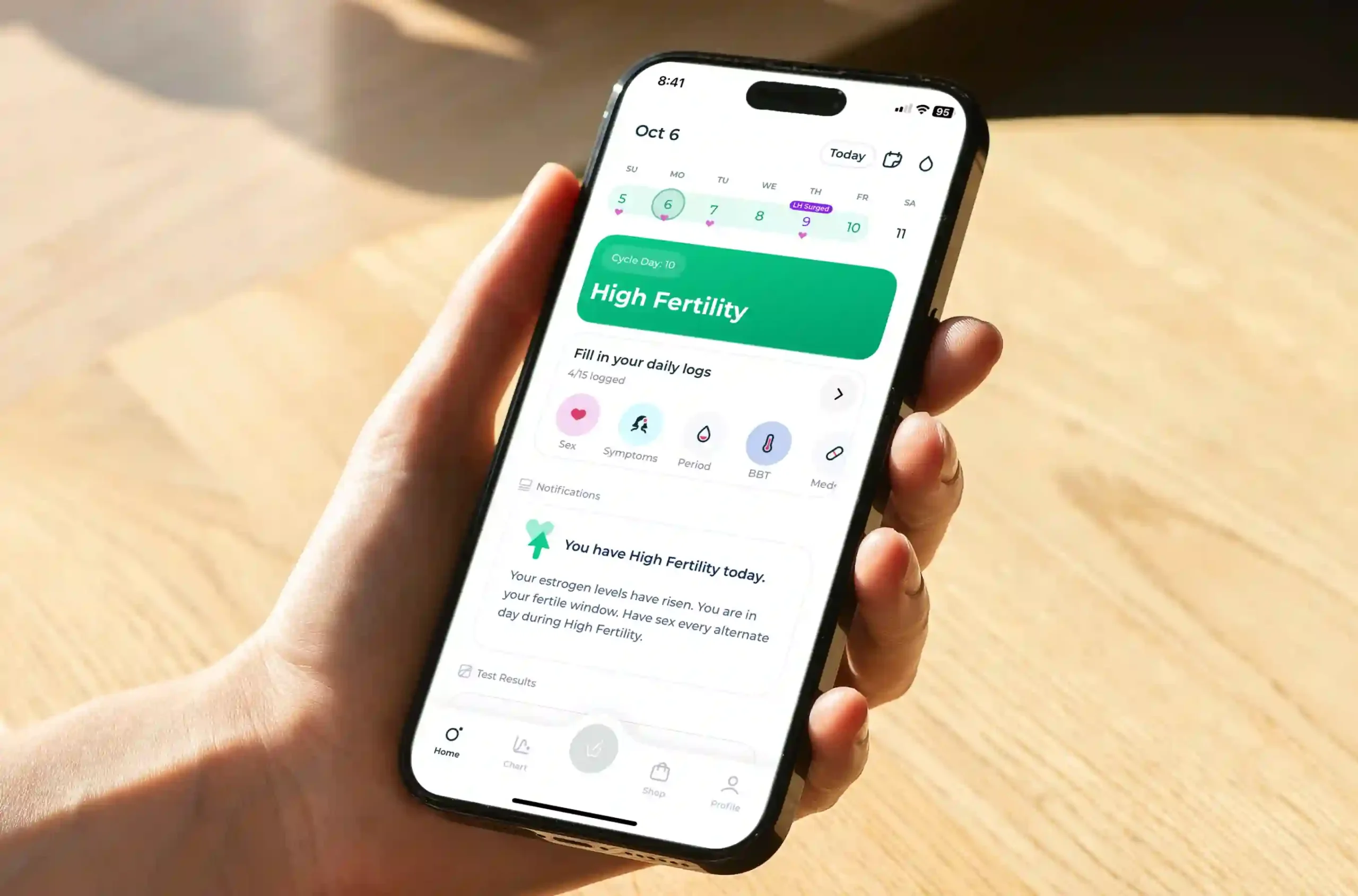
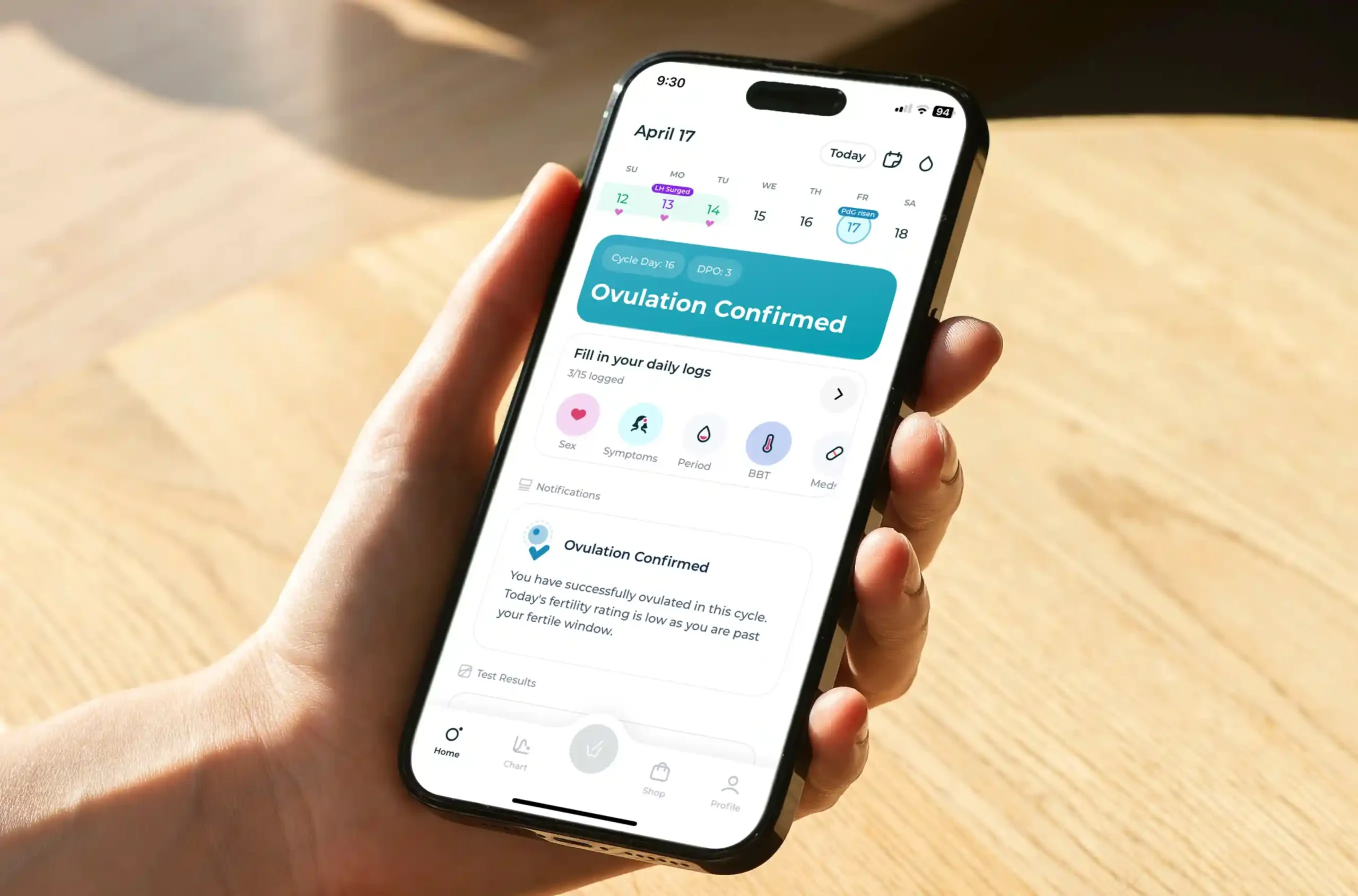
Inito tracks key fertility hormones to help you identify your fertile window and confirm ovulation—even when seasonal changes make menstrual cycles less predictable. Understanding what your hormones are doing reduces stress. It replaces guessing with real data.
How Can You Support Your Cycle During Winter?
If you notice changes during the winter season, small adjustments can support your health.
Get morning sunlight when possible. Getting outside for even a short time during daylight hours can help to regulate your circadian rhythm.
Go to bed and wake up at the same time every day—even on weekends. Limit scrolling on bright screens late at night.
Stay active with light, consistent physical activity. Exercise supports metabolism, blood flow, and hormone balance.
Eat balanced meals and stay hydrated. While high humidity in summer can cause fluid retention, dehydration in any season can worsen bloating.
Manage stress intentionally. That could mean therapy, journaling, relaxation exercises, or simply slowing down.
Track your menstrual cycles. If they become consistently irregular, talk to your healthcare provider. Seasonal shifts are common. Persistent changes might need a closer look.
It’s not just the temperature that changes. Your rhythm shifts too—and that’s often how the winter season can affect your menstrual cycle.

FAQs
Yes, it can. Reduced sunlight exposure, changes in sleep, and increased stress can influence hormones, sometimes leading to slightly longer cycles.
They can. Melatonin rises during shorter days, and stress hormones may increase. These hormonal fluctuations can affect ovulation timing.
Usually, no. But some women notice slightly longer cycles in winter due to delayed ovulation.
Yes. Seasonal shifts in light, stress, and activity levels can delay ovulation and cause delayed periods.
Cold alone won’t cause a missed period, but significant stress or hormonal shifts may contribute.
Bleeding days may not change, but total cycle length often increases.
Delayed ovulation due to stress, lifestyle changes, illness, or seasonal changes can cause this.
Yes. Light exposure, temperature, metabolism, and stress all play a significant role in hormonal regulation.
Yes, especially the transition into winter.
It can. Factors more common during the winter—like reduced sunlight, less movement, changes in diet and sleep—can worsen premenstrual symptoms and period pain.
Extreme environmental stress may contribute, but everyday stress and lifestyle factors are more common causes.
Chronic stress can contribute to hormonal changes, but true hormonal imbalance usually involves multiple factors such as lifestyle changes, stress levels, exercise, food habits, etc..
Reduced sunlight increases melatonin, potentially leading to delayed ovulation and delayed periods.
Indirectly, yes—mainly through reduced sunlight, and changes in routine, sleep, stress, and activity.
Yes. Travel, time zone shifts, and lifestyle disruptions can influence ovulation timing.
Yes, When ovulation shifts due to seasonal factors, your period shifts too.
Was this article helpful?
Menstrual cycles are influenced by sunshine – PubMed
Light exposure, melatonin secretion, and menstrual cycle parameters: an integrative review – PubMed
How Does Physical Activity Modulate Hormone Responses? – PMC
Effect of sunlight and season on serotonin turnover in the brain – PubMed
Seasonal variations of menstrual cycle length in a large, US-based, digital cohort – PubMed
25-Hydroxyvitamin D and Long Menstrual Cycles in a Prospective Cohort Study – PubMed
Light exposure, melatonin secretion, and menstrual cycle parameters: an integrative review – PubMed
The effect of physical activity across the menstrual cycle on reproductive function – PMC