PMS vs Pregnancy Symptoms: Spotting the Differences
Published on Oct 30, 2025


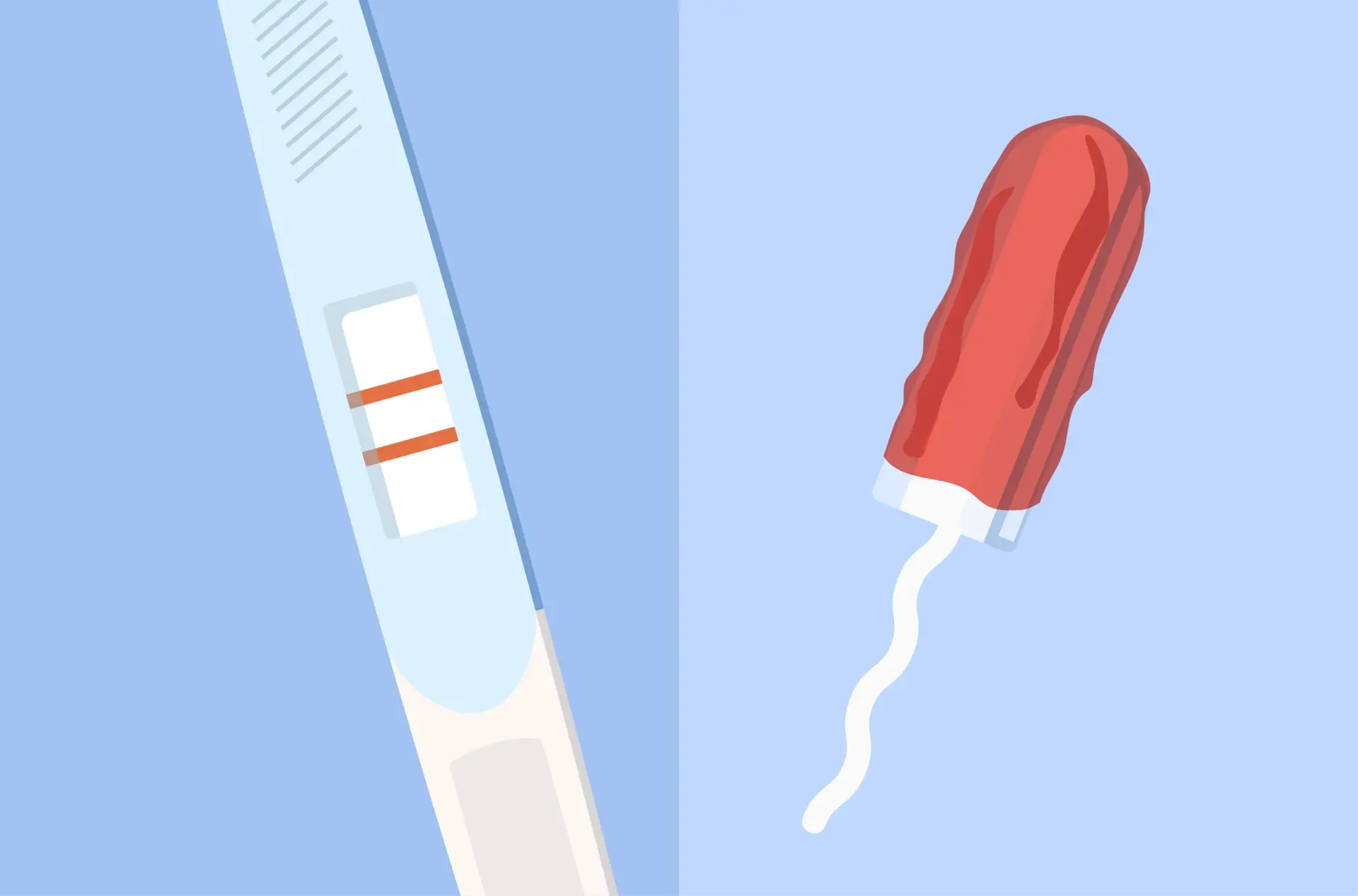
PMS vs pregnancy symptoms aren’t always easy to tell apart. Almost 90% of women with successful pregnancies have symptoms similar to PMS in the earliest stages of pregnancy. Because so many of the symptoms overlap, it’s easy to wonder: Am I getting my period, or could I be pregnant?
While the only way to know for sure is to take a pregnancy test, some signs and symptoms may point you to the right direction. Here’s everything you need to know about PMS vs pregnancy symptoms.
Key Takeaways
- Most symptoms of PMS are the same as the symptoms seen in early pregnancy.
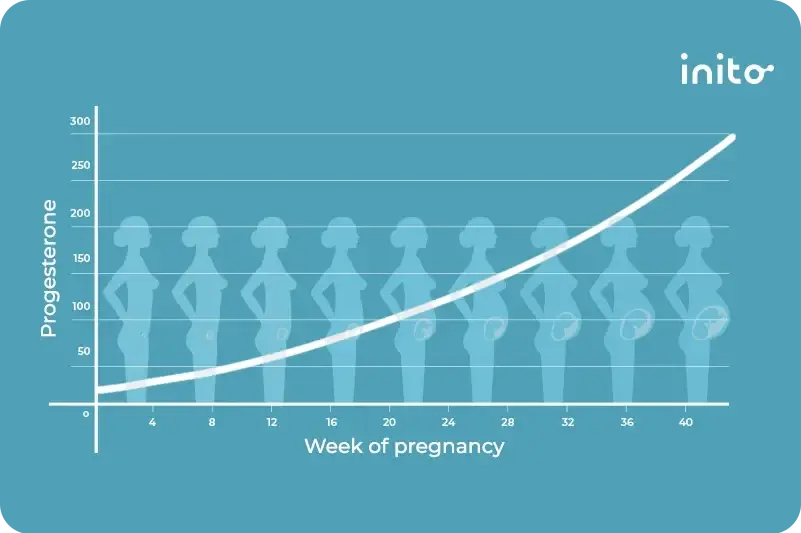
- Symptoms of PMS and pregnancy are driven by fluctuating progesterone levels. Overlapping symptoms include pelvic pain, breast tenderness, mood fluctuations, frequent urination, and food cravings.
- Early pregnancy may cause:
- Darker areolas (the ring surrounding your nipple)
- Nausea or vomiting
- Aversions or a feeling of disgust for certain foods.
- However, symptoms alone aren’t enough to know whether you’re pregnant or not.
- Whether you’re pregnant or having symptoms of PMS, exercise, eating right, and getting enough rest can help.
- When the time comes, you can take a pregnancy test to find out what’s really going on.
Why Do PMS and Early Pregnancy Symptoms Overlap?
FIrst, let’s quickly go over what PMS is.
PMS or premenstrual syndrome is a group of physical, behavioral, and emotional symptoms. It affects women during the two weeks before their period.
PMS is pretty common, affecting about 30–40% of women of reproductive age. Research shows that nearly 80–90% experience at least one PMS symptom during their cycles.
Why do these symptoms occur?
During ovulation, the follicle releases an egg waiting to be fertilized. And after the egg release, this empty follicle forms a structure called the corpus luteum. The corpus luteum releases the hormone progesterone during the second half of your menstrual cycle (aka luteal phase). This happens irrespective of whether fertilization has happened or not.
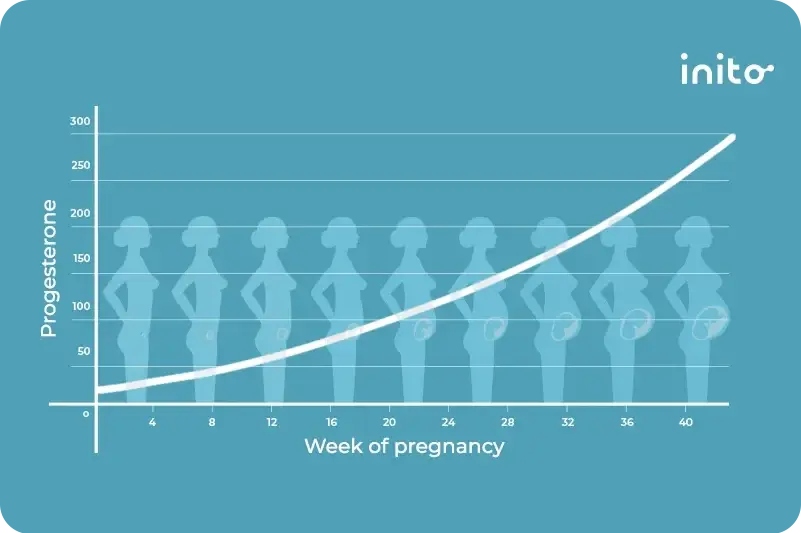
Early pregnancy and PMS symptoms feel similar because they’re both driven by rising progesterone levels. During this stage, it’s still too early to determine the cause of these symptoms. Tracking your symptoms monthly can help you recognize what’s normal for your body. But you’ll still need to wait before knowing for sure.
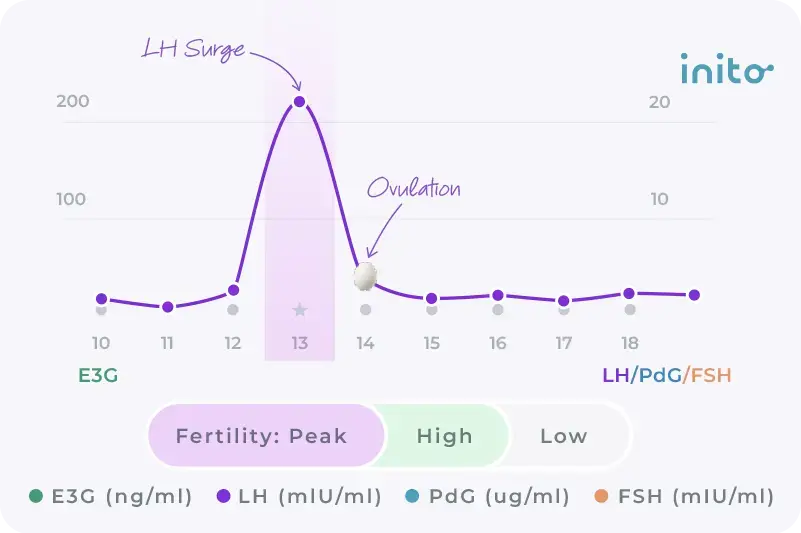
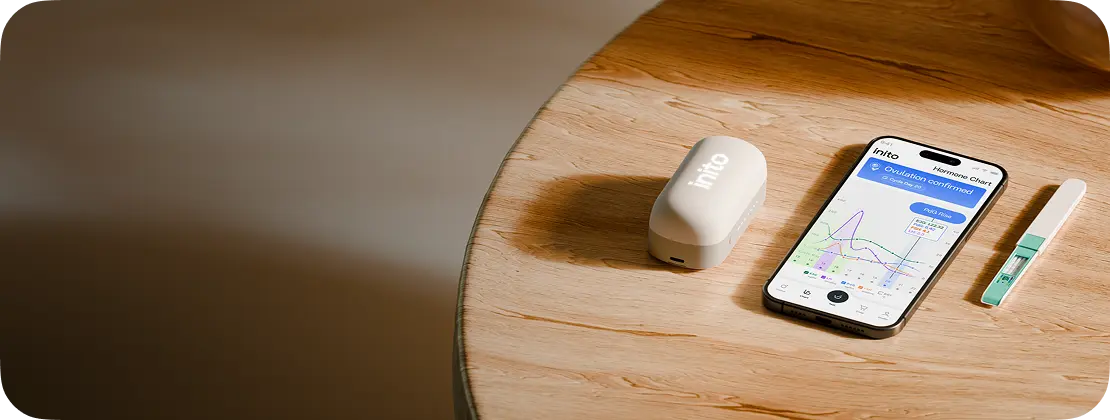
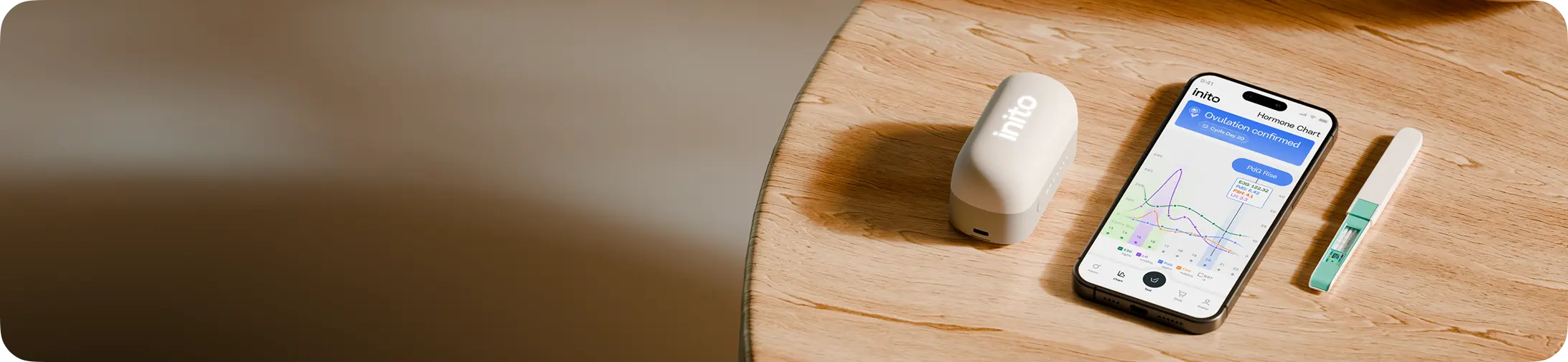
Tools like the Inito app let you log 20+ symptoms daily and sync with the Inito Fertility Monitor, which can track 4 key fertility hormones - LH, estrogen, PdG, and FSH. Together, all this info is helpful for both predicting and confirming ovulation.
Ready to start your fertility journey?
Get Inito Fertility MonitorCommon Symptoms of PMS and Pregnancy
| Common Symptoms | PMS | Pregnancy |
|---|---|---|
| Mood swings | These symptoms of PMS typically happen before menstruation. Estrogen levels that fluctuate during the luteal phase are responsible for mood changes. | Estrogen, progesterone, and human chorionic gonadotropin (hCG) cause pregnancy-related mood changes. If you have stronger symptoms or have missed your period, you may be pregnant. |
| Frequent urination | Progesterone may make the bladder more sensitive or active, causing urinary symptoms. | Changes during pregnancy also affect the urinary tract. Factors include: Hormone shifts Uterine compression Pelvic floor muscle changes |
| Constipation | The rise in progesterone before menstruation slows digestion. Temporary diarrhea may happen once the period begins as progesterone drops rapidly. | Constipation affects up to 38% of pregnant women (especially in the first two trimesters). Pregnancy hormones cause slower bowels. |
| Breast pain and tenderness | Cyclical breast pain can begin about 2 weeks before your period, may get worse, and then go away when the period ends. Discomfort increases as estrogen causes enlarged breast ducts. Progesterone causes milk glands to swell and feel sore. | Tenderness and swelling usually last for weeks. Progesterone rises in pregnancy, increasing blood flow to your breasts. |
| Fatigue | Low estrogen and rising progesterone contribute to fatigue before a period. Fatigue may go away once the period begins. PMS can make you feel tired and interfere with normal sleep habits. | Early pregnancy fatigue happens from progesterone and increased blood volume for the placenta and fetus. Your heart pumps faster and stronger, resulting in faster pulse and breathing rates. |
| Abdominal cramps or pain | Abdominal cramping and backaches are from rising progesterone in the luteal phase. Dull, throbbing pain usually starts in the lower abdomen and occurs just before and/or during menstruation. | Implantation cramping is usually around 8-10 DPO. Cramps happen after the fertilized egg travels down the fallopian tube and attaches to the uterine wall. It’s a dull aching pain (not as intense as period cramps) and lasts 1 to 2 days. Know more: What Do Implantation Cramps Feel Like? |
| Food cravings | Estradiol is associated with carb cravings. Progesterone is linked with cravings for sweetened beverages. | You might crave certain foods or develop aversions (distaste) to others. Aversions may be caused by increasing hCG and changes in olfactory and taste sensitivity. Food cravings and aversions affect 61% and 54% of women, respectively. |
Know more: DPO Symptoms: Tracking Days 1 – 12 Past Ovulation

See how Inito will fit into your unique fertility journey
Take 5 min free fertility assessment and get a personalised hormone report
What Symptoms Are Specific to Early Pregnancy Only?
Despite many similarities, certain symptoms are more likely to happen in early pregnancy than with PMS. Here are some telltale signs that a positive pregnancy test may be on the way.
Morning sickness (Nausea and vomiting)
Nausea happens to 65.5% of pregnant women. Fortunately, it usually subsides by the 2nd trimester. Nausea may begin around 4–9 weeks of gestation. It peaks around the 7th to 12th week and should subside by the 16th week.
Experts aren’t exactly sure what causes nausea in pregnancy. There may be a few different reasons for it. First, lots of hormone changes are happening, including an increase in β-HCG and estradiol. Physically, the intestines can become distended during pregnancy, contributing to nausea. Acid reflux is also common in pregnancy.
Nipple changes
During the first trimester, the ductal system (which holds breastmilk) expands. It branches out into the adipose (fat) tissue as estrogen increases.
Peri-areolar hyperpigmentation, or increased color, around the nipples. Hormone changes during pregnancy stimulate melanin, which makes the areola darker.
Implantation bleeding
Light bleeding or spotting happens during implantation in 15 to 25% of pregnant women. Implantation bleeding may look like your period. But it’s usually more pinkish-brown in color. Periods are more likely to be a crimson red color.
Know more: Implantation Bleeding Vs. Periods: How to Distinguish?
Delayed/missed period
Missing a period is one of the first signs of pregnancy. However, the only way to know for sure is by taking a pregnancy test.
Know more: Pregnancy Testing 101: How Soon After Ovulation Can You Test?
Tips To Get Your Symptoms Under Control
Whether your symptoms are related to PMS or early pregnancy, lifestyle changes can go a long way in making you feel better. Here are some ways to ease discomfort:
Eat right
Rising progesterone in the luteal phase can increase hunger and cravings, especially for carbs and sugary drinks.
Additionally, your body has greater energy needs during the luteal phase. You feel compelled to eat more calories.
Aim to substitute highly processed foods with healthier options to give your body the nutrition it needs. For cravings like sugar and fat, consider having some dark chocolate and nuts or a fruit smoothie with yogurt.
Know more: Best Foods to Eat During the Luteal Phase
Exercise
Exercise can boost your mood, reduce pain, and help with other common symptoms of PMS or early pregnancy. It can be tough to get started if you’re feeling fatigued. But the benefits are worth the effort.
There’s generally no medical reason to avoid activity, especially things like walking or swimming. Your healthcare provider can offer more specific exercise recommendations tailored to you.
Manage stress
Stress amplifies sympathetic activity, or your “fight-or-flight” responses. Menstrual pain may be heightened as a result, because of more intense uterine contractions.
Ensure that you follow a healthy sleep routine and get enough rest. Meditation, deep breathing, and yoga can help reduce stress.
Know more: Stress and Fertility: Is It Actually Hurting Your Chances?
Talk to your doctor
Only a positive pregnancy test, or your period can confirm PMS vs pregnancy symptoms. Either way, your healthcare provider can suggest safe treatment options to help you feel better.
Some women find massage, light therapy, and mental health counseling helpful. Cognitive-Behavioral Therapy (CBT) is a form of talk therapy. It helps modify the way your brain processes unpleasant thoughts and feelings. CBT can help you put your “mind over matter” and cope with issues like pain and fatigue.
If your symptoms are from PMS, over-the-counter medications can help. They may alleviate pain, headaches, cramping, bloating, and other common concerns. But if you think you could be pregnant, consult your healthcare provider before taking any medications or supplements.
If your symptoms are severe, persistent, and affect your daily life, you may be experiencing PMDD (Premenstrual Dysphoric Disorder), a serious form of PMS that affects 3–8% of women. Let your healthcare provider know. They can diagnose you and recommend treatment.
Reach your fertility goals with full confidence
FAQs
Contributor
Anastasia Climan
RDN, CD-N
Was this article helpful?
Share it on
Get a free guide Luteinizing Hormone (LH) by Inito