Content table
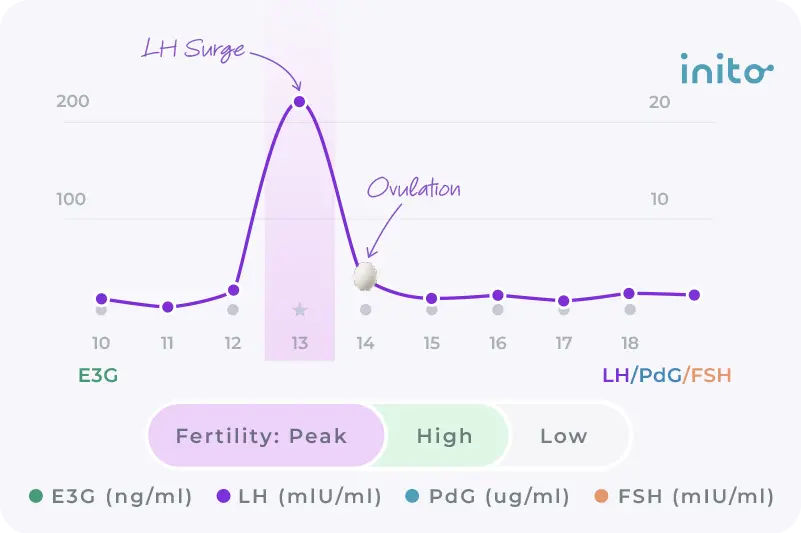
After you see an LH surge, it’s natural to expect ovulation to be confirmed right away. But ovulation isn’t confirmed at the surge; it’s confirmed by what happens next.
That’s where PdG comes in. If you’ve ever seen fertility ratings on Inito like:
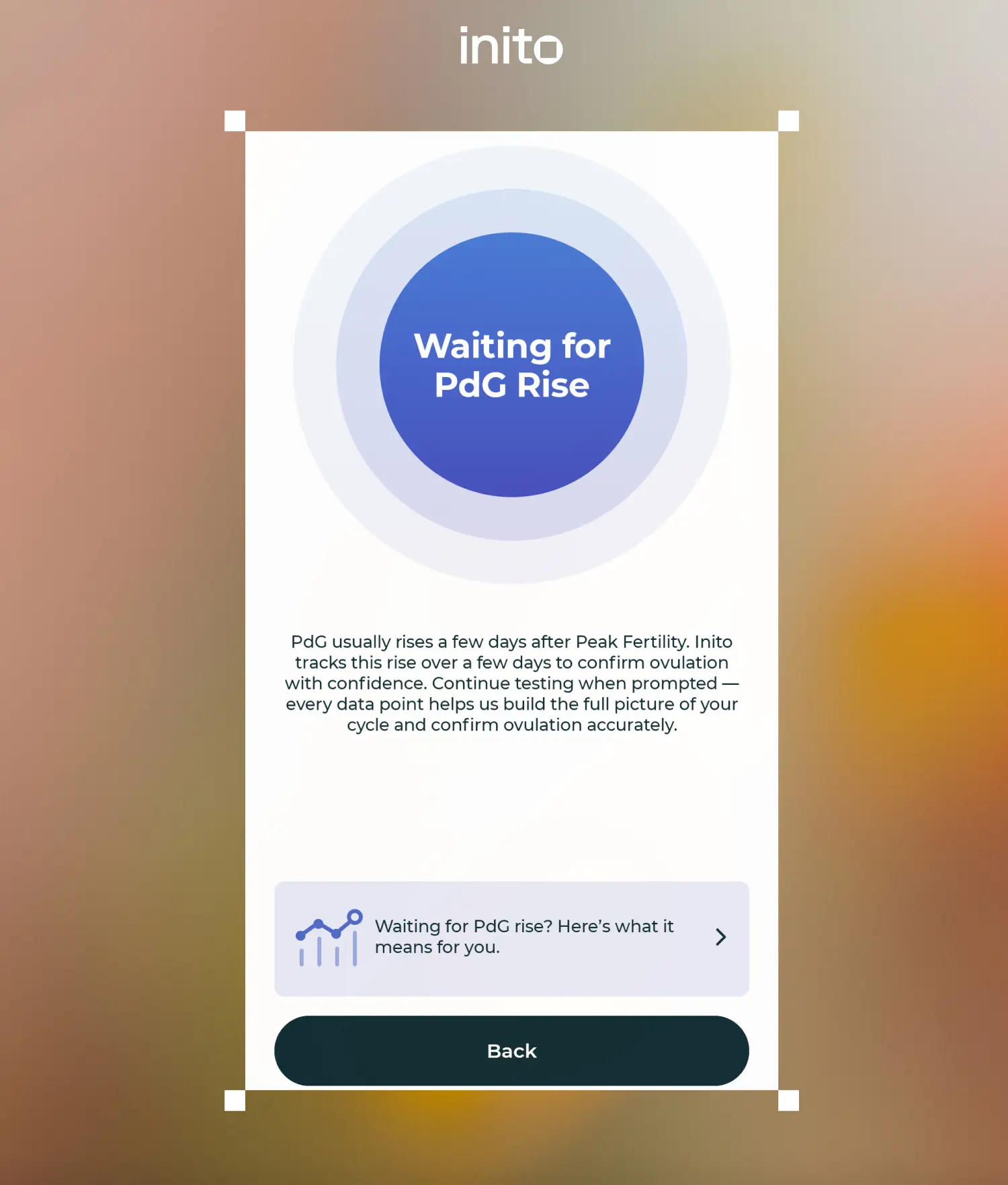
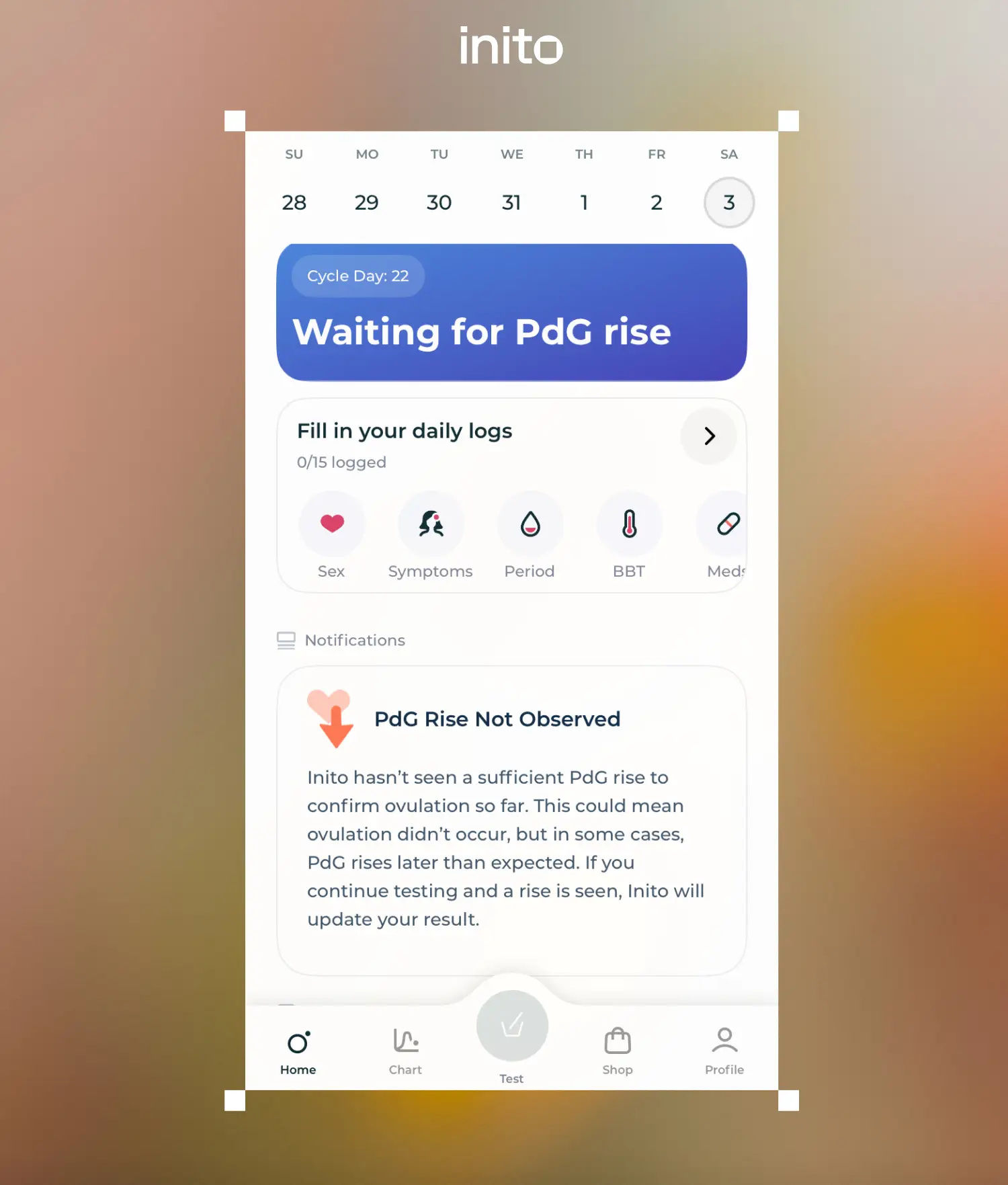
- Waiting for PdG Rise
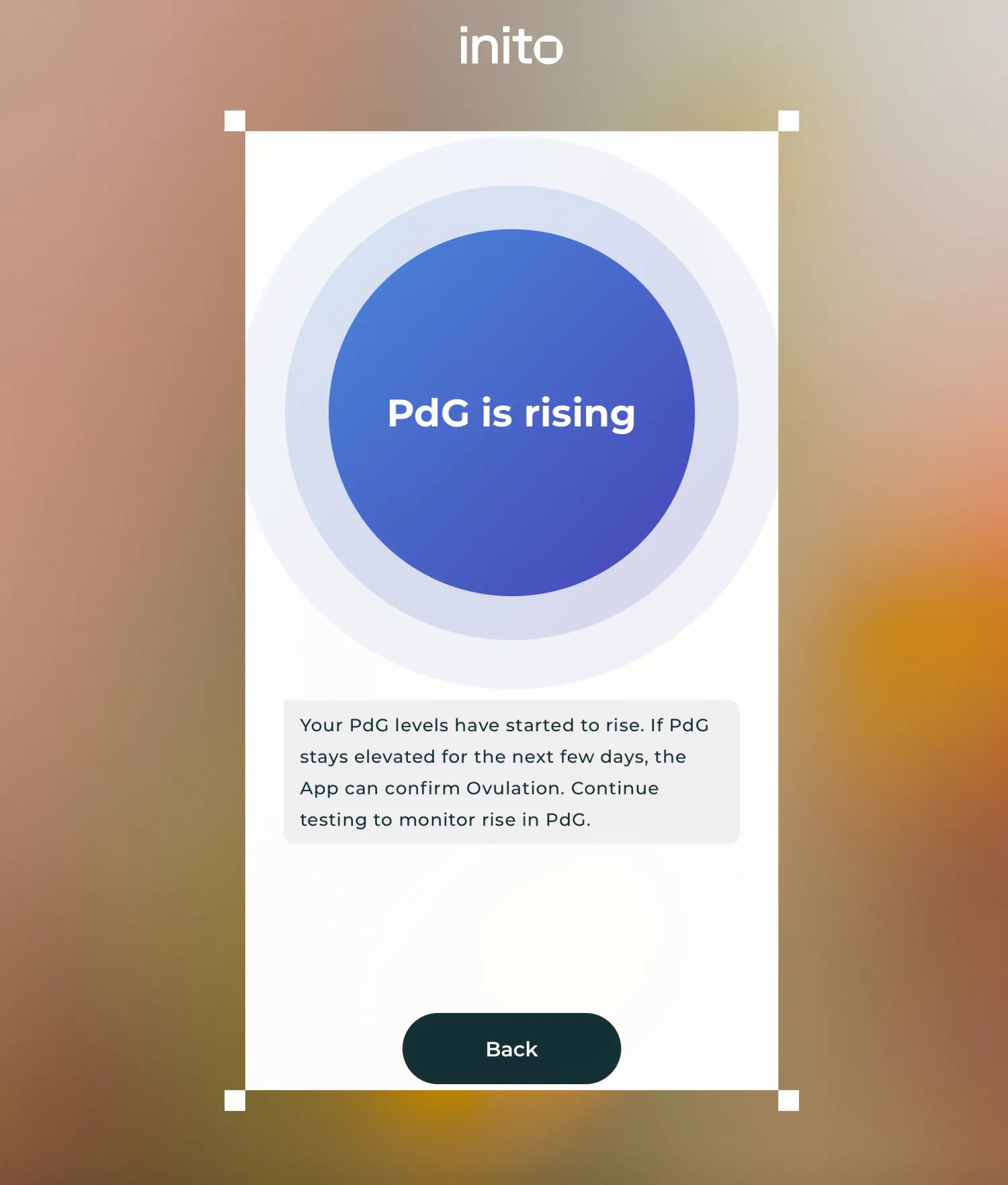
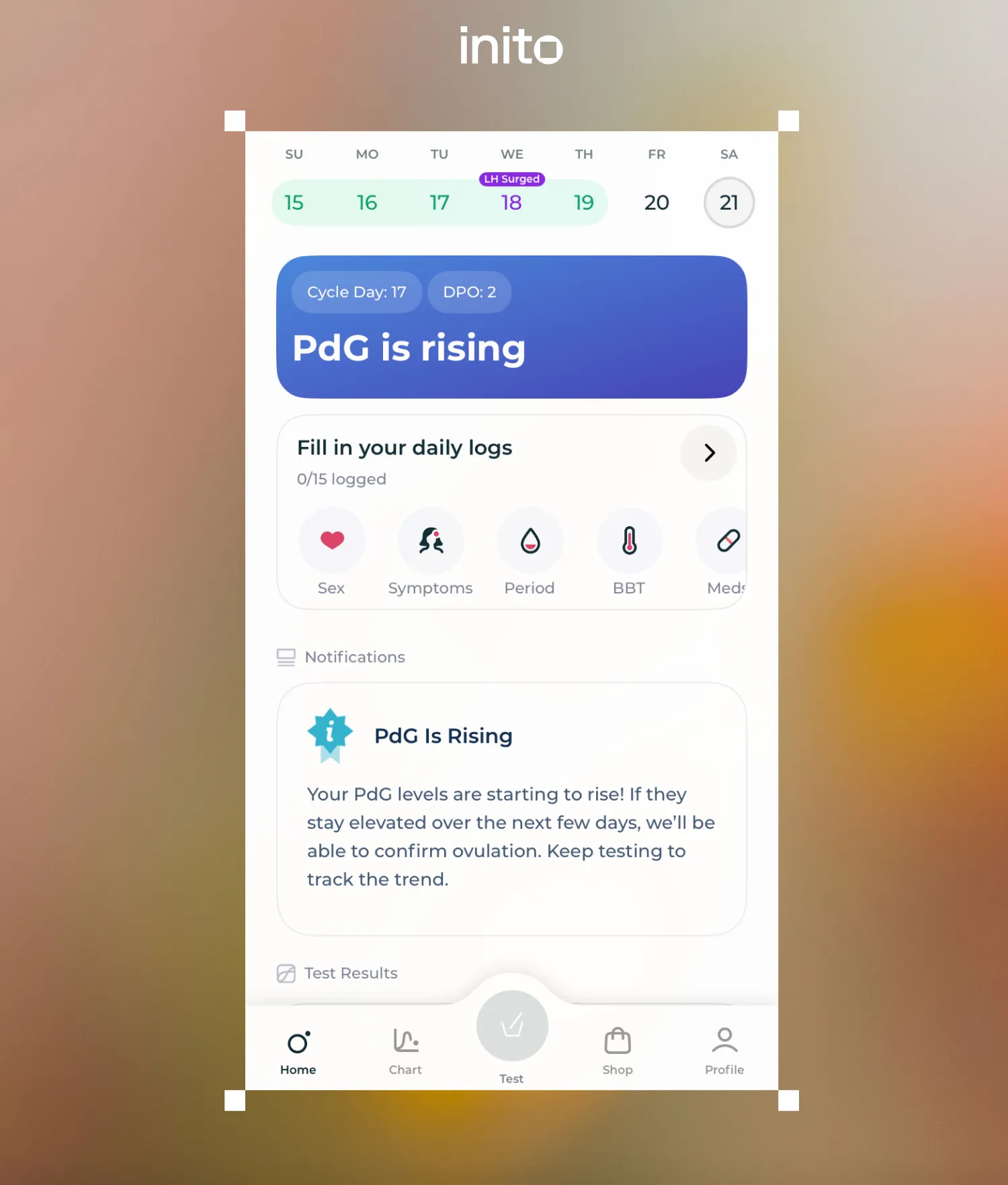
- PdG Is Rising
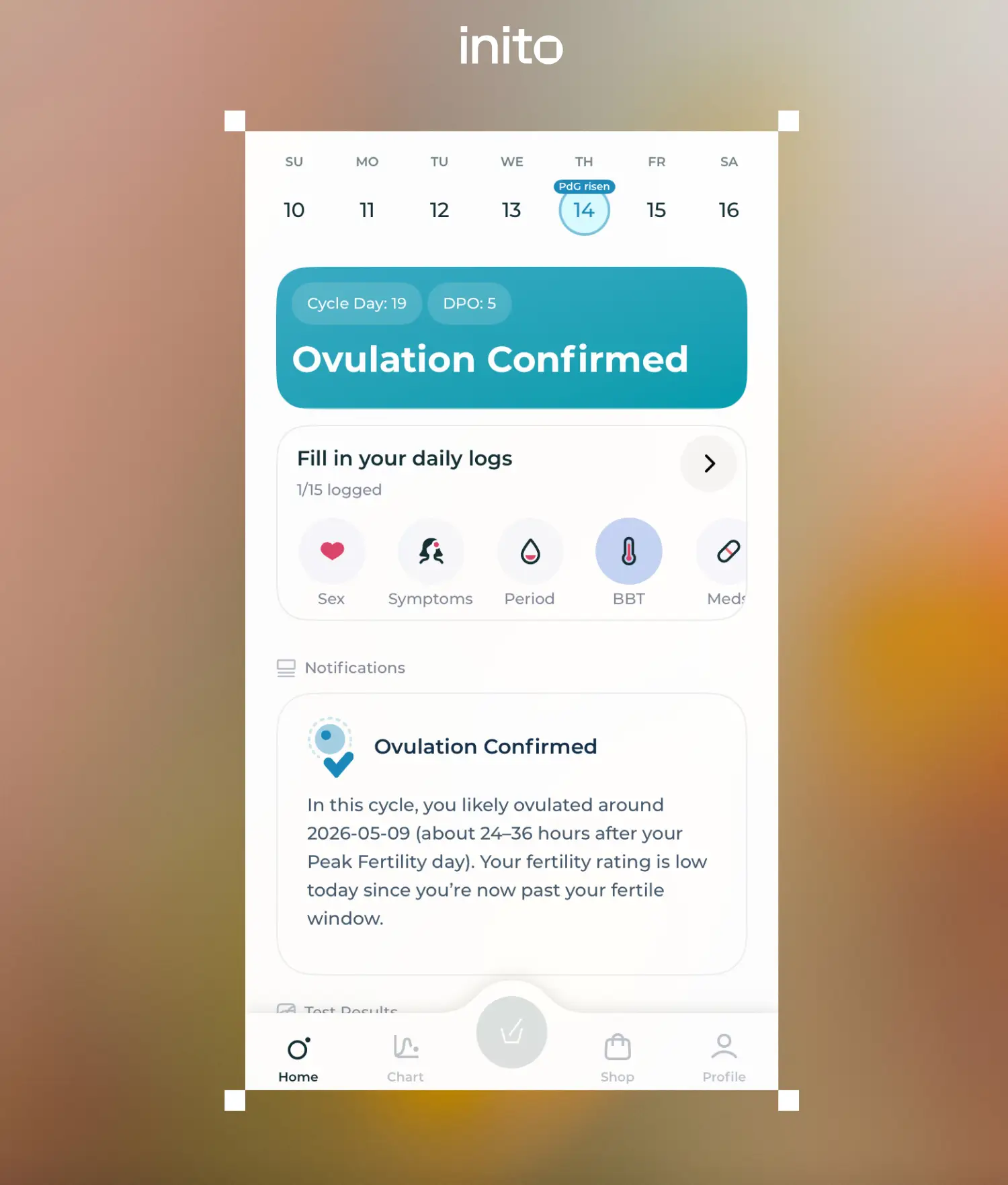
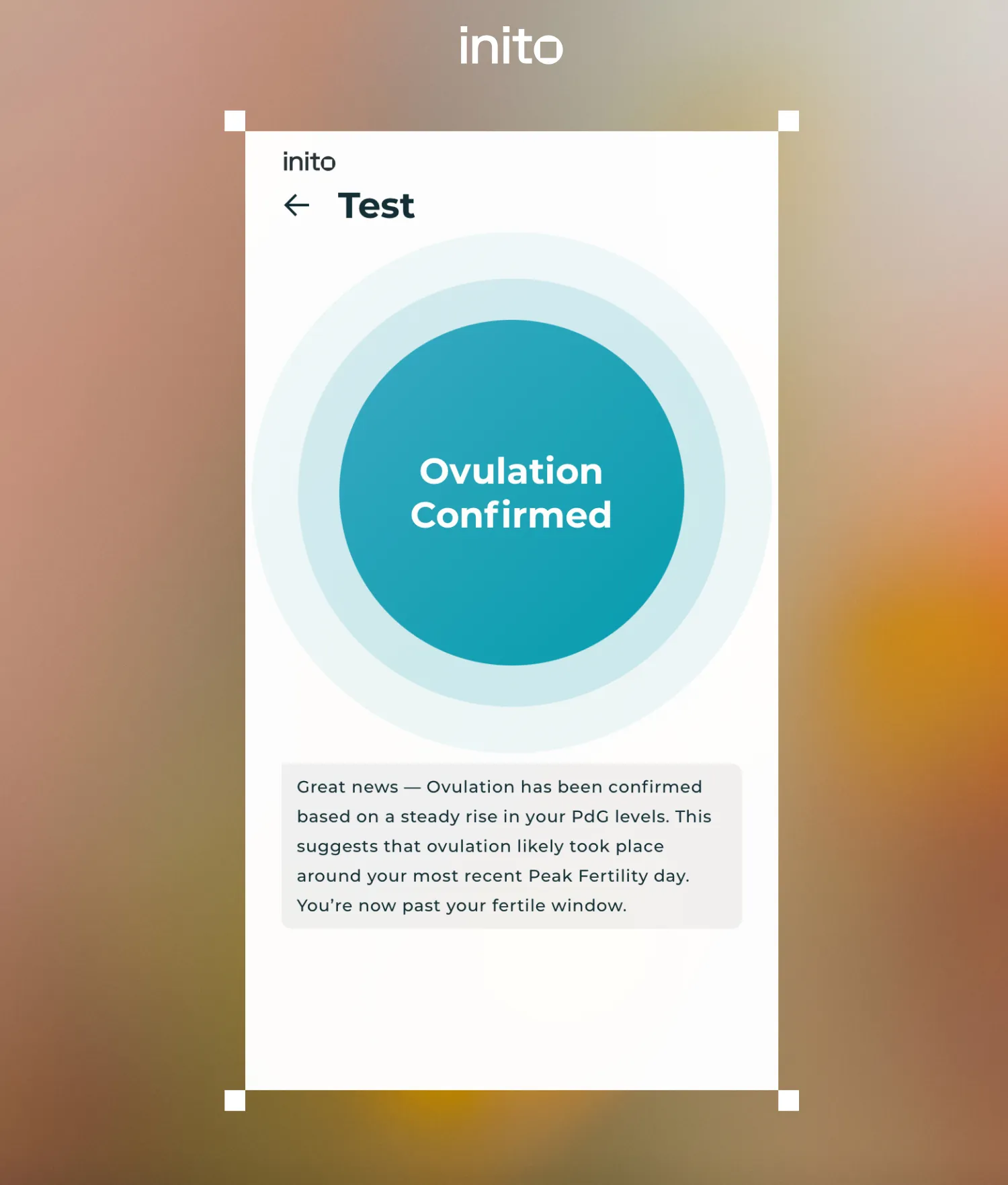
- Ovulation Confirmed
- Ovulation Unlikely
and wondered what they actually mean, this guide will walk you through each one and help you understand what your body is doing in that moment.
Key Takeaways
- LH predicts ovulation, but a steady and consistent rise in PdG confirms whether it actually occurred.
- ‘Waiting for PdG Rise’ is a normal transitional phase after Peak Fertility when Inito is looking for a rise in your PdG levels.
- ‘PdG is Rising’ means there has been a rise in your PdG levels from baseline, but confirmation requires sustained elevation.
- ‘Ovulation Confirmed’ means that there was a sustained rise in PdG levels.
- ‘Ovulation Unlikely’ means there was no rise in PdG levels to confirm ovulation.
- One isolated cycle without ovulation confirmation can happen, even in healthy individuals.
- Sustained hormone patterns matter more than a single reading.
- Tracking across multiple cycles gives far more clarity than analyzing one cycle alone.
What Is PdG, and Why Does It Matter?
PdG (pregnanediol glucuronide) is the urine metabolite of progesterone. Here’s why that matters:
- After the egg is released, a structure called the corpus luteum forms
- The corpus luteum secretes progesterone
- Progesterone rises only after ovulation
- PdG reflects progesterone in urine
- A steady and consistent PdG rise confirms that ovulation actually happened
Without a sustained PdG rise, ovulation cannot be confirmed by Inito.
Know more: Progesterone vs. PdG Test: Is There a Difference?
What Is Normal PdG Behavior After Ovulation?
Before ovulation, PdG levels are at baseline. This is because the egg hasn’t released yet, and the corpus luteum has not yet formed.
After ovulation:
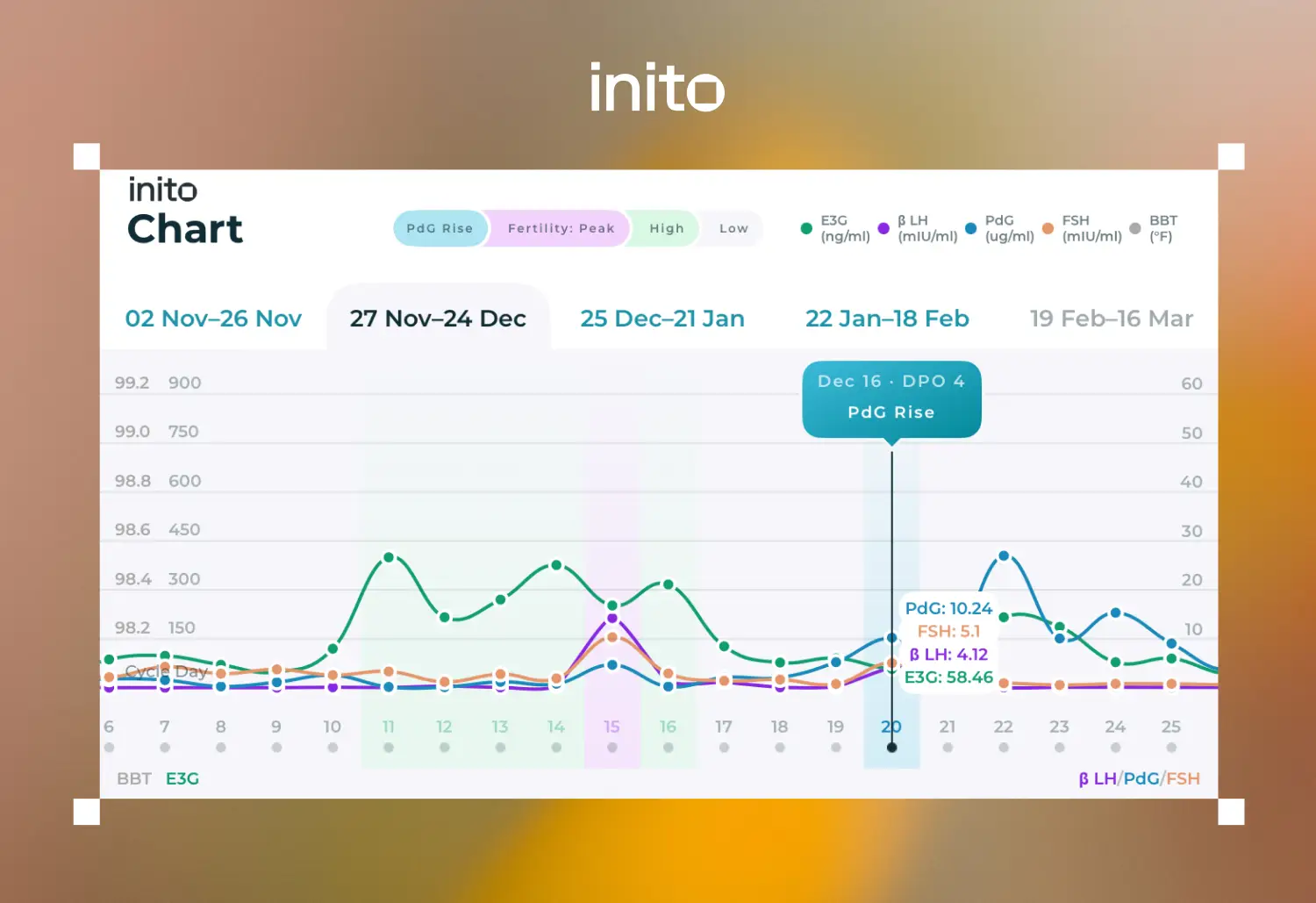
In a typical ovulatory cycle:
- PdG begins rising soon after ovulation.
- The rise is steady and consistent (not just a one-day rise)
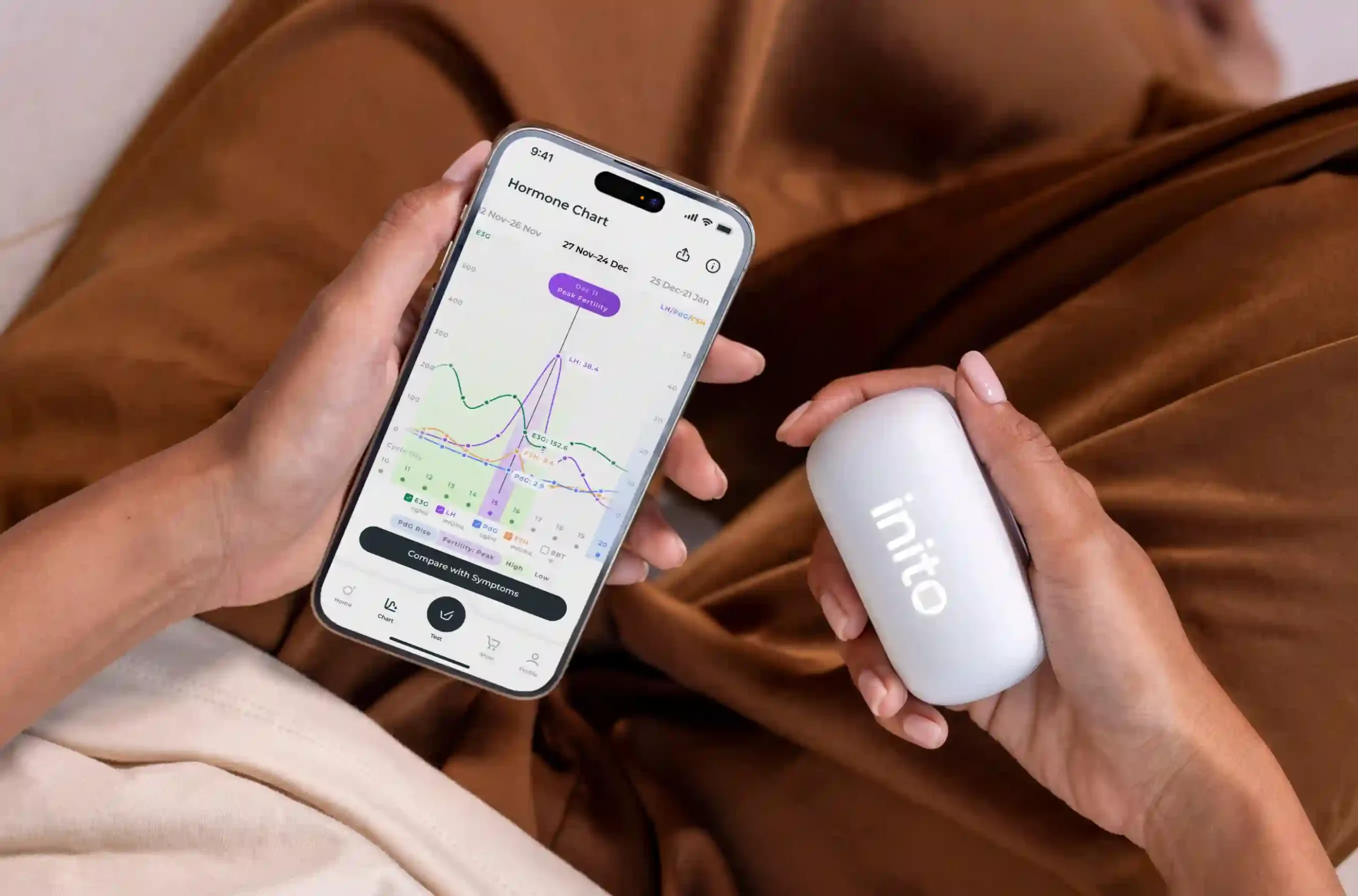
- Levels typically peak at 6-8 days post-ovulation (DPO)
- PdG falls again just before menstruation if pregnancy does not occur
Know more: Daily Progesterone Levels After Ovulation: What to Expect
How Does Inito Interpret Your PdG Trend?
Based on your PdG behavior, Inito may display:
- Waiting for PdG Rise
- PdG is Rising
- Ovulation Unlikely
- Ovulation Confirmed
Let’s get into each of these in detail.
What Does ‘Waiting for PdG Rise’ Mean?
What it is
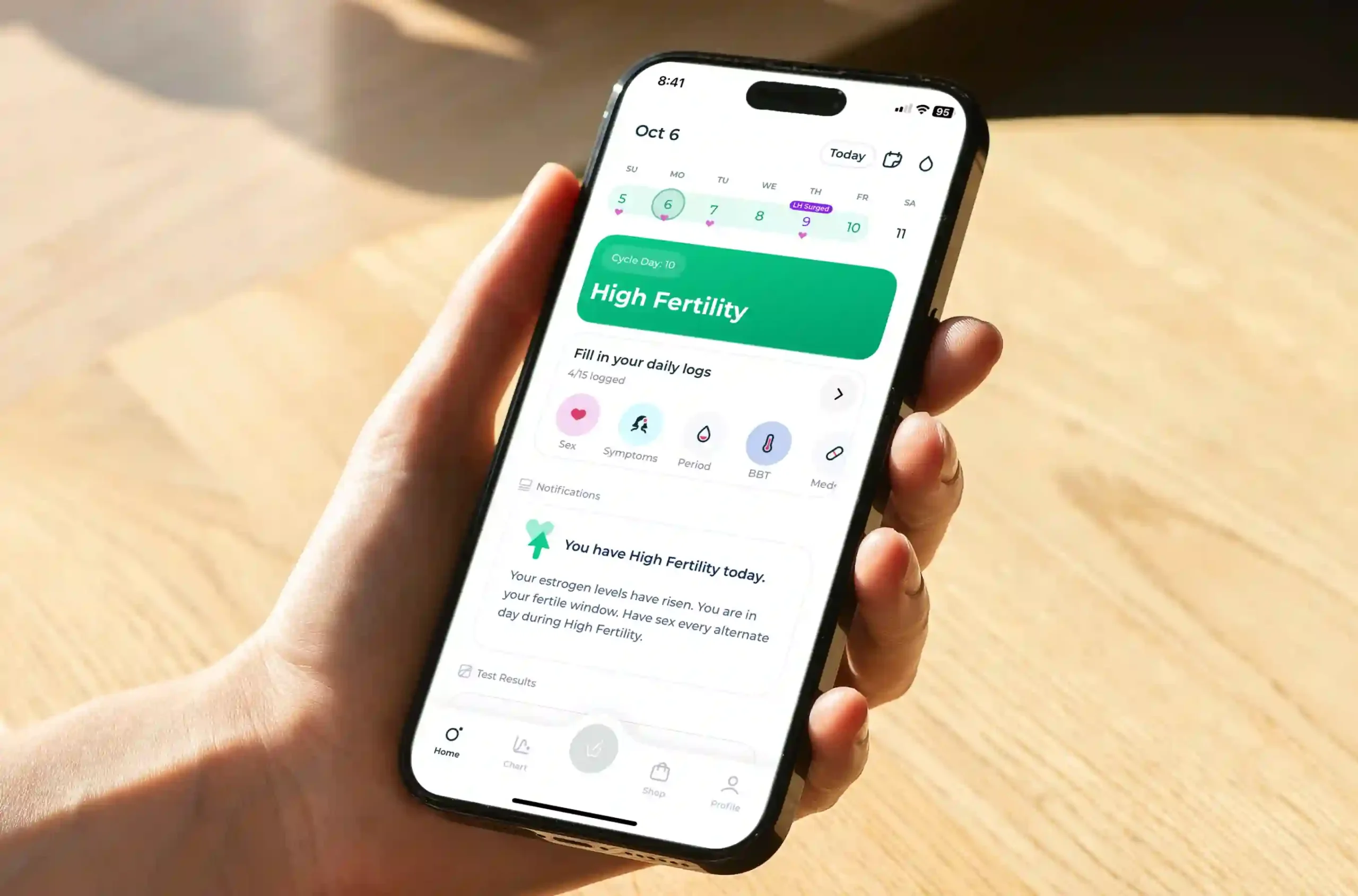
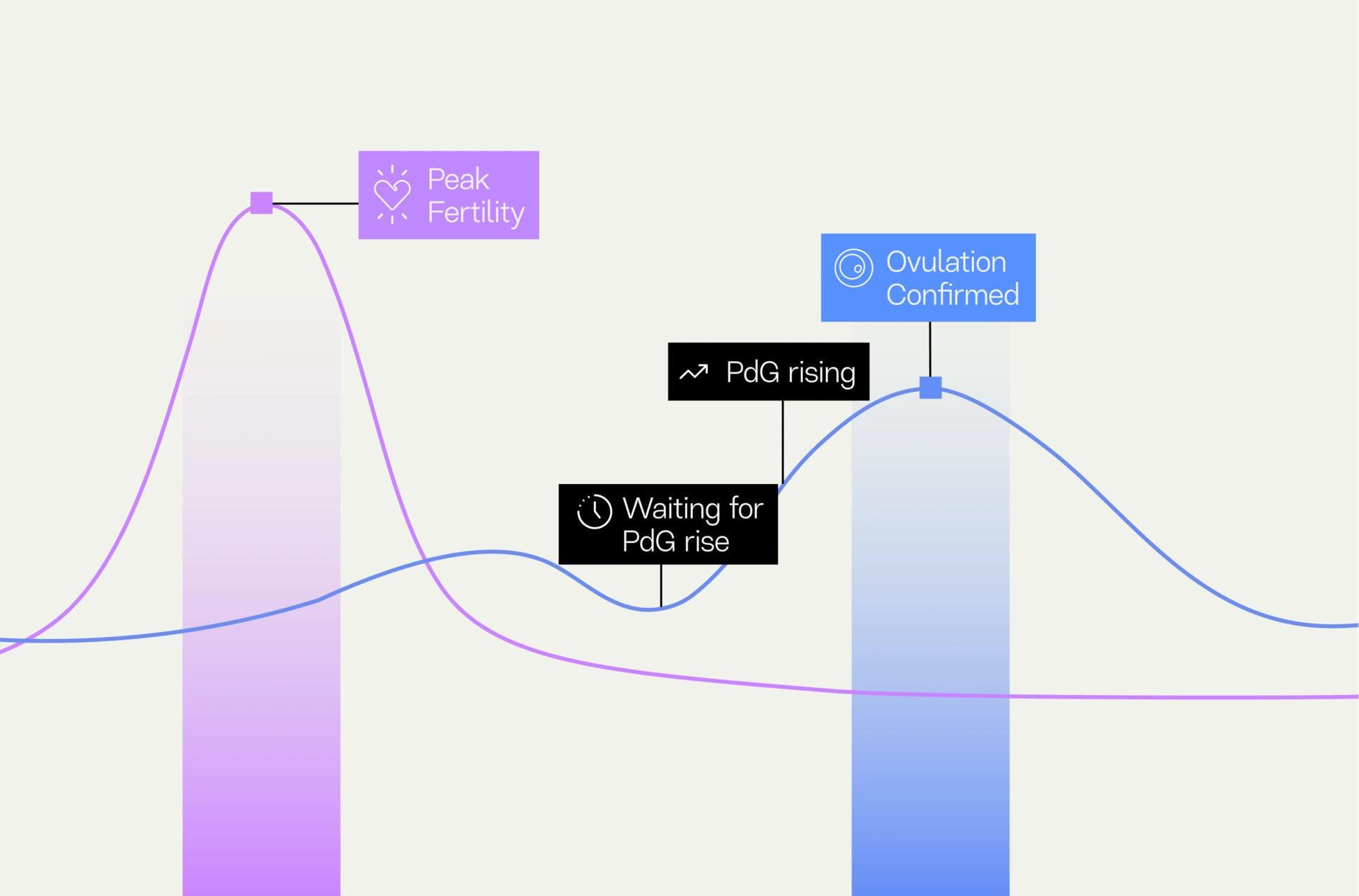
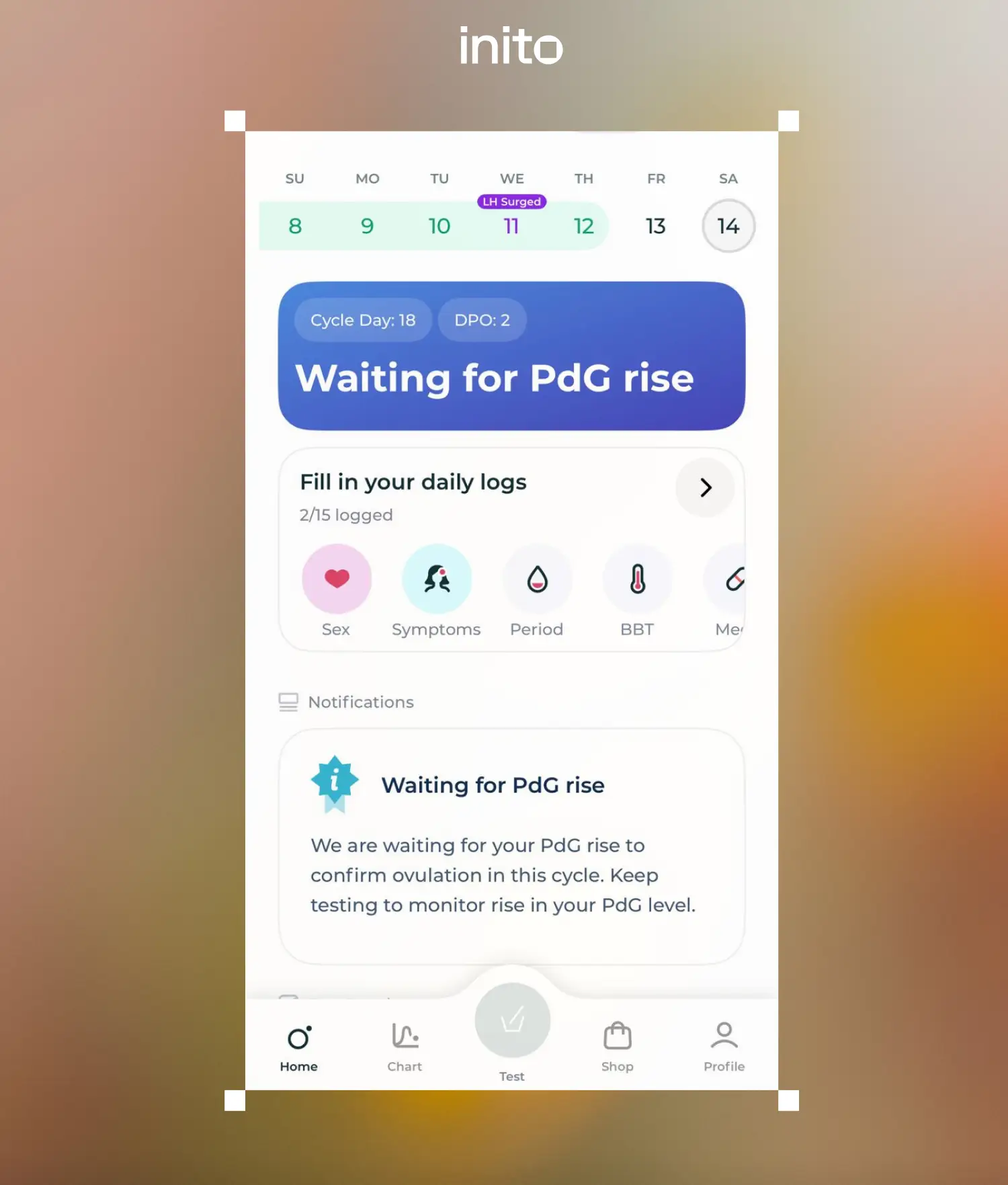
This is the phase after Peak Fertility when you’re waiting for your PdG levels to rise.
What it means
This is the in-between phase; after an LH surge, your body still needs time to:
- Release the egg
- Form the corpus luteum
- Start producing progesterone
- Reflect that progesterone as PdG in urine
That process doesn’t happen instantly. In fact, it can take up to 9 days to confirm ovulation. So “Waiting for PdG Rise” doesn’t mean something is wrong; it simply means your body is still mid-process.
Note: On your chart, this phase will appear as Low Fertility since the chances of conceiving are low after ovulation.
What to do
Keep testing for the next few days. Patience here is part of how ovulation confirmation works.
What Does ‘PdG is Rising’ Mean?
What it is
Your PdG is starting to rise compared to your baseline levels.
What it means
This is a reassuring sign. It suggests that progesterone production has begun and your body is shifting gears.
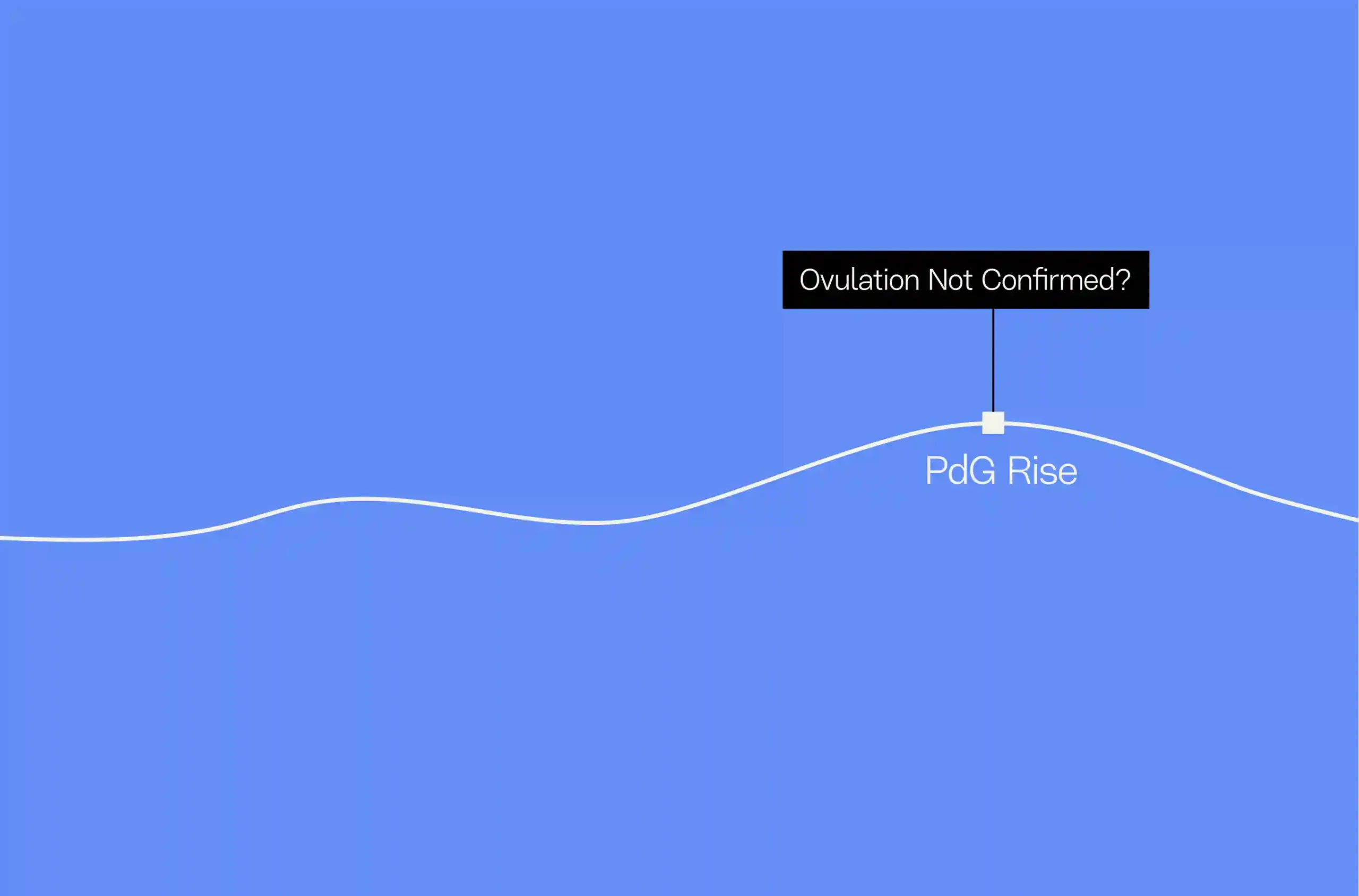
However, one day of PdG rise isn’t enough to confirm ovulation. Progesterone is released in pulses and fluctuates rapidly, meaning a single, high reading may not represent sustained production by the corpus luteum. What matters is that the increase continues over multiple days.
What to do
Keep testing to see if the rise is sustained. If it continues, you’ll likely see Ovulation Confirmed soon.
What Does ‘Ovulation Confirmed’ Mean?
What it is
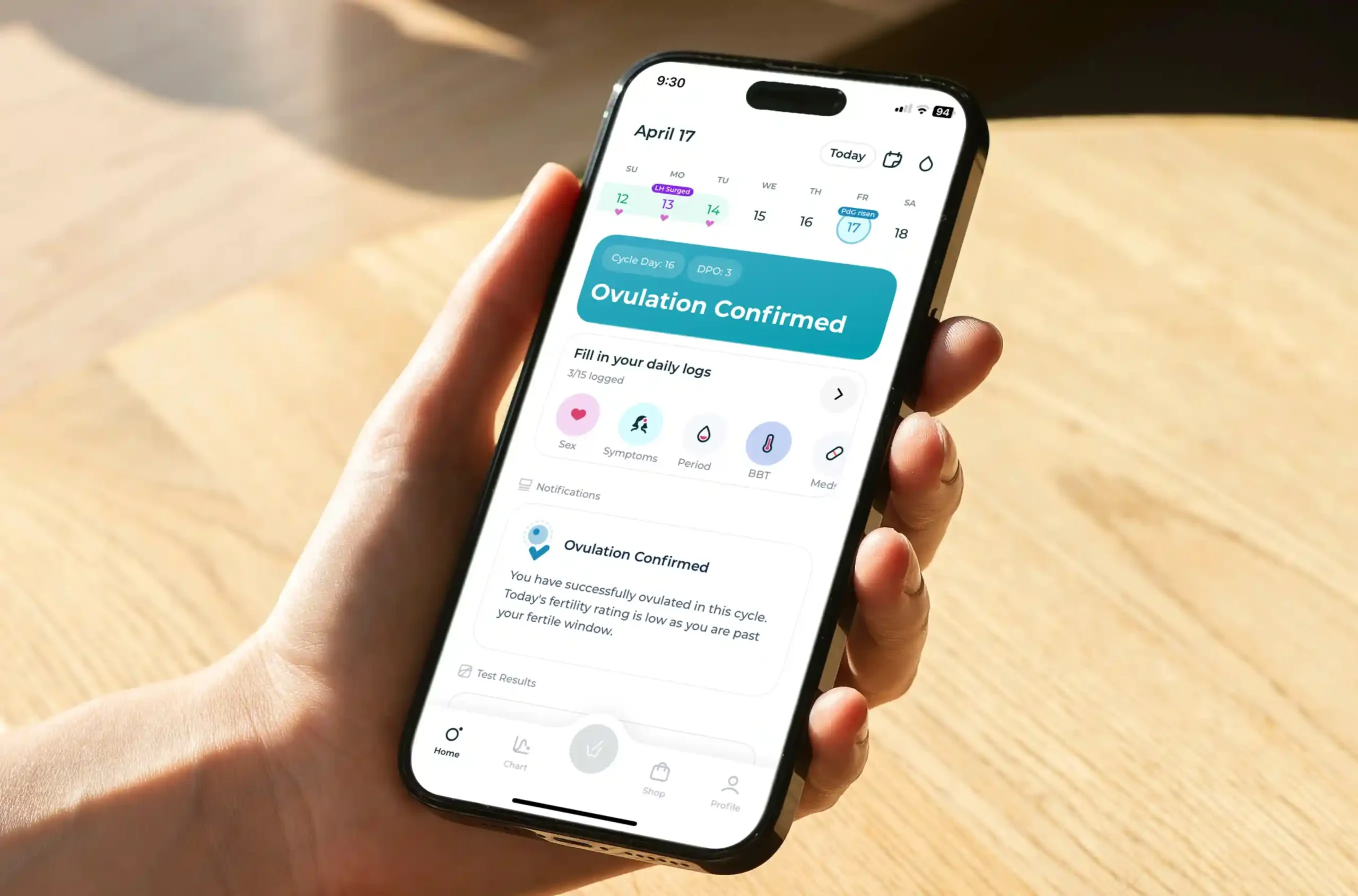
PdG has shown a steady and consistent rise over multiple days.
What it means
Your body followed through. The egg was released, progesterone is being produced and PdG is metabolized and excreted in urine. You’ve officially entered the luteal phase. This is the clearest signal that ovulation occurred in this cycle.
What to do
You can choose to stop testing for this cycle if you’d like. You’re now in the two-week wait window.
Know more: Your Complete Guide to Surviving the Two Week Wait
Need a little extra guidance? Join our Facebook community to find support, shared experiences, and connection.
What Does ‘Ovulation Unlikely’ Mean?
What it is
Inito did not detect a steady and consistent rise in PdG levels this cycle.
What it means
Ovulation has not been confirmed this cycle. This can happen for several reasons:
- Skipping or stopping testing after Peak Fertility
- PdG levels are trending low
- Your body may have attempted ovulation, but didn’t release an egg
It’s important to know that an occasional cycle without confirmation can happen, even in otherwise healthy cycles. However, if this seems to be the trend across multiple cycles, it’s worth reaching out to your healthcare provider.
Know more: Anovulation: Everything you need to know about the #1 cause of infertility
What to do
If your cycle hasn’t ended, continue testing. Your body may still attempt ovulation with another LH surge.
If this pattern repeats over multiple cycles, that’s when it may be helpful to check in with a healthcare provider.
Here’s a simple side-by-side breakdown of different fertility results:
Fertility Rating | What It Is | What It Means | What To Do |
Waiting for PdG Rise | Post-LH window | PdG levels are yet to rise after Peak Fertility | Continue testing |
PdG Is Rising | Increasing PdG trend | PdG levels have started to rise from baseline | Continue testing |
Ovulation Confirmed | Sustained PdG rise | Steady and consistent PdG rise was detected | Further testing is optional |
Ovulation Unlikely | No sustained rise | Steady and consistent PdG rise was not detected | Look for patterns across cycles; check with a doctor if it’s happening for more than 2 cycles |
When Should You Consider Speaking to a Doctor?
You may want to speak with your healthcare provider if:
- You have gotten more than 2 anovulatory cycles in a row
- You’re concerned that your PdG levels seem to trend lower than expected
- Your cycles are frequently irregular
- You’re noticing symptoms like increased hair growth, persistent acne, weight changes, or irregular bleeding
- Your luteal phase is consistently shorter than 11 days
- You’ve been trying to conceive for 12 months without success (or 6 months if you’re over 35)
If something feels off or patterns continue across multiple cycles, a medical professional can help provide clarity and next steps.
Conclusion
PdG gives you insights into whether your body has actually ovulated. Whether you’re waiting, seeing a rise, receiving confirmation, or getting an ‘Ovulation Unlikely’ result, each status reflects a stage in your body’s process. The key is not to focus on a single result, but to understand the pattern over time.