


Content table
Alcohol and fertility can feel confusing. One person might say, “I drank alcohol and conceived without any issues.” Another says stop drinking as soon as you start trying for a baby. So who’s right?
It’s not that simple.
About 12-24% of couples worldwide struggle with infertility. Alcohol is one lifestyle factor that could affect it.
One study found that women who drank alcohol had a 13% lower chance of getting pregnant each cycle. Moderate-to-heavy drinking was linked to a 23% drop.
(Here’s what we mean by each type of drinking: Moderate means three to six drinks a week. Heavy means more than seven. And binge drinking means four or more drinks in one day. One drink equals around 5 ounces of wine, 12 ounces of beer, or 1.5 ounces of spirits.)
Keep reading to know more about the effects of alcohol and fertility, and what you can do when you’re trying to conceive.
Key Takeaways
- The effect of alcohol on fertility largely depends on how much and how often you drink.
- There’s no clear “safe” amount for couples trying to conceive.
- Alcohol can interfere with female fertility by affecting reproductive hormones, ovulation, menstrual function, and early embryo development.
- Drinking moderate to large amounts of alcohol may interfere with regular menstrual cycles and increase the chances of anovulation.
- Light drinking is still a gray area because not all studies agree on its effects on fertility.
- Hormones and cycles may improve sooner after completely stopping alcohol, but recovery isn’t the same for everyone.
- If you’re actively trying to conceive, it’s best to avoid alcohol, especially after ovulation or if you’re undergoing fertility treatments.
- When it comes to conceiving, both partners’ drinking habits matter.
Does alcohol affect female reproductive hormones?
For your cycle to work as it should, your brain, ovaries, and uterus need to send the right signals at the right time. Alcohol can interrupt this process, but researchers are still figuring out exactly how.
Moderate drinking has been linked to higher estrogen and lower progesterone. With long-term drinking, hormone levels can become harder to predict, especially if the liver is affected.
Estrogen
Alcohol can raise estrogen in two main ways. It can increase aromatase activity, which turns certain hormones into estrogen. It can also make it harder for the liver to break estrogen down.
One study found that women who drank more alcohol had higher estradiol levels than women who drank little or none. But the difference wasn’t strong enough to prove alcohol caused the change.
Another study found that drinking at least one drink a day raised estradiol levels. Women with alcohol dependence had lower levels, possibly because long-term drinking can affect the liver and hormone balance.
Short-term studies found hormone changes too. In one study, about three drinks caused estrogen levels to rise within minutes. Another found that about two drinks increased testosterone and lowered androstenedione, which suggests alcohol can change how the liver processes hormones.
In another study, women who drank about two drinks a day for three menstrual cycles had higher estrogen levels around ovulation and during the luteal phase.
The bottom line? Alcohol may interfere with the normal hormonal balance that keeps ovulation and your menstrual cycle on track.
Progesterone
Progesterone helps prepare the uterus for an embryo and supports the part of your cycle after ovulation.
In one study, women’s progesterone levels dropped after about two to five drinks — drinking more didn’t cause a bigger drop.
Two other studies found similar results. In one, women had lower progesterone levels after taking naltrexone, a medication researchers used to study hormone control. In the other, alcohol lowered progesterone after ovulation, even when women were given hCG to boost progesterone production.
Does alcohol affect your egg count?
There’s no test that can tell you your exact egg count or ovarian reserve. But some doctors use markers like AMH, AFC, and FSH to get a better idea.
One small study found that moderate drinkers had higher FSH levels and a lower AFC than nondrinkers. That could point to lower ovarian reserve.
Another study found more primordial follicles, or early egg-containing follicles, in women who drank lightly or moderately.
Animal studies have raised more concern. Long-term alcohol exposure has been linked to follicle loss, follicle damage, and stress in the ovaries.
Researchers can’t say that an occasional drink will age your ovaries faster. But they also can’t rule out any harm from frequent or heavy drinking.
Know more: Signs of Bad Egg Quality and What You Can Do About It
Does alcohol affect your menstrual cycle?
Your menstrual cycle relies on hormones working together.
Hormones need to rise and fall in a certain pattern. When that rhythm gets thrown off, you could notice longer or shorter cycles, bleeding between periods, or missed periods.
Studies in women with alcohol abuse found:
- Greater variability in cycle length
- Shorter bleeding
- More bleeding between periods
Some studies found similar FSH and LH levels in drinkers and nondrinkers. This could mean liver problems from long-term drinking play a bigger role than just alcohol.
Can alcohol make period symptoms worse?
Alcohol causes dehydration and can mess with your sleep. It can also make headaches, bloating, tiredness, and mood changes feel worse.
Research has linked frequent drinking to longer-lasting period pain, PMS, heavy bleeding, and other menstrual problems. Binge drinking has also been tied to more symptoms.
Say you have drinks with friends on Friday night, then your period starts Saturday morning. Now you’re dealing with cramps, poor sleep, a headache, and dehydration all at once.
Can alcohol interfere with ovulation?
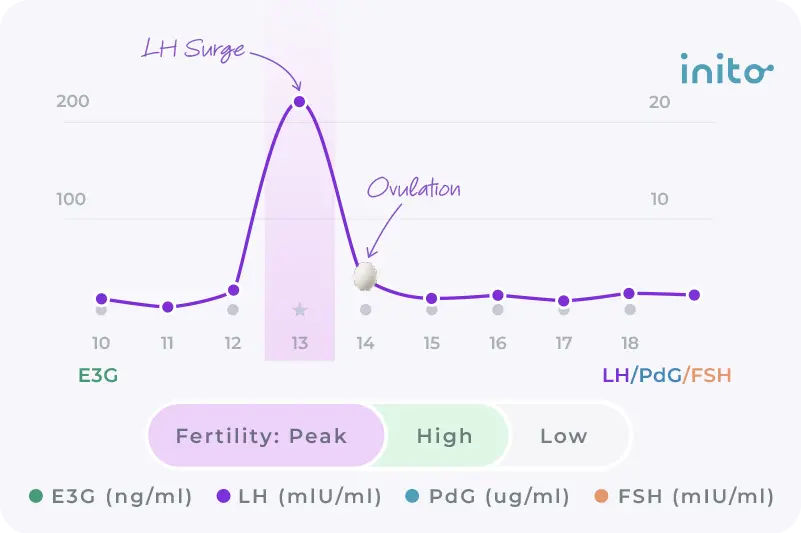
Possibly yes. Ovulation happens when an ovary releases a mature egg. If that egg isn’t released, you can’t conceive naturally during that cycle.
One three-week study found cycle problems in about half of the social drinkers and 60% of the heavier drinkers. The most common issue was anovulation, which means no egg was released. It was also linked to lower LH levels.
Another study found that about three to four drinks didn’t change LH release after stimulation. This could mean alcohol affects an earlier part of the process, possibly in the hypothalamus.
The biggest concerns come from regular, moderate-to-heavy, or binge drinking. There isn’t enough evidence to know how light or occasional drinking affects ovulation.
Can alcohol affect your chances of pregnancy?
Getting pregnant takes more than releasing an egg. Several steps have to happen at the right time.
One study found that moderate-to-heavy drinking during the luteal phase, which starts after ovulation, could disrupt the hormonal changes needed for conception.
The research on light drinking isn’t as clear. But there’s no official “safe” amount of alcohol.
Natural conception
Some studies have linked alcohol to a lower chance of pregnancy. Women who drank more than seven drinks a week often took longer to conceive. Other research found that higher alcohol intake was tied to a lower chance of getting pregnant each cycle.
Still, the results aren’t all the same.
One study found that wine drinkers were slightly less likely to take more than 12 months to conceive than nondrinkers or people who drank beer or spirits. That doesn’t mean wine helps fertility. It just shows that the research is mixed.
Assisted reproductive treatments (ART)
Fertility treatments can involve a lot of uncertainty, waiting, and plenty of stress.
Studies have linked drinking during fertility treatment to:
- Fewer eggs retrieved
- Reduced embryo quality
- Poorer embryo development
- Fewer embryos reaching the stage needed for implantation
- Lower pregnancy rates
One study found that women who had more than seven drinks a week were 7% less likely to get pregnant after fertility treatment than women who didn’t drink. Their chance of a live birth also dropped by 9% when their male partners drank the same amount.
Know more: IVF Success Rates: The Factors That Affect Your Chances
Does alcohol affect implantation?
After fertilization, the embryo still needs to grow, reach the uterus, and attach to the uterine lining.
There aren’t many studies on alcohol and implantation. But lab studies suggest alcohol could affect early embryo growth and the cells that help implantation happen.
Is alcohol linked to ectopic pregnancy?
Some lab studies suggest alcohol could affect the muscle contractions that help move an embryo through the fallopian tube. But researchers haven’t confirmed that this raises the risk of an ectopic pregnancy.
Can drinking alcohol while pregnant hurt the baby?
Yes — this is where the link is clear. There’s no known safe amount of alcohol during pregnancy.
Drinking during pregnancy has been linked to:
- Miscarriage
- Stillbirth
- Premature birth
- Fetal alcohol spectrum disorders (FASDs)
- Sudden infant death syndrome, or SIDS
Fetal alcohol spectrum disorders (FASDs) can lead to lifelong problems with learning, behavior, thinking, and physical health.
FASDs can range from mild to severe. They’re also preventable by not drinking during pregnancy.
If you drank before getting a positive test, don’t panic. Stop drinking and talk with your healthcare provider for support and next steps.
When should I quit if I’m planning to start TTC?
The best time to stop drinking is before you start trying to conceive, or TTC. This gives your body more time to recover and support healthy reproductive function.
Recovery looks different for everyone. It depends on how much you drink, how long you’ve been drinking, and your overall health.
Stopping before your first unprotected cycle also avoids alcohol exposure during ovulation, fertilization, implantation, and early pregnancy.
If your male partner drinks, stopping about three months before trying gives new sperm time to develop.
There’s no magic reset date. But the earlier you stop, the more time your body has to adjust.
How much alcohol is safe while trying to conceive?
There’s no known safe amount of alcohol while trying to conceive.
Pregnancy can begin before you know it’s happened. Alcohol can also affect a pregnancy soon after implantation. That’s why major health organizations recommend avoiding alcohol once you start trying, especially after ovulation or during fertility treatment.
Skipping alcohol won’t guarantee pregnancy. But there’s also no amount that’s been shown to improve your chances.
If you drink and later find out you’re pregnant, stop drinking and talk with your doctor if you’re concerned.
Know more: Can Alcohol Affect A Pregnancy Test?
How can you stop drinking when TTC?
This can feel harder than it sounds, especially if drinking is part of your routine.
A little planning can make it easier:
- Pick a clear stop date.
- Remove alcohol from your home.
- Keep alcohol-free drinks nearby.
- Ask your partner, family, or friends for support.
- Notice your triggers. Do you drink when you’re stressed, bored, tired, or out with friends?
- Replace the habit with something else, like a walk, tea, a mocktail, or reading.
Ask your partner to join — it feels less lonely when one person isn’t drinking while the other is tracking ovulation and taking prenatal vitamins.
If cutting back feels difficult, talk with your doctor or an addiction specialist. You deserve support, not judgment.
So, what’s the link between alcohol and fertility?
Alcohol and fertility are connected, but the effect isn’t the same for everyone.
Frequent or heavy drinking can affect hormones, ovulation, periods, implantation, and early pregnancy. The research on light drinking is less clear.
There’s no known safe amount of alcohol while trying to conceive or during pregnancy. Experts recommend stopping once you start trying for a baby.
It won’t guarantee pregnancy. But it’s one simple step that can support your fertility and a healthier pregnancy.

FAQs
It can. Heavy, frequent, or binge drinking can affect hormones, ovulation, sperm health, and your chances of conceiving.
Yes, especially at higher amounts. The research on light or occasional drinking is less clear.
There’s no set timeline. It can take weeks or months, depending on how much you drank, how long you drank, and your overall health.
It usually means one drink per hour, two per occasion, and three alcohol-free days a week. But it isn’t a fertility guideline.
It’s best to stop drinking before you begin trying to conceive. Men could consider stopping about three months before TTC to give new sperm time to develop.
Quitting won’t reverse age-related changes or guarantee better eggs. But it can support healthier hormones, sleep, nutrition, and overall reproductive health.
A new sperm cycle takes about 74 days. Changes are often seen after three months, but recovery can take longer after heavy or long-term drinking.
He can, but heavy drinking can affect hormones and sperm health. Cutting back or stopping about three months before conception can help support healthier sperm.
Heavy drinking can lower male fertility by affecting hormones, sexual health, sperm count, and sperm quality. The effect of light or moderate drinking is less clear.
It can take about three months for healthier changes to show up in new sperm. The timeline depends on past drinking habits and overall health.
That’s the safest choice. Pregnancy can begin before a test turns positive, and avoiding alcohol removes one possible risk during conception and early pregnancy.
Was this article helpful?
- Smoke, alcohol and drug addiction and female fertility | Reproductive Biology and Endocrinology | Springer Nature Link
- association between alcohol intake and fecundability during menstrual cycle phases | Human Reproduction | Oxford Academic
- The association between caffeine and alcohol consumption and IVF/ICSI outcomes: A systematic review and dose–response meta‐analysis – PMC
- Female alcohol consumption and fecundability: a systematic review and dose-response meta-analysis – PubMed
- Alcohol intake induces diminished ovarian reserve in childbearing age women – PubMed
- Lifestyle factors associated with histologically derived human ovarian non-growing follicle count in reproductive age women – PubMed
- Ovarian structure and hormonal status of the UChA and UChB adult rats in response to ethanol – PubMed
- Alcohol consumption and total estradiol in premenopausal women – PubMed
- Estrogen and alcohol use in women: a targeted literature review | Archives of Women’s Mental Health | Springer Nature Link
- Ethanol cytotoxic effect on trophoblast cells – PubMed
- Detrimental effects of ethanol and its metabolite acetaldehyde, on first trimester human placental cell turnover and function – PubMed
- Detrimental effects of alcohol exposure around conception: putative mechanisms – PubMed
- About Alcohol Use During Pregnancy
- Drinking alcohol is linked to reduced chances of pregnancy Study suggests women should avoid alcohol in second half of menstrual cycle
- Impact of Alcohol Consumption on Male Fertility Potential: A Narrative Review – PMC
- Acute alcohol effects on plasma estradiol levels in women | Psychopharmacology | Springer Nature Link
- The role of the liver in the acute effect of alcohol on androgens in women – PubMed
- Effects of alcohol consumption on plasma and urinary hormone concentrations in premenopausal women – PubMed
- Medical status and cognitive functioning in alcoholic women – PubMed