
Content table
When we think about vitamin D, we usually think about strong bones and sunshine. But did you know that it also plays a huge part in having a baby?
In recent years, many scientists have looked at how vitamin D and fertility are linked. And studies show it plays a vital role in reproductive health for both men and women.
If your vitamin D levels are low, it can cause a ripple effect throughout your reproductive system. Because vitamin D helps regulate hormonal balance and supports the way an embryo develops, being deficient can be a hurdle.
However, it’s important to keep things in perspective. Vitamin D deficiency may be a part of the struggle in conceiving or maintaining pregnancy, but it is just one piece of the puzzle of things that influence fertility. Other elements play equally big roles, like:
- Age
- Genetics
- Cycle health
- Partner health
This guide will help you understand why this “sunshine vitamin” is so important for male and female fertility.
Key Takeaways
- Vitamin D acts as a hormone that helps support the menstrual cycle and egg development.
- Low vitamin D levels are linked to issues like polycystic ovary syndrome (PCOS) and endometriosis. Keeping sufficient levels may help improve symptoms of these issues and also reproductive outcomes.
- Most people are naturally deficient in vitamin D because we spend so much time indoors, making testing an important first step.
- For men, vitamin D is vital for sperm motility (how well sperm swim) and sperm production.
- Having sufficient levels of vitamin D can improve the success rates of in vitro fertilization (IVF).
- Most people can improve their levels with enough sun exposure, fatty fish, or a vitamin D supplement.
- While vitamin D is essential, it is one of many factors that influence your overall fertility.
- You can support your vitamin D levels through safe sun exposure, eating fatty fish, or taking a quality supplement. But it’s best to consult a doctor for the right dose.
- Vitamin D receptors in the uterine lining suggest it plays a role in preparing for an embryo to implant.
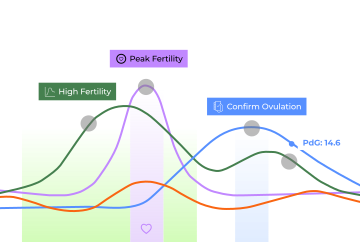
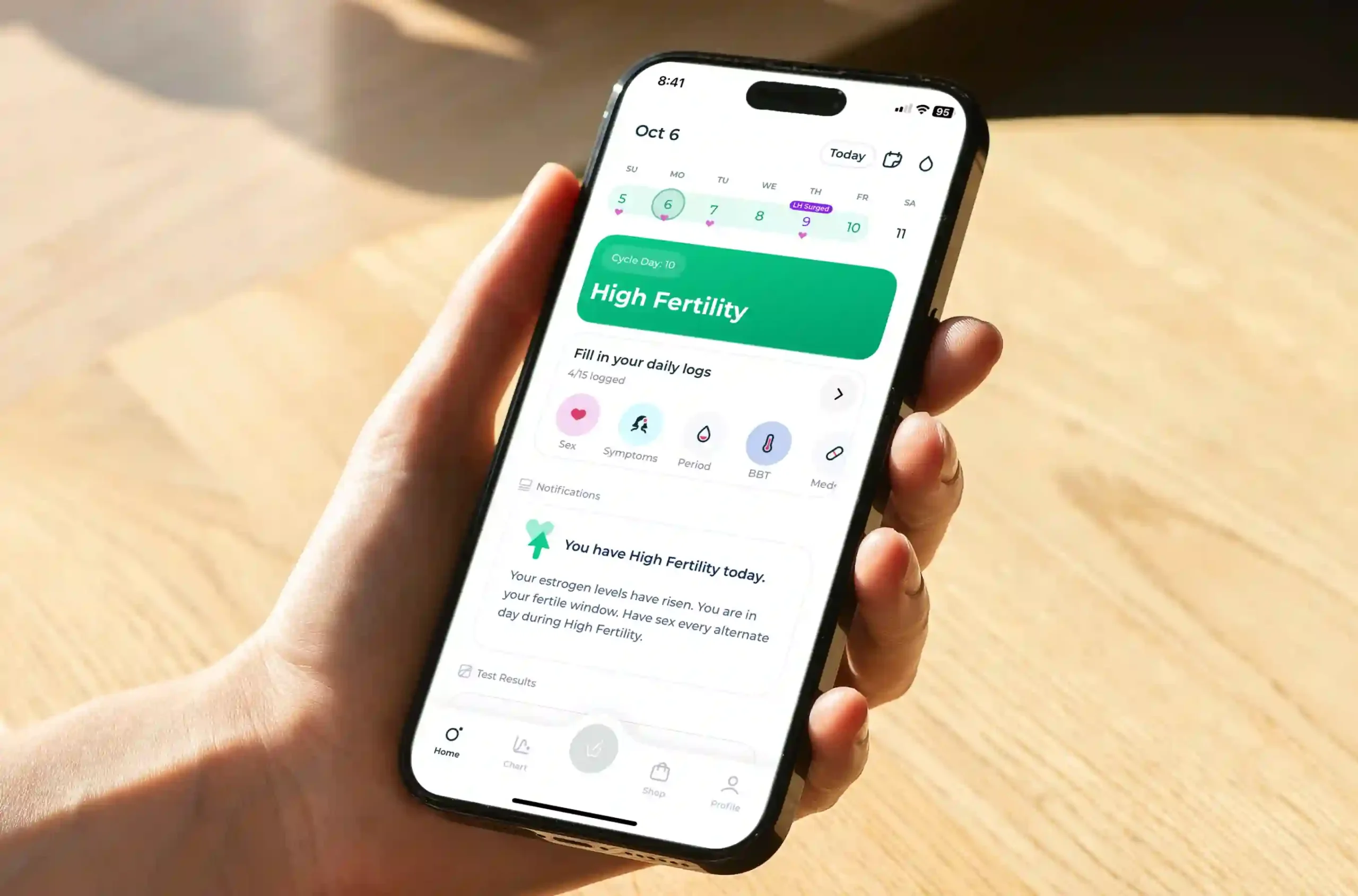
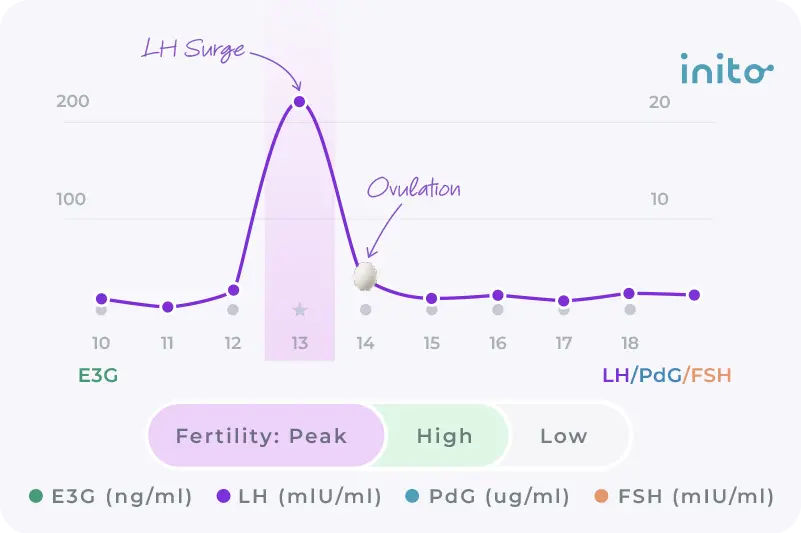
- Tracking your cycle with a tool like Inito helps you see how your hormones are behaving while you work on optimizing your nutrient levels.
What Is Vitamin D?
Vitamin D is a fat-soluble steroid hormone precursor. Most vitamins come only from the food we eat, but our bodies can actually make vitamin D on their own.
Once vitamin D enters your system (whether it’s from a supplement or a sunny day), your liver first converts it into 25-hydroxyvitamin D. This is what circulates in your blood.
But the work doesn’t stop there. Your kidneys then take over and transform it into the active hormone, called calcitriol. This active form is what travels through your body to bind with vitamin D receptors (VDRs) in your organs.
Because these receptors are found all over your reproductive tissues, this hormone-like vitamin can carry out its important effects where they are needed the most.
In recent years, scientists have found that vitamin D helps with:
- Ovarian function (how your ovaries work)
- Follicular development (how eggs grow)
- Endometrial receptivity (how the uterus gets ready for an embryo)
- Reproductive hormones regulation
Ultimately, studies show that 40-50% of healthy pregnant women have low vitamin D levels. This can lead to an increased risk of problems during pregnancy.
What Are Normal Levels of Vitamin D?
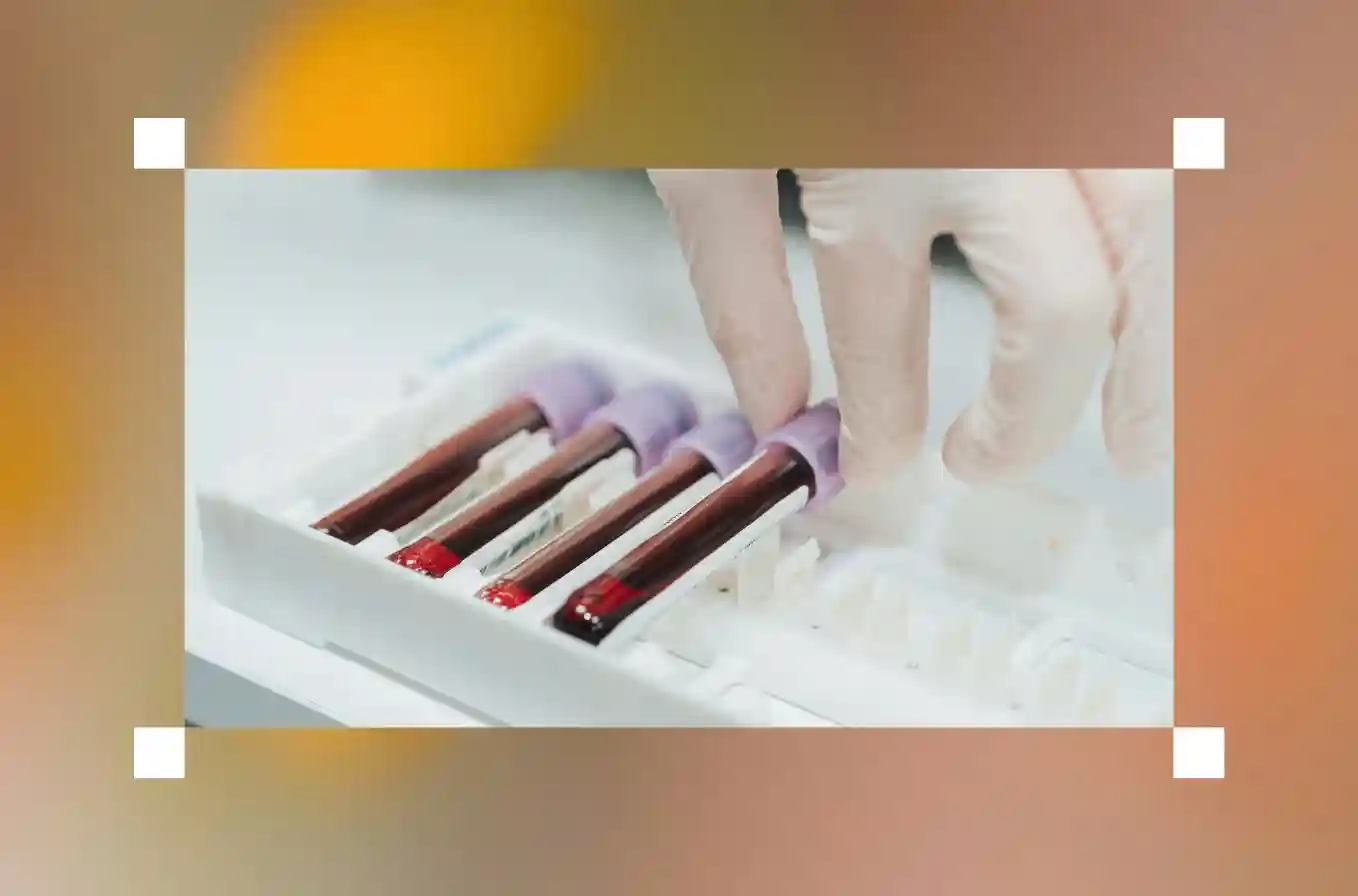
To find out if you have enough vitamin D, your doctor will order a blood test. They measure the level of 25(OH)D (25-hydroxyvitamin D) in your blood. The results are usually shown in ng/mL (nanograms per milliliter).
The healthy range for the average person is 20 – 50 ng/mL
VITAMIN D STATUS | BLOOD LEVEL (ng/mL) |
Deficient | Less than 12 |
Insufficient | 12 to <20 |
Sufficient | ≥ 20 to 50 |
Excess – harmful | > 50 |
Studies consistently link higher fertility-related outcomes with getting enough vitamin D.
How Does Vitamin D Affect the Reproductive System?
Vitamin D and fertility go hand-in-hand. And vitamin D deficiency is very common in women of childbearing age. One study found that 58.7% of women were deficient. The women who were low had more irregular cycles. They also had hormone levels that were out of balance. For example, they had higher FSH and LH, but lower estradiol and progesterone.
Where are vitamin D receptors (VDRs) found?
Vitamin D is important for fertility because its receptors are found all over the reproductive system.
- In the brain: It’s found in the hypothalamus and the pituitary gland. These areas control your hormones.
- In women: It’s found in the ovaries, the granulosa cells (which help eggs grow), the uterine lining, and the placenta.
- In men: It’s found in the testes and the cells that produce sperm.
Vitamin D and hormone regulation
In the brain, a gene called Pit-1 helps the pituitary gland grow. This gene responds to vitamin D. When it’s activated, it helps the body make:
- Growth hormone (GH)
- Prolactin (important for reproductive signals)
In the ovaries, vitamin D helps increase hormones like progesterone and estradiol. It also makes the FSH receptors more active, which helps eggs grow and mature for healthy ovulation.
What Is Vitamin D’s Role in Female Fertility?
Having low vitamin levels can hurt your chances of getting pregnant. One study found that women who were deficient had a lower ovarian reserve (fewer eggs left). This study showed they also had a higher risk of not ovulating at all (absent ovulation).
Another study showed that higher levels lead to better fertility outcomes.
- For every 10 ng/mL increase in vitamin D, fertilization rates went up by about 10%.
- Women with levels below 20 ng/mL had a 45% lower fertilization rate than those with normal range levels.
Vitamin D also helps by lowering inflammation and helping the immune system in the uterus. This makes it easier for an embryo to attach to the wall. It even helps the genes that manage embryo development.
A woman’s vitamin D levels are also linked to AMH. AMH is a marker of how many eggs you have. And those levels vary. AMH levels can be 18% lower in the winter than in the summer! Scientists think this is because we have low vitamin D in the winter when there isn’t enough sun exposure.
Animal studies show further information about vitamin D. Female animals with a deficiency in vitamin D receptors had:
- A very small, underdeveloped uterus
- Low estrogen levels
- High LH and FSH, which showed their ovaries were not working right
Vitamin D and pregnancy outcomes
Healthy vitamin D levels are very important during pregnancy. A large review of over 250,000 pregnant women showed that vitamin D deficiency is linked to:
- Preterm birth
- Low birth weight
- Recurrent pregnancy loss
- Gestational diabetes
Taking a vitamin D supplement helped reduce the risk of high blood pressure (pre-eclampsia) and preterm birth.
IVF and assisted reproduction
If you’re going through in vitro fertilization (IVF), your vitamin D levels are very important. Research shows that vitamin D affects IVF results independent of your age, weight, or ethnicity.
Follicular fluid and egg success
Higher vitamin D in the follicular fluid (the fluid around the egg) is strongly linked to IVF success.
- Each nmol/L increase in vitamin D raises the chance of a clinical pregnancy by about 2.4%.
- It improves the survival of early follicles.
- It helps with AMH production and the growth of antral follicles.
Chromosome safety and telomeres
Vitamin D supports something called telomere length. This helps reduce chromosomal errors in the embryo. This means the embryo is more likely to be healthy.
The live birth difference
In a large study group of 500 women, the live birth rates were:
- 23.2% for women who were deficient
- 37.7% for women who were sufficient
This means women with enough vitamin D had a much higher chance of a successful live birth.
Adequate vitamin D also improves the thickness of the uterine lining (endometrium). This makes it easier for an embryo to implant and stay safe.
Vitamin D and PCOS
Polycystic ovary syndrome (PCOS) is a common cause of infertility. A recent study and many show that taking a vitamin D supplement helps women with PCOS:
- Improve insulin resistance (how your body uses sugar)
- Reduce androgen (male hormone) levels
- Improve ovulatory function (help them ovulate)
Further randomized controlled trials show a direct link between vitamin D and ovulation:
- Ovulation rates were 68% when vitamin D was below 20 ng/mL
- Ovulation rates rose to 78% when vitamin D was above 30 ng/mL
Another study showed that taking vitamin D with calcium and metformin increased the number of dominant follicles. This makes the ovaries respond much better to fertility treatment.
Vitamin D and endometriosis
Endometriosis affects millions of women. It’s found in up to 5% – 50% of women who are infertile.
Studies on vitamin D and endo have found that:
- Vitamin D has anti-inflammatory properties that can help with pelvic pain.
- Those with high vitamin D levels had a 24% lower risk of getting endometriosis.
- Women with more sun exposure had a lower risk of endometriosis.
There is ample research that shows having enough vitamin D supports female fertility by improving:
- Ovarian function
- Implantation
- Pregnancy outcomes
And a deficiency in this vital vitamin is linked to fertility issues, PCOS, and endometriosis.
What Is the Role of Vitamin D in Male Fertility?
Men need vitamin D just as much as women.
Vitamin D receptors are found in the testes and sperm-producing cells. This allows the vitamin to directly help with sperm production.
Vitamin D and sperm quality and motility
Human studies on over 200 men showed that:
Men with sufficient levels have a better sperm count and better sperm motility.
More fertile men have higher vitamin D levels, measuring around 21± 10 ng/mL. Less fertile men, however, have levels around 16 ± 9 ng/mL.
Low vitamin D levels may be linked to sperm DNA fragmentation, which is damage to the sperm’s DNA.
Vitamin D and testosterone
There is no evidence of a strong link between vitamin D and testosterone in adolescents. But, in older men, there is a positive association. This suggests an effect that varies depending on age.
Vitamin D and the fertilization process
Maternal vitamin D actually helps the sperm! It helps with sperm capacitation and the acrosome reaction. These are the steps sperm must take to break into the egg.
Interestingly, paternal vitamin D does not affect these steps because vitamin D is not found in semen.
Studies on male animals without vitamin D receptors showed:
- Lower sperm count
- Poor sperm motility
- Structural damage in the testes
Overall, it appears that vitamin D plays a role in male fertility. It supports sperm count, motility, and key steps in fertilization. High vitamin D levels are linked to better semen quality. But supplementation shows mixed results. This suggests that vitamin D supports sperm function at a tissue level, but isn’t the sole driver of male fertility.
What Are the Sources of Vitamin D?
Because it is a fat-soluble steroid hormone, your body can store vitamin D. You can get it from:
- Sunlight: UVB rays on your skin help you make it.
- Some foods: Fatty fish (like salmon), egg yolks, and fortified foods have it.
- Supplements: Vitamin D3 is the most common form.
Most adults need about 600 to 800 IU daily. But your doctor might suggest more if you’re low in vitamin D. Always talk to a reproductive endocrinologist to check your levels.
In Conclusion
Adequate vitamin D is a very important part of reproductive medicine.
In women, it supports ovarian function, implantation, and pregnancy outcomes. It’s also linked to better results for PCOS, endometriosis, and IVF.
In men, it supports sperm quality and the ability to fertilize an egg.
While it’s not the only thing that matters, it is a modifiable factor — meaning you can change it. By getting more sun, eating fatty fish, or taking a guided supplement, you can support your reproductive health. Maintaining sufficient vitamin D levels is a smart step for anyone in their childbearing age.

FAQs
If your vitamin D levels are on the lower side, getting them back up is recommended for your general health. Also, it might give your reproductive system the extra support it needs.
However, before you run to the supplement aisle, have your doctor run a quick blood test. This way, you aren’t just guessing. You’ll know exactly how much your body needs to be at its best.
Most studies show you should aim for sufficient levels of 30 ng/mL or higher. However, note that there is no hard and fast rule about how much vitamin D you need to guarantee pregnancy. It varies from person to person.
Yes. Some studies have shown that it improves clinical pregnancy rates and helps both male and female fertility.
Taking too much can cause too much calcium in your blood. You might feel sick, vomit, or feel very weak.
You might feel very tired, have bone pain, or get sick more often.
- Staying inside
- Wearing lots of sunscreen
- Limited sun exposure
- Darker skin
- Aging
- Obesity
- Certain medical conditions
- Living in places with very little sun in the winter
It is linked to insulin resistance, which can make it harder to lose weight.
Some evidence supports that vitamin D might influence prolactin, but the research is a bit limited and inconsistent. It’s not quite a proven “fix” yet. If you’re dealing with high prolactin, it’s a good idea to keep your vitamin D levels healthy for your overall health.
It is not a cure, but it is a very important tool to help your body balance its hormones naturally.
Effects of Vitamin D on Fertility, Pregnancy and Polycystic Ovary Syndrome—A Review | PubMed
Vitamin D and reproductive health | PubMed
Mechanisms in Endocrinology: Vitamin D and fertility: a systematic review | EJE
Pre-conception 25-hydroxyvitamin D (25(OH)D) and fecundability | Oxford Academic
Replete vitamin D stores predict reproductive success following IVF | PubMed
Vitamin D supplements may slow cellular aging | NIH
Vitamin D and assisted reproductive treatment outcome: a prospective cohort study | Springer Nature
Vitamin D in human reproduction: a narrative review | IJCP
The Association between Vitamin D and the Components of Male Fertility: A Systematic Review | MDPI
Vitamin D levels and human sperm DNA fragmentation: a prospective, cohort study | Springer Nature
Vitamin D for the Prevention of Disease: An Endocrine Society Clinical Practice Guideline | JCEM