
Content table
When your thyroid hormones are out of balance, your fertility can be affected.
In fact, 2.1% to 5.8% of women with hyperthyroidism experience infertility. But here’s the reassuring part: hyperthyroidism is treatable, and many women go on to conceive with the right care.
Let’s break down how an overactive thyroid affects your cycle, ovulation, and pregnancy.
Key Takeaways
- In hyperthyroidism, excess thyroid hormones can disrupt the balance of reproductive hormones, affecting ovulation and cycle regularity.
- Hyperthyroidism may lead to irregular periods, delayed ovulation, or anovulation, which can make conception less predictable.
- Symptoms of hyperthyroidism can include cycle changes, weight loss, heat intolerance, sleep disturbances, and difficulty conceiving.
- If not well-managed, hyperthyroidism during pregnancy may increase the risk of complications.
- Hyperthyroidism can also affect male fertility by impacting hormone balance and sperm quality.
- The good news: hyperthyroidism is treatable, and with proper care, many people are able to conceive and have healthy pregnancies.
How Do Thyroid Hormones Affect Fertility?
Thyroid hormones play a much bigger role in fertility than most people realize.
They influence nearly every organ in your body—but when it comes to reproduction, they help coordinate some of the most important processes needed to conceive.
At a basic level, thyroid hormones:
- Support the growth of ovarian and uterine tissues
- Help regulate metabolism (which influences hormone balance)
- Play a role in ovulation, fertilization, and early embryo development
But what makes this system especially important is how closely your thyroid is connected to your reproductive hormones.
Your body relies on two key systems working together:
- The hypothalamic-pituitary-thyroid (HPT) axis
- The hypothalamic-pituitary-ovarian (HPO) axis
These systems are constantly communicating. So when thyroid function shifts, even slightly, it can directly affect ovarian function, and vice versa.
What’s happening at the hormone level?
Thyroid hormones like T3 and T4 actively influence how your ovaries function:
- They help regulate follicle growth and breakdown
- Alongside FSH, T3 supports healthy follicle development and reduces premature cell loss
- They help maintain a balance between estrogen and androgens (like testosterone)
- They support the production and proper functioning of estrogen
This balance is essential for ovulation. When it’s disrupted, ovulation may become delayed or inconsistent, which can lead to irregular cycles.
What Is Hyperthyroidism?
Hyperthyroidism happens when your thyroid gland becomes overactive and produces more thyroid hormones than your body needs.
The most common cause is Graves’ disease, a kind of autoimmune condition.
How Does Hyperthyroidism Affect Hormones and Fertility?
Less common than hypothyroidism, hyperthyroidism is when you have an over-active thyroid. (The root word hyper means “over” or “above.” Hence “overactive” thyroid function.)
Here’s a quick glance at how an overactive thyroid gland plays out:
- Increased thyroid activity leads to low TSH and high sex hormone-binding globulin (SHBG)
- Low TSH and high SHBG cause higher amounts of estrogen and progesterone
- Altered estrogen and progesterone interrupt LH production
- Changes in LH production can cause delayed ovulation or anovulation
With all these functions out-of-whack, women with hyperthyroidism have more frequent menstrual irregularities. (Almost 2.5 times more than women without thyroid disorders).
How Can You Tell if You Have Hyperthyroidism?
Here are the major signs and symptoms of hyperthyroidism:
- Irregular menstrual cycle – short periods, light periods, or no periods (amenorrhea)
- Challenges getting pregnant
- Anxiety
- Mood swings
- Irritability
- Weakness (mostly in your legs and arms)
- Trouble sleeping
- Hand tremors
- Noticeable sweating
- Low tolerance for heat
- Irregular heartbeat
- Extreme tiredness
- Weight loss
- More frequent bowel movements
- Hair thinning
If you have hyperthyroidism, you might not experience all of these symptoms. It varies from person to person. Consult your doctor if you suspect you have hyperthyroidism.
At this point, you’ve gotten a sense of how thyroid disease affects fertility. But what happens if you actually do get pregnant? Let’s delve into this scenario next.
How Does Hyperthyroidism Affect Pregnancy?
If hyperthyroidism is not well-managed, it can cause complications for both mother and baby (low TSH pregnancy). Take a look at the table below:
Phase of development | Potential outcomes caused by thyroid disease |
Assisted reproductive technique (ART) treatment | Challenges with fertilization and embryo development Recurrent implantation failure (RIF) |
Implantation | Lower chance of implantation Increased risk of chemical pregnancy |
Pregnancy | Recurrent pregnancy loss (RPL) Higher risk of placental abruption, Premature delivery Preeclampsia Maternal cognitive heart failure |
Fetus | Low birth weight Intrauterine growth restriction (IUGR) Stillbirth Abnormal neurocognitive development Fetal distress or fetal death |
Offspring | Neurobehavioral disorders Seizure disorders Hearing loss Language delay |
While these complications may sound scary, there is hope. In most cases, thyroid disorders can be treated either before or during pregnancy to prevent these complications.
What Is the Ideal TSH for Pregnancy?
When trying to conceive or during pregnancy, maintaining the ideal TSH for pregnancy is important.
Here’s a reference TSH levels during pregnancy chart:
Stage | TSH Range |
First trimester | 0.2 – 2.5 mIU/L |
Second trimester | 0.3 – 3.0 mIU/L |
Third trimester | 0.3 – 3.0 mIU/L |
A low TSH pregnancy (common in hyperthyroidism) may indicate excess thyroid hormone activity, which needs monitoring.
What’s the Outlook for Hyperthyroidism and Pregnancy?
With proper diagnosis and treatment, most people with hyperthyroidism go on to have healthy pregnancies. Treatment focuses on keeping thyroid hormones in a safe range. Common options include:
- Methimazole pregnancy considerations: Often used after the first trimester under medical supervision
- Other medications to regulate thyroid levels
With regular monitoring and treatment, most pregnancies progress normally, the risks associated with hyperthyroidism are significantly reduced, and both maternal and fetal outcomes improve.
How Does Hyperthyroidism Affect Male Fertility?
While hyperthyroidism is often discussed in the context of female fertility, it can also impact male reproductive health in important ways.
In hyperthyroidism, the body experiences shifts in key reproductive hormones:
- Increased sex hormone-binding globulin (SHBG)
- Higher total testosterone, but normal free testosterone
- Elevated estrogen levels due to increased conversion of androgens
This hormonal imbalance can disrupt the natural balance between testosterone and estrogen, which is essential for healthy sperm production. Hyperthyroidism has been linked to:
- Reduced sperm concentration
- Lower motility (movement)
- Changes in sperm shape (morphology)
- Decreased semen volume
- Damage in sperm DNA
How To Get Pregnant With Hyperthyroidism?
Here’s how you can support your chances of conception with hyperthyrodism:
1. Start with a proper diagnosis
If you notice symptoms like irregular cycles, weight changes, or difficulty conceiving, speak to your doctor.
A simple blood test measuring TSH, T3, and T4 can help confirm hyperthyroidism and guide the next steps.
2. Follow your treatment plan consistently
Hyperthyroidism is treatable, most often with medication.
Once thyroid hormone levels are regulated:
- Ovulation becomes more predictable
- Hormonal coordination improves
- Your chances of conception increase
3. Track your ovulation, not just your cycle
With hyperthyroidism, ovulation may not always follow a predictable timeline.
Instead of relying only on calendar dates, track your hormone patterns to understand:
- When your body is preparing to ovulate
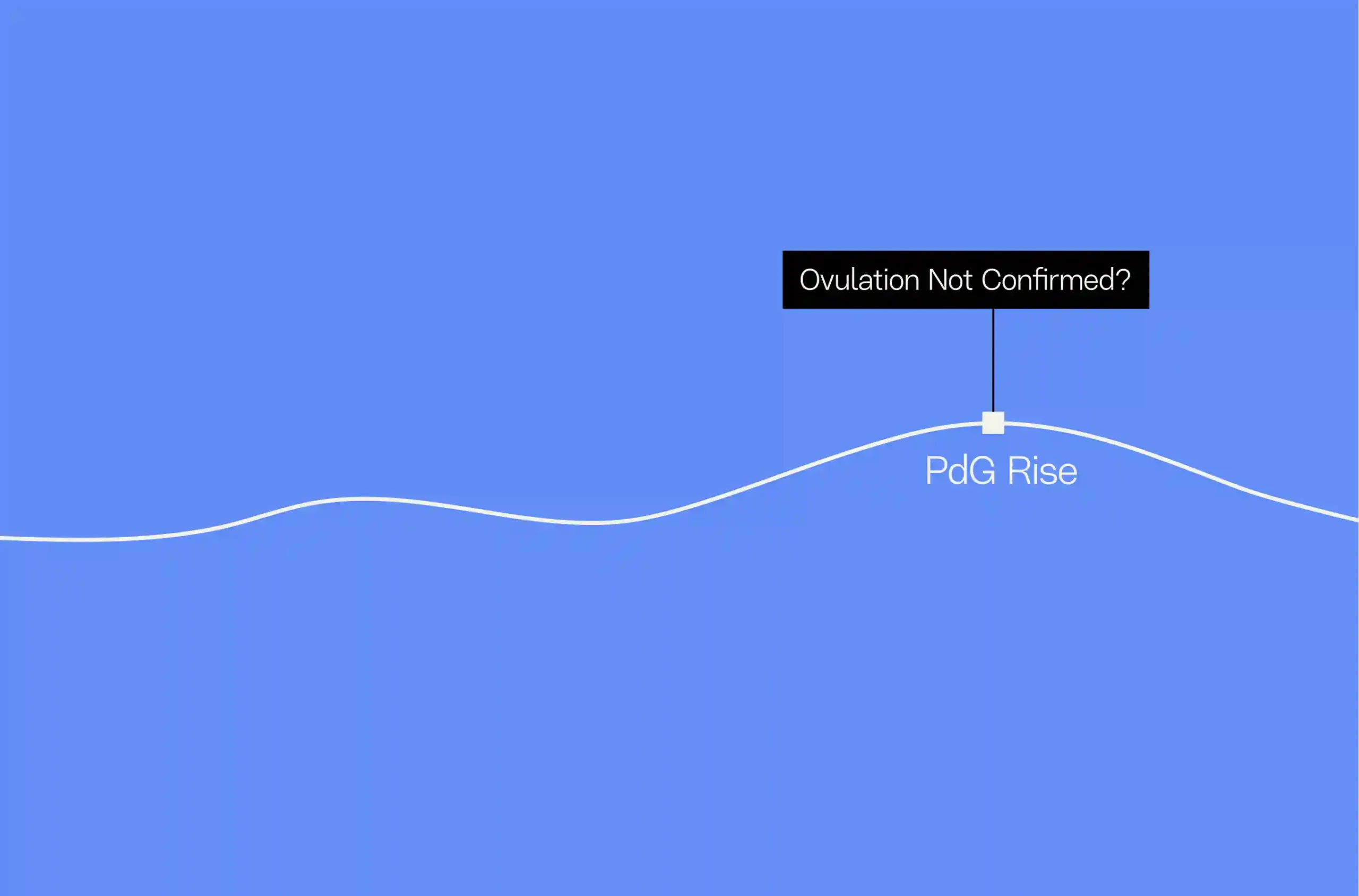
- If ovulation is actually happening
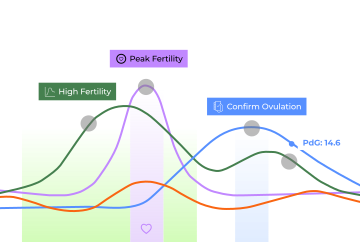
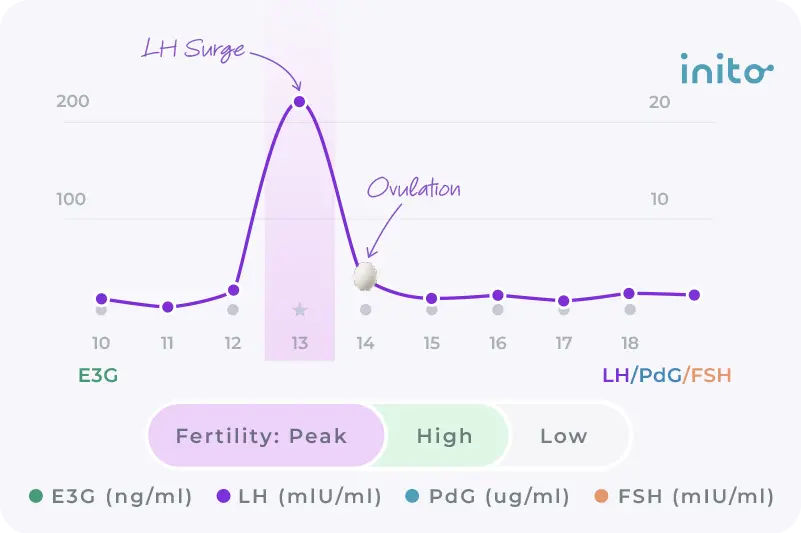
Tools like the Inito Fertility Monitor give you a clear picture of your fertile window and confirm ovulation.
4. Support your overall hormonal health
Some people explore natural remedies for hyperthyroidism, such as prioritizing consistent sleep, managing stress levels, and consuming a balanced, nutrient-rich diet to help support both thyroid function and reproductive hormones.
5. Don’t wait too long to seek help
Consider consulting a fertility specialist if:
- You’re under 35 and have been trying for 12 months
- You’re over 35 and have been trying for 6 months
The bottom line
Hyperthyroidism can influence both fertility and pregnancy by disrupting the balance of hormones that guide ovulation, implantation, and fetal development. But it’s a manageable condition.
With timely diagnosis, the right treatment, and a clear understanding of your cycle, many people with hyperthyroidism are able to conceive and have healthy pregnancies. Staying consistent with care and giving your body the support it needs are key.
If something feels off, it’s always worth checking and can make a big difference in your fertility journey.

FAQs
Yes, you can get pregnant with hyperthyroidism. While it may affect ovulation and cycle regularity, medications help restore hormonal balance and improve your chances of conception.
Yes. Many women with thyroid conditions (whether hyperthyroidism or hypothyroidism) are able to conceive. The key is proper diagnosis, treatment, and monitoring to keep your hormone levels in a healthy range.
It’s possible, but a low TSH (often seen in hyperthyroidism) may make ovulation less predictable. Managing thyroid hormone levels can help improve cycle regularity and support conception.
Hyperthyroidism can contribute to infertility by disrupting ovulation and hormone balance. However, this is often reversible, and fertility can improve once thyroid levels are properly treated.
There’s no fixed timeline. It depends on how quickly your hormone levels stabilize, your overall health, and your cycle patterns. Some people conceive within a few months once levels are well-controlled.
There isn’t a single “dangerous” number, but very low or very high TSH levels outside the recommended pregnancy range may increase risks.
General pregnancy ranges:
- First trimester: ~0.2–2.5 mIU/L
- Second & third trimester: ~0.3–3 mIU/L
Your doctor will monitor and adjust treatment to keep levels within a safe range.
Was this article helpful?
Thyroid hormones and female reproduction
Thyroid disease and female reproduction – Fertility and Sterility
Thyroid dysfunction and female infertility. A comprehensive review – ScienceDirect
Thyroid and its indispensability in fertility – PMC
Thyroid status and risk of miscarriage
The role of thyroid function in female and male infertility: a narrative review – PMC