


Content table
Estrogen symptoms can affect how you think, feel, and look. Many women notice changes in mood or energy levels before, during, or after their periods. That’s because estrogen is a key sex hormone that goes up and down at different phases of your cycle.
Estrogen plays a significant role in your overall health. It helps regulate stress levels, sleep, skin, and even digestion.
In fact, about 6% of women have migraine headaches near the time of their menstrual cycle. These migraine attacks may be linked to a dip in estrogen that happens just before your period.
Key Takeaways
- Estrogen is a key hormone that influences multiple systems in the body.
- Estrogen affects the brain, physical health, and behavior.
- Estrogen levels typically fluctuate throughout the menstrual cycle.
- As estrogen levels rise and fall, women may experience changes in mood, focus, energy, physical comfort, skin, and digestion.
- While these shifts are a normal part of physiology, their intensity can vary widely from person to person.
- Understanding the patterns of estrogen symptoms becomes easier when you can track them alongside your hormones.
How Does Estrogen Change in the Menstrual Cycle?
Estrogen rises and falls in response to your menstrual cycle. These fluctuations cause estrogen symptoms based on what part of your cycle you’re in.
Estrogen levels are lowest during your period. After your period, estrogen gradually increases. The phase after your period when estrogen builds up is the follicular phase. Ultimately, estrogen reaches its highest level a few days before the egg is released (ovulation).
Once you ovulate, estrogen levels briefly decline. This decline is followed by a smaller secondary rise in the second half of your cycle, the luteal phase.
Estrogen drops again in the late luteal phase. Your body gets used to higher estrogen levels, so this drop can lead to withdrawal symptoms. Withdrawal from estrogen triggers many of the premenstrual symptoms women have just before their period starts again.
How Does Estrogen Drop During Your Period?
The menstrual phase is the first phase of the cycle. It’s considered to be cycle day 1. Estrogen levels are lowest on the first day of bleeding.
This sudden decrease in estrogen means the body has to adjust. As your body adapts to the lack of estrogen, you may notice withdrawal symptoms.
Low Estrogen Symptoms
During your period, many women experience:
- Cramps (reported in 80% of women in studies)
- Fatigue
- Mood changes
- Physical discomfort
- Lower energy levels
These estrogen symptoms are caused by low estrogen levels. They should start to subside as your body moves into the next part of your cycle, the follicular phase.
What Happens With Estrogen in the Follicular Phase?
The second step of a woman’s cycle is the follicular phase. During the follicular phase, estrogen levels gradually increase.
Higher estrogen generally means a better mood and more energy. These benefits are related to estrogen’s positive effect on the brain chemical serotonin. By boosting serotonin, estrogen helps increase your brain’s “feel-good” signals.
Mental Health Symptoms
- As estrogen levels go up, you may notice:
- Improved mood, emotional stability, and productivity
- Higher self-esteem and a more positive outlook
- Better emotional processing and coping
- Enhanced memory and focus
- Increased motivation
During the follicular phase, estrogen may help you feel more resilient in the face of stress.
Physical Effects
Estrogen can also affect your skin. During the follicular phase, your skin may feel more hydrated, elastic, and firm.
Your energy levels may be higher. Your endurance and physical stamina may also increase. Digestion may also improve as a result of higher estrogen.
Estrogen also promotes sexual interest (libido). For most women, libido peaks as ovulation approaches. Studies show libido can increase by ~15–40% around the late follicular phase, leading into ovulation.
Estrogen causes changes to vaginal discharge. Initially, discharge may go from sticky and thick to more creamy. Ultimately, discharge becomes clear and stretchy. This type of discharge is called egg-white cervical mucus or EWCM.
All of these changes are related to rising estrogen levels. Estrogen enhances cervical mucus, making it more sperm-friendly in time for ovulation.
Know more: What’s Follicular Phase Discharge, and Why Does It Matter?
When Does Estrogen Reach Its Highest Point?
Estrogen peaks just before ovulation. Some women feel more emotional openness, greater social confidence, and sharper thinking skills.
Some of these effects are because estrogen increases the brain’s sensitivity to rewards. It also boosts motivation for social interaction. If you normally prefer to keep to yourself, you might be more willing to make social plans during this time of the month.
Peak Estrogen Level Symptoms
Estrogen influences libido. This effect is controlled by the brain’s reward and arousal circuits. Higher estrogen is generally associated with increased sexual desire around ovulation.
Cervical mucus during ovulation is clear, slippery, and stretchy (egg-white consistency). You may also notice more vaginal wetness in general during this time.
Basically, high estrogen puts your body and brain into a “ready, receptive, and socially engaged” mode. It supports focus, connection, and reproduction.
Know More: What is Ovulation: Symptoms & Pregnancy
What Are the Estrogen Symptoms During the Luteal Phase?
The luteal phase happens after ovulation. It’s the last phase of your cycle.
Estrogen fluctuates during the luteal phase. A secondary estrogen peak happens in the middle of this phase. Then, estrogen declines again as your body prepares for your next period.
Estrogen withdrawal and hormonal changes can affect how you feel during the luteal phase. Some women have a low mood or depressive symptoms as estrogen declines.
Other symptoms may include:
- Anxiety
- Irritability
- Mood swings, especially when estrogen dips
- Sensitivity or feelings of vulnerability
You may feel more aware of stress or find yourself overthinking social situations.
Some women have brain symptoms like:
- Brain fog
- Difficulty concentrating
- Reduced motivation
- Mental fatigue
- Sluggishness
Estrogen decline affects your brain and digestive signals. Headaches, menstrual migraines, and increased pain sensitivity are other possible symptoms.
Sleep disturbances, breast tenderness, and general physical discomfort can happen during the luteal phase. In addition, gastrointestinal effects may include:
- Bloating or abdominal discomfort
- Changes in bowel habits (constipation or irregularity)
- Increased gut sensitivity
Sometimes, lifestyle changes, like eating a healthy diet, can help relieve symptoms.
Your skin may seem dry, dull, or more sensitive. Some women have higher oil production during this time, which leads to acne. Temporary hyperpigmentation or enhanced discoloration of the skin is possible. Aggravation of existing skin conditions like acne, eczema, or psoriasis can also be part of the luteal phase.
Libido tends to decrease, and cervical mucus may get thicker or dry up.
What Are the Main Estrogen Symptoms by Phase?
Symptom | Menstrual Phase: Low Estrogen | Follicular Phase: Estrogen Rising | Ovulation: Peak Estrogen | Luteal Phase: Fluctuating Estrogen |
Mood | ↓ | ↑ | ↑ | ↓ |
Focus, Mental Clarity | ↓ | ↑ | ↑ | ↓ |
Energy, Motivation | ↓ | ↑ | ↑ | ↓ |
Headache & Migraine Sensitivity | ↑ | ↓ | ↓ | ↑ |
Resilience to stress | ↓ | ↑ | ↑ | ↓ |
Sleep | ↓ | ↑ | ↑ | ↓ |
Libido | ↓ | ↑ | ↑ | ↓ |
Skin | Acne flare-ups, dryness, sensitivity | Hydrated, clear, balanced oil | Healthy glow, improved texture | Acne flare-ups, dryness, sensitivity |
Gastrointestinal symptoms | Changes in digestion | Stable digestion | Changes in digestion | Bloating, constipation |
Cervical Mucus | Minimal | ↑ | Egg white, clear stretchy | ↓ |
How Can You Cope With Estrogen Symptoms?
Understanding your cycle can help you better manage the symptoms of estrogen peaks and valleys.
During the follicular and ovulation phases, estrogen is rising or at its peak. This is a great time to focus on high-energy tasks, social engagement, and exercise. Make the most of your positive mood and sharp cognitive function.
In the luteal phase (especially the late luteal phase), you may need to take a little extra time for self-care. Focus on balanced nutrition to help manage cravings and feel your best. Include key nutrients such as calcium and magnesium to support your body during estrogen withdrawals. This is also a good time to prioritize sleep, stress management, and gentle activity.
During menstruation, rest, hydration, light movement, and heat therapy can help manage pain and fatigue. Remember, menstrual symptoms are temporary and should subside soon.
You can also try seed cycling. This holistic practice involves eating specific seeds during different phases of your menstrual cycle. It’s said to promote a healthy balance of estrogen and progesterone. But if you’re struggling with intense symptoms, seek medical help from your healthcare provider.
Know More: Seed Cycling: What It Is, Benefits & How it Impacts Fertility
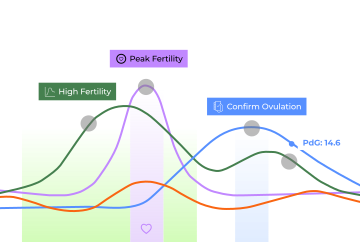
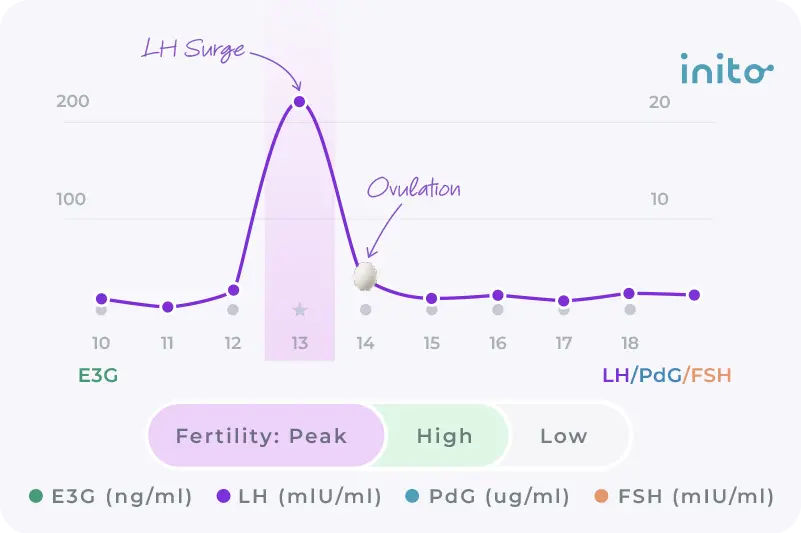
Additionally, tracking with the Inito Fertility Monitor can help you better understand your body. Inito measures 4 key fertility hormones in your urine, including estrogen. This helps you track and confirm ovulation, and also gives you valuable insights into your cycle.
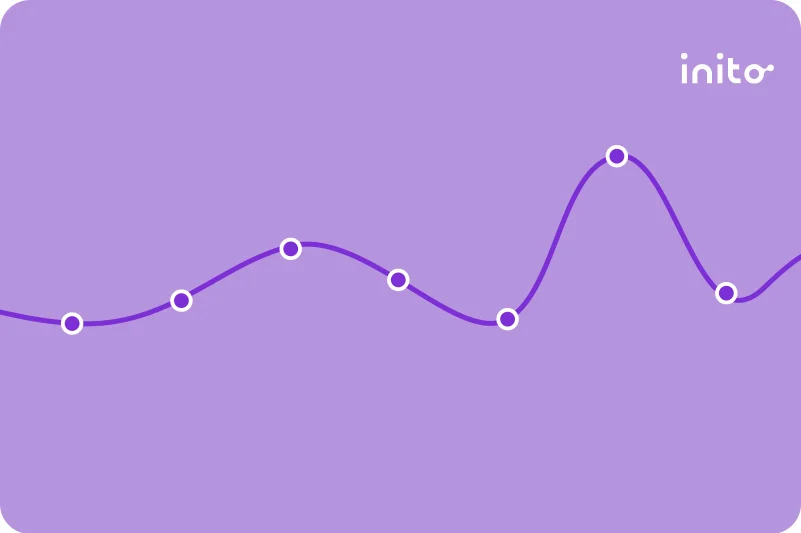
Instead of one-off measurements, look for patterns and trends. This information can help you predict how you might feel from one week to the next. You can also try logging your symptoms in your journal or on the free Inito app, and noting what helped and what didn’t. Over time, you may develop useful coping strategies.
Overall, adjusting lifestyle habits to align with hormonal shifts, also called cycle syncing, can help you feel your best throughout your cycle.

FAQs
Men naturally produce small amounts of estrogen. It supports sperm production, bone health, and libido. The right balance between estrogen and testosterone is essential for men’s sexual health.
If men have an imbalance between estrogen and testosterone, they may develop erectile dysfunction, low libido, and other signs of sexual dysfunction.
The only way to know for sure if your estrogen is low is to see a healthcare provider. They can give you an estrogen test and review the symptoms of low estrogen.
You can expect low estrogen levels at the start of your period. Signs of low estrogen production can include:
- Fatigue
- Breast tenderness
- Hot flashes and night sweats
- Vaginal dryness
- Skin problems or dry skin
Estrogen levels begin to rise again during the follicular phase. Lifestyle factors and treatments can help increase estrogen if you have an ongoing estrogen deficiency.
Estrogen is naturally at its highest point just before ovulation. Symptoms during this time may include vaginal wetness (cervical fluid) and higher libido. Some women also notice clear skin, a more positive mood, and mental clarity.
However, too much estrogen (and not enough progesterone) can cause unwanted symptoms. This is especially true if the hormone imbalance persists throughout your cycle. This is known as estrogen dominance.
It may cause increased risk of weight gain, irregular periods, breast tenderness, and bloating. For some women, it can also raise the risk of breast cancer, ovarian cancer, and other health problems. If you have an ongoing hormone imbalance, you may benefit from medical treatment.
Know more: What Causes High Estrogen Levels?
Living a healthy lifestyle can improve an estrogen imbalance. But sometimes, that’s not enough to raise estrogen levels.
Your healthcare provider can help determine if there’s a reason why estrogen is low. If so, they can treat the underlying condition. Sometimes hormone therapy is recommended. This is also known as estrogen therapy.
You can also discuss non-hormonal treatments with your doctor, including other medications and herbal supplements.
Know more: How to Increase Estrogen Naturally: 3 Simple Ways
If you and your healthcare provider decide estrogen therapy is safe for you, they’ll monitor you regularly to watch for side effects. The safety of estrogen treatment depends on several factors, including your family history. Being over age 60 increases the risk of unwanted side effects.
Was this article helpful?
- Menstrual migraine is caused by estrogen withdrawal: revisiting the evidence | The Journal of Headache and Pain
- Prevalence and frequency of menstrual cycle symptoms are associated with availability to train and compete: a study of 6812 exercising women recruited using the Strava exercise app | British Journal of Sports Medicine
- Serotonin-estrogen interactions: What can we learn from pregnancy? | Biochimie
- Estrogen, Stress, and Depression: Cognitive and Biological Interactions | Annual Review of Clinical Psychology
- The impact of estradiol on serotonin, glutamate, and dopamine systems | Frontiers in Neuroscience
- Physiological Changes in Women’s Skin During the Menstrual Cycle: A Scoping Review | Cureus
- Assessment of Musculoskeletal Strength and Levels of Fatigue during Different Phases of Menstrual Cycle in Young Adults | Journal of Clinical & Diagnostic Research
- Psychosexual aspects of the menstrual cycle: the relationship between endocrine changes and libido | Likars’ka sprava
- Hormonal Underpinnings of the Variation in Sexual Desire, Arousal and Activity Throughout the Menstrual Cycle – A Multifaceted Approach | The Journal of Sex Research
- Increasing women’s sexual desire: The comparative effectiveness of estrogens and androgens | Hormones and Behavior
- Estradiol levels modulate brain activity and negative responses to psychosocial stress across the menstrual cycle | Psychoneuroendocrinology
- Menstrual cycle estradiol fluctuations predict changes in affect and socioemotional functioning | Psychoneuroendocrinology
- Estradiol levels during the menstrual cycle differentially affect latencies to right and left hemispheres during dichotic listening: an ERP study | Psychoneuroendocrinology
- Relationship between estradiol level and sleep quality in healthy women | Fırat Tıp Dergisi
- Female social and sexual interest across the menstrual cycle: the roles of pain, sleep and hormones | BMC Women’s Health
- Estrogen and its role in gastrointestinal health and disease | International Journal of Colorectal Disease
- Gastrointestinal function during the menstrual cycle | Health Care for Women International
- The menstrual cycle and the skin | The Vulva
- Different levels of estradiol are correlated with sexual dysfunction in adult men | Scientific Reports
- Hormone Therapy for Menopause | American College of Obstetricians & Gynecologists