Can You Get Pregnant Right After Your Period?
Updated on Sep 30, 2026


You may be thinking that the chances of pregnancy are slim after your period. But, as it turns out, you can still get pregnant right after your period. It all depends on the timing of your fertile window and when you have sex.
Studies show that about 2% of women are in their fertile window as early as cycle day 4, while 17% can potentially get pregnant by day 8 of starting their period.
In addition, sperm can survive for up to five days in the female reproductive tract. This is another important factor to keep in mind when timing sex for pregnancy.
Ultimately, pregnancy depends on the combination of ovulation timing and the lifespan of sperm. Here’s what that means for you.
Key Takeaways
- It’s possible to get pregnant right after your period.
- This takes into account the timing of the fertile window and sperm lifespan.
- The fertile window marks that time in your cycle when you’re most likely to conceive - the 4 days before, the day of, and the day after ovulation.
- Sperm survive for about 5 days in your reproductive system.
- Women with shorter cycles are more likely to conceive after their period as they enter their fertile window earlier.
- Irregular cycles make it more hard to predict the fertile window since ovulation shifts with each cycle.
- Tracking your ovulation can increase your chances of conceiving.
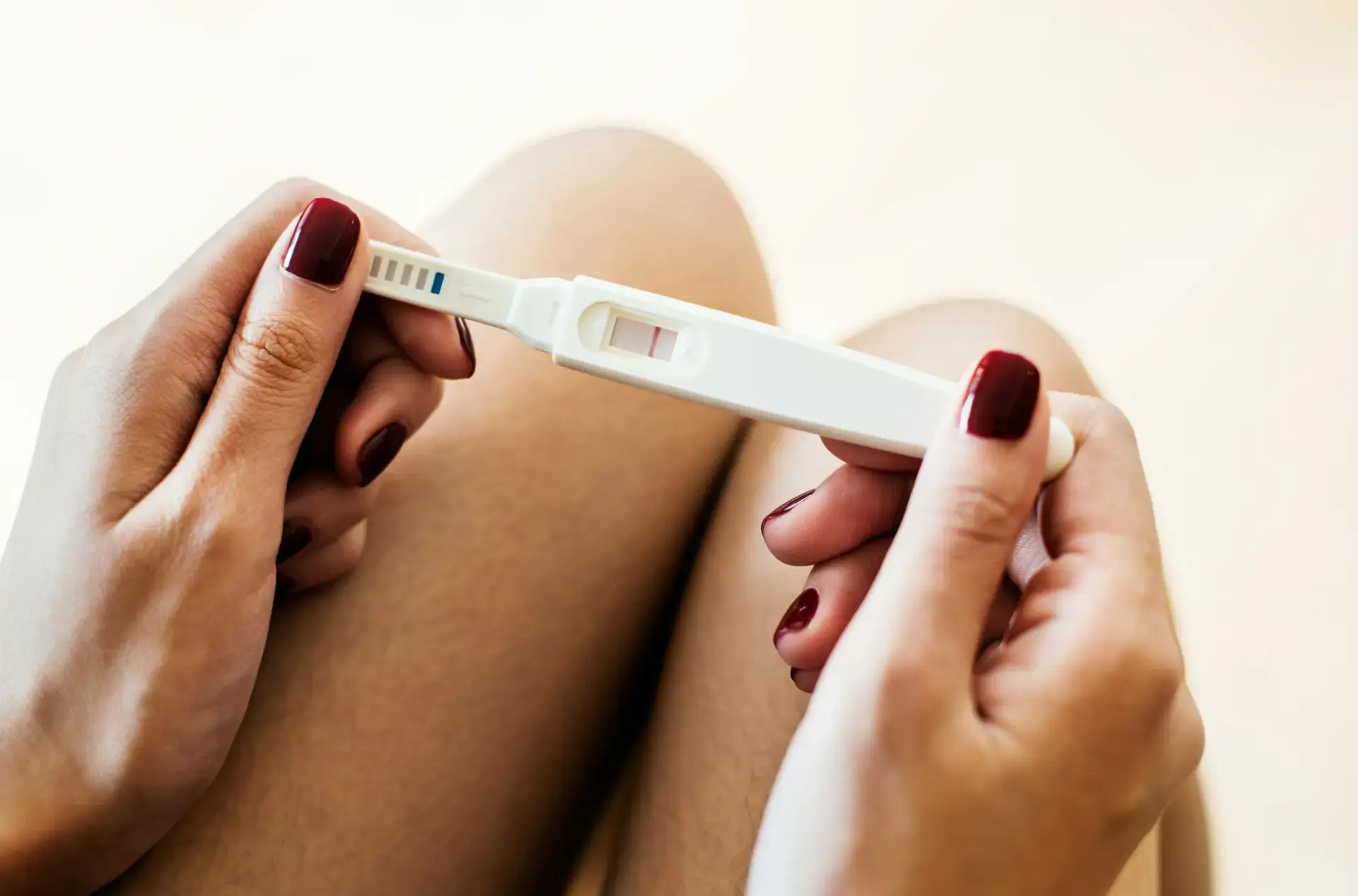
- Some possible pregnancy signs include a missed period, breast tenderness, fatigue, nausea, and increased urination.
- Take a pregnancy test if you think you might be pregnant.
First, What Is Your Fertile Window?
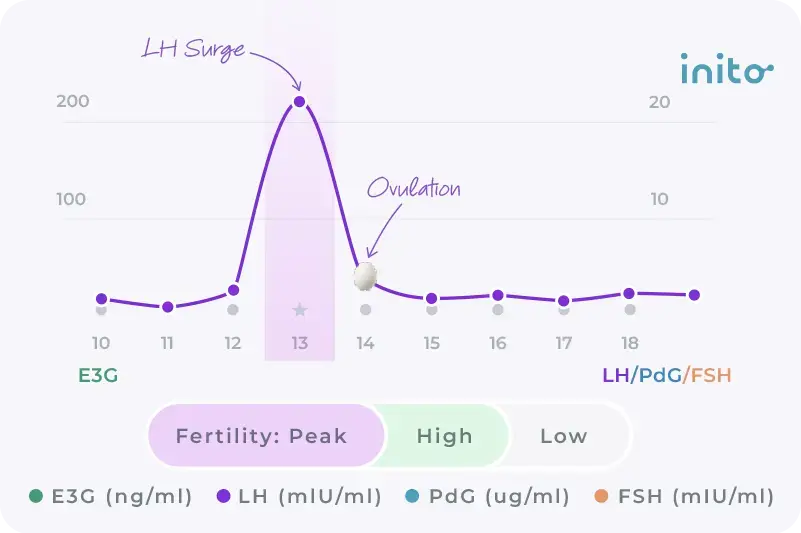
During the average woman's cycle, there are six days during which having sex can lead to pregnancy. This “fertile window” includes the four days before ovulation, ovulation day, and the day following ovulation (Ovulation is the release of an egg from the ovary. Usually, ovulation occurs 12 to 14 days before your next period).
One study found that more than half of women had their fertile window in the middle of the menstrual cycle, around days 12 and 13. However, women whose cycles are shorter than average ovulate earlier than those who have longer cycles.
Know more: When to Have Sex When You Are Trying to Get Pregnant?
Ready to start your fertility journey?
Get Inito Fertility MonitorHow Does Sperm Survival Affect Your Chances of Conceiving?
It’s crucial to nail the timing of intercourse when trying to conceive. But ovulation timing isn’t the only thing that matters. Since sperm can stay viable for up to five days after intercourse, you can get pregnant if you have sex before you ovulate. Having sex during or right after your period could produce a pregnancy. It depends on when ovulation follows.
Say you had sex on the last day of your period. And the sperm stayed alive in your body for five more days. If you have a short cycle, you could become pregnant, if ovulation happens in the next five days.
Remember, it only takes one sperm and one egg to make a baby. You can take steps to help get the timing just right. First, know when you ovulate. Then, make sure your body provides a healthy environment for sperm (and your partner’s sperm is healthy).
What Are Your Chances of Pregnancy After Your Period?
You can get pregnant right after your period if your fertile window overlaps with your menstrual period (or follows soon after it). This is more likely to happen if you have a short cycle, lasting 21 days or less.
During shorter cycles, early ovulation may occur because of a short follicular phase. Less than 12 days is considered a short follicular phase.
If you have a regular 21-day cycle, ovulation usually happens around days 7 to 9. If your period lasts five days, your fertile window can overlap with your period.
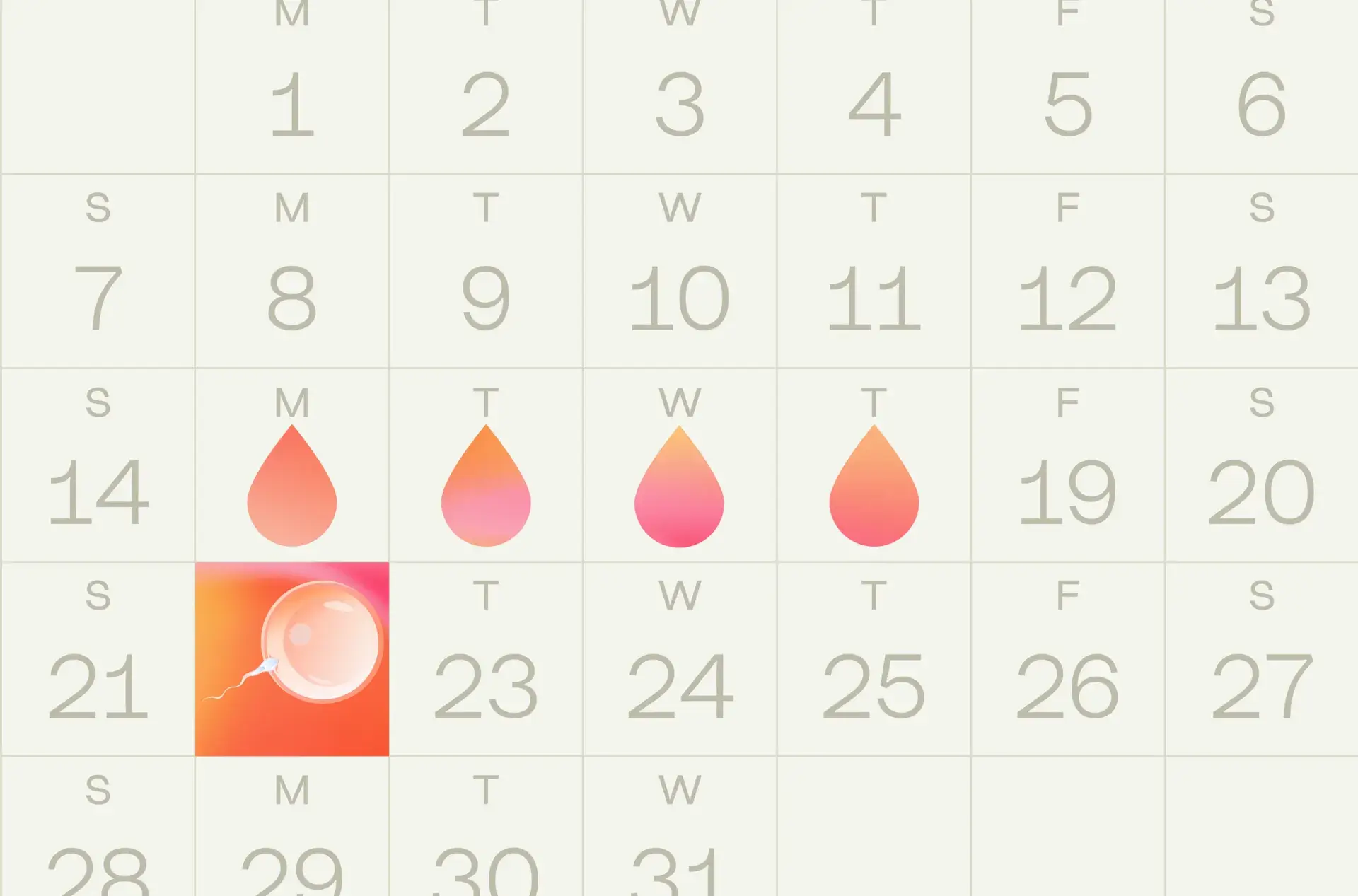
For example, say your period starts on March 1st. With a short cycle, ovulation is expected as early as March 7th. Since sperm can live up to five days, having intercourse on March 5th or 6th (during or just after your period) can still lead to pregnancy.
Know more: Early ovulation: Symptoms, Causes, Treatment and More
What Factors Increase Your Chances of Pregnancy?
Various factors raise the likelihood that you’ll get pregnant shortly after your period. Here’s a list of some key factors to keep in mind.
Short menstrual cycle length
In one study, women who reported having cycles that last 27 days or less ovulated sooner. They also had earlier fertile windows than women with long cycles (lasting about 35 days).
As a result, intercourse right after menses may fall within the fertile window. A third of the 39 women in the study with short cycles had reached their fertile window by the end of the first week. Compare this with only 7% of the 55 women with long cycles.
Irregular cycles
Some months your cycle may be shorter, and other months, longer. Irregular cycles can make ovulation harder to predict.
Women could have irregular periods for several reasons, such as:
- Early stages of menopause
- Eating disorders
- Excessive exercise
- Medication side effects
- Thyroid problems
- Uncontrolled diabetes
Even in people with generally regular cycles, the timing of the fertile window can shift from month to month.
Good sperm survival conditions
Some conditions are more favorable for longer sperm survival, allowing more time for ovulation. For instance, the presence of “fertile” cervical mucus (thin, stretchy ‘egg-white’ mucus) helps sperm survive and reach the fallopian tube. When this mucus is present, intercourse near your period can help keep the sperm alive for long enough until the egg is released.
Not Sure When You Ovulate?
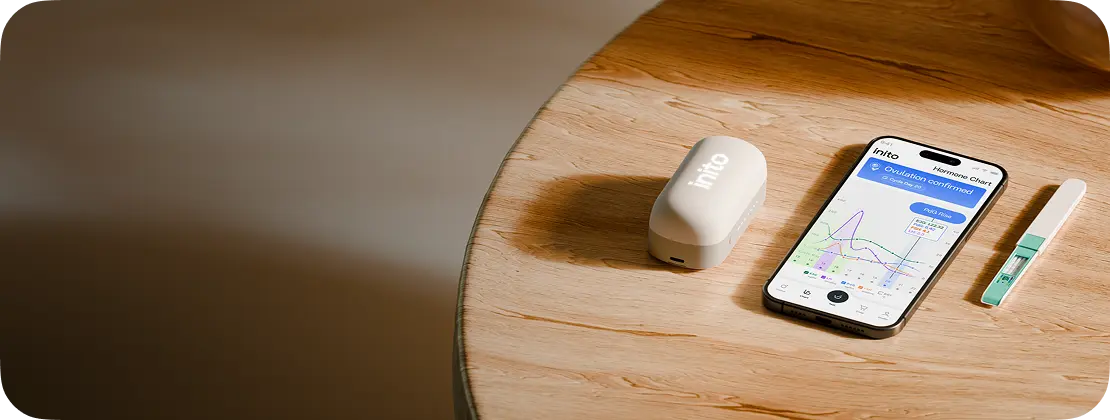
This is where the Inito Fertility Tracker can help. It tracks four key fertility hormones—FSH (tracks follicle development), estrogen (signals that your fertile window is open), LH (predicts ovulation), and PdG (confirms ovulation after it occurs)—on a single test strip.
By showing your actual fertile window and confirming ovulation, instead of relying on calendar estimates, Inito helps you understand whether intercourse just after your period falls within that cycle’s fertile days.

See how Inito will fit into your unique fertility journey
Take 5 min free fertility assessment and get a personalised hormone report
What Are the Early Signs of Pregnancy?
If you end up getting pregnant right after your period, you may notice some early signs of pregnancy, including:
Missed period (no period by 12-14 days after ovulation)
- Breast tenderness
- Nausea
- Fatigue
- Urinating more often
However, these symptoms can vary and aren’t very specific. Certain issues, like nausea, pelvic discomfort, and breast changes, overlap with premenstrual symptoms or other conditions. These symptoms alone aren’t enough to get an accurate diagnosis.
If you think you might be pregnant, call your healthcare provider. Be sure to confirm a home pregnancy test with a pregnancy test from your doctor. From there, you can schedule your prenatal visits.
Know more: How Soon After Ovulation Can You Test for Pregnancy?
Summary
You can get pregnant right after your period. This is especially true for women with shorter or irregular cycles. In these cases, ovulation can happen earlier than expected. And the fertile window may begin soon after menstruation.
Remember, sperm survive for up to five days in the female reproductive tract. That means, intercourse during the last days of a period or just after it can still result in pregnancy if ovulation occurs early.
As ovulation timing varies from cycle to cycle, Inito can identify your fertile days more accurately by measuring the changes happening in your body.
Early pregnancy symptoms are easy to miss or mistake for something else. A pregnancy test and a doctor’s visit are recommended if you miss your period or suspect pregnancy.
Reach your fertility goals with full confidence
FAQs
Contributor

Anastasia Climan
RDN, CD-N
Was this article helpful?
Share it on

Get a free guide Luteinizing Hormone (LH) by Inito