Can Twins Cause a False Negative Pregnancy Test?
Published on Apr 21, 2026


Seeing a negative pregnancy test when you were hoping for a different answer can feel confusing, especially if your body is saying something else. It can feel even harder when you start wondering if twins can cause false negative pregnancy test results.
Pregnancy tests are about 99% accurate — but they’re not perfect. Sometimes your hormones can throw them off.
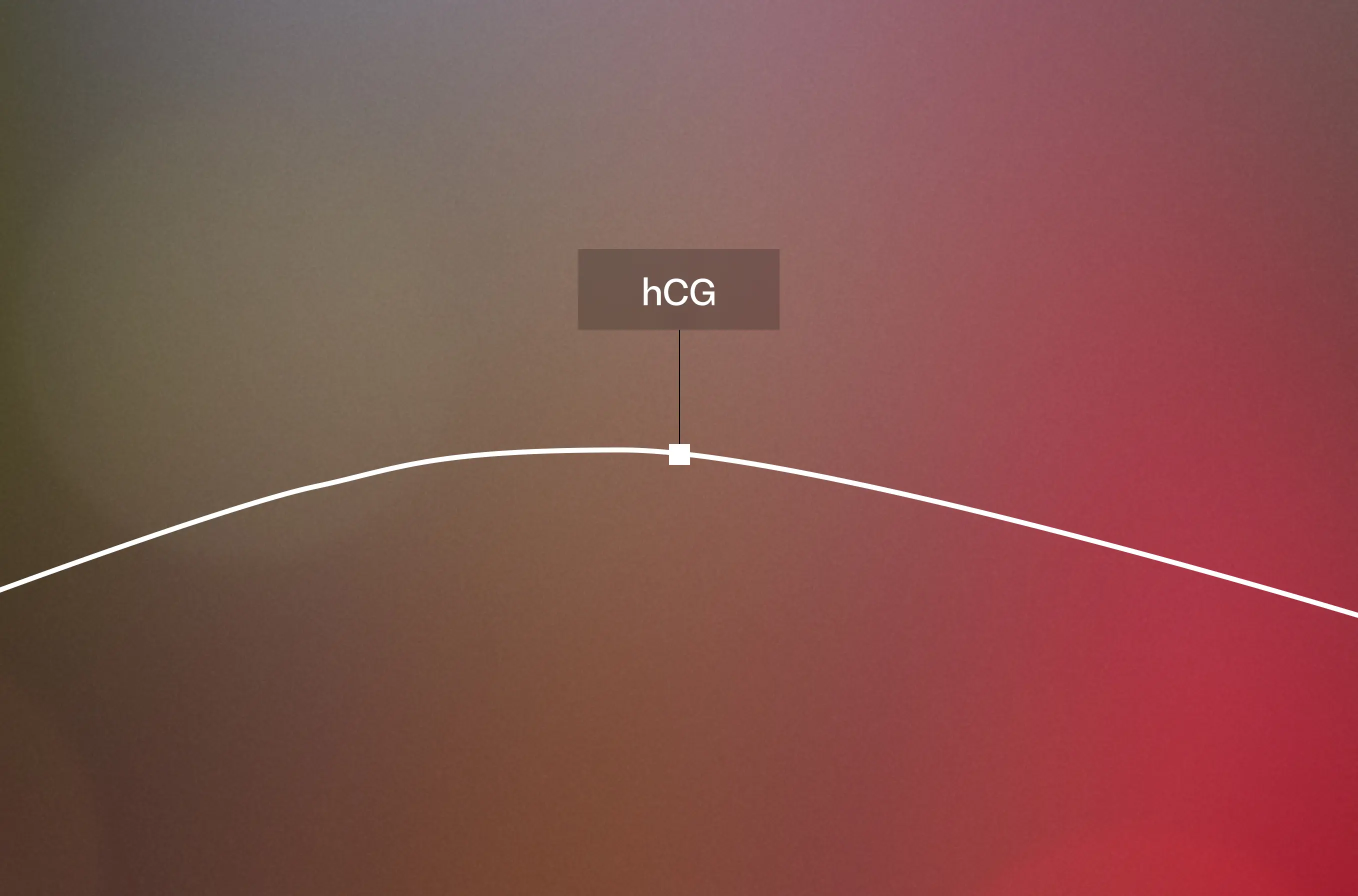
Twin pregnancies are often easier to detect because they usually make more hCG, the hormone that pregnancy tests measure. But in some rare cases, very high hCG can lead to a false negative.
Let’s walk through what’s really happening, why it can happen, and what to do if your test says no but your gut says otherwise.
Key Takeaways
- Twin pregnancies can rarely cause a false negative pregnancy test.
- Most of the time, twins are actually easier to detect.
- A false negative with twins can happen when hCG gets unusually high.
- The most common reason for a false negative is still testing too early.
- Using first-morning urine can help give you a more accurate result.
- It’s okay to retest after a negative result if you still feel pregnant.
- Checking in with your doctor can help you get clear answers.
How Do Pregnancy Tests Work?
Home pregnancy tests look for human chorionic gonadotropin (hCG), a hormone made by the placenta after implantation.
Human chorionic gonadotropin (hCG) has two parts: alpha and beta. The beta subunit of hCG is unique and is therefore more specific to pregnancy.
There are two major types of hCG tests. A qualitative test checks if hCG is present, like a home urine test, and a quantitative test measures how much hCG is in the blood.
In early pregnancy, hCG usually rises fast and often doubles about every 48 hours in the first weeks. That’s why early pregnancy test accuracy depends so much on timing. If you test too early, hCG could still be too low to detect.
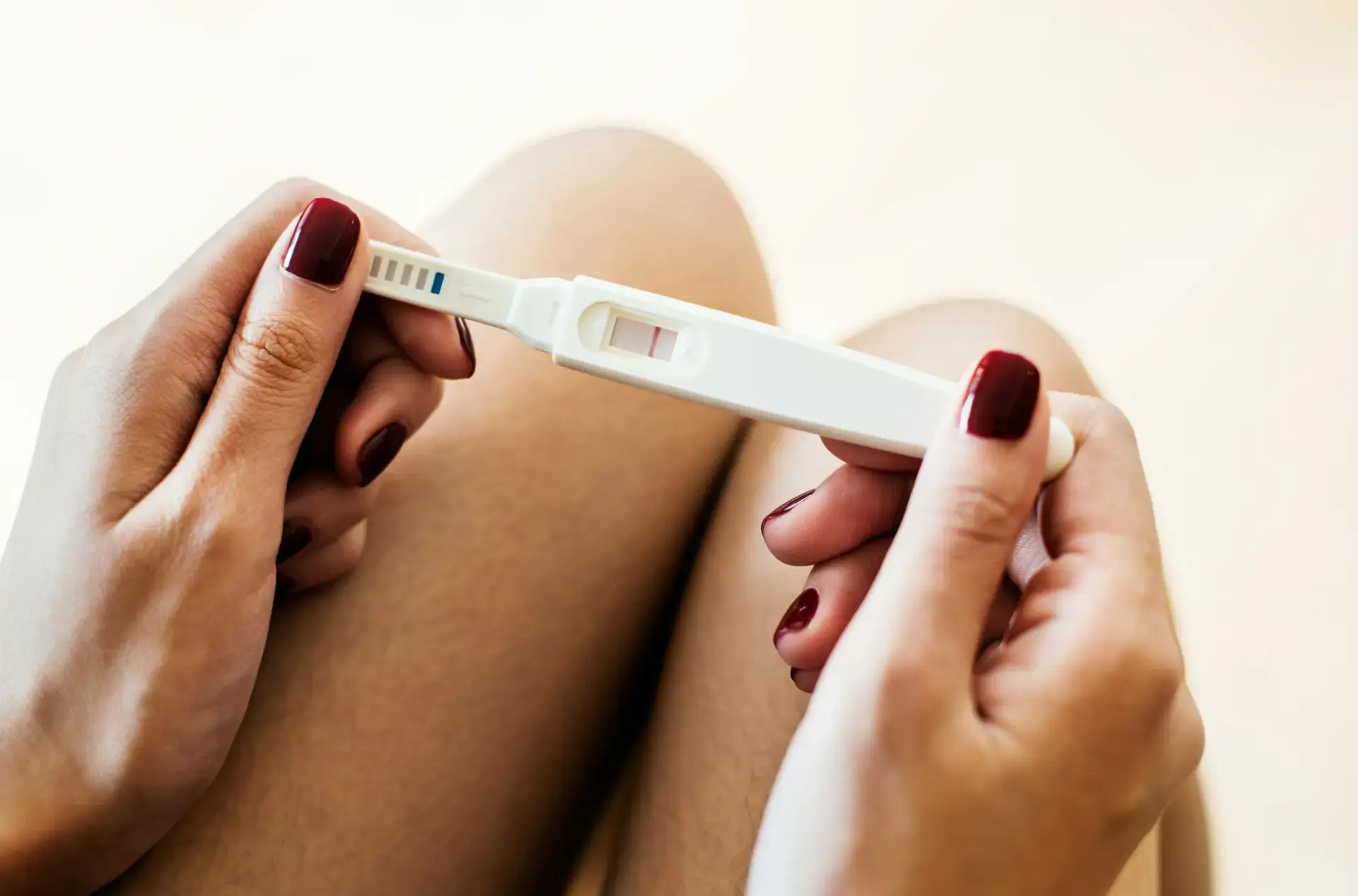
Home urine pregnancy tests use antibodies that bind to hCG and create the signal that shows on the strip. A positive result usually shows two lines. A negative result shows only the control line.
Most home tests detect hCG above 20 mIU/mL, usually around 4 weeks after conception. When used correctly, tests are very accurate, but rare false negatives can still happen.
Ready to start your fertility journey?
Get Inito Fertility MonitorCan Twins Cause a False Pregnancy Test?
Yes, but it’s rare.
In twin or multiple pregnancies, hCG levels can get very high. Most of the time, that actually makes pregnancy easier to detect, so you might get a positive earlier than expected. But in rare cases, very high hCG can do the opposite.
This is called the “hook effect” (or, prozone phenomenon). When beta hCG gets extremely high, it can overwhelm the antibodies in a urine pregnancy test, interrupting what the test needs to give a result.
False negatives can also happen if you test too early. If hCG hasn’t risen enough yet, even a healthy pregnancy might not show up.
Tracking your cycle and hormones helps you know when to test
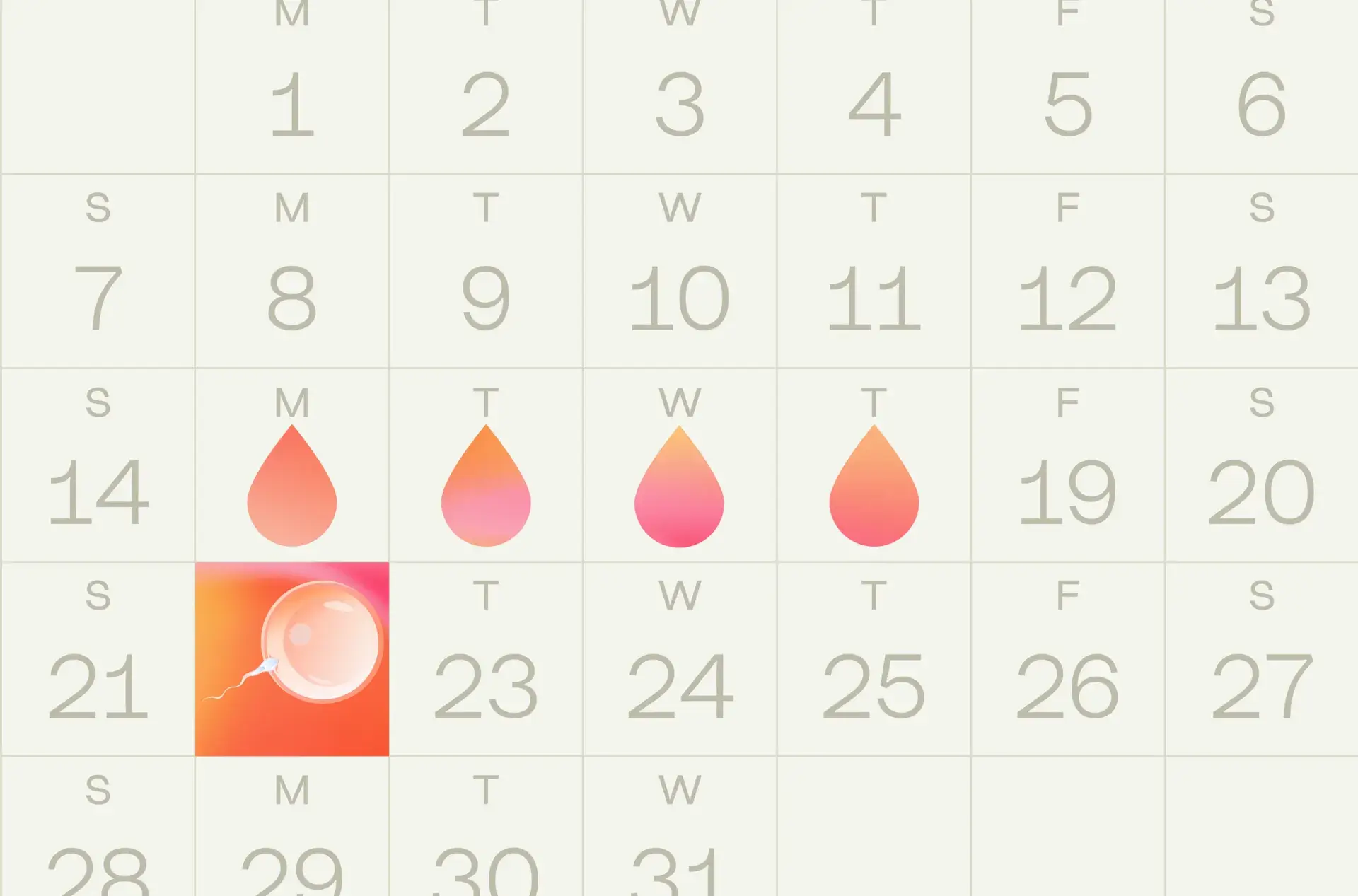
Since timing matters so much, understanding your cycle can make a big difference in knowing when to test. For the most reliable result, it’s usually best to wait until at least one day after a missed period (around 14+ days post-ovulation (DPO)) before taking a pregnancy test.
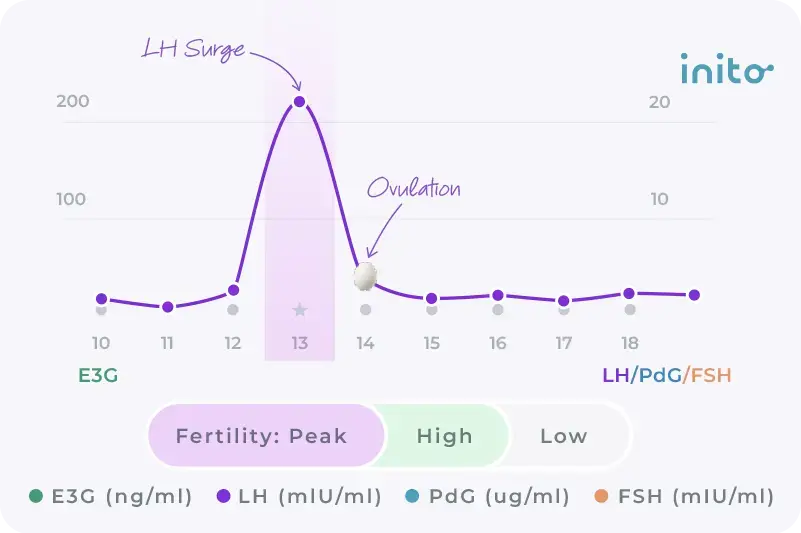
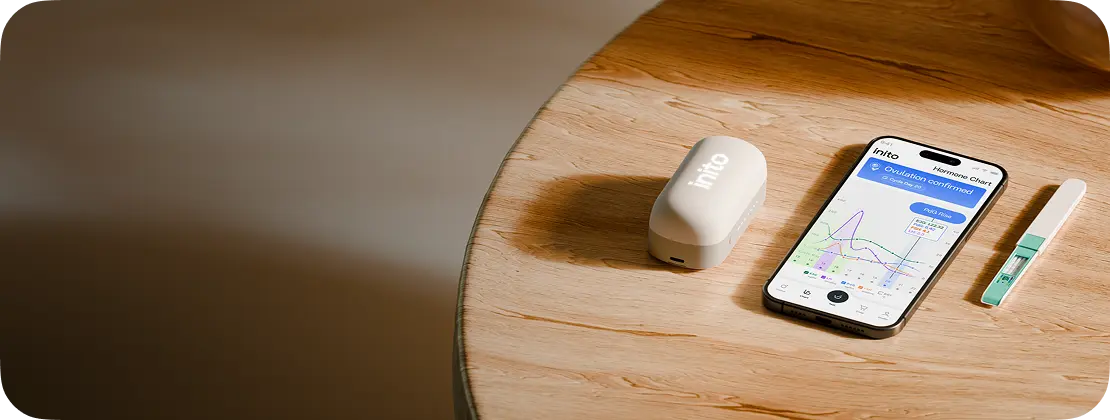
Not sure how many days past ovulation you are? With the Inito Fertility Monitor, you can track hormones like LH, estrogen, PdG, and FSH, to know exactly when you ovulate, confirm ovulation, and feel more confident about the best time to test.
Remember, no home pregnancy test is 100% accurate. So if you think you’re pregnant but get a negative, the next step is usually a blood test and, if needed, an ultrasound.
Learn more: When to Take a Pregnancy Test After Implantation
What Else Can Cause a False Negative Pregnancy Test?
In most cases, it’s something much more common and much less dramatic.
Watery urine
Drinking lots of water before testing can make your urine get too diluted because it lowers the hCG concentration. First-morning urine is usually best. It’s more concentrated, so the test has a better chance of picking up hCG.
Know more: Can You Take A Pregnancy Test At Night?
Ectopic pregnancy
In an ectopic pregnancy, hCG levels often rise more slowly or in an unusual way, causing a negative urine test even when you’re technically pregnant. Warning signs like pain, spotting, or a missed period could be signs of a medical emergency, so go to the hospital as soon as possible.
Cancer or gestational trophoblastic disease
Some rare conditions, like gestational trophoblastic disease (GTD), can also affect test results. These conditions involve abnormal growth from placental cells and can produce very high hCG levels.
In some cases, that excess hCG can trigger the “hook effect,” leading to a false negative. A molar pregnancy is one example. Certain cancers can also produce unusual forms of hCG that may interfere with how a pregnancy test works.
Test mistakes
Using an expired test, not following the directions, or reading the result at the wrong time can all lead to a false negative. Even a very accurate test can give the wrong answer if it’s not used the right way.
Testing too early
This is one of the most common reasons. If you test too soon after conception, hCG may not have risen enough yet to show up. Testing again after 48 to 72 hours can make a big difference.
Know More : How Soon After Ovulation Can You Test for Pregnancy?

See how Inito will fit into your unique fertility journey
Take 5 min free fertility assessment and get a personalised hormone report
What Should You Do if You Still Think You’re Pregnant After a Negative Test?
First, don’t blame yourself — you didn’t do anything wrong.
- Wait 48 to 72 hours and test again.
- Test first-thing in the morning.
- Check that the test isn’t expired.
- Follow the instructions carefully.
If your test is still negative but your period still hasn’t shown up, or your symptoms keep getting stronger, talk to your doctor.
Even though false negatives are rare, they can still leave you second-guessing things. If pregnancy still seems possible after a negative or unclear result, your doctor might suggest more testing.
And if you have pain, bleeding, or symptoms that feel off, don’t ignore them. It’s better to check in with your doctor sooner.
What Does This Mean for Your Pregnancy Test Results?
So, can twins cause false negative pregnancy test results? In rare cases, yes. And that can feel especially confusing if you already think you’re pregnant.
Sometimes hCG levels get so high that they overwhelm the test and stop it from showing a positive result (the “hook effect”). But it’s different from testing too early.
That’s why timing matters so much.
Tracking ovulation with the Inito Fertility Monitor can tell you exactly which DPO you’re at, help you test at a better time and take away some of the guesswork. And if a negative result still doesn’t match what your body is telling you, it’s a good idea to check in with your doctor.

Reach your fertility goals with full confidence
FAQs
Contributor

Blair Sharp
Women’s Health Writer
Was this article helpful?
Share it on

Get a free guide Luteinizing Hormone (LH) by Inito