Low hCG Levels During Early Pregnancy: Causes, Patterns, and What to Do Next
Published on Sep 21, 2026


Low hCG levels during early pregnancy don’t always mean something is wrong. Healthy pregnancies can start with lower hCG levels, especially if your pregnancy is earlier than you thought.
The presence of human chorionic gonadotropin, or hCG, is one of the earliest signs of pregnancy. It’s also the hormone detected by home pregnancy tests and blood tests. During the first trimester of a healthy pregnancy, hCG usually rises quickly.
However, research suggests that around 20–30% of pregnancies end shortly after implantation, and these pregnancies often show lower hCG levels followed by a decline. But low or changing hCG levels can also happen with pregnancy complications, so it’s important to talk with your doctor about what your results mean for you.
Key takeaways
- hCG is a key hormone produced during pregnancy.
- Normal hCG levels vary widely from person to person and pregnancy to pregnancy.
- A low hCG reading may not automatically mean a miscarriage.
- Incorrect pregnancy dating is one of the common causes of low hCG.
- Miscarriage can cause hCG to rise slowly, plateau, or fall.
- Ectopic pregnancy and hCG levels don’t always follow one pattern.
- Repeat hCG tests are usually more useful than one result.
- Symptoms, pregnancy dates, hCG trends, and ultrasound findings all matter.
What is hCG?
Human chorionic gonadotropin (hCG) is often called the “pregnancy hormone.” The embryo starts producing it very early, even before implantation. After implantation, the developing placenta becomes an important source of hCG and levels begin to rise.
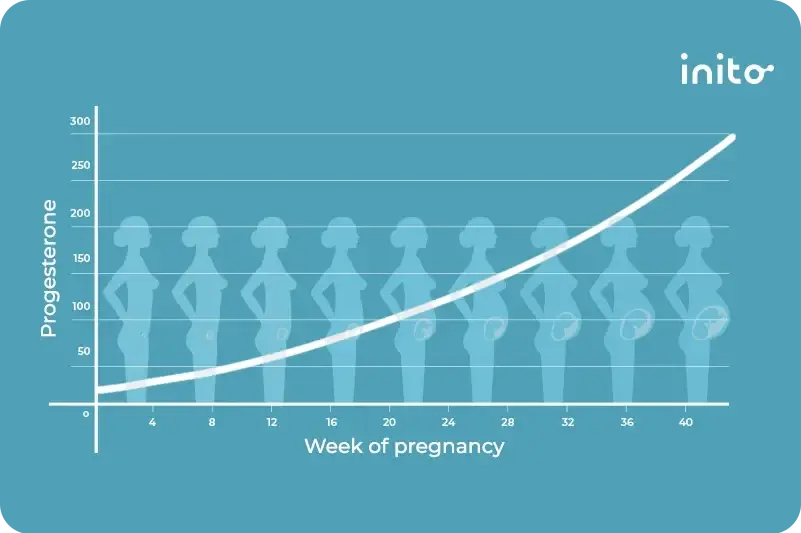
One of hCG’s main jobs is to support the corpus luteum, a temporary tissue in the ovary that continues producing progesterone. Progesterone hormone helps to maintain the uterine lining and support early pregnancy.
hCG comes in different forms, including hyperglycosylated hCG, which plays a role in implantation and placental development. It also has alpha and beta subunits, with beta-hCG being more specific to the hormone. That’s why beta-hCG is commonly measured during pregnancy.
hCG can show up in the blood around six to eight days after fertilization, and levels usually rise quickly in early pregnancy. They often double about every 48 hours during the first eight to ten weeks, although research has also found increases of around 66% over 48 hours in many viable pregnancies. But the overall pattern matters more than one number.
Know more: hCG Doubling in Pregnancy: Why It Matters
What are the levels of hCG in pregnancy by weeks?
There isn’t one “normal” hCG number for each week of pregnancy, and levels can vary quite a bit from person to person. The chart below shows typical blood hCG ranges by week, but think of them as general reference points rather than strict targets.
hCG usually peaks around week 10. After that, levels can gradually decline until about week 16, then level out for the rest of pregnancy.
| Week # | hCG Blood Levels (mIU/mL) |
|---|---|
| 3 | 5 – 72 |
| 4 | 10 – 708 |
| 5 | 217 – 8,245 |
| 6 | 152 – 32,177 |
| 7 | 4,059 – 153,767 |
| 8 | 31,366 – 149,094 |
| 9 | 59,109 – 135,901 |
| 10 | 44,186 – 170,409 |
What are the causes of low hCG levels in early pregnancy?
Low hCG can happen for a few reasons, and they don’t all mean the same thing. Your doctor will usually look at your hCG trend along with your symptoms, pregnancy dates, and ultrasound findings to understand what’s going on.
Pregnancy is earlier than expected
Ovulation doesn’t always happen on the same cycle day. If you ovulate later, implantation happens later too. That means hCG production also starts later, so your levels can look lower than expected even in a healthy pregnancy.
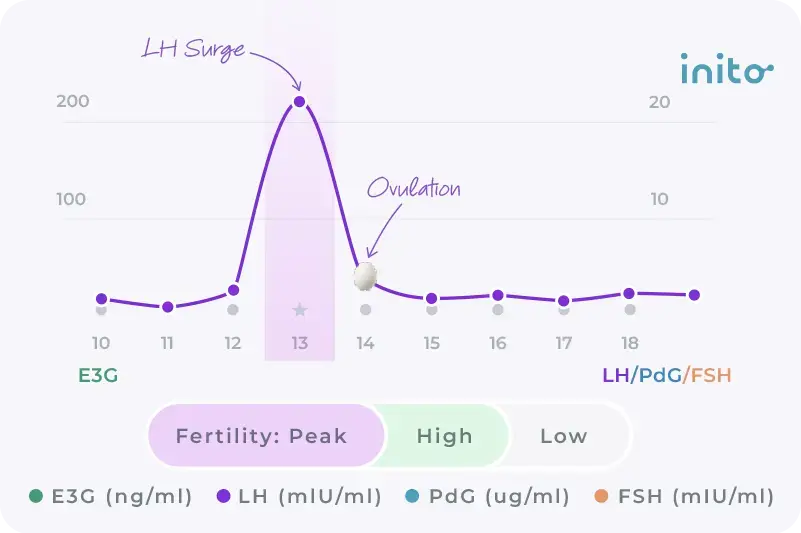
Tracking your cycle and hormones with the Inito Fertility Monitor can help you know when you ovulate by tracking FSH, LH, estrogen, and PdG (urine metabolite of progesterone). Inito confirms ovulation through a steady rise in PdG, giving you a clearer idea of your days past ovulation (DPO).
Know more: The Complete Guide to Implantation
Early pregnancy loss
About 20–30% of pregnancies end shortly after implantation, often with lower hCG levels followed by decline. Pregnancies that stop developing can show:
- Lower initial hCG concentrations
- Slower increases
- Plateauing levels
- A gradual decline
In one study, 22 of 158 women with slow-rising hCG still had a viable pregnancy at their eight-week ultrasound. However, 16 of those 22 pregnancies were no longer viable after the first trimester. There isn’t one specific hCG level to confirm miscarriage, so slow-rising hCG usually needs continued monitoring.
How quickly hCG drops after a miscarriage can also depend on how high it was to begin with. One study found that hCG starting around 500 mIU/mL dropped by about 24% over 48 hours, compared with about 35% when it started around 5,000 mIU/mL.
Know more: Are hCG and Miscarriage Related? | A Complete Guide
Anembryonic pregnancy
An anembryonic pregnancy, also called a blighted ovum, is an early pregnancy loss where a fertilized egg implants but the embryo doesn’t develop. In these pregnancies, hCG can rise slowly, plateau, or eventually fall. A pregnancy test can still be positive because the gestational sac and placental tissue can keep producing hCG for some time, so an ultrasound is needed to confirm an empty gestational sac.
The most common cause is a chromosomal abnormality that prevents normal embryo development. A blighted ovum is different from a chemical pregnancy, which happens very early and usually causes hCG to start falling, rather than rise slowly or plateau.
Know more: Pregnant But hCG Rising Slowly: What to Know
Ectopic pregnancy
Low or unusual hCG patterns can also happen with an ectopic pregnancy, when an embryo implants outside the uterus. The tricky part about ectopic pregnancy and hCG levels is that there isn’t one clear pattern. hCG can rise slowly, plateau, fall, or even increase at a rate that looks similar to a healthy pregnancy, so doctors usually need more testing to rule it out.
Research found that about 8% of ectopic pregnancies had hCG declines similar to a miscarriage. A normal rise doesn’t rule it out either. In one study, 16% of women with a normal hCG rise and inconclusive ultrasound findings were later diagnosed with an ectopic pregnancy, while another study in women with ectopic pregnancies found that nearly 21% had an hCG increase similar to a viable pregnancy.
Know more: Understanding Ectopic Pregnancy hCG Levels
Placental dysfunction
hCG also plays a role in placental development and blood vessel formation. Unusually low beta-hCG has been linked with complications like preeclampsia (pregnancy with hypertension), preterm birth, and restricted fetal growth.
One case report described a woman with low beta-hCG early in pregnancy who later developed severe preeclampsia. Researchers suggested that low hCG levels could sometimes be an early sign of abnormal placental development, but more research is needed.
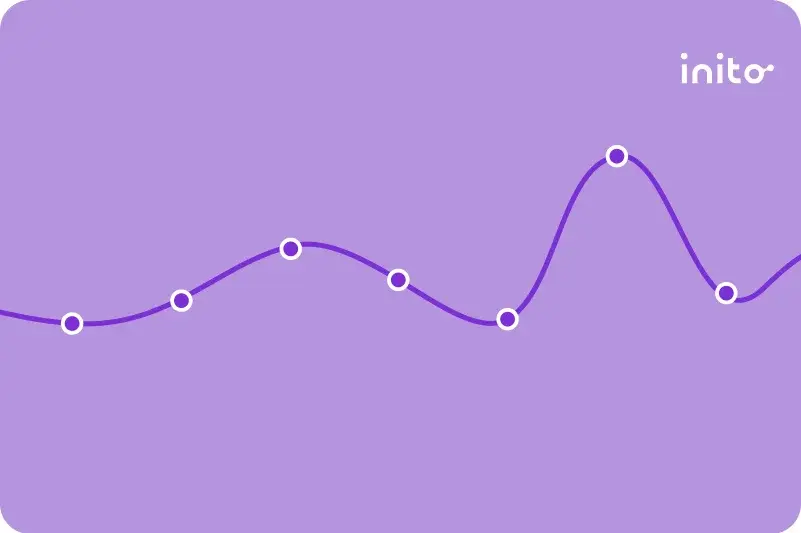
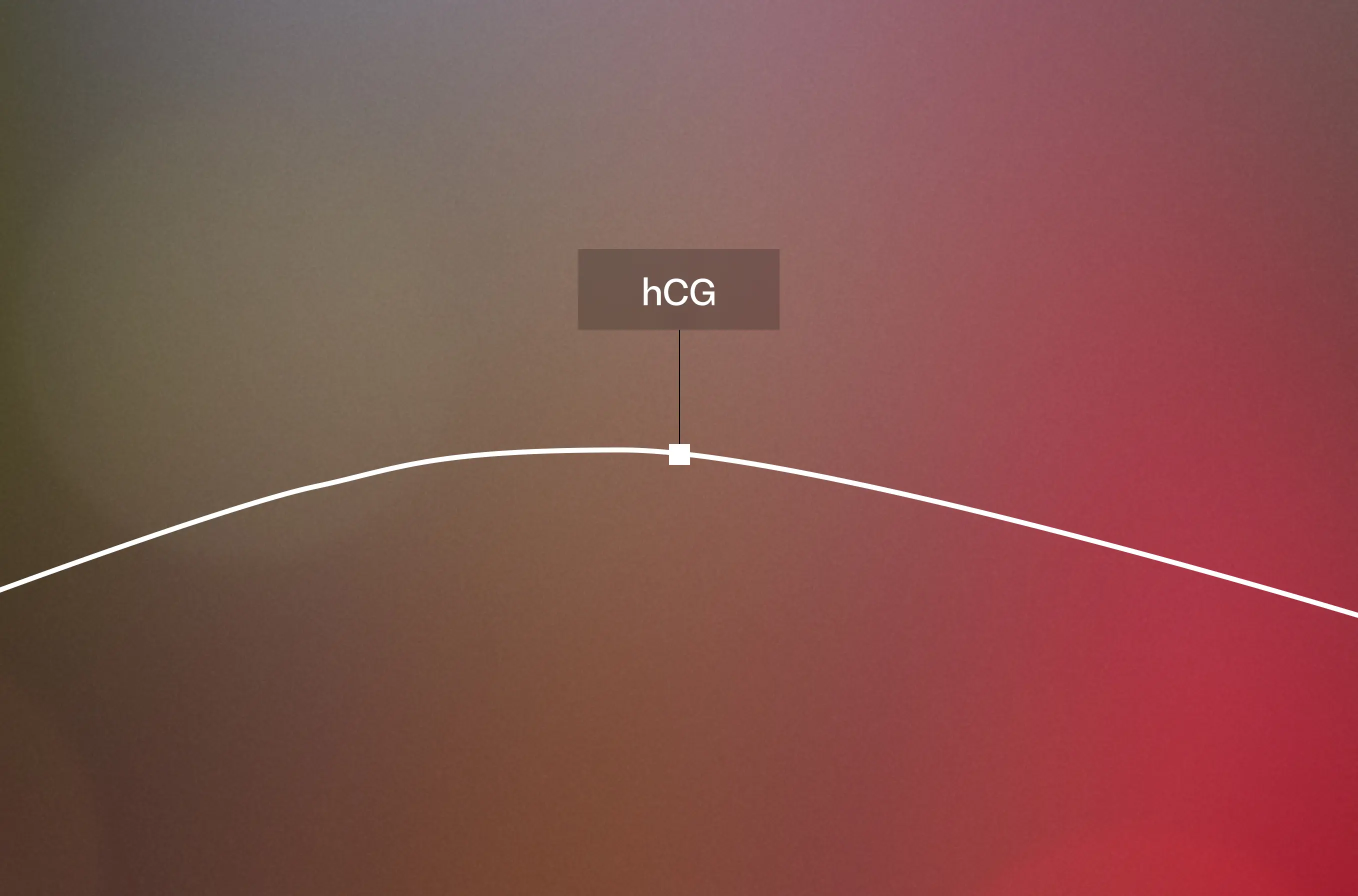
Figure 1 shows that hCG usually rises in a healthy pregnancy and falls during a miscarriage. Ectopic pregnancies can follow a less predictable pattern, which is why doctors often use repeat hCG tests along with ultrasound to understand what’s going on.
What do hCG levels look like after IVF?
hCG trends can also be helpful after IVF. In one study, an hCG level of at least 150 mIU/mL on day 15 after embryo transfer, along with a 15-fold increase by day 22, was strongly linked with a normal pregnancy. Lower values were linked with an 84% chance of abnormal pregnancy. Larger studies of more than 6,000 IVF pregnancies have also found that higher starting hCG and faster increases over 48 hours are linked with higher live birth rates.
Doctors usually look at repeat hCG tests and ultrasounds together. If you develop ovarian hyperstimulation syndrome (OHSS) after fertility treatment, fluid shifts from OHSS can also temporarily affect blood hCG levels.
What else can affect hCG levels?
Normal hCG levels vary from person to person, so doctors also consider your gestational age, hCG trend, ultrasound findings, and symptoms.
Other factors that can affect hCG include:
- Testing method: Different labs can give slightly different results.
- Individual variation: hCG naturally varies between people and pregnancies.
- BMI: Higher BMI has been linked with lower hCG in early pregnancy.
- Smoking: Smoking has also been linked with lower hCG.
- Ethnicity: Average levels can vary slightly between ethnic groups.
- Previous pregnancies: Past pregnancies can have a small effect on hCG.
- Placental size: Larger placentas can produce more hCG.
- Severe pregnancy nausea: This is also known as Hyperemesis gravidarum and is often linked with higher hCG levels.
- Sex of the baby: Pregnancies with a female fetus can have slightly higher hCG levels as compared with male fetus.
What should you do if your hCG is low?
Try not to focus on one number. Here’s what you can expect:
- Repeat hCG testing: Your doctor can repeat the blood test about 48 hours later to see how your levels change.
- Check with ultrasound: This can help confirm where the pregnancy is and how it’s developing.
- Watch for warning signs: Severe abdominal or one-sided pelvic pain, heavy bleeding, dizziness, or fainting need urgent medical care.
- Follow your plan: You could need more blood tests, another ultrasound, or additional monitoring. Attend your scheduled prenatal appointments so your doctor can track your progress.
There’s no treatment that directly raises hCG. If your levels aren’t rising as expected, the focus is on finding the reason and managing the underlying cause.
What’s the takeaway on low hCG levels in early pregnancy?
Low hCG levels during early pregnancy don’t always mean something is wrong. They can happen if the pregnancy is earlier than expected, but they can also be linked with miscarriage, ectopic pregnancy, or placental problems.
What matters most is how your hCG changes over time and what your ultrasound shows. Those pieces together give a much clearer picture of how the pregnancy is progressing.
FAQs
Contributor

Blair Sharp
Women’s Health Writer
Was this article helpful?
Share it on

Get a free guide Luteinizing Hormone (LH) by Inito