Morning Sickness During Pregnancy: What to Expect and How to Feel Better

Updated on Nov 10, 2026


Morning sickness during pregnancy can make your favorite snacks sound gross, or even the smell of dinner makes you want to throw up. And despite its name, nausea and vomiting can happen in the morning, afternoon, or in the middle of the night.
About 50% to 80% of pregnant women have morning sickness. For some, it’s mild symptoms that come and go. For others, morning sickness makes eating, working, and getting through the day hard.
Changes to your eating habits, natural supplements, and pregnancy-safe over-the-counter remedies can help.
Understanding the risk factors for morning sickness, what causes it, how long it lasts, and when to call your doctor can help you feel more in control and actually enjoy your pregnancy.
Key Takeaways
- Morning sickness during pregnancy can happen at any time of day or night.
- It often starts between weeks four and eight of pregnancy and improves in the second trimester, though some women have symptoms that last longer.
- Pregnancy hormones and genes help explain why it happens and why some women feel worse than others.
- Symptoms can include nausea and vomiting, food aversions, and feeling sick around strong smells.
- Lifestyle changes like eating small meals, regular sips of fluid, rest, and avoiding triggers can help.
- Ginger and vitamin B6 can also ease nausea and vomiting. Consult your healthcare provider before trying supplements.
- If home remedies aren’t enough, your provider might recommend medicine.
- Severe pregnancy sickness, called HG (hyperemesis gravidarum), can cause dehydration and weight loss.
- Speak with a medical professional if you keep throwing up or can’t keep fluids down.
What is morning sickness during pregnancy?
Morning sickness, or what medical professionals call NVP (nausea and vomiting during pregnancy), is when you feel sick to your stomach, throw up, or both while you’re pregnant. It can happen at any hour of the day or night.
In one study, only 1.8% of women had sickness just in the morning. About 80% said it lasted all day.
Mild to moderate morning sickness usually doesn’t harm your baby. But frequent vomiting can make it hard to get enough fluids and nutrients.
Some women develop hyperemesis gravidarum, or HG, a severe form of pregnancy sickness that affects up to 3% of pregnancies. Ongoing vomiting from HG can cause weight loss, dehydration, electrolyte disturbances, and ketosis, when your body breaks down fat for energy. Without treatment, HG can cause serious problems for you and your baby.
Ready to start your fertility journey?
Get Inito Fertility MonitorWhen does morning sickness start?
Morning sickness usually starts early in pregnancy, between weeks four and eight, and sometimes around week six. But it’s different for everyone. Some women feel nauseous earlier; for others, it’s later.
One study found that symptoms usually peaked between weeks 10 and 16, and cleared up after 20 weeks. But up to 10% of women still had symptoms after 22 weeks, and a small number of women had them until they gave birth.
What causes nausea and vomiting during pregnancy?
Researchers still don’t know exactly what causes morning sickness, but hormone changes and genes likely play a big part.
Here’s how different hormones may be involved:
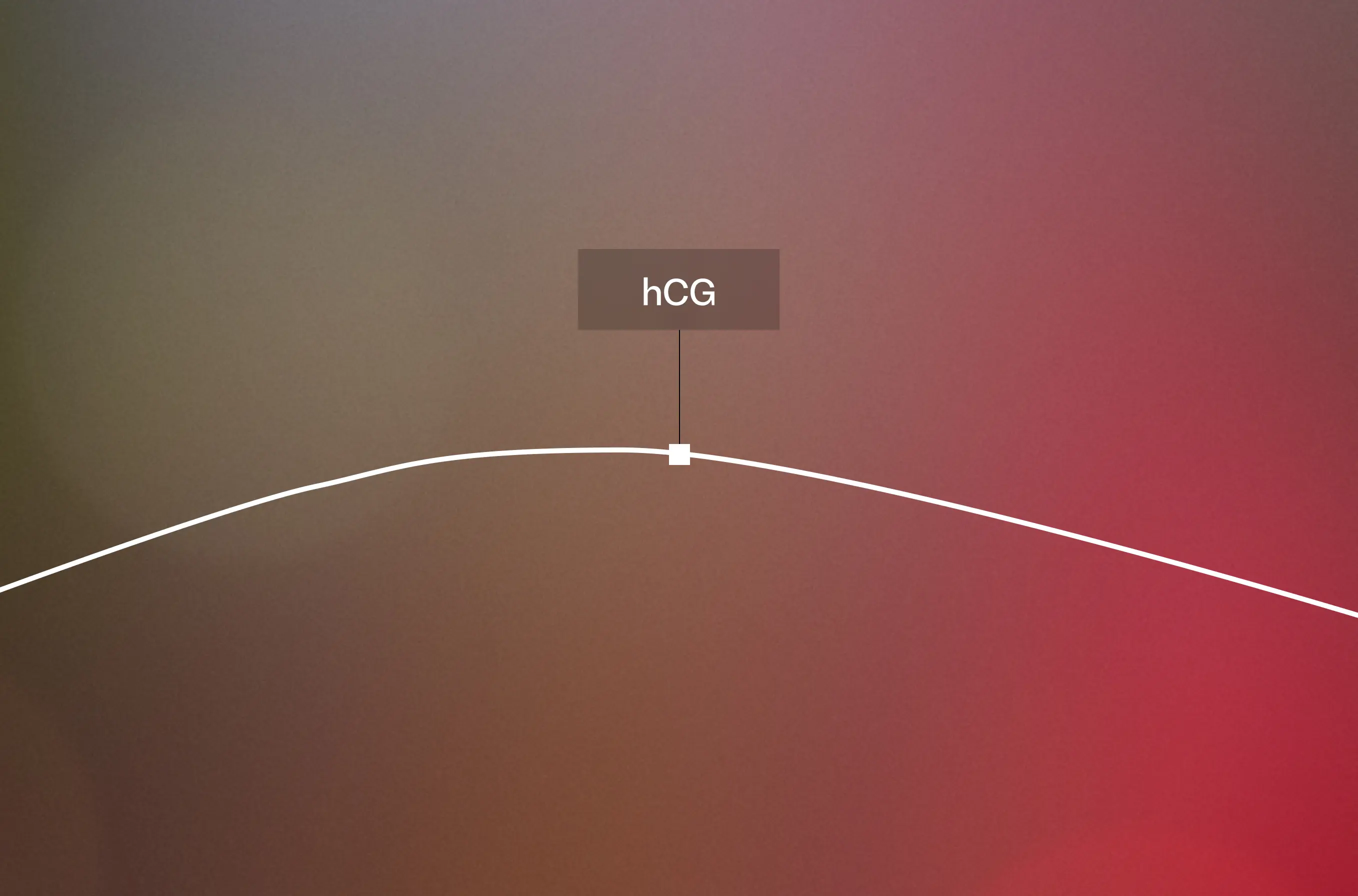
- hCG is highest around weeks 9–12 and has been linked to nausea
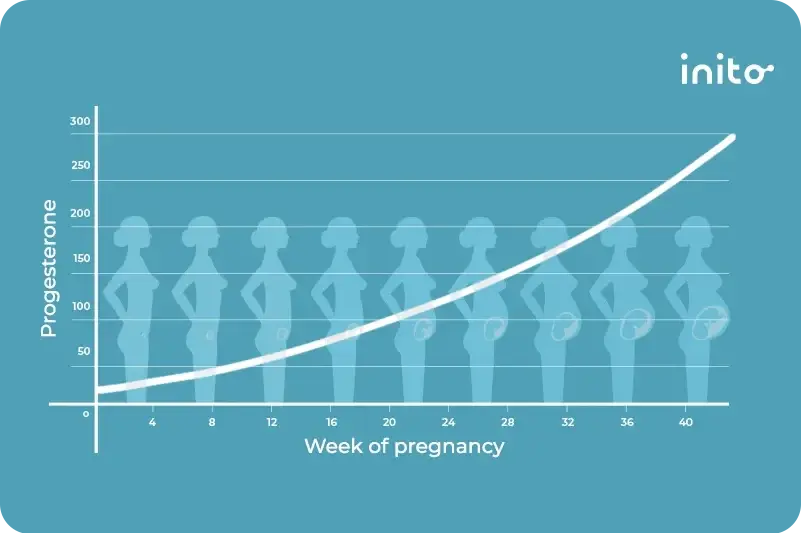
- Progesterone slows digestion, which can make symptoms worse
- Estrogen can make you more sensitive to smells
- Serotonin helps carry nausea signals to your brain
A recent study found that a hormone called growth differentiation factor 15 (GDF15) plays an important role in pregnancy nausea and vomiting. It’s made by the placenta and developing baby. How sick you feel may depend on how much is made and how sensitive your body is to it.
Other possible factors include gastrointestinal issues like acid reflux, psychological factors like stress or mental health conditions, and differences in genes that affect the placenta and pregnancy hormones.
You’re more likely to have morning sickness if you:
- Had it in a past pregnancy
- Have a family history of nausea and vomiting during pregnancy
- Are carrying twins or triplets
- Have felt nauseous while taking birth control pills with estrogen
- Have more placental tissue, which can happen with multiples, or a molar pregnancy
But not all nausea and vomiting is from morning sickness. Talk to a medical professional if you have stomach pain, pain when you pee, or vomiting that starts for the first time after week 16. Also mention any history of stomach ulcers or gallstones. Your doctor can check for other causes and help you get the right treatment.
What are the signs and symptoms of morning sickness?
Morning sickness can mean mild nausea and vomiting several times a day. You might have symptoms in early pregnancy only or throughout your entire pregnancy.
Common morning sickness symptoms include:
- Nausea: Feeling queasy before or after eating, or at other times
- Vomiting: Throwing up once in a while or repeatedly
- Food aversions: Not wanting foods you usually enjoy
- Sensitivity to smells: Feeling sick around cooking smells, perfumes, or other strong odors
- Less appetite: Feeling less hungry or not wanting to eat
- Gagging or retching: Feeling like you’re about to throw up, even if nothing comes up.
These pregnancy sickness symptoms can make it hard to focus, care for your family, work, or even eat. If you’re throwing up often, having trouble keeping fluids down, or losing weight, reach out to your healthcare provider.

See how Inito will fit into your unique fertility journey
Take 5 min free fertility assessment and get a personalised hormone report
How to manage nausea and support a healthy pregnancy?
The best morning sickness treatment depends on how sick you feel. If your nausea and vomiting are mild, changing your eating habits and making a few changes to your day may help. If that’s not enough, your doctor might suggest medicine. The goal is to help you feel better, prevent problems like dehydration, and keep any risks to your baby as low as possible.
Change your eating habits
Nausea can become worse on an empty stomach, so try five or six small meals instead of three large ones. Keep easy snacks, like crackers, nearby so you have something to eat before you get too hungry.
Avoid spicy and fatty foods. Try to eat bland foods with plenty of carbs, like crackers, pasta, and potatoes. The BRATT diet includes bananas, rice, applesauce, toast, and tea. These plain, low-fat foods may be easier to eat, but they don’t give you all the nutrients you need. As you feel better, add more variety to your eating habits.
Try cold foods if the smell of hot meals makes you nauseous. There’s no single diet for morning sickness that works for everyone. Start with foods you can eat and keep down, then add more variety when you can.
One review found that eating more fruits, vegetables, and protein was linked to fewer morning sickness symptoms. Protein may also help keep food moving through your stomach at a steadier pace.
Drink small amounts of fluids
Take small sips of water throughout the day instead of drinking a lot at once. If plain water makes you nauseous, ask your healthcare provider what else you could drink. Sugar-free candies or chewing gum can help if a bad taste in your mouth makes drinking difficult. Getting enough fluids is especially important when you’re throwing up. If you can’t keep drinks down, call your healthcare provider. You may need treatment for dehydration.
Rest and avoid triggers
Nausea and vomiting can be harder to deal with when you’re tired, so rest when you can. Pay attention to smells, foods, or activities that make you feel worse.
Ginger
Ginger may help with morning sickness. You could try tea made with fresh ginger, ginger candies, or ginger ale that contains real ginger.
Here’s what studies have found:
- One study compared ginger with vitamin B6. Nausea improved for 29 of 35 women taking ginger and 23 of 34 taking B6, but the results didn’t show that ginger worked better.
- A review of studies involving 1,278 pregnant women found that ginger helped nausea more than a placebo. But there wasn’t a clear difference in how often women threw up.
- Other research found that ginger helped mild to moderate nausea and vomiting more than a placebo and worked about as well as vitamin B6.
Ginger tea, candy, and supplements contain different amounts of ginger. That means ginger tea for morning sickness may not work the same way as the ginger used in studies. Speak to your healthcare provider before trying ginger supplements during pregnancy.
Vitamin B6
Vitamin B6, also called pyridoxine, can help you feel less nauseous during pregnancy. Multiple studies looked at B6 alone and with other ingredients. Overall, it helped with nausea, but the studies used different treatments and had different results.
Some treatment guidelines suggest trying vitamin B6 for morning sickness first. If you need more relief, your healthcare provider might add doxylamine, an antihistamine that can also help with nausea.
Check how much B6 is already in your prenatal vitamin before taking more. Too much B6 can be harmful, so ask a medical professional before adding doses or combining supplements.
When should you see a doctor for morning sickness?
Talk to your doctor if food changes and home remedies aren’t helping. You don’t have to wait for more severe symptoms to ask for help. Your doctor can treat morning sickness based on your symptoms and health history.
Treatment guidelines recommend anti-nausea medicine when needed. Options include antihistamines, doxylamine with vitamin B6, and other medicines. Each has benefits and risks that your provider can explain.
One option is ondansetron, which can help with nausea and vomiting. Research hasn’t given a clear answer about some possible risks to your developing baby. It can also cause heart rhythm problems in people with certain health conditions.
Seek medical attention right away if you keep throwing up, have trouble eating or drinking, or notice signs of dehydration. These include very dark urine, peeing less than usual, dizziness, or weakness. You may need help replacing lost fluids and getting your symptoms under control.
Morning sickness during pregnancy can mean mild nausea or feeling too sick to get through your day. Small meals, regular sips of fluid, rest, and options like ginger or vitamin B6 may help. If they don’t, your doctor can suggest other treatments. You don’t have to just put up with feeling sick. Help is available.


Reach your fertility goals with full confidence
FAQs
Contributor

Blair Sharp
Women’s Health Writer
Was this article helpful?
Share it on
Get a free guide Luteinizing Hormone (LH) by Inito