Early Pregnancy Symptoms: Can You Actually Trust These Signs?

Updated on Nov 9, 2026


Whether this is your first potential pregnancy or you’ve been trying to conceive for a while, early pregnancy symptoms can feel confusing.
You’ve likely heard about some of the telltale signs like breast tenderness, fatigue, and bloating. But these early signs can be tricky to tell apart from premenstrual symptoms (PMS). And the timing and intensity of when symptoms show up isn’t the same for every woman or pregnancy.
So if you’ve been wondering if the symptoms you’re experiencing could point to a pregnancy, keep reading. You’ll learn the common early signs to watch for as well as the best timing to confirm with a pregnancy test.
Key Takeaways
- Common early pregnancy signs are: a missed period, fatigue, breast soreness, nausea, cramping, and bloating.
- Symptoms you notice before your missed period overlap with symptoms of PMS (premenstrual syndrome). So don’t try to confirm a pregnancy based on symptoms alone.
- Some women may notice early pregnancy symptoms while others won’t see symptoms until further along.
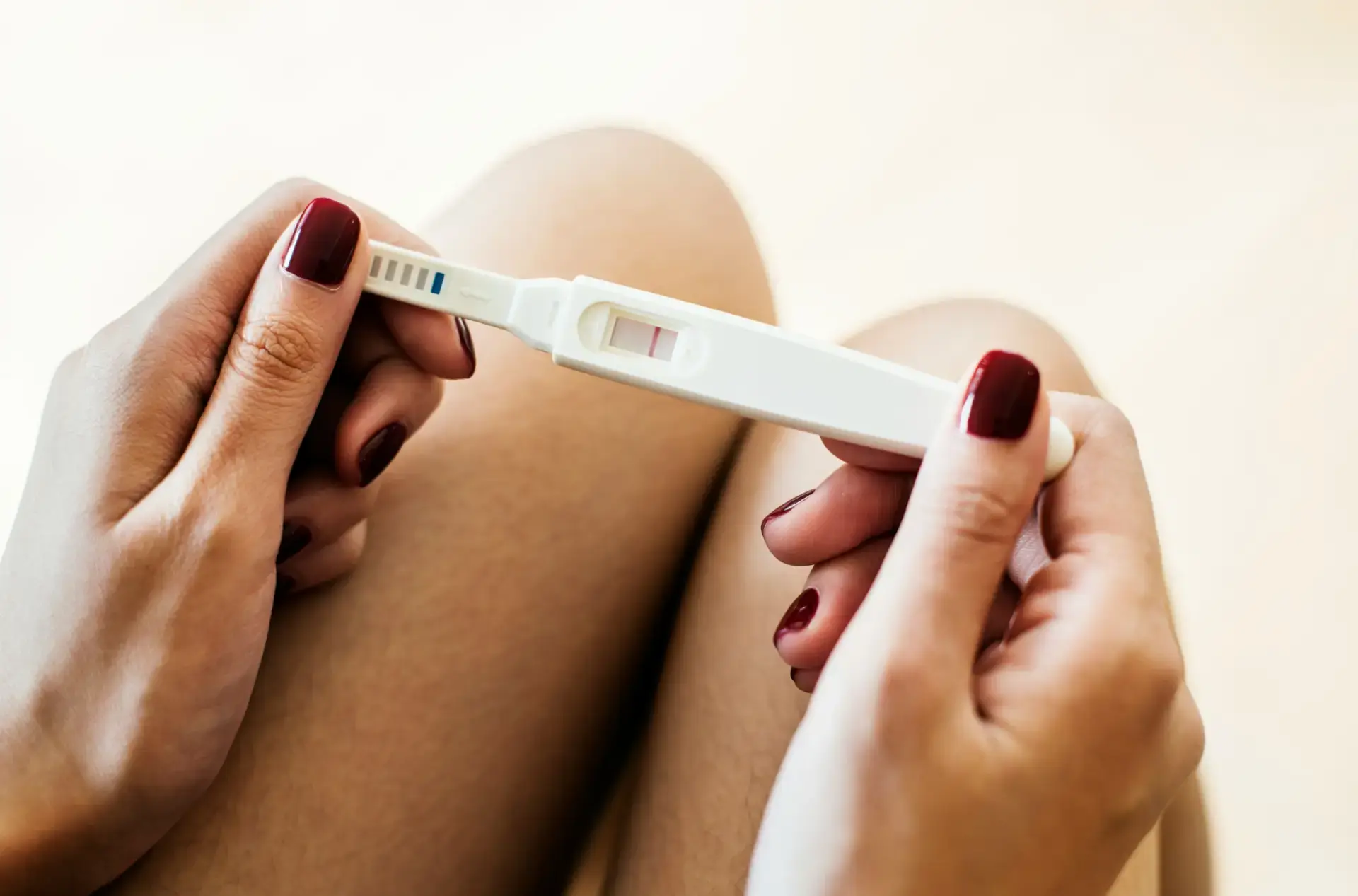
- Take a pregnancy test only after you’ve missed your period.
When do early pregnancy symptoms start?
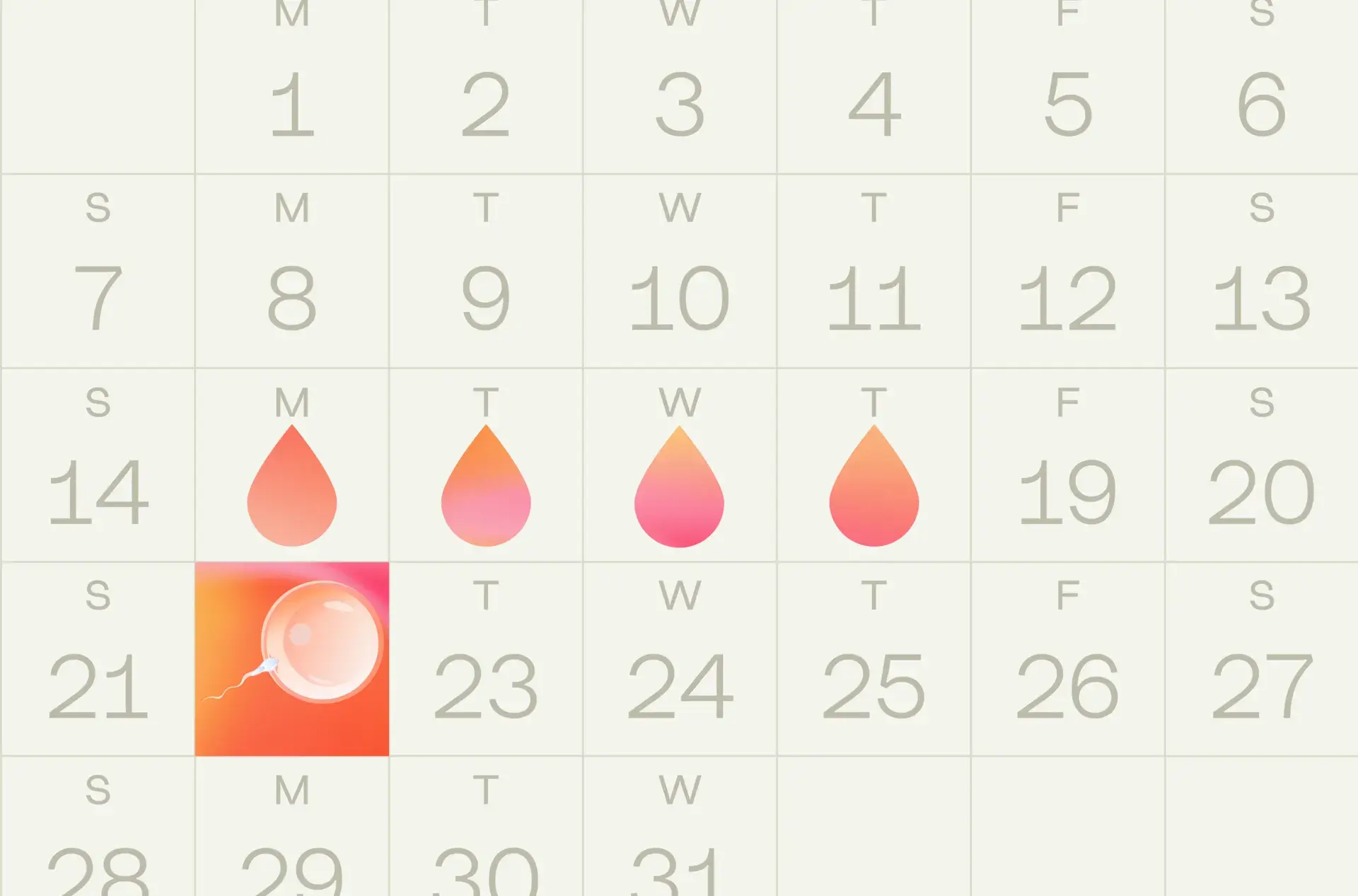
The earliest you may begin to notice pregnancy symptoms is in the first few days after successful implantation. For 84% of pregnancies, implantation happens between 8 DPO - 10 DPO.
Implantation is when the fertilized egg attaches to the uterine lining to establish a connection to the mother’s blood supply for nutrients. So this marks the official start of a pregnancy.
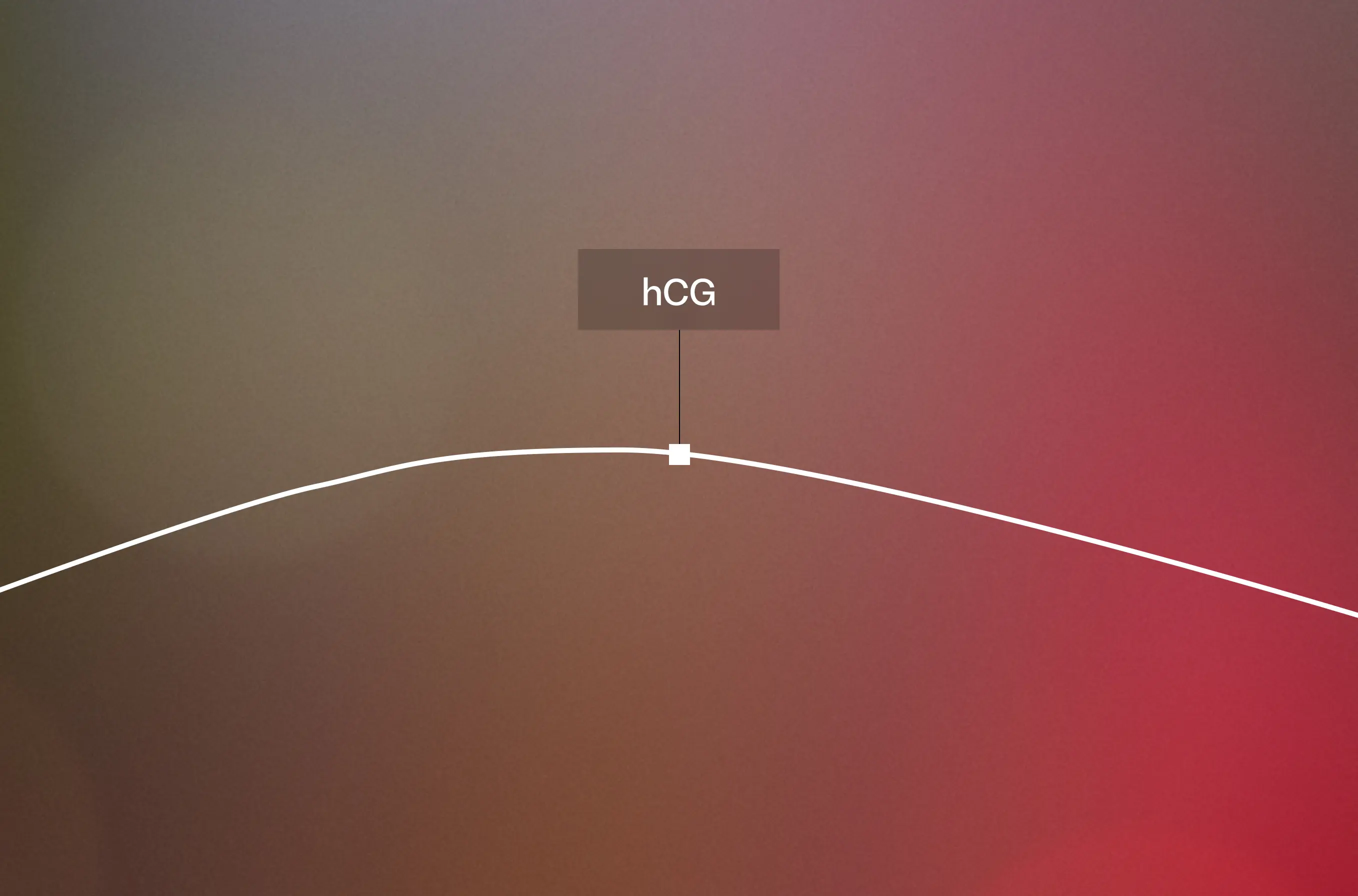
Once the embryo implants, the placenta will start producing human chorionic gonadotropin (hCG), aka the pregnancy hormone. But it can take several days, up to a week or more, for hCG to reach levels that a pregnancy test can detect.
And even then, you still may not notice any obvious symptoms right away.
This is because even though hCG nearly doubles every 2 days, the levels in the beginning are still pretty low.
This is why trying to confirm a pregnancy on symptoms alone isn’t a good idea!
Know more: Understanding Your hCG Levels by Week in Pregnancy
To better understand the timing of pregnancy, let’s see a week-by-week breakdown of the first four weeks.
Ready to start your fertility journey?
Get Inito Fertility MonitorWhat are the pregnancy symptoms by week?
Symptoms in the first few weeks of pregnancy are similar to symptoms you get before your period.
Before we get into what these symptoms look like by week, it’s important to understand how pregnancy weeks are dated.
You may think that pregnancy starts at conception. But the first day of a pregnancy actually starts on the first day of your last menstrual period (LMP). (Yes, even before you technically had sex!)
This means that if your cycle is close to 28 days, the first two weeks of pregnancy are actually before you even conceive. (This is because ovulation usually happens around 12-14 days prior to menstruation).
Know more: PMS vs. Pregnancy Symptoms: Spotting the Differences
As you can see, it’s not really until Week 4 of pregnancy that you’re first able to tell true pregnancy symptoms from PMS. (And even then, it can still be too early to distinguish).
But in case you’re wondering which symptoms to look out for, keep reading!
Here’s what this looks like in the first 4 weeks of pregnancy!
| Week of early pregnancy | What's happening at this time? | Symptoms you may notice |
|---|---|---|
| Week 1 | This is the start of a new cycle when you are menstruating | Bleeding, cramping, and bloating (these are related to your period, not pregnancy) |
| Week 2 | You ovulate around 12 - 14 days before your next period; fertilization could occur towards the end of this window | Symptoms like increased sex drive and cervical mucus changes are related to ovulation, not pregnancy |
| Week 3 | If fertilization occurs, the fertilized egg travels to the uterus for implantation | Decreased energy, mood changes, and mild cramping are caused by increasing progesterone levels, whether you are pregnant or not |
| Week 4 | Implantation is most likely to happen from 8–10 DPO, so by week 4, it is possible to be pregnant | The symptoms you notice (like breast tenderness and fatigue) could be from early pregnancy, not just PMS |
What are the early pregnancy signs and symptoms?
Some of the earliest pregnancy signs include breast soreness, low energy, cramping, and a missed period.
But remember, symptoms alone cannot officially confirm a pregnancy. (Only a pregnancy test can do that.)
But we know that these symptoms can get confusing, so here’s a look at which signs may pop up before your missed period vs. which won’t likely appear for a few more weeks.
Symptoms you may notice after ovulation, before a missed period
Breast tenderness and swelling
In early pregnancy, your breasts can feel swollen or heavier than usual. These breast changes are caused by your increasing progesterone levels, which lead to more blood flow to your breasts.
Fatigue
In early pregnancy, it’s not uncommon to feel extremely tired—even if you’re getting your normal amount of sleep. This fatigue is due to your rising progesterone levels and your body adjusting to pregnancy.
Light spotting and mild cramping
It’s possible to have very light spotting and cramping around the time of implantation (which can happen between 6 DPO to 12 DPO). The cramping sensation could be from the embryo nuzzling into your uterine lining or from hormonal fluctuations.
Light spotting could be implantation bleeding, which is light pink or brown spotting that lasts for up to a day or two. But most women don’t actually experience implantation bleeding. Only around 15-25% of pregnancies will have this symptom.
Bloating and constipation
After ovulation and in early pregnancy, it’s common for your abdominal area to feel tight, swollen, or bloated. (Even if you haven’t been eating any differently!). This is because during the luteal phase, progesterone relaxes your muscles. That then leads to slower digestion, which can cause gas and bloating.
Changes in taste, smell, or appetite
Some pregnant women may experience:
- A metallic taste
- Heightened sensitivity to smells
- Food cravings
- Food aversions (even with foods they usually enjoy)
These changes can happen as a result of pregnancy. But on their own, they’re not the most reliable symptoms.
Know more: PMS vs Pregnancy Symptoms You Should Know
Symptoms that begin closer to or after a missed period
Missed period
Of all the symptoms, a missed period is one of the most obvious signs of a potential pregnancy. But there’s a big caveat here! This is assuming that you have regular cycles.
In some cases, it’s possible to have a delayed or missed period due to other factors like:
- Stress
- Illness
- Weight changes
- Hormonal conditions
Nausea and vomiting
Nausea during pregnancy is also called morning sickness, even though it can strike at any hour of the day. If you experience morning sickness, it’s likely to occur around weeks 4–8 of pregnancy. But the exact timing depends on the unique pregnancy, and some pregnant women won’t have any nausea or vomiting.
Researchers are still exploring the exact causes of pregnancy nausea and vomiting. But one factor has to do with all the hormonal changes. hCG and GDF15 (a hormone secreted by the placenta) play a part. And other hormones like progesterone (which slows digestion) and estrogen (which can contribute to smell sensitivities) play a part too.
Frequent urination
Having to pee more than usual is common in early pregnancy. This is because pregnancy causes extra blood to flow to the kidneys and creates more urine. Hormone levels also contribute to the need to urinate more in early pregnancy.
Vaginal discharge changes
When you become pregnant, you may notice an increase in vaginal discharge. It will be milky white in color and have no distinguishable odor. This is thanks to your hormones and all that extra blood flowing through your vaginal region. But keep in mind that vaginal discharge can change throughout your cycle. So don’t read too much into this symptom on its own.
Diarrhea
Some women may experience diarrhea, but it isn’t a reliable early sign of pregnancy. This is mainly because there are a lot of other culprits for diarrhea, like:
- Dietary changes or food sensitivities
- Stress
- Infections
- Prenatal vitamins
- Hormonal changes that impact digestion
If you have diarrhea, be sure to stay hydrated. And if you think you are pregnant, keep an eye on your other symptoms and contact your doctor if you have concerns!
Headaches
Headaches are possible in early pregnancy. They are usually caused by:
- Hormonal fluctuations
- An increase in blood volume
- Dehydration or hunger
- Stress or poor sleep
- Caffeine withdrawal (if you recently stopped drinking coffee or other caffeinated beverages)
While headaches are somewhat common in early pregnancy, on their own, they’re not a great pregnancy indicator.
Dizziness or lightheadedness
Feeling dizzy or light-headed in early pregnancy is common since hormonal changes affect your blood pressure and circulation. Other culprits include dehydration, low blood sugar, or standing up too fast.
One study of pregnant women found that 52.44% experienced dizziness, most commonly in the first trimester. But if you have shortness of breath with your dizziness or you faint, seek medical attention!
Can you be pregnant with no symptoms?
Yes, it is absolutely possible to be pregnant without any obvious symptoms! Symptoms can come on at varying times based on the person and the pregnancy. In fact, in one study, only half of the women who had a successful live birth noticed symptoms by 20 DPO (days past ovulation). And even by the end of the 8th week of pregnancy, 11% still reported no obvious pregnancy signs.
When you’re trying to conceive, it’s totally natural to want to look out for changes. But it’s important not to place too much importance on your symptoms until you’ve confirmed the pregnancy.
And remember: not noticing early pregnancy symptoms doesn’t mean that cycle is out yet. Wait until after your missed period to test. With that in mind, let’s talk about why the timing of a pregnancy test is so critical!

See how Inito will fit into your unique fertility journey
Take 5 min free fertility assessment and get a personalised hormone report
When to test for pregnancy?
For the most accurate results, it’s best to test for pregnancy after your expected period doesn’t show.
While your symptoms may give you some preliminary clues about a potential pregnancy, the pregnancy test itself is vital!
Here are some important things to keep in mind for timing your pregnancy test:
Test on the day of your missed period (or later)
The day of your missed period is when the majority of home pregnancy tests are able to begin giving you an accurate result. But always read the directions carefully for the test you’re using.
Know when you ovulate
If you’re TTC and have irregular cycles, it can really help to stay on top of when you ovulate each cycle.
The Inito Fertility Monitor can support you with this! It allows you to accurately estimate your most fertile days and confirm ovulation. (It does this by measuring the exact values of 4 key fertility hormones found in your urine: FSH, LH, E3G, and PdG (urine metabolite of progesterone).
But if you don’t know for sure when you ovulated, don’t stress! Take a test around 3-4 weeks after you last had unprotected sex.
Test again
If you get a negative result initially but still have no period, test again a few days later.
Know more: When to Take a Pregnancy Test After Implantation
Aside from symptoms and pregnancy tests, it’s important to know when to loop in your doctor!
When should you seek medical advice about early pregnancy symptoms?
If you’re experiencing mild pregnancy symptoms, you usually don’t need to see your doctor until you’ve gotten a positive test and set up your initial prenatal appointment.
But there are some symptoms during early pregnancy that are cause for concern.
If you think you have any of the symptoms below, seek immediate medical attention:
- Severe abdominal or pelvic pain (especially if it’s worsening and on one side)
- Pain around your shoulder tips
- Heavy vaginal bleeding
- Fainting, dizziness, or excessive weakness
These symptoms could mean you’re experiencing an ectopic pregnancy (when the embryo implants somewhere other than the uterus). If you have an ectopic pregnancy, the above signs could appear before you get a positive pregnancy test.
Final words of advice with early pregnancy symptoms: no symptom (or lack of one) tells the whole story. So take it one step at a time and test when the timing is right. And reach out for support and medical attention when you need it.
Reach your fertility goals with full confidence
FAQs
Contributor

Paige Figueroa
Women’s Health Writer
Was this article helpful?
Share it on

Get a free guide Luteinizing Hormone (LH) by Inito