Early Pregnancy Loss: What to Know and Expect

Published on Sep 30, 2026


If you’re facing an early pregnancy loss, you might feel grief, confusion, or both. You might have questions you never thought you’d ask. It happens for many reasons, and most of the time, it’s not because of anything you did.
A large study found that about 15.3% of known pregnancies end in miscarriage. Understanding what early pregnancy loss is, why it happens, and what to expect won’t take the pain away. But it might help you feel a little bit steadier. It can also help you know when to call your doctor. Here’s what to know.
Key Takeaways
- Early pregnancy loss is often called miscarriage. It’s when a pregnancy stops growing before about 13 weeks.
- Most early miscarriages are linked to chromosomal changes that happen by chance and are not caused by anything you did.
- Common signs include bleeding, cramping, and passing tissue. But some early losses have no signs at all and are only found on an ultrasound.
- Heavy bleeding, bad pain, fever, or dizziness are reasons to get help right away.
- Most people who have one miscarriage go on to have a healthy pregnancy later.
What is early pregnancy loss?
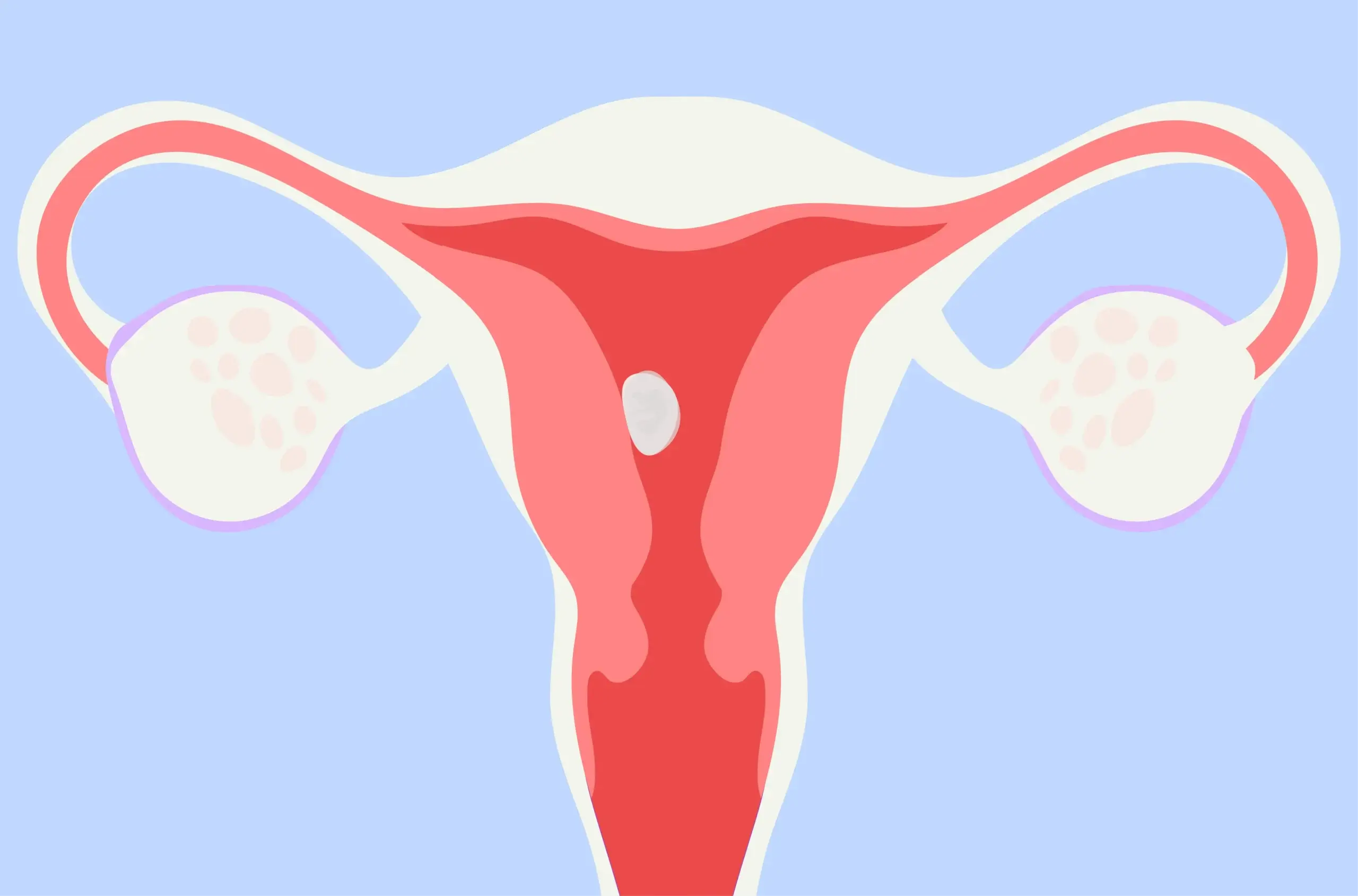
Early pregnancy loss means a pregnancy inside the uterus stops growing. This is different from an ectopic pregnancy, which grows outside the uterus. Early pregnancy loss happens sometime in the first 13 weeks. It can look like an empty sac or it can be a sac with an embryo that no longer has a fetal heartbeat. There are a few words doctors use to explain this, and they usually mean the same thing:
- Miscarriage
- Spontaneous abortion
- Early pregnancy failure
- Early pregnancy loss
The exact terminology and definitions can vary depending on country and guideline.
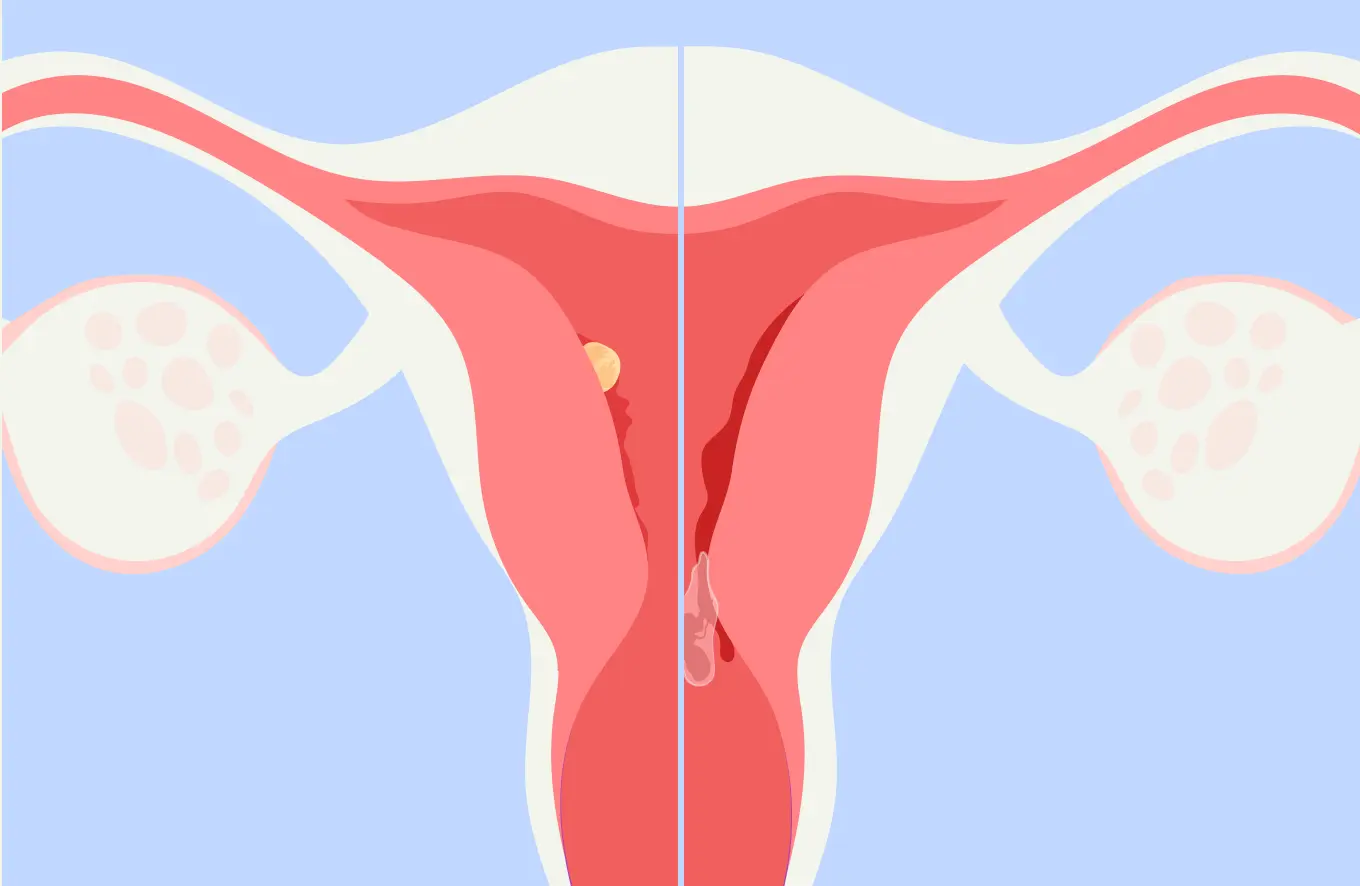
Doctors also sort miscarriage into a few types. This depends on your symptoms and what the ultrasound shows. Here’s a table that makes it easier to compare the different types.
| Type | Common symptoms | Ultrasound findings |
|---|---|---|
| Threatened miscarriage | Bleeding or cramping | Pregnancy might still be viable, with a heartbeat |
| Incomplete miscarriage | Bleeding or cramping | No heartbeat |
| Inevitable miscarriage | Bleeding or cramping | Might still show heartbeat, but pregnancy is no longer viable |
| Complete miscarriage | Bleeding or cramping, usually followed by lighter bleeding or spotting | No heartbeat |
| Missed miscarriage | Usually no symptoms | No heartbeat |
How common is early pregnancy loss?
Miscarriage is one of the most common problems in pregnancy. The real number might be even higher than what studies show. That’s because many losses happen before a person even knows they’re pregnant. A large analysis found that about 23 million miscarriages happen worldwide every year — about 44 every minute. They end about 15.3% of known pregnancies.
Other guidelines say early pregnancy loss happens in about 10% of known pregnancies. About 80% of all pregnancy losses happen in the first trimester. Early signs can look like a late or heavy period. This means that so many first-trimester miscarriages can go unnoticed.
Some pregnancies are lost so early that the person never even knows conception happened. Research suggests 50-70% of fertilized eggs might not survive past the expected period. These very early losses are different from miscarriages in pregnancies that have already been clinically recognized. Timing matters, too. It might help to know the risk drops fast over just a few weeks. One study tracked pregnancy loss week by week, and found the risk was highest early on. This table explains the findings from week to week.
| Pregnancy week (from LMP) | Estimated Pregnancy Loss Risk (%)* |
|---|---|
| <3 weeks | 2% |
| 4 weeks | 4% |
| 5 weeks | 4% |
| 6 weeks | 4% |
| 7 weeks | 2% |
| 8 weeks | 2% |
| 9 weeks | 2% |
| 10 weeks | 2% |
| 11 weeks | 1% |
| 12 weeks | 1% |
| 13 weeks | 0.40% |
*Note that these percentages show the risk for that specific week. They are not a running total added up over the whole pregnancy.
What causes early pregnancy loss?
Often, there’s no clear reason a miscarriage happened. Not having an answer can be its own kind of challenge. There are some things that are more likely to cause this loss, however.
1. Chromosome abnormalities
When a cause is found, it’s usually a problem with the embryo’s chromosomes. This causes about 50% of all early pregnancy losses. Chromosomes carry genes from each parent. You normally get 23 from each side, but sometimes there’s a change in the number or shape of these chromosomes. This stops the pregnancy from growing. So, that kind of loss has nothing to do with anything you did. There was no way to stop it.
2. Age
Age is one of the clearest risk factors. This is mostly because chromosome changes happen more often as people get older. Research also links a higher miscarriage risk to being under 20 or over 35.
| Age | Early pregnancy loss (%) |
|---|---|
| 20-30 | 9-17% |
| 35 | 20% |
| 40 | 40% |
| 45 | Up to 80% |
3. Previous pregnancy loss
Having a past miscarriage can raise the odds of another one a little. And a large study has identified previous miscarriage as one of many factors associated with miscarriage risk. But most people who lose one pregnancy go on to have a healthy one later.
4. Medical and uterine factors
Some health or uterine issues can also raise the risk of early pregnancy complications. This matters most when losses happen more than once. These issues include:
- Antiphospholipid syndrome (APS)
- Some uterine differences
- Some genetic factors
- Thyroid problems
Know more: How Autoimmune Disease Affects Fertility and Offspring
5. Infections
Some bacterial, viral, and parasitic infections have also been linked to a higher risk.
6. Lifestyle
Some lifestyle factors can also increase risk. These include:
- Smoking
- A very high or very low weight
- Drinking alcohol
But these connections come from studying large groups. They don’t mean any one factor caused a specific loss.
It’s helpful to know what does not cause miscarriage. Major guidelines say these things do not cause it:
- Working
- Exercise
- Sex during pregnancy
- Everyday stress or arguments
- Birth control pills taken before pregnancy
In almost every case, a miscarriage is not your fault.
What are the common symptoms of early pregnancy loss?
The most common symptoms are:
- Vaginal bleeding which ranges from light spotting to heavy flow
- Abdominal or pelvic cramping
- Passing fluid or tissue
- Pain that might feel like strong menstrual cramps or contractions
- Pink or bloody vaginal discharge
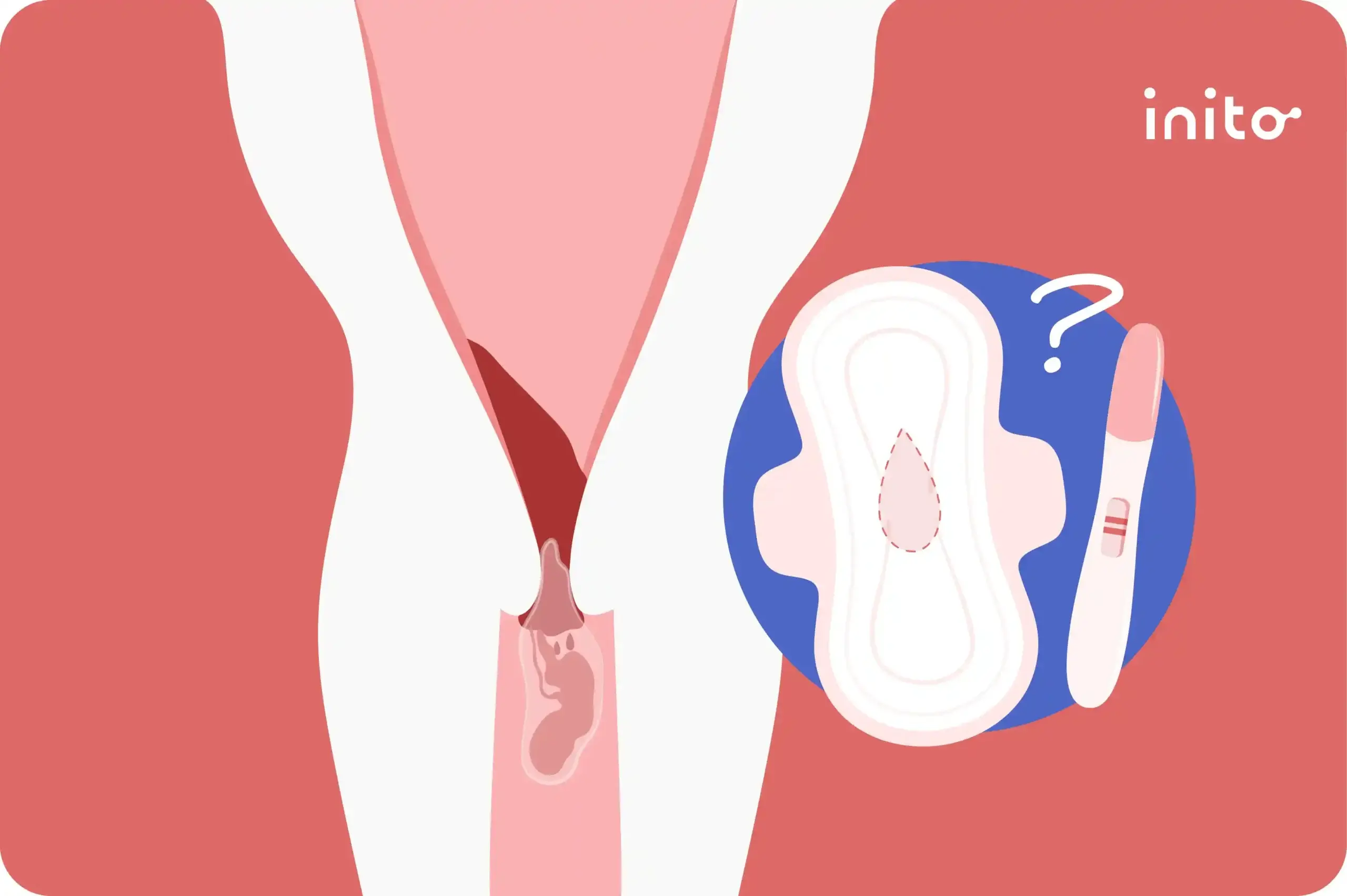
Some people notice grayish tissue. Others notice their pregnancy symptoms suddenly fade. These signs can look a lot like a normal, heavy period. And that can make it hard to tell the two apart, especially in the earliest weeks. That said, these symptoms don’t always mean a miscarriage is happening. Light bleeding and cramping can happen in a healthy pregnancy, too. They can also point to other things, like an ectopic pregnancy. Some people feel weak, tired, feverish, or chilled. Any of these are worth a call to your healthcare provider, especially with bleeding or pain. Sometimes there are no symptoms at all. The loss is only found during a routine ultrasound.
Know more: What Does Miscarriage Look Like? Know The Difference Between Miscarriage and Period
When should you contact a healthcare provider?
Call your healthcare provider if, during pregnancy, you notice:
- Bleeding
- Cramping
- Pain
- Tissue passing
Get urgent care right away if you have:
- Bleeding
- Bad or worsening pain
- Dizziness
- Fainting
- Fever
- Chills
- Strong weakness
These signs need immediate medical care. Conditions like ectopic pregnancy or infection can look similar, but they require prompt evaluation and a more specific treatment.
How is early pregnancy loss diagnosed and managed?
Symptoms alone can’t confirm a miscarriage. Your provider will usually start with a physical exam. Then they’ll use an ultrasound to check the pregnancy and look for a heartbeat. They might repeat the scan later if the first one isn’t clear. They might also run some beta-hCG blood tests to confirm if the pregnancy is developing normally.
Know more: hCG and Miscarriage: What do They Mean?
Once a miscarriage is confirmed, your treatment depends on your symptoms, your health, and what feels right to you. Doctors often try expectant or medical management first, when it’s safe to do so.
Expectant management means letting your body pass the tissue on its own.
Medical management uses medicine (the most common one is called misoprostol) to help the process along.
Surgical management removes the tissue with a small procedure. This might be needed if there’s heavy bleeding, infection, or another urgent health issue.
Can you get pregnant again after an early pregnancy loss?
Yes. Most people who have one miscarriage go on to have a healthy pregnancy later. Research shows that one loss is usually a one-time event. It’s usually not a sign of a bigger problem.
After an early miscarriage, ovulation can come back within about two weeks. Many people are able to try again as soon as their next cycle, whenever they feel ready.
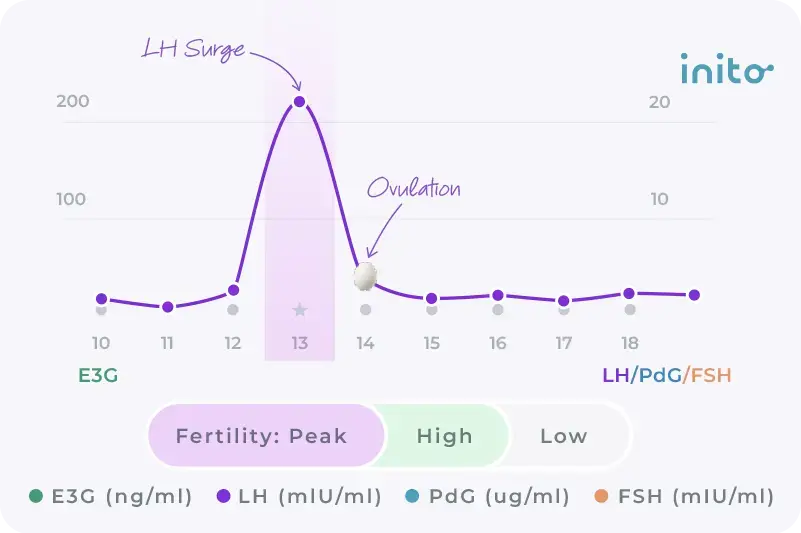
When that time comes, tracking your cycle and ovulation can help. It can make the process feel more in your control. The Inito Fertility Monitor tracks four key fertility hormones. These are:
- Estrogen (E3G)
- Luteinizing hormone (LH)
- Follicle-stimulating hormone (FSH)
- A urine metabolite of progesterone (PdG)
Together, they help you track your fertile window with more confidence.
If you’ve had recurrent miscarriage — meaning more than one loss in a row — talk with your provider before trying again. They might want to check for an underlying cause first. When you feel ready to try again depends on your body, your emotions, and your own life. Your provider can help you find a timeline that feels right for you.

See how Inito will fit into your unique fertility journey
Take 5 min free fertility assessment and get a personalised hormone report
How can you cope with an early pregnancy loss?
Early pregnancy loss is common. But that doesn’t make it any less painful. You don’t owe anyone a “you should be over this by now.” It can bring grief, sadness, anxiety, guilt, or confusion. Sometimes all of those at once. There’s no single right way to move through it.
The emotional side of miscarriage can feel just as real as the physical side. So give yourself time. Don’t rush your healing. Leaning on your partner, family, friends, or a healthcare provider is not a weakness. It’s often a big part of getting better.
In most cases, a miscarriage does not mean you can’t have a healthy pregnancy in the future.
Conclusion
Early pregnancy loss is far more common than most people think. In most cases, it happens because of a change in the embryo’s chromosomes. It is not something you did wrong.
Knowing the common symptoms, knowing when to get help, and knowing that most people go on to have a healthy pregnancy later won’t take away the grief. But it might make this feel a little less lonely. If you’re going through this now, be gentle with yourself. Lean on the people around you. And reach out to your healthcare provider with any question that comes up.
FAQs
Contributor

Leslie Hughes
Women’s Health Writer
Was this article helpful?
Share it on

Get a free guide Luteinizing Hormone (LH) by Inito