How Common is a Missed Miscarriage? Signs, Causes & Support
Published on Jul 28, 2025


Learning about a missed miscarriage can bring a wave of confusing emotions, especially when you’re anticipating a new life. So many women quietly wonder, just how common is a missed miscarriage?
This experience, sometimes called a silent miscarriage or delayed miscarriage, is more common than you might think. The exact numbers aren’t fully known, mainly because these miscarriages often happen during the first trimester without any clear missed miscarriage signs or common symptoms, until an ultrasound reveals the heartbreaking news. Still, studies suggest 8 to 20% of pregnancies confirmed by a doctor end this way, often accompanied by typical miscarriage symptoms of miscarriage, and early miscarriages happen more frequently than many realize.
Talking openly about missed miscarriages is so important. It helps those affected navigate this loss with greater understanding and support through the very real physical and emotional challenges they face.
Key Takeaways
- A missed miscarriage occurs when a pregnancy stops developing, but the body doesn't immediately expel the pregnancy tissue.
- Unlike other miscarriages, a missed miscarriage often happens without noticeable symptoms like bleeding or cramping. It's usually detected during an ultrasound.
- Chromosomal abnormalities are the most common cause of early miscarriage.
- Other risk factors include maternal age, uterine abnormalities, and certain health conditions.
- A missed miscarriage can be managed through natural passage of pregnancy tissue, medication, or a D&C.
- Most women can go on to have healthy pregnancies after a missed miscarriage.
What Is a Missed Miscarriage?
A missed miscarriage occurs when a pregnancy stops developing, but the body does not immediately recognize the loss.
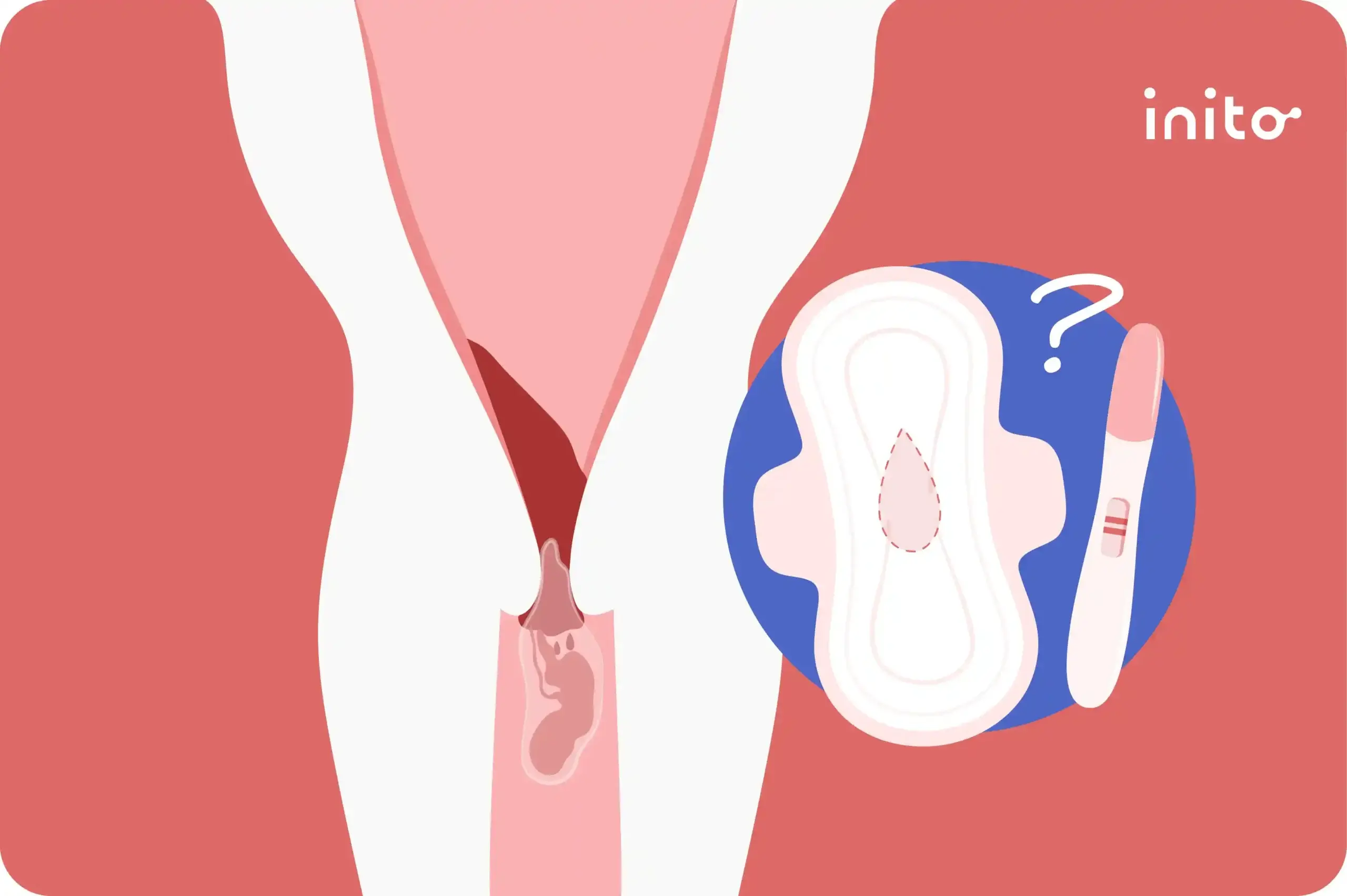
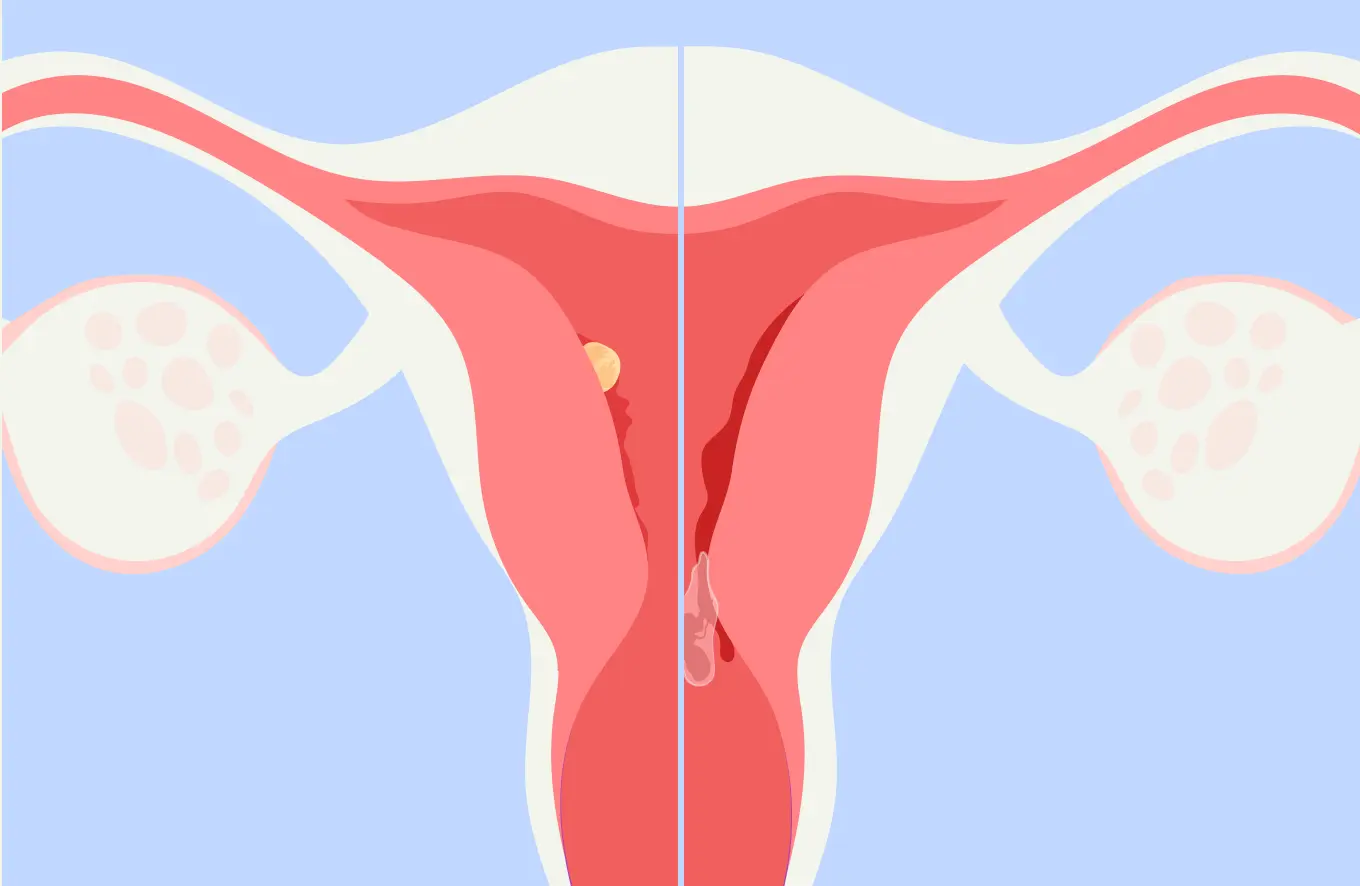
Unlike a typical miscarriage, which often involves signs like vaginal bleeding and cramping (like a heavy period), and sometimes fever or profuse vaginal discharge, a missed miscarriage may happen without any noticeable symptoms. The pregnancy tissue remains in the uterus, and the cervix stays closed, sometimes for days or weeks.
This is why it's also called a silent miscarriage — the loss often goes unnoticed until an ultrasound reveals no fetal heartbeat. It’s a deeply shocking moment, especially if you still felt pregnant.
It's estimated that around 2% of pregnancies between 10 and 14 weeks end in a missed miscarriage. You may still feel pregnant and experience symptoms like nausea or breast tenderness, even though the pregnancy has stopped developing. Often, the loss is only discovered during a routine ultrasound when no fetal heartbeat is detected, or the pregnancy is found to have stopped developing.
Why Do Missed Miscarriages Happen?
Reasons for a missed miscarriage are often the same as any other:
- Chromosomal abnormalities in the fetus
This is the most common culprit, causing about half of all early losses. If these are present, the embryo usually can’t develop properly, and the pregnancy ends — often the body’s natural way of handling a pregnancy that wouldn’t have been viable. Rarely, if it continued, deformities could result. - Advanced maternal age
This also plays a role. Women over 35 face a higher miscarriage risk (around 40%), largely because older eggs are more prone to chromosomal issues — a common reason a pregnancy might not develop as expected. - Immune system issues
Our immune system usually protects us, but sometimes, it’s thought that an imbalance in its cells might cause it to mistakenly attack the developing embryo or placenta, leading to loss, sometimes referred to as spontaneous abortion. - Problems with the uterus
The shape or health of the uterus matters. Structural abnormalities — either from birth (like a separated one, one with an inner wall, or a double uterus), or issues developed later (like scarring, fibroids, or infections) — can make it tough for a pregnancy to thrive.
Additionally, if abnormalities affect the uterus’s ability to contract properly, or if internal scar tissue creates a blockage, the uterus might struggle to expel the pregnancy tissue even after a loss has occurred. - Exposure to nicotine and heavy metals
This is another known risk. Harmful substances from smoking (first or secondhand) and heavy metals can cross the placenta, directly harming the fetus, affecting blood flow, or damaging embryonic cells, potentially leading to miscarriage.
So, if the pregnancy has ended, why is the miscarriage sometimes “missed” or silent? While the exact reasons for the body’s delayed recognition of the loss aren’t fully understood, one theory suggests a hormonal imbalance could be a contributing factor, particularly in cases with an abnormal number of chromosomes.
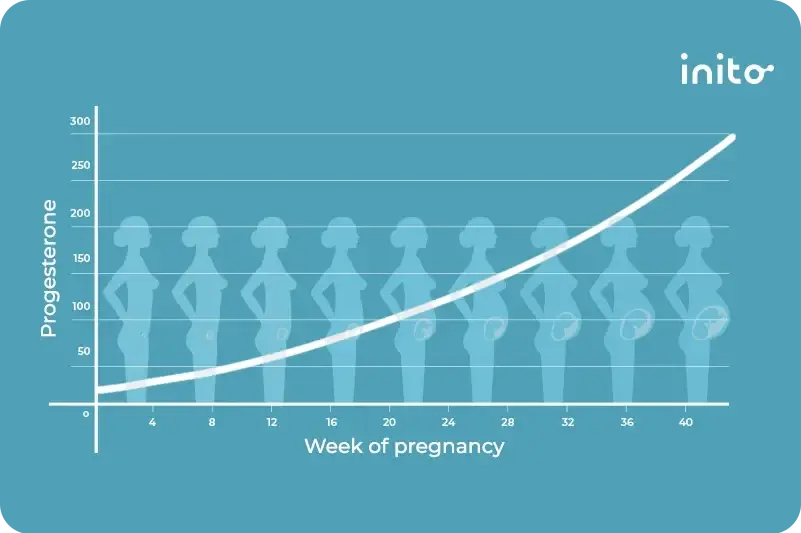
The placenta might keep making progesterone for a while after the embryo stops developing, but estrogen levels (usually maintained by a living fetus) might drop. This could stop the body from getting the signal to expel the pregnancy tissue.
How Would You Know If You Had a Missed Miscarriage?
This is where it gets tricky because there are often no clear signs. Many women continue to feel pregnant since their placenta may still be producing hormones, and their belly might even seem to be growing or not shrinking, as hormonal signals haven’t fully shifted.
While very unreliable — because healthy pregnancies also have fluctuating symptoms — some women might notice subtle changes:
- Morning sickness fades or disappears completely
- Breast tenderness and swelling
- Very light brownish spotting or mild bleeding
- A sense that the uterus isn’t growing as expected
- A general feeling that something just isn’t right
Ultimately, these subtle signs aren’t a guarantee. The most definitive way to confirm a missed miscarriage is an ultrasound showing no heartbeat. Blood tests might also show that hCG levels dropped, or aren’t where they should be.
The tough reality is, a missed miscarriage often looks and feels like a normal pregnancy until a regular checkup. For women with irregular cycles, it can be even harder to pinpoint when pregnancy began, making it difficult to realize if a miscarriage has occurred.
Read more: Are hCG and Miscarriage Related? | A Complete Guide
What If You’re at Higher Risk for Miscarriage?
Some women face a higher risk of miscarriage. Key risk factors include:
- Age 30 or older
- Obesity
- Smoking
- Substance use (like recreational drugs)
- High caffeine intake
- High alcohol consumption
- Untreated long-term health conditions
- A history of pregnancy loss
- Known anatomical abnormalities of the uterus
Whether these risk factors apply to you or you just want to support a healthy pregnancy, these steps can make a real difference:
Quit smoking (this includes secondhand smoke!). Harmful chemicals can cross the placenta and affect your developing baby.
Avoid drinking and using substances. There’s no safe level of alcohol during pregnancy, so it’s best to steer clear completely, along with any recreational drugs.
Eat a healthy diet and exercise moderately. Good nutrition is key. Studies show more fruits and vegetables can significantly cut miscarriage risk (up to 60% for fruits, and 40% for veggies!).
- Manage your BMI. Being very underweight or overweight can affect pregnancy. Aim for a healthy range (typically 18.5-24.9).
- Prioritize sleep. Good quality rest is vital, especially during pregnancy — remember, you’re growing a human!
- Treat chronic illnesses. Work with your doctor to manage conditions like diabetes, hypertension, PCOS, or thyroid issues.
- Consider medical support. For a history of pregnancy loss, your doctor might suggest options like progesterone, beta hCG, or folic acid.
- Surgical options. For specific issues, like uterine abnormalities, pre-pregnancy surgery can sometimes help reduce risk.
Read more: When To Start Progesterone To Prevent Miscarriage?
Talk to your doctor before making any big lifestyle changes. Regular, timely checkups and ultrasounds are also important to catch a miscarriage early if it sadly happens, preventing complications from it being “missed” for too long.
Read more: Silent Loss: Causes and Treatment of Missed Miscarriage
What to Do If You Think You’re Experiencing a Missed Miscarriage?
If you suspect a missed miscarriage — maybe you’ve noticed those subtle missed miscarriage signs, or you just feel “off” — contact your doctor immediately. Early diagnosis (sometimes medically called a “missed abortion”) is crucial, and a routine ultrasound scan can help confirm what’s happening, potentially leading to the use of medication, so it’s important to consult your healthcare provider.
An untreated missed miscarriage can sometimes lead to complications like infections, injury to the uterine lining, or blood clotting problems. If a missed miscarriage is confirmed, your healthcare provider will discuss the best management option with you, which may include surgical treatment. Typically, there are three choices:
Expectant management (“wait and watch”): This usually involves monitoring for about two weeks to see if your body will naturally recognize the loss and expel the pregnancy tissue on its own. If not, or if you prefer another route, other options are available.
Medical management: Medications like misoprostol (which can be taken orally or vaginally) are used to help your uterus contract and expel the pregnancy tissue.
Surgical management (D&C): In this procedure (dilatation and curettage), your doctor carefully removes the remaining pregnancy tissue from your uterus.
Can You Still Get Pregnant After a Missed Miscarriage?
Yes, you can get pregnant after a missed miscarriage. In fact, thinking about a future pregnancy after a loss is natural. While recurrent miscarriages are rare (around 5%), most women go on to have healthy pregnancies later, which provides hope for their next pregnancy.
It’s generally safe to try to conceive again soon after a miscarriage, with your doctor’s okay and when you feel ready. If you experience things like ongoing nausea after a miscarriage or have other concerns, always talk to your doctor.
So, how common is a missed miscarriage? Common enough for open, compassionate conversation. A silent miscarriage can be overwhelming and hard to process precisely because it’s unseen, especially during those early weeks of pregnancy, and may lead to feelings surrounding recurrent miscarriage, making it a very stressful time for those affected.
Remember: a missed miscarriage is never your fault. While lifestyle choices support a healthy pregnancy, many losses (especially from chromosomal issues) aren’t preventable. Regular prenatal checkups are key for early awareness and timely care to prevent complications if a loss occurs.
Allow yourself time to grieve and seek support. For most, hope for a successful pregnancy remains strong, especially considering that most miscarriages are due to chromosomal abnormalities. And keep in mind, you’re not alone.

See how Inito will fit into your unique fertility journey
Take 5 min free fertility assessment and get a personalised hormone report
FAQs
Contributor

Blair Sharp
Women’s Health Writer
Was this article helpful?
Share it on

Get a free guide Luteinizing Hormone (LH) by Inito