



Content table
Key Takeaways
- Research suggests maca may support fertility through its antioxidant effects and hormonal influence, rather than by direct effects on reproductive hormone levels.
- Evidence is stronger in men. Multiple studies show improvements in sperm count, motility, and overall semen quality, especially with Black maca.
- In women, limited human studies and supportive animal research suggest potential benefits for hormonal balance, ovulation support, stress reduction, and relief of perimenopausal symptoms. Direct fertility outcomes are less certain.
- Systematic reviews report promising but inconsistent results. Many maca studies have small sample sizes, varied study designs, and mixed findings.
- Typical studied doses (1.5–3 g/day) appear generally safe and well tolerated, with mostly mild side effects reported. But some specific groups shouldn’t use maca.
- Overall, maca may be a supportive, non-hormonal fertility support. It’s not a proven fertility treatment meant to replace medical care.
What is Maca Root?
- Alkaloids
- Fatty acids (macamides and macaenes)
- Flavonoids
- Lignands
- Sterols
- Sulfuric compounds (glucosinolates and thiohydantoins)
How Does Maca Support Fertility?
Maca isn’t a hormone or a medication. But studies suggest its compounds influence hormones and fertility. These are some possible effects.
Antioxidant Benefits
Maca’s compounds have antioxidant properties. These beneficial compounds help protect against oxidative stress. Oxidative stress is harmful to the body. It’s known to cause sperm damage and reduced oocyte (egg) quality. By supporting a healthy balance of oxidants and antioxidants, maca may improve sperm production and quality. It’s possible that it’s also protective for the egg.
Maca’s alkaloids and glycosylates act as antioxidants. Several health conditions are connected to infertility. Maca’s antioxidants may be beneficial for people with diabetes, depression, or high blood pressure. As a result, foods like maca may indirectly support fertility by promoting health.
Enhanced Fertilization
The acrosome reaction (a process where sperm release enzymes to break into the egg’s membranes) is a key step in fertilization. Studies examining human and animal sperm samples have shown that maca increases the rate of this reaction. These results show how maca could be helpful for male fertility.
Steroid Production
Maca may support the activity of certain genes in the testes. Specifically, maca seems to affect genes that make the enzyme 3β-HSD. Since this enzyme helps produce male hormones, researchers think that maca could help boost testosterone levels.
Maca’s suspected effects on sexual desire come from its natural fats and special compounds called macamides. If maca helps boost testosterone, it may also help slow the natural age-related decline in hormone levels in men and women.
What Are the Fertility Benefits of Maca for Women?
The endocrine glands produce and release hormones. Literature reviews show that maca optimizes the function of two endocrine organs, the hypothalamus and the pituitary gland.
As a result, maca helps balance key female hormones, such as estrogen, follicle-stimulating hormone (FSH), and progesterone. These effects may reduce menopausal symptoms.
Maca has also been linked to lower stress hormones. It may have calming effects that improve mood, but these effects aren’t proven and could vary from person to person.
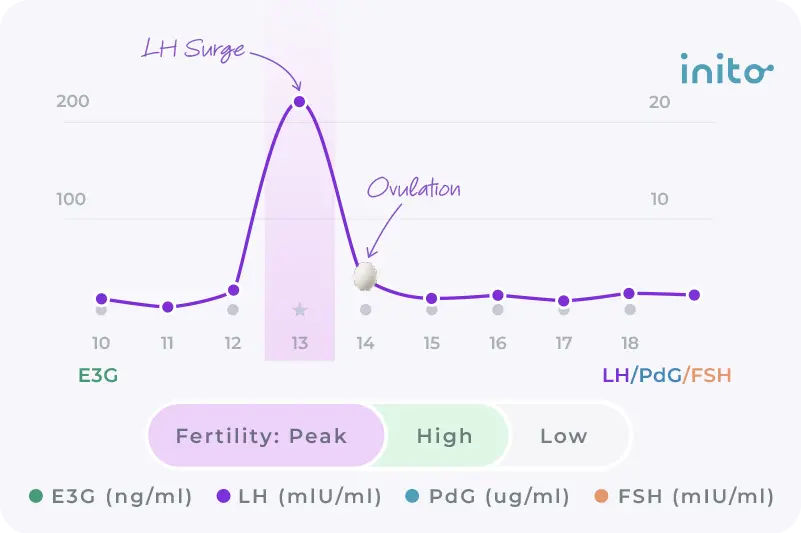
Animal studies show maca also increases luteinizing hormone (LH) levels during the LH surge. This supports ovulation and helps explain why maca is traditionally linked to fertility.
In an observational study, 189 women were given a patented blend of Vitex (another plant), maca, and active folate. Researchers found that this blend aids in regulating the menstrual cycle, promotes ovulation, and increase the chances of pregnancy.
Another study on female rats showed that maca helped boost the natural hormone surge needed for ovulation, without disturbing other hormones. In a different study of adult female mice, maca led to the delivery of more pups compared to controls. There was no change in implantation rates. But these findings may suggest protective effects on developing embryos. It’s not clear if these results would translate to humans, though.
Summary of Findings
Overall, research suggests that maca may support female hormonal balance. It may also have positive effects on ovulation, stress, and female fertility. However, studies on mice don’t always produce the same results in humans. Current evidence on maca’s fertility benefits is limited and shouldn’t be considered a guarantee.
What Are the Fertility Benefits of Maca for Men?
Maca has been highly researched for male fertility. Its effect on sperm quality was calculated in one study on 18 men.
Maca supplementation led to:
- 20% higher total sperm count
- 14% higher sperm concentration
- 14% to 18% higher number of motile sperm
- 9% greater semen volume
- 21% boost in sperm with normal morphology (shape)
A recent case series evaluated the effects of Maca-OG (a concentrated, bioavailable form of Lepidium peruvianum) on male reproductive health. The case involved two men with low testosterone and fertility concerns.
After using the concentrated maca, one man experienced an increase in total testosterone levels. His fertility markers also improved, including sperm concentration, sperm motility, and total sperm count. The second man experienced an increase in total testosterone levels. He also saw improvements in energy, mood, and sleep.
In another trial, 69 infertile men showed significantly higher sperm concentration after taking maca compared to those given a placebo.
A 2017 review of both human and animal studies showed:
- Maca—particularly Black maca—may improve male fertility by increasing daily sperm production, sperm efficiency, and epididymal sperm count.
- Maca improves semen quality and supports reproductive function, without harm or disruption to other hormones.
- Different maca varieties show distinct effects: Red maca helps prevent prostate enlargement, while Yellow maca increases sperm storage.
- The fertility and aphrodisiac effects are linked to maca’s natural fats, especially macamides.
An earlier systematic review of five clinical studies also showed that maca improved semen quality. It boosted sperm count and motility in both infertile and healthy men.
While the results on maca root may be exciting, they don’t tell the whole story. Several studies have also found little or no effect of maca root on fertility. Each case of infertility is different, so what works for one person may not be the answer for you.
Summary of Findings
Taken together, evidence from case series, randomized trials, and observational studies suggests that maca (especially Black maca) may improve male fertility. Potential effects include enhanced sperm count, motility, and overall semen quality. Sometimes these results also improve testosterone levels without affecting other hormones.
How to Take Maca Root?
Most studies on maca root for fertility used 1,500 milligrams to 3,000 milligrams per day. Some research used 2 grams of maca supplement daily and found improvements in sperm concentration.
Maca is taken by mouth as capsules, tablets, or powdered root. It can also be found in tinctures or standardized extracts. There is no standardized fertility dosage. Research supports 1.5–3 g of maca supplement daily for several weeks to months.
Benefits like improved sperm parameters build over time, not immediately. You may want to start with a smaller dose and see how your body responds before increasing the dose gradually.
Potential Side Effects
Maca is generally reported to be well-tolerated in clinical studies. But that doesn’t mean you won’t have any negative effects. Some people may experience:
- Headaches
- Irritability
- Upset stomach
In addition, there isn’t much information about whether maca root is safe for long-term use. People are more likely to have negative side effects when taking higher doses. In rare cases, this can include changes in blood pressure, mood, or other effects, like vaginal bleeding.
You should ask your doctor before using maca, especially if you have health issues or take medication.
Who Should Consider Maca Root for Fertility?
If you’re looking for male fertility support without a prescription, good research suggests maca may improve semen and testosterone. The data for women is a little more limited. However, maca appears to support hormonal balance in women, which may improve female fertility in some cases.
In addition, maca may be worth considering because of its antioxidant potential. Maca contains macamides and glucosinolates, which have antioxidant activity. These beneficial compounds may support reproductive tissues and protect against oxidative stress linked with various health problems.
Who Should Use Caution Before Taking Maca?
Some people should be especially careful before considering natural products like maca. Always consult a healthcare professional before starting fertility‑focused supplements.
Hormone-Sensitive Conditions
Human hormone studies usually don’t show direct hormone changes with maca at typical doses. But maca contains compounds that do interact with hormone pathways.
The impact of maca on hormone-sensitive diseases (like breast or uterine cancer) hasn’t been well studied. It’s possible that maca could carry some risk, so caution is advised. You shouldn’t take maca with a hormone-sensitive condition unless you’re doing so under your doctor’s supervision.
Maca contains glucosinolates and related compounds found in cruciferous plants. These compounds influence iodine uptake and thyroid metabolism. People with existing thyroid dysfunction should consult a healthcare provider before use.
Hormone-Modulating Medications
There’s a chance that maca could interact with hormonal therapies (like contraceptives, hormone replacement therapy, or thyroid medication). Use caution and talk to your doctor before mixing maca with medications that affect hormones.
Pregnant or Breastfeeding Women
There aren’t any well-controlled clinical studies on maca during pregnancy or lactation in humans. Since safety data are lacking, it’s generally best to avoid maca while pregnant or breastfeeding.

FAQs
Some people have negative side effects from maca, but these are considered pretty rare. At standard doses (1.5 to 3 grams per day), maca is usually well-tolerated. Perhaps the biggest downside is that it may not work for you. Maca’s effects aren’t guaranteed.
Both maca and ashwagandha are natural products with mixed study results. Always ask your healthcare provider before trying these natural fertility supplements.
Maca is not recommended during pregnancy due to a lack of safety data. Some studies suggest that maca may offer health benefits and fertility effects that can help increase the chance of pregnancy. But there are no definite results, especially in women.
Black maca is well studied for its positive effects on male fertility.
Maca may influence a woman’s reproductive hormone levels. This can lead to changes in fertility, menopause symptoms, and sex drive. It also has beneficial compounds for general health. More research is needed to understand maca’s effects on women.
No, maca products won’t change the shape of your body.
Maca root may influence a woman’s hormone levels. As a result, changes to your period are possible. However, evidence in women is limited.
Maca alone can’t make you ovulate. However, some animal research shows that maca supports the natural hormone surge needed for ovulation and may help protect the egg from damage.
Maca’s benefits take time to work. You shouldn’t expect results from maca overnight. Many studies on maca last 2 to 12 weeks before measuring any changes.
Was this article helpful?
- Effect of Lepidium meyenii (Maca), a root with aphrodisiac and fertility-enhancing properties, on serum reproductive hormone levels in adult healthy men | The Journal of Endocrinology
- Peruvian maca and possible impact on fertility | Journal of Nutritional Health & Food Engineering
- Effect of Lepidium meyenii on in vitro fertilization via improvement in acrosome reaction and motility of mouse and human sperm | Reproductive Medicine and Biology
- The effects of Lepidium meyenii on MSG-induced subfertility in male Wistar rats: Targeting oxidative stress, pro-inflammatory cytokines, steroidogenic enzymes, and reproductive hormones regulation | Heliyon
- A Patented Blend Consisting of a Combination of Vitex agnus-castus Extract, Lepidium meyenii (Maca) Extract and Active Folate, a Nutritional Supplement for Improving Fertility in Women | Maedica
- Lepidium meyenii (Maca) increases litter size in normal adult female mice | Reproductive Biology and Endocrinology
- Optimizing Testosterone Levels and Fertility Outcomes: A Case Series on the Impact of Lepidium peruvianum (Maca-OGTM) in Andropause and Sperm Dysfunction | American Journal of Men’s Health
- Does Lepidium meyenii (Maca) improve seminal quality? | Andrologia
- The use of maca (Lepidium meyenii) to improve semen quality: A systematic review | Maturitas
- Effect of Lepidium meyenii Walp. on Semen Parameters and Serum Hormone Levels in Healthy Adult Men: A Double-Blind, Randomized, Placebo-Controlled Pilot Study | Evidence-Based Complementary and Alternative Medicine
- Maca (Lepidium meyenii) as a Functional Food and Dietary Supplement: A Review on Analytical Studies | Foods
- The Effects of Maca (Lepidium meyenii Walp) on Cellular Oxidative Stress: A Systematic Review and Meta-Analysis | Antioxidants
- Is the hype around the reproductive health claims of maca (Lepidium meyenii Walp.) justified? | Journal of Ethnopharmacology
- Is Maca Powder Safe During Pregnancy? | Biology Insights