
Content table
When your thyroid hormones aren’t working properly, your fertility may be at risk.
In fact, about 6.7 to 20% of women have hypothyroidism infertility.
But the good news is that hypothyroidism is treatable. And once properly treated, you can still get pregnant with it.
Keep reading to get a complete look at hypothyroidism and how it may affect fertility and pregnancy outcomes.
Key Takeaways
- Your thyroid is important for many female reproductive processes. This includes follicle maturation, implantation, and embryo development.
- The two thyroid hormones produced by the thyroid gland are T3 and T4. But other hormones like TSH and TRH play a big role in thyroid health too.
- With hypothyroidism, the thyroid gland doesn’t produce adequate amounts of thyroid hormones.
- There are a variety of symptoms that come with hypothyroidism. These range from menstrual disturbances, fatigue, sleep struggles, difficulty conceiving, weight gain or difficulty losing weight, and more.
- Hypothyroidism can create additional challenges for pregnancy outcomes too. Some risks include miscarriage, IUGR, premature delivery, and neurological disorders (among others).
- Thyroid disease in men may also pose challenges for fertility (though there is less research on the exact extent).
- If you have hypothyroidism, talk to your doctor or fertility specialist to manage your condition and improve your chances of conceiving.
What Are Thyroid Hormones? And How Do They Affect Fertility?
Your thyroid is part of your endocrine system. There are 2 main hormones released by your thyroid gland. The first is tetraiodothyronine (aka T4). The second is triiodothyronine (aka T3).
But there are other hormones that also play a big part in healthy thyroid function. These are thyroid-stimulating hormone (TSH) and thyrotropin-releasing hormone (TRH).
Believe it or not, these thyroid hormones actually impact almost all of your organs. And they are vital for regulating many different bodily functions.
When it comes to fertility, your thyroid hormones help carry out vital processes like:
- Regulating your metabolism
- Managing uterine and ovarian tissues
- Assisting with the maturation of ovarian follicles (folliculogenesis)
- Helping with fertilization, implantation, and embryo development (embryogenesis)
Your thyroid hormones are part of a more complex system of organs that all work together to carry out critical functions.
Two of these systems are the hypothalamic-pituitary-thyroid axis (HPT) and the hypothalamic-pituitary-ovarian axis (HPO). And they work bidirectionally.
In other words, changes in your thyroid function affect ovarian function. And ovarian function affects your thyroid function.
Here’s a close-up look at how thyroid hormones play into the female reproductive system:
T4 and T3 hormones instigate the growth and degeneration of follicles.
Supported by FSH, T3 boosts follicle growth and keeps cell death to a minimum.
T3 and FSH stimulate estrogen production. This keeps your body from producing excess androgens (like testosterone).
Thyroid hormones also influence endometrial receptivity. (This refers to the ability of your uterine lining to allow implantation of the embryo.)
As you can see, your thyroid hormones are very involved in reproductive processes. This is why any sort of thyroid dysfunction can lead to fertility challenges.
Some of these can include problems with:
- Ovulation
- Menstrual cycle regularity
- Estrogen/progesterone production
Looking for an even better understanding of how hypothyroidism impacts fertility? Keep reading.
How Does Hypothyroidism Affect Fertility?
Hypothyroidism is a thyroid disorder caused by low thyroid hormones. (The root word hypo means “low” or “under.” Hence, “underactive” thyroid function.)
Here’s a quick glance at how this disorder plays out:
- Low thyroid hormone levels lead to increased thyrotropin hormone
- Higher thyrotropin hormone causes increased TSH and prolactin
- Higher TSH and prolactin leads to decreased gonadotropin-releasing hormone (GnRH) and luteinizing hormone (LH)
- Low GnRH and LH cause anovulation (not ovulating)
Quite the chain-reaction of events, right? So it’s no wonder why 50-70% of women with hypothyroidism have irregular menstrual cycles. And why 46.1% women with hypothyroidism infertility experience hyperprolactinemia (high prolactin levels).
What Are the Symptoms of Hypothyroidism?
Here are some of the major signs and symptoms of hypothyroidism:
- Irregular menstrual cycles – long periods, heavy periods, or no periods (amenorrhea)
- Challenges with conceiving
- Fatigue
- Low tolerance for cold
- Weight gain
- Hair loss
- Swelling around the eyes
- Slower heart rate
- Shortness of breath
- Constipation
Keep in mind that many of these symptoms can stem from other health challenges, too. So try your best to avoid self-diagnosing. And instead, consult your doctor if you think you have an underactive thyroid.
At this point, you’ve gotten a sense of how hypothyroidism affects fertility. But what happens if you actually do get pregnant? Let’s delve into this scenario next.
How Does Hypothyroidism Affect Pregnancy?
A properly functioning thyroid is critical for pregnancy. Sadly, thyroid problems can lead to complications for both mother and baby. (This includes both during and after pregnancy.)
Look at the table below to see how an untreated thyroid disorder may impact pregnancy outcomes:
Phase of development | Potential outcomes caused by thyroid disease |
Implantation | Lower chance of implantation Higher chance of miscarriage |
Pregnancy | Increased risk of hypertension and preeclampsia Abruptio placentae Postpartum hemorrhage Recurrent pregnancy loss (RPL) |
Fetus | Stunted intrauterine growth Preterm delivery Low birth weight Stillbirth |
Offspring | Decreased cognitive abilities Behavioral changes Delayed psychomotor development Impaired intellectual development |
What’s the Outlook for Hypothyroidism and Pregnancy?
Thankfully, thyroid disease can be treated. The most common form of treatment is medication (aka thyroid replacement therapy). With medication helping to regulate your thyroid, there is a pretty strong chance of getting pregnant.
As a matter of fact, 76.6% of women who are properly treated for hypothyroidism conceive within six weeks to a year.
And in case you’ve been wondering, men can suffer from thyroid conditions too. So let’s see how male fertility is impacted by thyroid issues.
How Does Hypothyroidism Affect Male Fertility?
For men, thyroid hormones are important for reproductive processes. There are thyroid hormone receptors inside the testis. And research suggests that normal thyroid function is responsible for helping with sperm production.
Hypothyroidism can affect Sertoli cell maturation, cause decreased androgen production, and also alter sperm parameters such as sperm movement, shape, and count.
So men who suspect thyroid disease should be sure to consult their doctor. This is especially important if they’re trying to conceive.
What Are Some Tips for Getting Pregnant With Hypothyroidism?
Here are some ways to improve your chances of conception with hypothyroidism:
1. Talk to your doctor or a fertility specialist if you experience any of the following:
- You experience any of the symptoms caused by hypothyroidism
- You’re younger than 35 and have been struggling to conceive for a year
- You’re older than 35 and have been struggling to conceive for 6 months
Once you are able to be seen by your doctor, they can order a blood test and other diagnostics to check your thyroid hormone levels.
2. Follow through with your treatment plan as directed by your doctor.
3. Maintain a healthy lifestyle to help regulate your hormones and overall health. This means getting adequate sleep, managing your stress, and consuming a healthy diet.
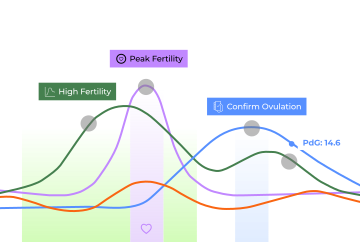
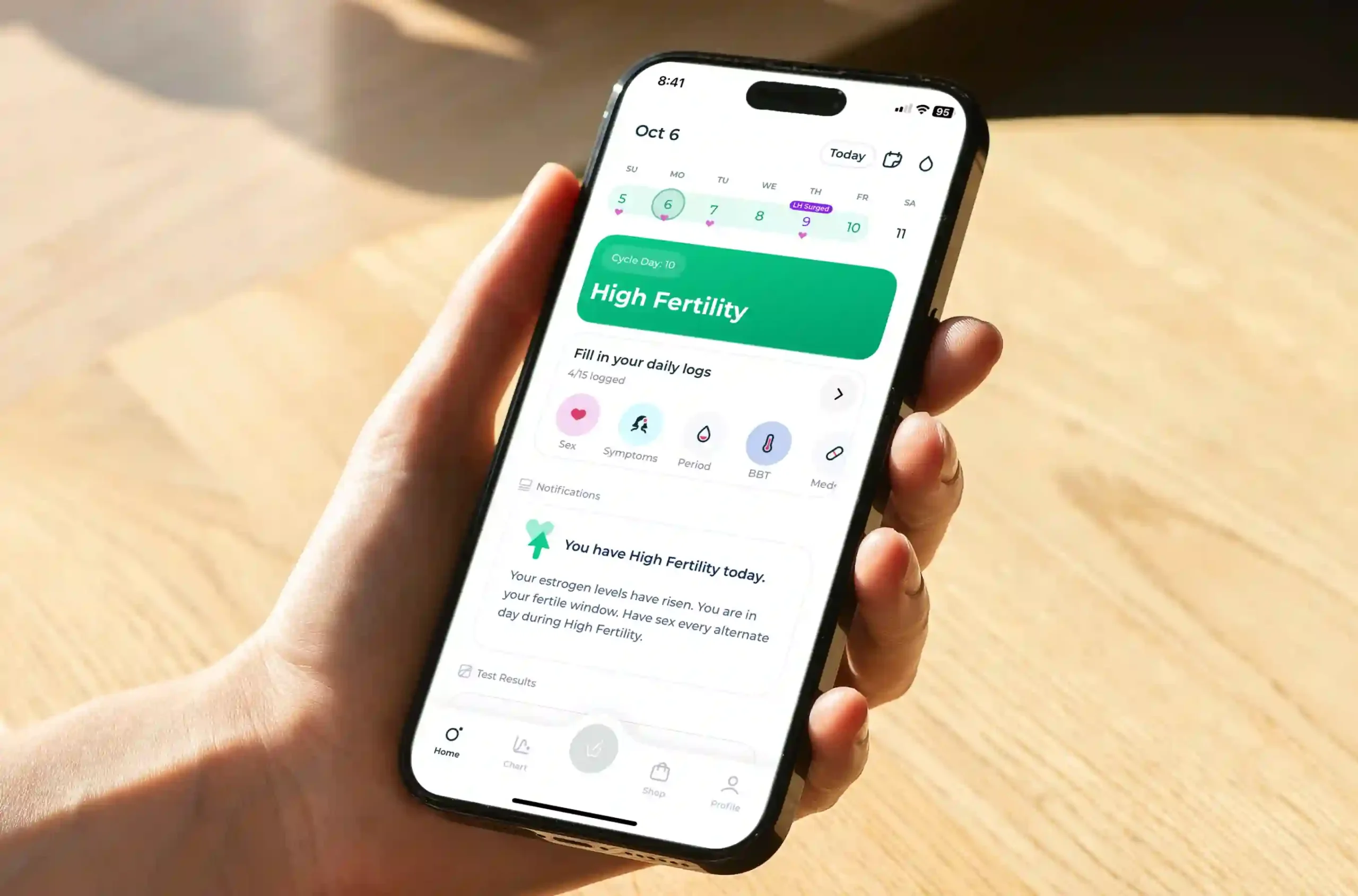
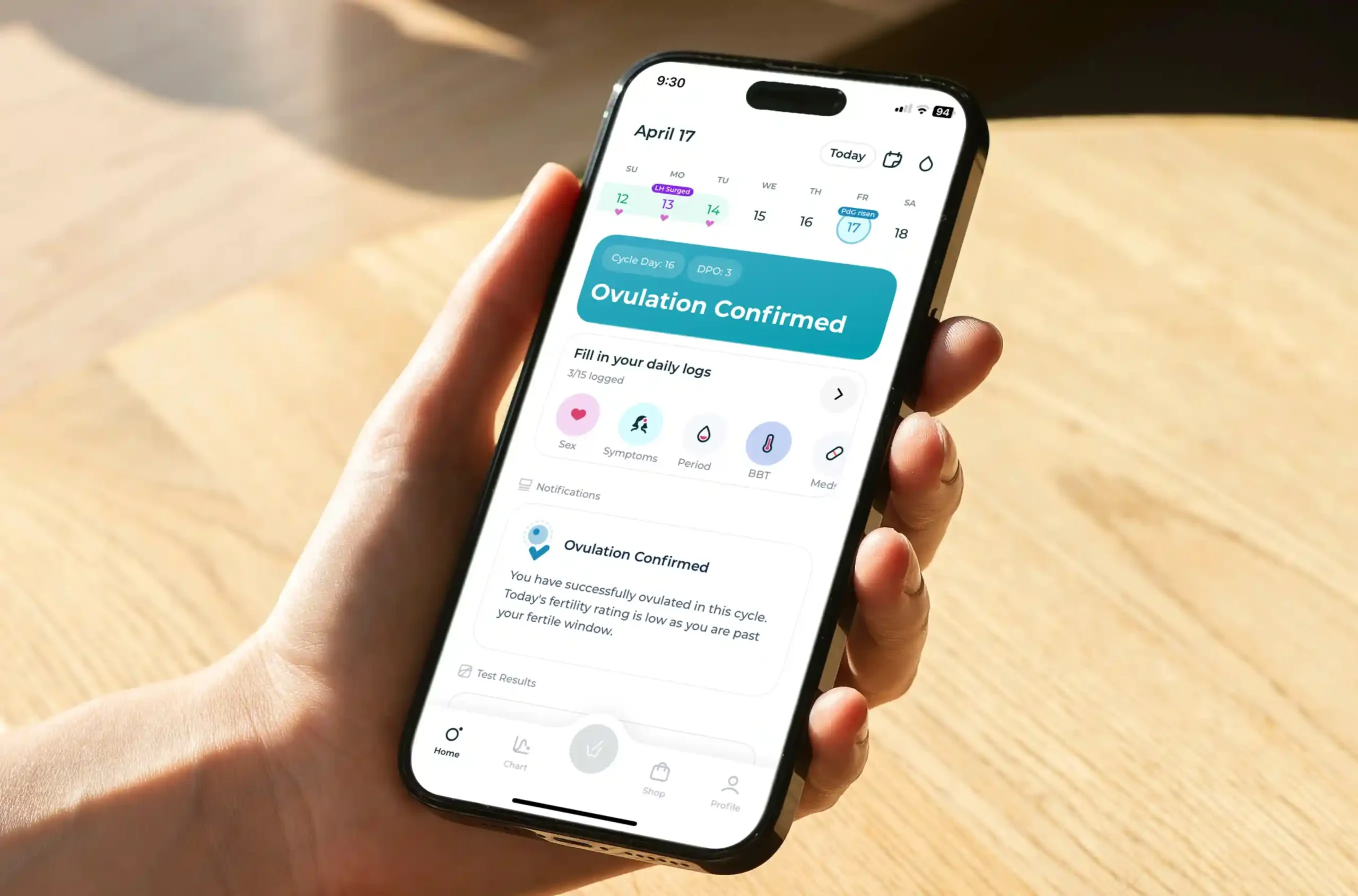
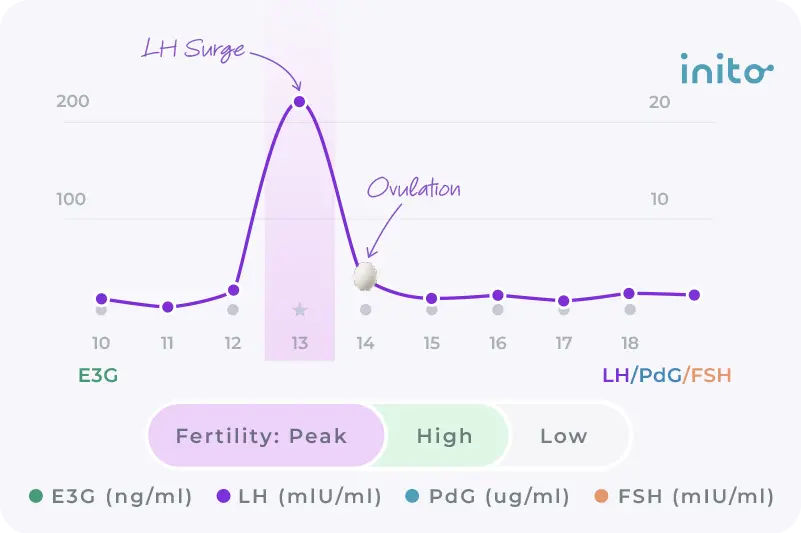
4. Monitor your menstrual cycles. This will help you know your unique patterns, track your fertile window, and confirm ovulation. The Inito fertility monitor is a great tool for women who are trying to track fertility.

FAQs
Yes, infertility is one possible symptom of hypothyroidism. But once treated, your chances of getting pregnant with hypothyroidism improve. Research shows that slightly more than three out of four women treated for hypothyroidism are able to conceive within a year.
There’s no set amount of time to expect to get pregnant after beginning thyroid hormone replacement therapy. It all depends on your overall health, the severity of your thyroid disorder, and the specific medication you take.
Standard thyroid hormone ranges are impacted by a lot of factors. These include age, weight, gender, and whether or not you’re pregnant.
But here’s a general idea of standard thyroid hormone levels for women:
- TSH: 0.35 – 4.50 mIU/mL
- Total T4: 5.4 to 11.5 mcg/dL
- Total T3: 80 to 200 ng/dL
Note: The above thyroid hormone levels are only meant to give you a baseline idea. Be sure to check with your healthcare professional about your specific hormone levels.
Here are the ranges of thyroid stimulating hormone that are considered safe for pregnant women:
- First trimester: 0.2-2.5 mU/L
- Second and third trimester: 0.3-3 mU/L
In general, adopting or maintaining a healthy lifestyle helps with regulating hormones like thyroid stimulating hormone. But if you are diagnosed with a thyroid disorder, then medication can help with your TSH levels.
Was this article helpful?
Physiology, Thyroid Hormone – StatPearls – NCBI Bookshelf
Thyroid hormones and female reproduction
Evaluation of Reproductive Outcome in Infertile Hypothyroid Women on Thyroxine Therapy – PMC
Thyroid disease and female reproduction – Fertility and Sterility
Thyroid dysfunction and female infertility. A comprehensive review – ScienceDirect
Thyroid and its indispensability in fertility – PMC
The role of thyroid function in female and male infertility: a narrative review – PMC
Drugs That Suppress Tsh Or Cause Central Hypothyroidism – Pmc