How Can You Use Inito in Your Follicular Phase?
Updated on Sep 30, 2026


Your follicular phase is where a new cycle (and a new chance to conceive) begins. While your body is busy preparing for ovulation, your hormone levels are constantly changing behind the scenes.
With Inito, you can follow these changes in real time to better understand your fertile window, recognize your unique patterns, and make more informed decisions throughout your cycle.
Disclaimer: Inito is intended for tracking your fertile window and confirming ovulation. It is not designed to diagnose medical conditions, detect or track pregnancy, or replace medical advice.
Key Takeaways
- Follicular phase starts on the first day of your period and ends with ovulation.
- It's the most variable part of the menstrual cycle since ovulation may not happen on the same day every month.
- Tracking estrogen during your follicular phase can help identify your right fertile days.
- Tracking beta-LH helps capture your unique LH pattern instead of relying only on fixed thresholds, and helps reduce cross-reactivity seen with some traditional ovulation tests.
- Comparing hormone trends across multiple cycles can help you learn what's typical for your body and spot meaningful changes over time.
- Logging symptoms alongside your hormone data can help you identify patterns leading up to ovulation and better understand your cycle.
- You can also keep important fertility information, such as blood test results, follicle scans, medications, and IUI details, in one place in the Inito app.
- If you notice persistent changes like highly irregular cycles, repeated delayed ovulation, or no clear LH surge across multiple cycles, it's a good idea to discuss them with your healthcare provider.
What is the follicular phase?
The follicular phase is the first part of your menstrual cycle. It begins on the first day of your bleed and goes on until you ovulate.
During this time, follicle-stimulating hormone (FSH) encourages several follicles in your ovaries to grow. As one follicle becomes dominant, it produces increasing amounts of estrogen, preparing your body for egg release.
Unlike the luteal phase, which is relatively consistent at around 12-14 days, the follicular phase can vary significantly from cycle to cycle. In a study of more than 600,000 menstrual cycles, the average follicular phase lasted 16.9 days, with many healthy cycles falling anywhere between 11.6 and 22.2 days.
Know more: Trying to Get Pregnant? Get to Know Your Follicular Phase
Ready to start your fertility journey?
Get Inito Fertility MonitorWhat hormones does Inito track during the follicular phase?
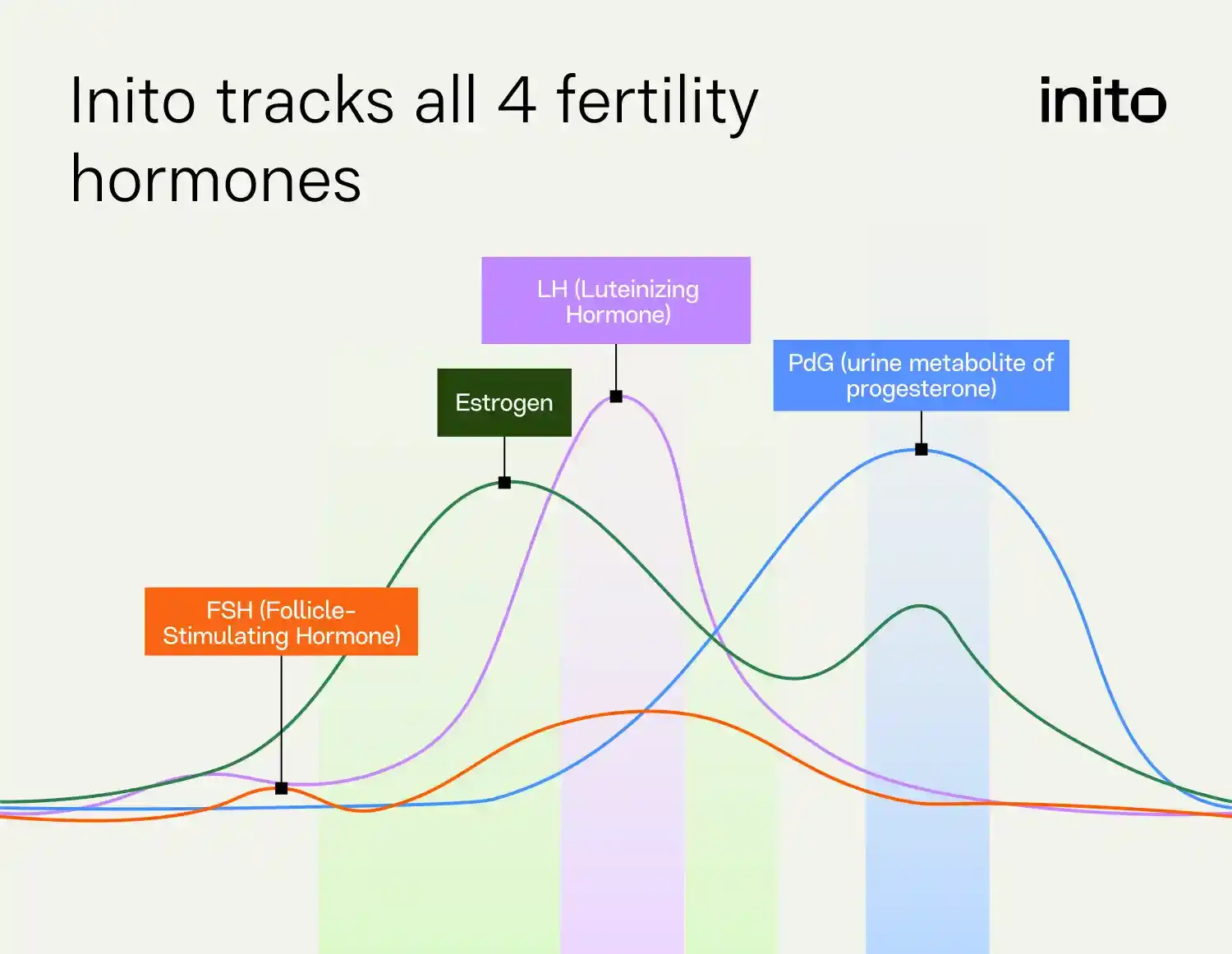
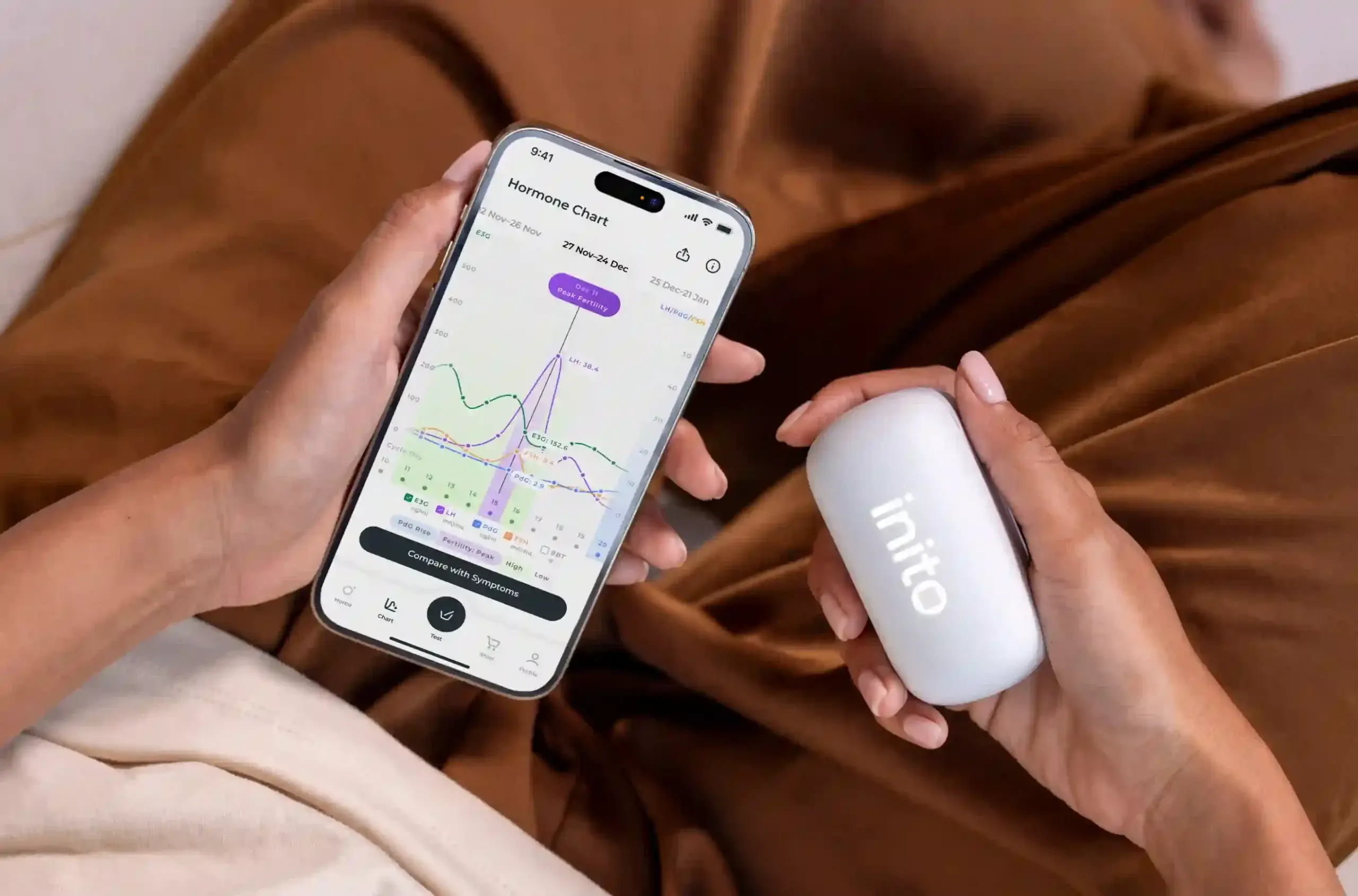
Inito measures 4 fertility hormones in urine during your follicular phase as well as throughout the cycle: FSH (follicle-stimulating hormone), LH (luteinizing hormone), E3G (estrogen), and PdG (urine metabolite of progesterone).
- FSH (follicle stimulating hormone): Supports follicle growth early in the cycle.
- E3G (urine metabolite of estrogen): Estrogen starts rising as follicles mature, peaking about 3-4 days before ovulation. Inito uses this rise from your baseline to identify your High Fertility days.
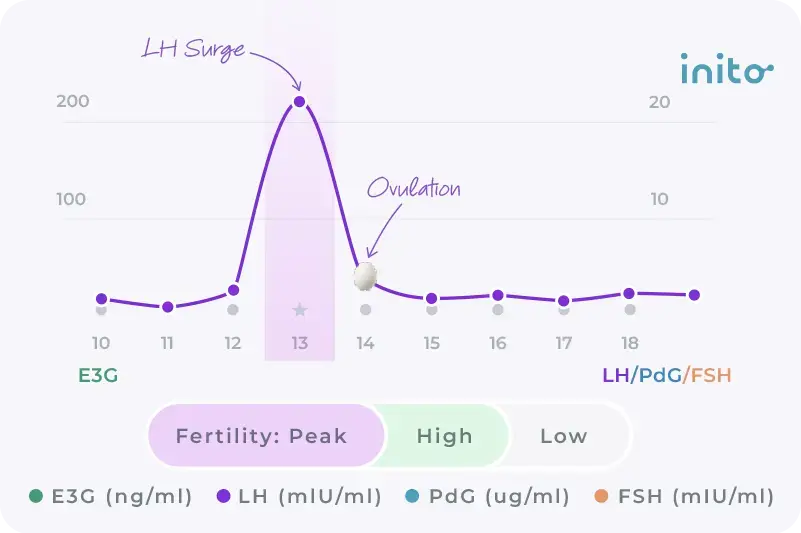
- LH (luteinizing hormone): Surges shortly before ovulation and signals that the egg is likely to be released within the next 24-36 hours. Inito identifies a rise in your LH from your baseline to give you Peak Fertility.
- PdG (urine metabolite of progesterone): PdG becomes more relevant after ovulation and helps confirm if ovulation has actually occurred.
How Can You Use Inito in Your Follicular Phase?
Here's how you can use Inito to make the most of your follicular phase:
- Track your estrogen rise and identify High Fertility days to recognize your right days to try.
- Monitor your LH surge and Peak Fertility to better time intercourse/ insemination.
- Understand cycle-to-cycle variation by comparing hormone trends across multiple cycles.
- Better understand the relationship between hormone fluctuations and symptoms across the cycle.
- Keep all your fertility information in one place and see it alongside your hormone trends by logging your blood test results, follicle scans, medications, trigger shots, or IUI details on the Inito app.
Let's take a look at each of these in detail.
How does Inito detect High Fertility?
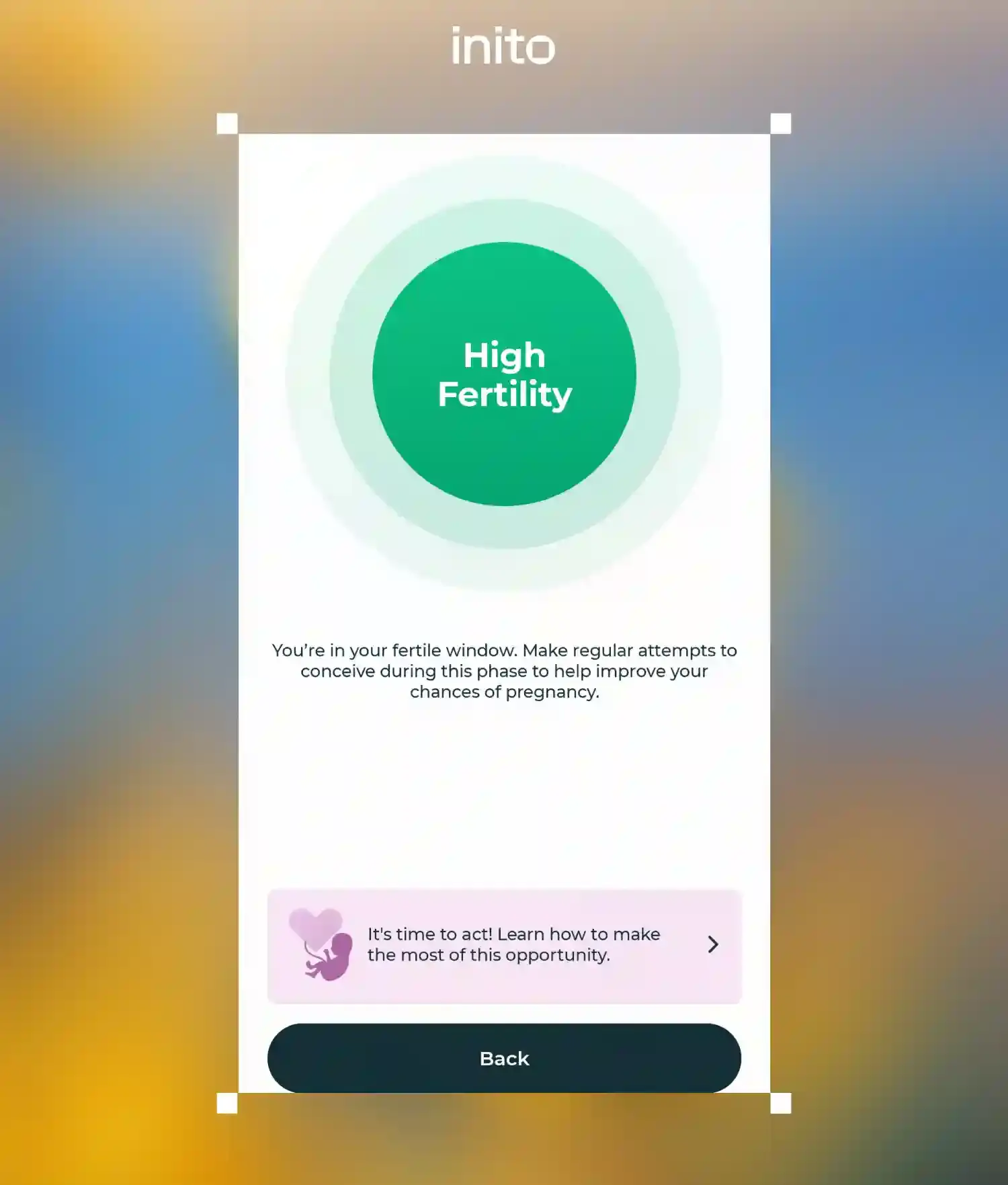
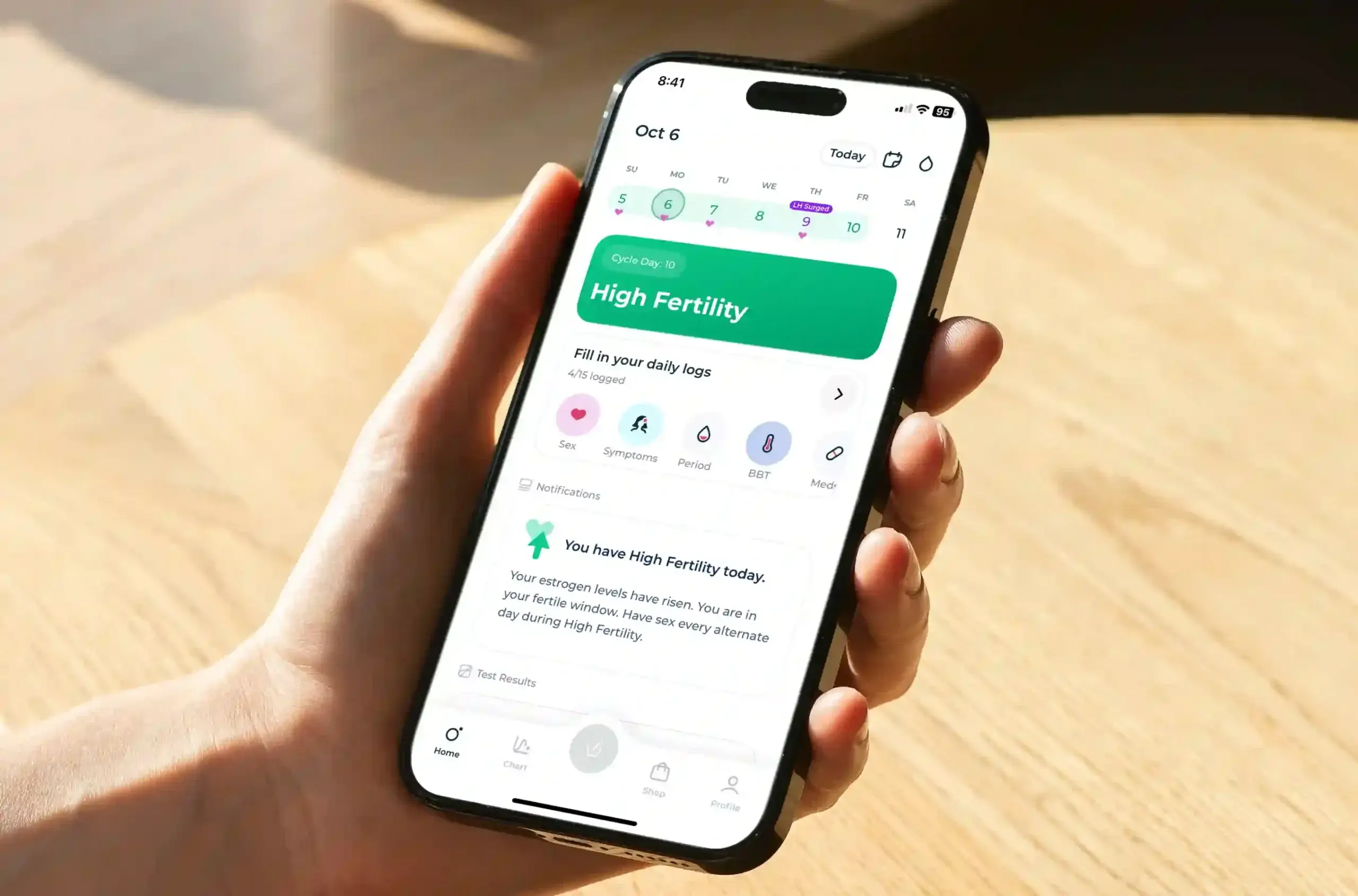
Inito detects High Fertility by identifying when your estrogen (E3G) levels begin to rise from your baseline. As your follicles mature, estrogen typically increases around 3-4 days before the LH surge. It’s one of the earliest signs that ovulation is approaching.
Why this matters
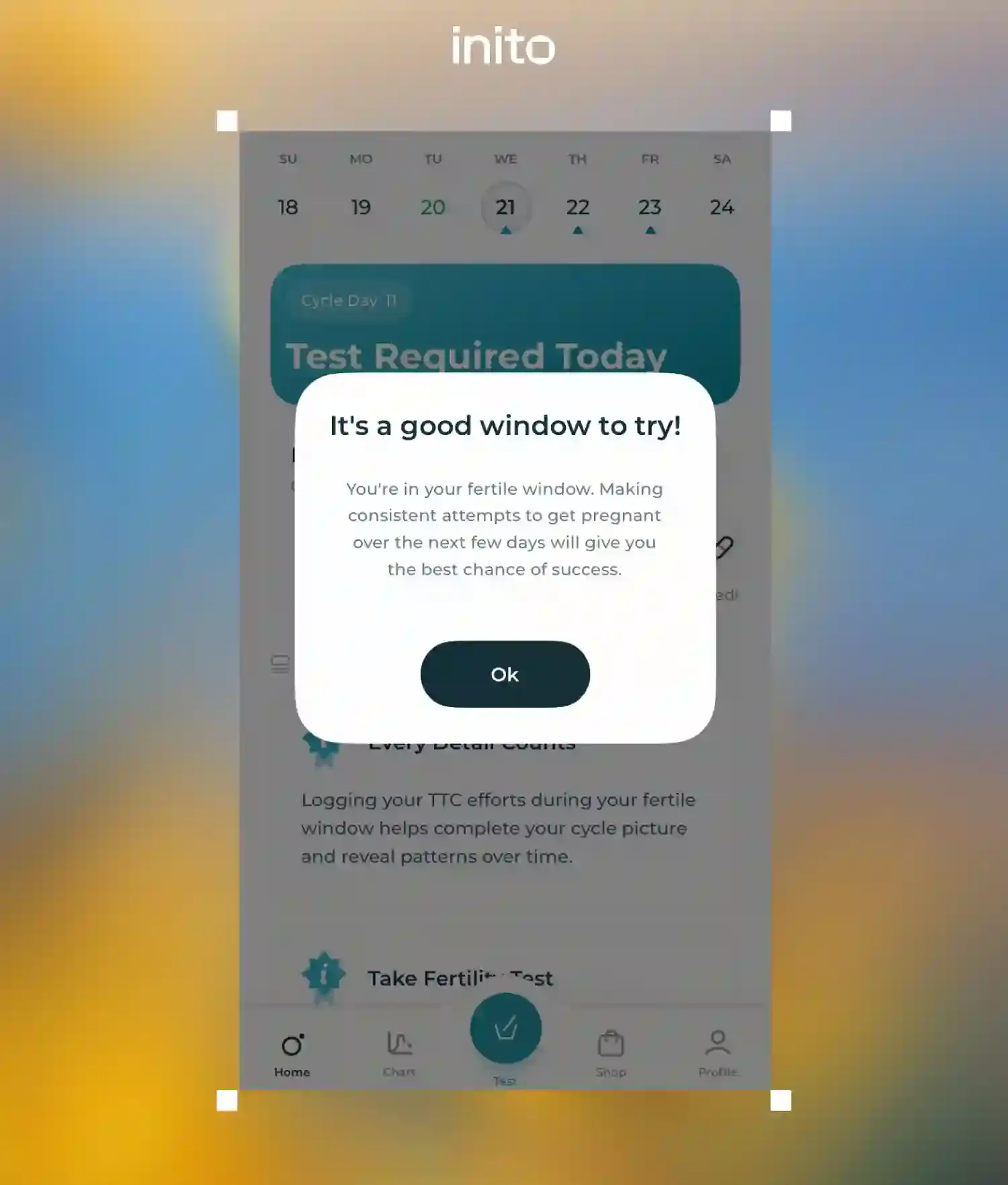
Sperm can typically survive in the female body for up to five days. That means having intercourse before ovulation can improve your chances of conception. In fact, having sex before ovulation leads to the highest chances of pregnancy!
Know more: When to Have Sex to Conceive
This is important because many couples mistime intercourse. In one study, although over two-thirds of women believed they were trying during their fertile window, only 12.7% accurately identified it.
So, by tracking real-time hormone changes rather than calendar estimates, Inito helps recognize the right days to try and plan accordingly.
Why should you track your LH surge?
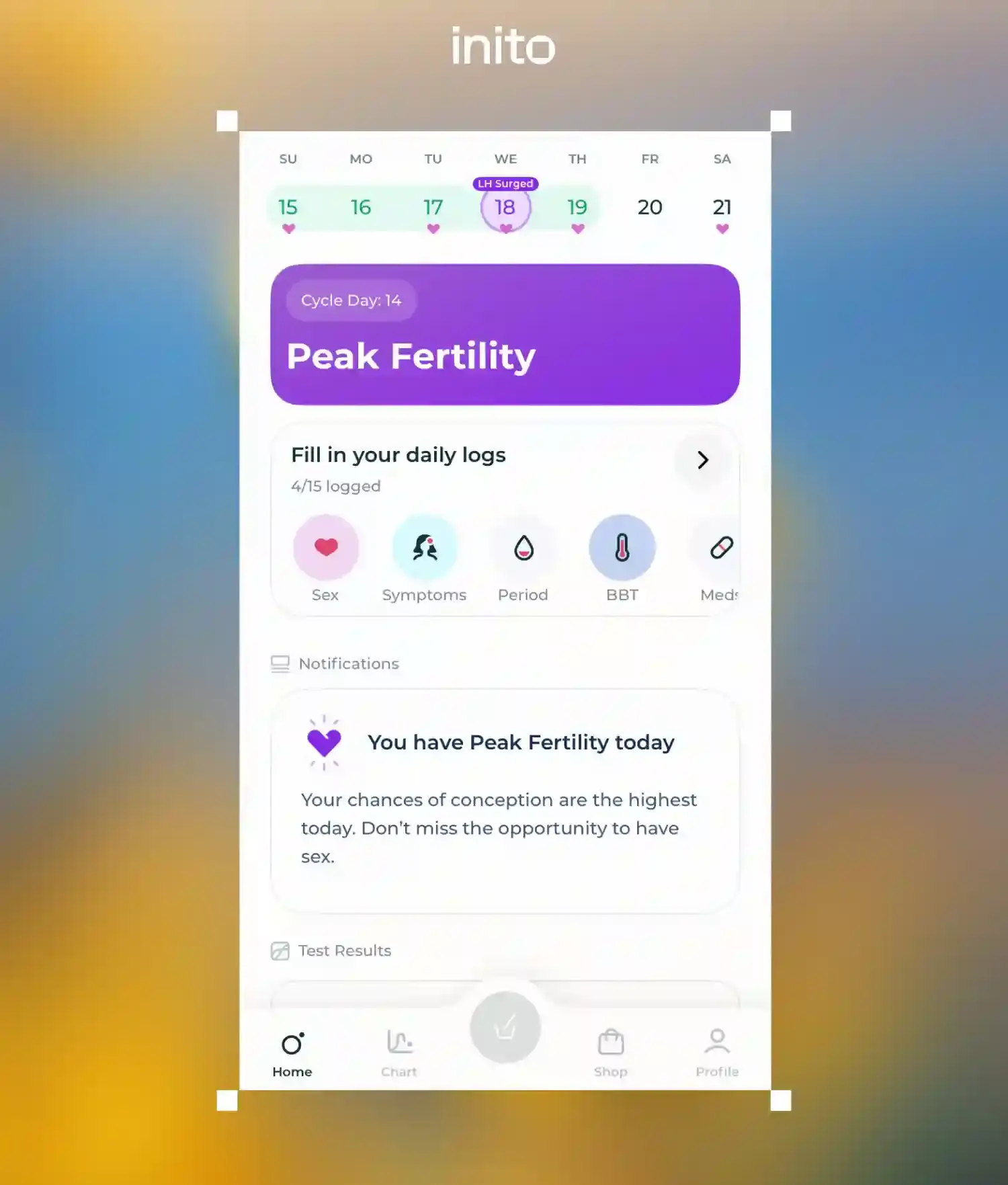
LH rises shortly before ovulation and typically signals that ovulation is likely within the next 24-36 hours.
Identifying this surge helps narrow down your most fertile days and can improve timing for intercourse or insemination. However, LH patterns are often more complex than many people realize. Research shows that not everyone experiences a single sharp surge. Approximately 48% of women have one distinct LH surge, while others experience other types of LH surge patterns, like plateau surges, biphasic surges, or multiple LH rises before ovulation.
Know more: What Does a Normal LH Level Look Like?
Additionally, LH concentrations during a surge vary widely between individuals. In one study, ovulation occurred across a broad range of LH values–from around 6.5 mIU/mL to over 100 mIU/mL–meaning there is no “universal” threshold that applies to everyone.
However, traditional ovulation predictor kits often rely on population averages and commonly detect alpha-LH, which may be more susceptible to cross-reactivity. Inito measures beta-LH and gives you results based on your unique baseline, providing a more personalized picture of your LH pattern and cycle trends. Know more: How Accurate Are Ovulation Tests?
Can tracking multiple cycles help you understand your body better?
Yes. One of the biggest advantages of hormone tracking is recognizing trends over time rather than focusing on a single cycle. Your follicular phase may naturally vary from cycle to cycle. You might notice:
- Earlier or later estrogen rises
- Longer or shorter follicular phases
- Multiple LH surges before ovulation
- Delayed ovulation in some cycles
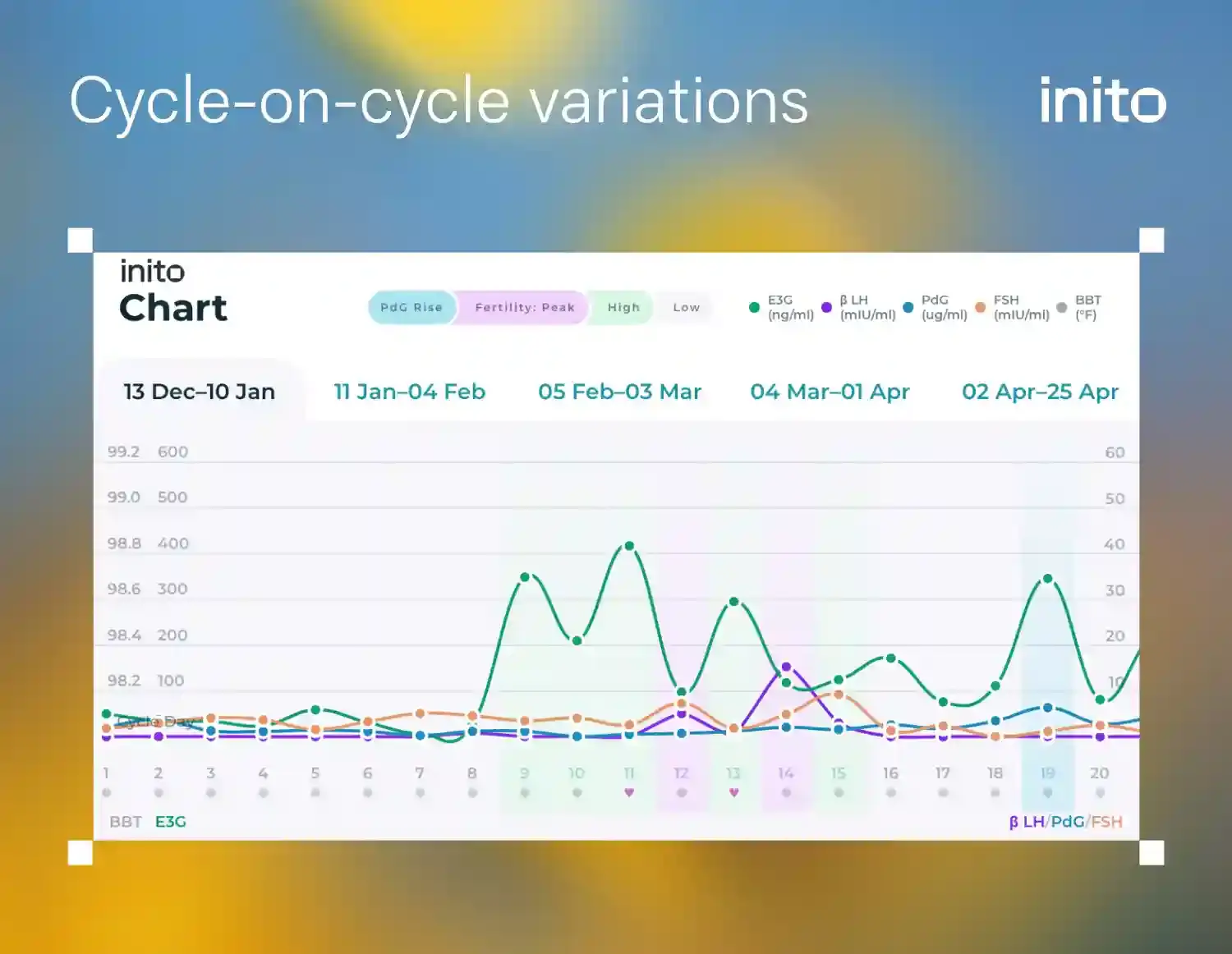
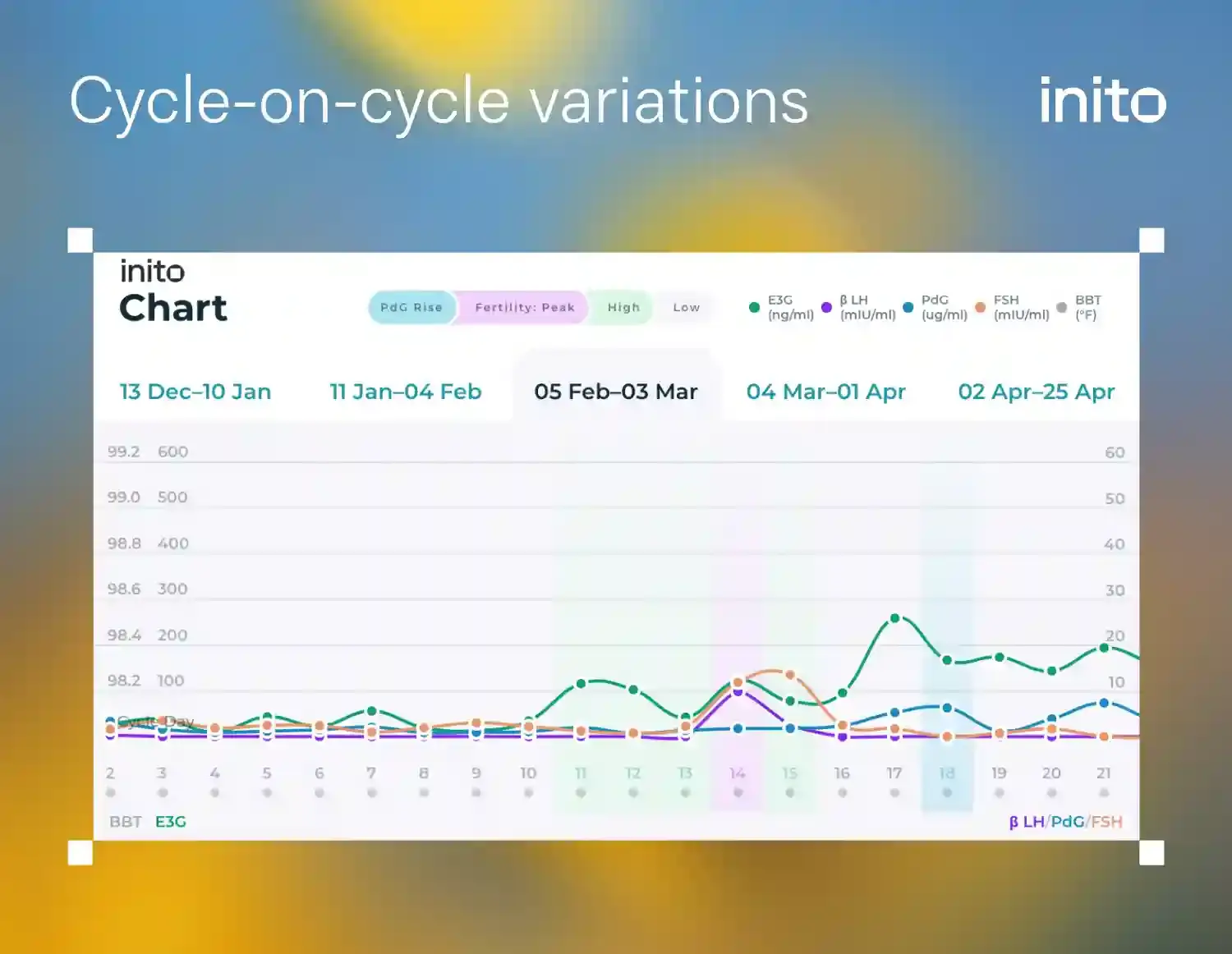
For example, in the charts above, the same user has 2 different hormone patterns. (Note: The charts in this article are recreated for illustration purposes. They are based on hormone patterns to help explain different scenarios and are not actual user charts.)
In their first chart, we see that her estrogen levels rose above baseline on CD 9, she had one LH surge on CD 12, and then another one on CD 14. This is a biphasic LH surge pattern, where LH rises, goes down the next day, and then rises again the day after that. This may be because sometimes the first LH surge isn’t enough to trigger ovulation, so the body may try again with a second surge. It’s seen in about 44% of women. We know ovulation occurred, since there was a steady and consistent rise in PdG after the second LH surge.
Now, let’s take a look at her second chart: We can see that their estrogen started rising from CD 11 onwards. She saw a single LH surge on CD 14, and ovulation was confirmed on CD 18.
Variations like these are more common than you think. Many everyday factors, including stress, travel, illness, sleep disruptions, and lifestyle changes, can temporarily affect ovulation timing.
Looking at multiple cycles together helps distinguish occasional variation from recurring patterns and gives you a better understanding of what is typical for your own body.
How can symptom tracking complement hormone tracking?
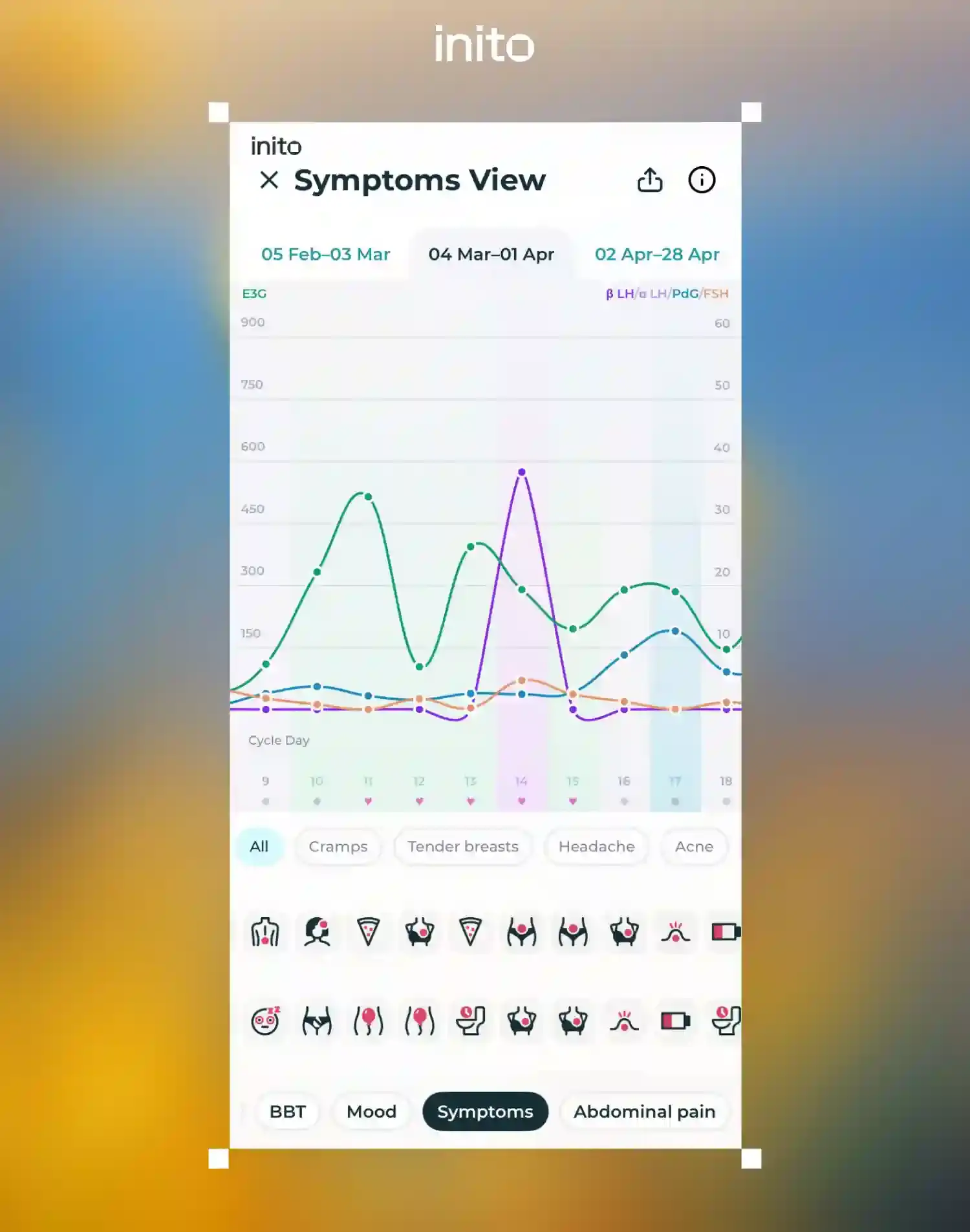
Hormones influence more than fertility: they often affect how you feel throughout the follicular phase. You may notice changes in:
- Energy levels
- Cervical mucus
- Mood and motivation
- Libido
- Exercise performance
Recording these observations alongside hormone trends can help you recognize recurring patterns before ovulation. Over time, this combined information may make it easier to anticipate your fertile window and understand how hormonal changes affect your daily life.
And if you're curious about aligning your exercise or nutrition with different stages of your cycle, you may also want to explore concepts like cycle syncing.
Know more: Cycle Syncing: What it Is and How to Start
What if your follicular phase looks different from previous cycles?
Variation from one cycle to another is common, especially in the follicular phase. However, you may want to pay closer attention if you consistently notice:
- Very short or very long menstrual cycles (<21 days or >35 days)
- Highly irregular cycle lengths
- No LH surge across multiple cycles
- No ovulation confirmation over several cycles
- Symptoms that interfere with your daily activities
These patterns do not automatically indicate that something is wrong. However, if they persist (especially when you’re trying to conceive), they can provide useful information to discuss with your healthcare provider.
What should you do during your follicular phase?
Beyond tracking hormones, supporting your overall health can help you feel your best during the follicular phase! Here are some other things worth paying attention to:
Nutrition
A balanced eating pattern that includes whole grains, lean proteins, healthy fats, fruits, and vegetables can do wonders. Many people also choose foods that support overall hormonal health and estrogen metabolism, like high-fiber, plant-based, and whole foods.
Know more: The Best Follicular Phase Foods To Eat
Exercise
Many people report feeling more energetic and motivated during this stage of the cycle. If that sounds like you, this can be a great time for higher-intensity workouts or strength training (while still listening to your body's needs, of course!).
Social activities and productivity
Due to rising estrogen levels, you might be seeing improvements in mood, confidence, or motivation during the follicular phase. This makes it a good time for collaborative projects or social engagements.
Community support
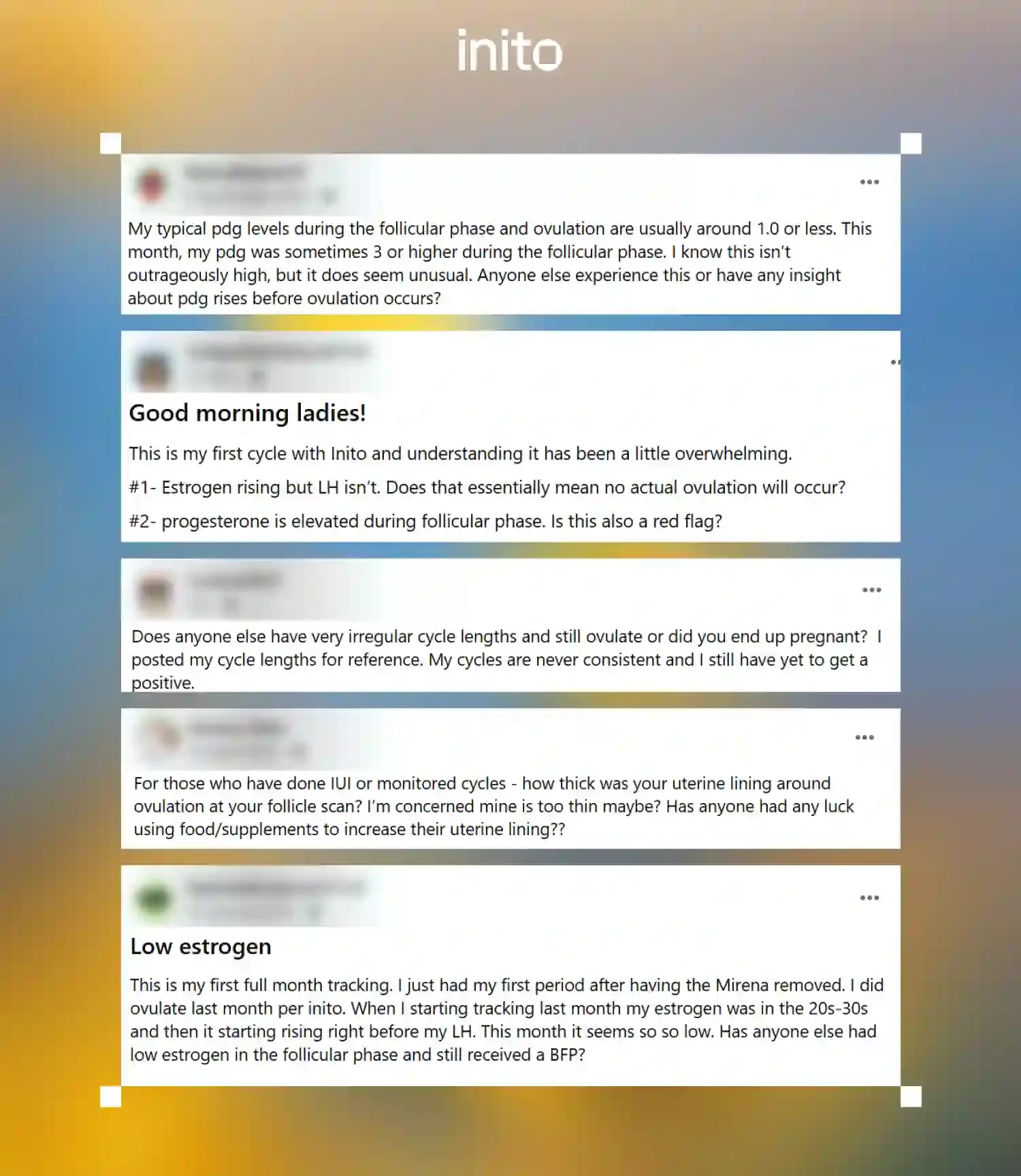
Trying to conceive is different for everyone, and it can sometimes feel like you're navigating more questions than answers. Connecting with others who are on a similar journey can make it feel a little less overwhelming. If you're looking for a place to learn, share experiences, and find support, we'd love to have you in the Inito Community!

See how Inito will fit into your unique fertility journey
Take 5 min free fertility assessment and get a personalised hormone report
What can Inito help you track during the follicular phase?
To sum it up, here’s how you can use Inito during your follicular phase:
| What you're tracking | Why it matters |
|---|---|
| Estrogen rise and High Fertility days | Identifies the beginning of your fertile window so you can start trying. |
| LH surge | Helps detect your individual LH pattern and identify Peak Fertility without relying solely on fixed thresholds and minimizing the chances of false positives. |
| Cycle-to-cycle variation | Reveals how your follicular phase changes over time and what is typical for your body. |
| Hormone trends and symptoms | Combines objective hormone data with personal observations to better understand your cycle. |
The Bottom Line
Your follicular phase is when your body prepares for ovulation, making it one of the most informative times to track your hormones if you're trying to conceive. By monitoring estrogen, LH, FSH, and PdG, Inito helps you see the bigger picture of your cycle: not just whether you're about to ovulate, but how your hormones change throughout the cycle. Whether you're identifying your fertile window, learning your unique LH pattern, or understanding how your cycles vary over time, consistent hormone tracking can help you better understand your fertility.
Reach your fertility goals with full confidence
FAQs
Contributor

Team Inito
Health Researchers and Writers
Was this article helpful?
Share it on

Get a free guide Luteinizing Hormone (LH) by Inito