
Content table
Progesterone is one of the important reproductive hormones that regulates your menstrual cycle. It rises after ovulation and then falls before you get your period.
Fun little fact: Progesterone plays an important role in other areas of your body, too. (This includes your brain, metabolism, skin, gut, and immune system).
Like other hormones, progesterone levels change in relation to other hormones, especially estrogen. And some individuals are more sensitive to these fluctuations than others.
Keep reading to learn all you need to know about normal progesterone symptoms at various times in your cycle.
Key takeaways
- Fluctuations in progesterone levels can make you feel a variety of symptoms. These symptoms may impact your mood, libido, sleep, metabolism, fluid balance, body temperature, and more.
- Luteal phase symptoms often peak when your body goes through progesterone withdrawal. This can instigate mood swings, sleep disturbances, fatigue, and PMS symptoms.
- These symptoms are caused by changes in levels of hormones and brain activity. So even if your hormone levels are “normal,” your body still remains sensitive to the fluctuations.
- Knowing how your body responds to hormonal changes throughout your menstrual cycle is important. This can help you make supportive changes to your nutrition and lifestyle habits to optimize your hormone balance.
- If you experience severe PMS or progesterone-related symptoms, talk to your healthcare provider.
How Do Progesterone Levels Change Throughout the Menstrual Cycle?
Many people think symptoms of low progesterone or high progesterone are based on your exact levels at a certain point in time. But progesterone symptoms actually happen as a result of fluctuations.
So let’s take a look at what changes you can expect to see in your progesterone levels over the course of a regular cycle:
- Beginning of cycle: During your menstrual phase and follicular phase, progesterone levels are low.
- Around ovulation: Right after ovulation, progesterone levels begin to rise. (It’s secreted by the corpus luteum, aka the ruptured follicle.) Rising levels are meant to support implantation for a potential pregnancy.
- Luteal phase: Progesterone continues to rise in the days after ovulation. Peak progesterone levels happen around 6 – 8 days post ovulation.
Note: This is the pattern you can expect in a regular, ovulatory cycle. If you have irregular ovulation or irregular cycles, your progesterone fluctuations may look a bit different.
Whether or not you become pregnant impacts your progesterone levels too. If fertilization and implantation occur, progesterone levels will continue to rise.
If fertilization does not happen or implantation fails, then the corpus luteum breaks down. This causes progesterone levels to drop and eventually triggers a visit from good old Aunt Flo (aka menstruation)!
Know more: Daily Progesterone Levels After Ovulation: What to Expect
Hopefully, this gives you a solid picture of when to expect high progesterone vs. low progesterone. Now let’s see what symptoms come along with each phase!
What Are Common Progesterone Symptoms in Each Cycle Phase?
1. Menstrual phase progesterone symptoms
As mentioned, your progesterone levels drop at the end of one menstrual cycle, leading into a new cycle. This progesterone dip triggers your body to shed the uterine lining (what comes out during menstruation).
Research shows that this time of shedding triggers an inflammatory response in the body. This causes the release of prostaglandins, which cause cramps and pelvic pain.
After the initial release of prostaglandins, menstrual symptoms tend to become less intense. This is why the first 2 days of your period are usually the most painful (ugh!).
The most common progesterone symptoms during menstruation include:
- Vaginal bleeding
- Cramps
- Fatigue
- Mood changes
2. Follicular phase and ovulation
After your period, you enter the mid-follicular phase. Progesterone levels stay low during this window between menstruation and ovulation.
Meanwhile, estrogen levels are rising. This boost in estrogen supports your maturing ovarian follicles ahead of ovulation time.
Any symptoms you notice during this time of your cycle are a result of your rising estrogen levels, not your baseline progesterone levels.
Once you release an egg, progesterone levels begin to rise. But on the day of ovulation, these levels are usually low. And they’re unlikely to cause any noticeable progesterone symptoms yet.
Know more : Your Guide to Follicular Phase Symptoms
3. Luteal phase progesterone symptoms
The exact symptoms you experience will shift whether you’re in the early or late luteal phase. Here’s a comparison of symptoms of rise in progesterone vs. fall in progesterone during this cycle phase:
Bodily system | Increasing Progesterone (early Luteal Phase Rise) | Decreasing Progesterone (Late Luteal Phase Fall) |
Brain & mood | Improved mood in some individuals | Mood swings and increased irritability |
Emotions | A sense of emotional stability and calm | The onset of anxious or depressive symptoms |
Sleep | Better quality sleep | Decreased sleep and restless |
Body temperature | Increases | Decreases |
Breast changes | Mild symptoms like soreness and fullness | Peak soreness before period followed by relief after new cycle begins |
Pelvic region | Mild cramping or pelvic heaviness | Vaginal bleeding and menstrual cramping coincide with period |
Cervical mucus | Decreased cervical mucus that is sticky, thick, and opaque | No obvious changes |
Digestive issues | Bloating and constipation are high | Relief from bloating and constipation; changes in bowel movements |
Fluids | Body retains more water leading to puffiness or swelling in hands, face, and feet | Peak bloating seen before period followed by relief after period begins |
Skin | Breakouts and skin issues are triggered | Skin symptoms are heightened just before period and then clear up after menstruation begins |
Energy levels | Mild fatigue and increased appetite | Low energy or fatigue |
Sex drive | Low libido | Low or variable |
As progesterone levels rise and peak, you’re likely to notice lots of symptoms. Below are some of the most common progesterone symptoms in the early and late uteal phase.
Mood changes
When progesterone becomes metabolized, it turns into allopregnanolone. This metabolite enhances GABA-A receptor activity in the brain helping to support calming brain signals and anti-anxiety effects.
Here are common early luteal phase symptoms: :
- A sense of emotional stability
- A sense of calm
- More able to feel relaxed
- Reduced stress responses
- Better overall mood (for some people)
As the corpus luteum breaks down before menstruation, your rapidly falling progesterone decreases GABA receptor activity. This can have a big impact on your emotional sensitivity.
Symptoms of low progesterone in the late luteal phase include:
- Mood swings
- Anxiety and irritability
- PMS (premenstrual syndrome)
- PMDD (premenstrual dysphoric disorder) – more on what PMDD is at the end of this section!
Research shows that nearly 60-70% of women notice some degree of mood changes prior to menstruation. And these mood-related symptoms typically pop up about 5 – 7 days before your period.
So if you find yourself feeling less like yourself towards the end of your cycle, you’re not alone!
Sleep changes
Allopregnanolone, the progesterone metabolite we talked about above, can also have a sedative effect on the body.
In the early luteal phase, this can lead to drowsiness or increased sleepiness during daytime hours. It can also temporarily allow you the joy of better sleep quality overnight!
But once progesterone begins dropping in the late luteal phase, that sedative effect wears off. This causes you to have restless/disturbed sleep or difficulty falling asleep.
Body temperature
When progesterone levels rise in the early luteal phase, it causes your basal body temperature to increase. This may have you feeling warmer than usual if you’re sensitive to these internal temperature changes. The exact increase is about 0.5 to 1 degree Fahrenheit.
Dropping progesterone means your basal body temperature goes back down to baseline. This means you may notice a slight drop in temperature in the days leading up to your period in the late luteal phase.
Know more : Basal Body Temperature for Fertility Tracking: Reliable or Not?
Breast symptoms
When progesterone levels are higher in the early luteal phase the alveolar cells in your breast become enlarged. This then leads to increased fluid retention in your breasts, causing you to feel:
- Swelling
- Breast tenderness or soreness
- Breast heaviness
In the late luteal phase, as the progesterone levels begin to decline, you can expect to feel a peak in breast tenderness just before a new menstrual cycle. This is followed up by a relief of breast symptoms after your period begins.
Uterine symptoms
High progesterone levels help the implantation process in two very important ways.
First, it thickens your uterine lining to create a more welcoming environment for the fertilized egg to nestle into. Second, it reduces the frequency of uterine contractions, ensuring that the embryo stays put.
These effects on the uterus can cause you to feel: mild bloating or a feeling of heaviness in your pelvic area.
Changes in cervical mucus
When progesterone is high, it increases the mucus lining of your cervix. So at this time you’ll notice thick, opaque, sticky mucus. This creates a sort of barrier that supports your immune system from bacteria that could potentially harm the growing embryo. It also keeps sperm out.
This may cause you to notice:
Reduced cervical mucus and vaginal discharge
Discharge that’s thicker, stickier, and more opaque
Know More : What Does Your Cervical Mucus Tell You About Your Body?
Digestion and stomach troubles
Increased progesterone in the early luteal phase leads to a relaxing of the muscles in your digestive tract. This can slow down digestion and can cause bloating and constipation.
As progesterone levels decline, your digestive processes will resume their normal activity. This often leads to a sense of relief from bloating and constipation and changes in your bowel movements.
Changes in fluid retention
Increased progesterone affects your renin-angiotensin-aldosterone system (RAAS). This is the system responsible for regulating your water retention, sodium balance, and body weight.
In the early luteal phase, the impact on your RAAS causes two notorious symptoms of high progesterone
- Increased water retention
- A feeling of “puffiness” in your feet, hands, or face.
Premenstrual hormonal shifts in the late luteal phase also affect how fluid is distributed and stored throughout your body. This may cause you to experience heightened bloating in the days before your period. Not for too long though!
Once your new cycle begins, you’ll see a gradual decrease in bloating and puffiness.
Acne and skin changes
When your progesterone levels fluctuate alongside other hormonal changes, it can impact your skin. The exact skin symptoms experienced vary from woman to woman. But in general, you may notice acne breakouts or heightened skin issues when your progesterone levels peak.
This is why skin triggers and acne breakouts are most common in the week before your period. Once your period begins, these skin changes usually begin to clear up.
Slowed metabolism
When progesterone is rising, in the early luteal phase there is a slight increase in metabolic rate. This can lead you to experience increased appetite and mild fatigue.
As your cycle winds down and sex hormones are all back to baseline, this means you may experience low energy or even lethargy.
Changes in sex drive
Your sex drive is greatly impacted by hormonal changes! When estradiol (a type of estrogen) is high, you are likely to feel more aroused. When progesterone is high in the peak of your luteal phase, sexual desire goes down.
In the late luteal phase, it’s common to have ups and downs with your sex drive.
What is PMDD, and how to know if you have it?
Feeling worried about the severity of your PMS symptoms? Let’s look more closely at what PMDD (premenstrual dysphoric disorder) is and how it’s diagnosed.
Studies tells us that about 3-8 percent of women around the world experience PMDD. Researchers believe it’s linked to changes in brain sensitivity caused by fluctuating hormones. While much is still unknown with PMDD, it seems to only occur in ovulatory cycles.
To be diagnosed with PMDD, you’ll need to track your symptoms under the supervision of a healthcare professional. Often this is with your gynecologist or even a psychiatrist.
Here are the symptoms that PMDD sufferers may experience:
- Depression
- Anxiety
- Mood swings
- Intense irritability
- Lethargy
- Difficulty concentrating
- Intense physical symptoms like bloating and breast pain
Sounds like symptoms of PMS, right? So, what’s the major difference with PMDD? With PMDD, symptoms tend to be so severe that they consistently disrupt your daily activity.
If you think you may have PMDD, it’s important to check in with your healthcare provider or a licensed therapist. They can guide you on the steps to take.
Depending on your situation, treatment for PMDD could include:
- Lifestyle changes
- Therapy
- Certain medications
- Changes to your hormonal birth control
Whether you have PMDD or typical PMS symptoms, there’s hopeful news.
In many cases, PMS-related symptoms can be improved with some lifestyle tweaks. More on these next!
How Can You Manage Progesterone Symptoms?
To manage luteal phase symptoms, consider both nutritional and lifestyle adjustments.
Here are some ways you can begin to find relief for certain progesterone symptoms:
For PMS and PMDD:Get regular exercise and engage in stress-management supports like cognitive behavioral therapy
For improved sleep, mood, and fluid retention:Get enough vitamin B6, magnesium, and calcium
For better quality sleep: Limit your caffeine intake and get exposure to natural sunlight in the morning hours to help with your circadian rhythm
For bloating and constipation: Stay hydrated, get plenty of fiber, and consider taking a probiotic to optimize your gut health
For puffiness: Aim to get more potassium from your diet and lower your intake of sodium
Know more: Best Foods to Eat During the Luteal Phase
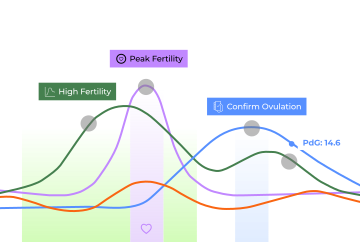
You can also consider tracking your hormones with the Inito Fertility Monitor to gain a deeper understanding of your cycle. Inito measures 4 key fertility hormones in your urine, including PdG (urine metabolite of progesterone). PdG helps you confirm ovulation and also gives you valuable insights into your hormone trends.
Rather than focusing on a single reading, pay attention to hormone behavior over time. These patterns can help you anticipate how you may feel during different phases of your cycle. You can also try logging your symptoms in your journal or on the free Inito app, and noting what helped and what didn’t. Over time, this can help you identify what works best for you and build personalized approaches to managing cycle-related changes.
If you continue to find it difficult to manage your luteal phase symptoms, talk to a doctor. This is especially important if your symptoms make daily activities feel nearly impossible.

FAQs
Some signs of increased progesterone include:
- Breast tenderness
- Mood changes
- Decreased cervical mucus
- Bloating or constipation
The amount of time it takes for the body to adjust to progesterone supplements depends on your overall health and hormone balance. And some women are more sensitive to progesterone fluctuations than others. The only way to know for sure is to track your symptoms and see when you notice the symptoms feel less noticeable.
Know more: A Comprehensive Guide to Progesterone Supplements
Foods that can help your body produce progesterone include those that contain: magnesium, vitamin B6, vitamin C, and zinc. This encompasses a variety of foods like chicken, broccoli, strawberries, spinach, lentils, sweet potatoes, avocados, and more.
Know more: How to Increase Progesterone Levels to Get Pregnant
Progesterone is more likely to make you feel tired. When your estrogen levels rise as you approach mid-cycle, it usually gives you a boost of energy. Later in your cycle when progesterone rises and then falls, it’s more likely to make you feel tired.
Common side effects of progesterone supplements include:
- Breast tenderness or pain
- Headaches
- Nausea, vomiting, or upset stomach
- Mood swings
- Drowsiness
- Changes in libido
A progesterone crash, aka progesterone withdrawal, can feel like you have very low energy or you’re lethargic. For some, it can also trigger headaches, mood swings, and sleep disturbances.
On its own, low progesterone or baseline progesterone levels don’t necessarily feel like much. Symptoms of low progesterone happen when your progesterone levels drop suddenly (like withdrawal) or if you have a hormone imbalance. You may feel a change in your sex drive and lower energy levels as well as moodiness.
To combat progesterone fatigue, try adopting a more balanced diet and optimizing your lifestyle habits. Cycle syncing can support you as well!
Know more: Cycle Syncing: What it Is and How to Start
When your progesterone levels fall in the later part of your luteal phase, you are more susceptible to mood swings, anxiety, and depression. This state of being more prone to stress can lead to higher cortisol levels. This is why it’s important to find helpful practices that support you in managing your stress.
A metabolized version of progesterone called allopregnanolone can act as a calming hormone. It may make you feel more sedated than usual and also can make it easier to fall and stay asleep.
Know more: Does Progesterone Make You Tired? Exploring the Link
Was this article helpful?
Reproductive Hormones and Female Mental Wellbeing
Allopregnanolone and mood disorders – ScienceDirect
Progesterone Inhibitory Role on Gastrointestinal Motility – PMC
Normal Breast Development and Changes | Johns Hopkins Medicine
The Normal Menstrual Cycle and the Control of Ovulation – Endotext – NCBI Bookshelf
Physiology, Progesterone – Abstract – Europe PMC
Progesterone Inhibitory Role on Gastrointestinal Motility – PMC
The impact of progestogens on RAAS – a systematic review – PMC
Progesterone, fluid, and electrolytes in premenstrual syndrome – PMC
https://onlinelibrary.wiley.com/doi/full/10.1111/ced.12588
Unraveling the Role of Sex Hormones on Keratinocyte Functions in Human Inflammatory Skin Diseases
A placebo-controlled study of effects of oral progesterone on performance and mood – PMC
Towards Understanding the Biology of Premenstrual Dysphoric Disorder: From Genes to GABA – PMC